Sardinian Pibiones Weaving & Heritage Brands Guide 2026
The Enduring Legacy of Sardinian Pibiones Textiles
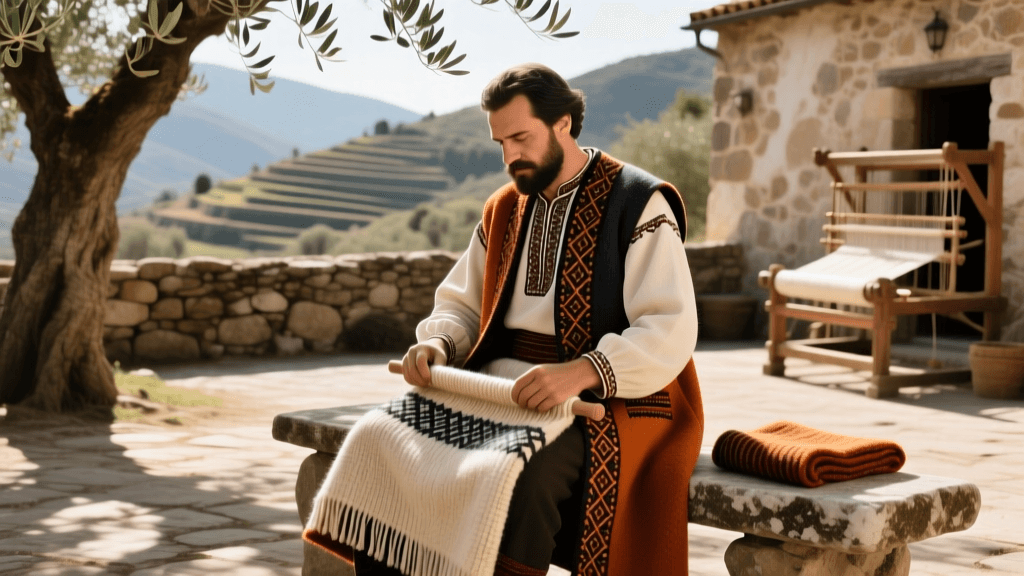
In the rugged, wind-swept interior of the Mediterranean island of Sardinia, a textile tradition has survived for centuries, largely untouched by the homogenizing forces of global fast fashion. As we navigate the sustainable style landscape of 2026, the demand for authentic, slow-crafted European folk dress and textiles has reached an all-time high. At the very pinnacle of this artisanal revival is the Pibiones (or Grain) weaving technique, a hallmark of Sardinian regional heritage that transforms raw sheep’s wool into tactile, three-dimensional masterpieces.
The word pibiones translates roughly to "grains of pepper" in the Sardinian dialect, a fitting description for the raised, bumpy texture that characterizes these handwoven fabrics. Historically, these textiles were the cornerstone of a bride’s trousseau, symbolizing wealth, fertility, and the weaver's supreme technical skill. Today, heritage cooperatives and independent artisans are keeping this ancient craft alive, adapting traditional folk motifs for contemporary interiors and modern wardrobes while strictly adhering to ancestral methods.
The Anatomy of a Traditional Pibiones Weave
To truly appreciate the value of a Pibiones garment or textile in 2026, one must understand the painstaking mechanics of its creation. The technique is most famously associated with the village of Samugheo, widely considered the capital of Sardinian weaving, as well as the neighboring highland communities of Sarule and Atzara. According to the Regione Autonoma della Sardegna's cultural portal, the weaving traditions of these villages represent some of the most complex and well-preserved textile practices in the entire Mediterranean basin.
The Loom and the Materials
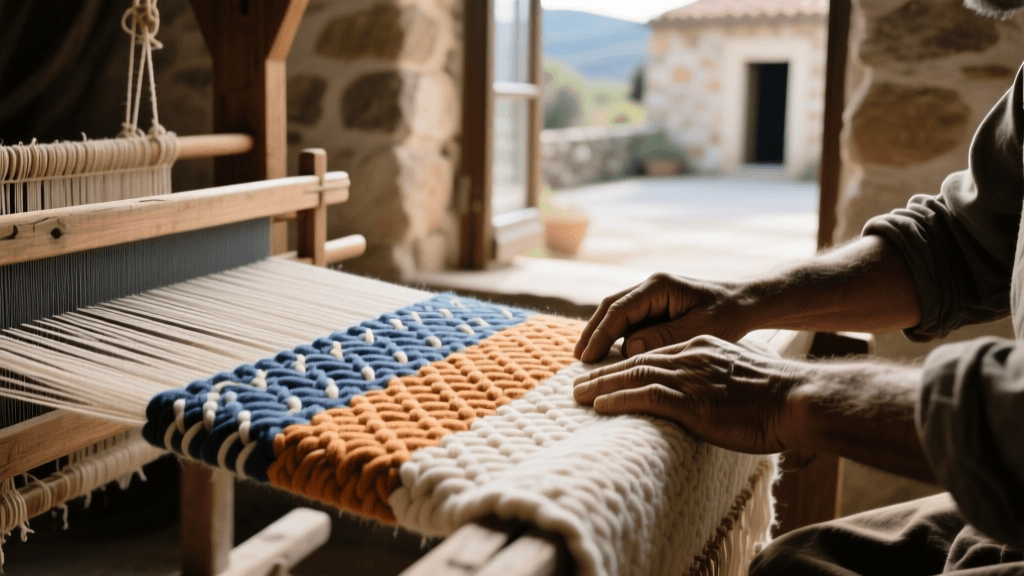
Authentic Pibiones are woven on traditional wooden floor looms, many of which are over a century old and passed down through generations of weavers. The warp (the longitudinal threads held in tension) is typically made of sturdy, locally spun linen or cotton, providing a robust skeleton for the fabric. The weft (the transverse threads) is where the magic happens, utilizing the coarse, lanolin-rich wool of native Sardinian sheep breeds. This specific wool is prized for its durability, natural water resistance, and deep, earthy color palette.
The Magic of the Cannuccia
What elevates Pibiones above standard flatweave textiles is the use of a cannuccia—a smooth, slender rod traditionally made of reed or wood. As the weaver passes the weft thread through the shed of the warp, they lay the cannuccia across the width of the loom. The weft is then looped over the rod, creating a raised ridge. Once the row is beaten down and the rod is removed, the loops remain as distinct, raised "grains" on the surface of the fabric. Counting the threads to ensure the geometric patterns align perfectly requires immense mathematical precision and muscle memory, a skill that takes years to master.
Natural Dyes: The Colors of the Mediterranean Maquis
While synthetic dyes are common in mass-produced textiles, the top heritage brands and cooperatives in 2026 are experiencing a massive resurgence in natural dyeing, sourcing pigments directly from the island's flora. The resulting colors are rich, complex, and lightfast, aging beautifully over decades.
- Rosso (Red): Derived from the roots of Rubia tinctorum (madder), which grows wild in the Sardinian countryside. The fermentation and mordanting process can take weeks to achieve a deep, blood-red hue.
- Marrone (Brown): Sourced from the husks of walnuts (Juglans regia) or the tannins in oak galls, providing the deep, grounding earth tones that form the background of many traditional shawls.
- Giallo (Yellow): Extracted from the stigmas of saffron crocus or the flowers of the broom plant (Spartium junceum), yielding vibrant, sunlit accents.
- Blu (Blue): Historically achieved using woad (Isatis tinctoria), though true natural indigo is also utilized by modern heritage dyers to achieve the deep midnight blues seen in regional folk skirts.
Top Heritage Cooperatives and Brands Reviving the Craft in 2026
The landscape of Sardinian textile production is dominated by small, women-led cooperatives and boutique heritage brands. These organizations not only preserve the folk dress traditions of the island but also provide vital economic lifelines to rural villages. Below is a curated guide to the most respected entities operating in 2026.
| Cooperative / Brand | Village / Base | Specialty Item | 2026 Price Range (EUR) | Custom Lead Time |
|---|---|---|---|---|
| Tessitura Su Trobasciu | Samugheo | Sa Burra (Heavy Blankets) & Tapestries | €450 - €1,800 | 4 - 6 Months |
| Artigianato Tessile di Sarule | Sarule | Pibiones Shawls & Folk Skirts | €280 - €750 | 2 - 4 Months |
| Murenu Design | Cagliari / Isili | Modern Folk Apparel & Accessories | €150 - €600 | 1 - 2 Months |
| Tessitura Artigianale di Atzara | Atzara | Traditional Saddlebags & Runners | €200 - €500 | 3 - 5 Months |
Tessitura Su Trobasciu remains the gold standard for museum-quality Sa Burra—the heavy, multi-layered blankets that were historically used as bed coverings or room dividers in stone mountain homes. Their commitment to using only hand-spun, naturally dyed wool makes their pieces highly sought after by collectors and interior designers globally.
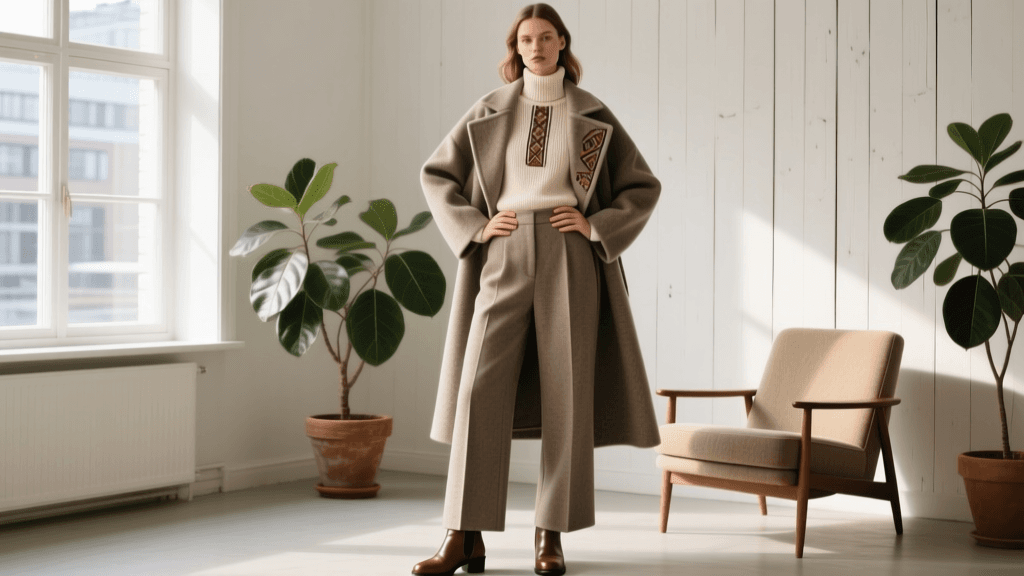
Murenu Design, on the other hand, represents the cutting edge of the 2026 heritage revival. By collaborating with master weavers in Isili, Murenu translates ancient Pibiones motifs into contemporary silhouettes, including structured wool coats, minimalist handbags, and modern wrap skirts that honor the folk dress roots while fitting seamlessly into a modern urban wardrobe.
Integrating Sardinian Folk Textiles into Modern 2026 Wardrobes
You do not need to wear a full, traditional Sardinian folk costume to appreciate the craft. The current slow-fashion movement heavily favors versatile, investment-grade heritage pieces. Here is how to integrate Pibiones into your daily life:
- The Sciallu (Shawl): A traditional Pibiones shawl, usually featuring a dark background with striking geometric borders in red and yellow, can be draped over a modern tailored overcoat or a simple linen dress. The three-dimensional texture adds instant visual weight and luxury to minimalist outfits.
- Structured Bags: Heritage brands are increasingly using heavy Pibiones weaves to craft structured tote bags and clutches. The tight, looped weave is incredibly resistant to abrasion, making it an excellent, sustainable alternative to mass-produced leather goods.
- Winter Accessories: While traditional Sardinian folk dress rarely included knitted items in the same way Nordic traditions did, modern weavers are adapting the Pibiones technique to create thick, textured scarves and winter wraps that offer unparalleled wind resistance.
Care and Maintenance for Handwoven Wool
Authentic Pibiones textiles are investments that require specific care. Because the wool retains natural lanolin, it is inherently somewhat water-resistant and odor-repellent. Avoid frequent washing. Instead, air out your shawls and garments in a shaded, well-ventilated area. If cleaning is absolutely necessary, professional dry cleaning with a specialist who understands heritage textiles is mandatory. Never machine wash or tumble dry a handwoven Pibiones piece, as the agitation will cause the wool to felt and the intricate looped structures to collapse. Store items folded with natural cedar blocks to deter moths, avoiding wire hangers that can distort the heavy fabric.
Sourcing Authentic Sardinian Garments and Textiles
As the global appetite for artisanal European folk dress grows, so does the market for counterfeit goods. In 2026, buyers must be vigilant to ensure they are supporting actual Sardinian artisans rather than overseas factories producing "Sardinian-style" textiles on computerized jacquard looms.
The most reliable indicator of authenticity is the Marchio Collettivo di Qualità Artigianale (Collective Mark of Artisanal Quality). According to guidelines published by the Italian Ministry of Enterprises and Made in Italy, this certification guarantees that the product was entirely conceived, designed, and handcrafted within the specific region using traditional methodologies. When purchasing directly from a cooperative's website or visiting their workshops in villages like Samugheo, look for this hallmark.
Furthermore, true Pibiones have a distinct tactile signature. Run your fingers over the fabric; the raised loops should feel slightly irregular, a testament to the human hand guiding the weft. The reverse side of the fabric should also show a distinct, albeit flatter, texture corresponding to the loops, whereas machine-made imitations often feature a flat, uniform backing with the "texture" merely stitched on top.
Whether you are sourcing a heavy blanket for a heritage home restoration or a meticulously woven shawl to elevate your winter wardrobe, investing in Sardinian Pibiones is an investment in European cultural survival. By supporting these heritage brands and cooperatives in 2026, you ensure that the rhythmic clatter of the wooden loom continues to echo through the valleys of Sardinia for generations to come.