Sardinian Pibiones Weave: 2026 Guide to Heritage Brands & Care
The Renaissance of Sardinian Pibiones in 2026
The island of Sardinia has long been a bastion of fiercely independent textile traditions, with its folk dress serving as a vibrant map of regional identity. Among the most visually striking and technically complex of these traditions is the pibiones weave, a raised-textile technique that has adorned Sardinian homes and traditional garments for centuries. As we navigate the artisanal fashion landscape in 2026, the intersection of heritage preservation and contemporary wardrobes has never been more relevant. Driven by a renewed consumer demand for slow fashion and verifiable craftsmanship, Sardinian weaving cooperatives are experiencing a renaissance, safeguarding ancient loom techniques while adapting to modern aesthetic sensibilities.
According to the Istituto Superiore Regionale Etnografico (ISRE), the documentation and preservation of these localized weaving dialects are critical to maintaining the island's intangible cultural heritage. Today, purchasing an authentic piece of Sardinian folk textile is not merely a fashion choice; it is an act of cultural stewardship. This comprehensive guide will walk you through the mechanics of the pibiones weave, highlight the premier heritage brands operating in 2026, and provide actionable advice on styling and caring for these exquisite garments.
Understanding the Pibiones Technique and Orbace Wool
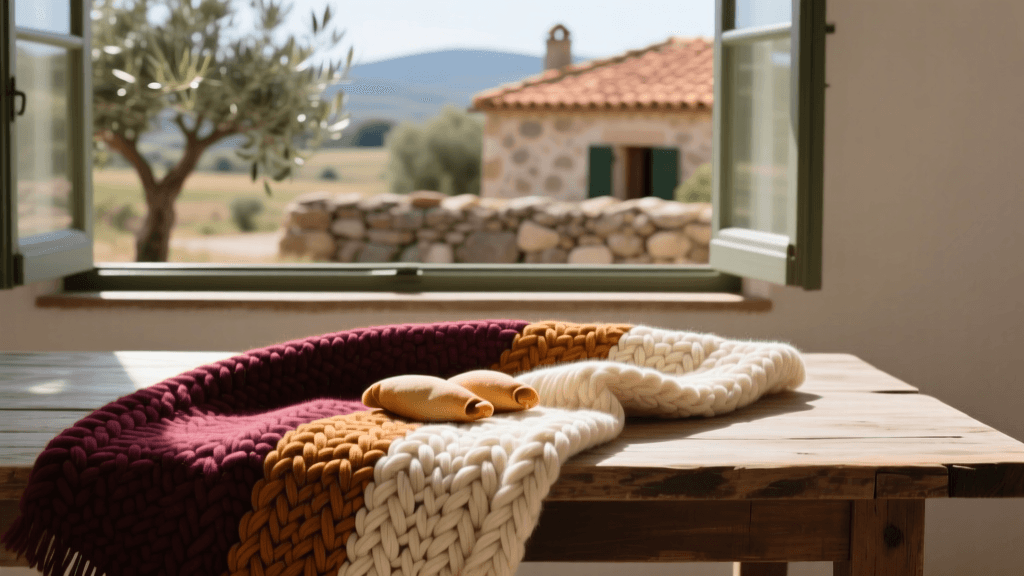
The term pibiones translates roughly to 'grapes' or 'grains' in the Sardinian language, a fitting description for the raised, bumpy texture that defines the fabric. This three-dimensional effect is achieved by introducing a supplemental, thicker weft thread that is looped over a temporary rod during the weaving process. When the rod is removed, the loops remain on the surface of the fabric, creating a tactile, raised pattern that contrasts beautifully with the flat ground weave.
Creating this texture requires a specialized handloom setup and immense manual dexterity. The weaver must meticulously count the warp threads to ensure the geometric patterns—often featuring stylized flora, fauna, and protective symbols—align perfectly. In 2026, while some larger cooperatives utilize modernized Jacquard looms for standardized home goods, the most prestigious heritage brands still rely on traditional wooden treadle looms for their wearable folk garments, ensuring each 'grain' is tensioned by hand.
The Role of Orbace in Traditional Folk Dress
While cotton and linen are frequently used for household textiles and summer shawls, the cornerstone of traditional Sardinian winter folk dress is orbace (or orbaci). Orbace is a coarse, hand-spun wool derived from the native Sarda sheep. Historically, orbace was woven tightly and then fulled (shrank and thickened in water) to create a dense, water-resistant fabric used for the gabbanu (a traditional hooded cloak) and heavy pleated skirts. In 2026, heritage brands are reviving natural, undyed orbace, celebrating its rich spectrum of natural sheep colors ranging from deep charcoal to warm, creamy off-white, eliminating the need for harsh chemical dyes.
Natural Dyes and Color Palettes in Contemporary Heritage Weaving
The color palette of authentic Sardinian folk dress is deeply rooted in the island's botany. Heritage brands in 2026 are increasingly returning to historical dyeing methods to achieve the muted, earthy tones characteristic of antique garments. Madder root (Rubia tinctorum) is still cultivated and processed to yield deep terracotta reds, while walnut husks provide rich, colorfast browns. For vibrant yellows, artisans utilize weld (Reseda luteola). These natural dyes not only provide a historical authenticity but also age beautifully, developing a soft patina over decades of wear that synthetic dyes simply cannot replicate.
Top Sardinian Heritage Brands and Cooperatives in 2026
Supporting authentic artisans is crucial for the survival of these labor-intensive techniques. When shopping for traditional garments or high-end heritage adaptations, it is essential to purchase directly from established cooperatives or certified master weavers. Below is a comparison of three premier Sardinian weaving institutions leading the market in 2026.
| Heritage Brand / Cooperative | Primary Specialty | 2026 Price Range (EUR) | Loom Type | Custom Lead Time |
|---|---|---|---|---|
| Cooperativa Tessitori di Sarule | Traditional Bisacce (saddlebags) and heavy wool shawls | €180 - €650 | Traditional Wooden Treadle | 4 - 6 Weeks |
| Mariantonia Urru (Samugheo) | Contemporary adaptations of Pibiones carpets and luxury wraps | €250 - €1,200 | Handloom & Semi-Automated | 2 - 4 Weeks |
| Tessitura Artigiana di Isili | Fine cotton and linen Scialle Frangiato (fringed shawls) | €150 - €450 | Traditional Wooden Treadle | 3 - 5 Weeks |
Styling the Traditional Scialle Frangiato (Fringed Shawl)
The scialle frangiato, or fringed shawl, remains a cornerstone of Sardinian women's folk dress and a versatile piece for the modern 2026 wardrobe. Traditionally measuring approximately 180 cm in length and 70 cm in width, these shawls are finished with elaborate, hand-knotted macramé fringes that can add another 20 cm to each end. The fringe knotting is an art form in itself, often taking a skilled artisan several days to complete for a single shawl.
For contemporary styling, drape a lightweight cotton pibiones shawl over a structured linen blazer or a simple, solid-colored silk midi dress. The raised texture of the weave provides excellent visual contrast against smooth, modern fabrics. When attending formal evening events, a dark, naturally dyed orbace wool shawl can serve as an elegant, culturally rich alternative to a conventional cashmere wrap. Always ensure the intricate fringe is left completely unobstructed to showcase the artisan's knotting work.
Verifying Authenticity and Artisanal Certifications
With the rise of globalized textile manufacturing, mass-produced knockoffs attempting to mimic the pibiones texture have flooded tourist markets. To ensure you are investing in genuine Sardinian heritage, look for specific markers of authenticity in 2026. The Sardegna Turismo board and regional artisanal guilds issue specific certifications for handcrafted goods. Look for the Marchio Collettivo (Collective Mark) or a signed certificate of authenticity that details the weaver's name, the cooperative, the materials used, and the loom type.
Furthermore, the World Crafts Council Europe (WCC-Europe) frequently recognizes and supports master artisans who maintain exceptional standards in traditional crafts. Purchasing from WCC-recognized cooperatives guarantees that the textile was produced ethically, utilizing traditional methods rather than automated, computerized embroidery machines that merely simulate the raised grain effect.
Comprehensive Care Guide for Artisanal Sardinian Textiles
Proper maintenance is vital to preserve the structural integrity of the raised pibiones loops and the delicate hand-knotted fringes. Because these garments are crafted from natural, often unblended fibers, they require specialized care.
- Washing: Never machine wash pibiones textiles. For cotton and linen shawls, hand wash in cool water (maximum 25°C) using a pH-neutral, eco-friendly liquid detergent. For orbace wool, avoid washing entirely unless absolutely necessary; instead, rely on airing the garment outdoors in a shaded, breezy area to naturally eliminate odors. If spot cleaning wool is required, use a specialized wool wash and cold water.
- Drying: Never wring or twist the fabric, as this will distort the geometric patterns and damage the supplemental weft loops. Gently press out excess water by rolling the textile in a clean, dry cotton towel. Lay the garment flat on a mesh drying rack away from direct sunlight to prevent the natural dyes from fading.
- Fringe Maintenance: The hand-knotted fringes are prone to tangling. After washing and while the shawl is still slightly damp, use your fingers to gently separate the fringe groups. Never iron the fringes directly.
- Ironing and Pressing: If pressing is required for cotton or linen pieces, iron on the reverse side using a medium heat setting and a pressing cloth. Never iron the right side of a pibiones weave, as the heat and pressure will crush the raised 'grains' and ruin the three-dimensional texture.
- Storage: Store folded textiles in a breathable cotton bag with natural cedar blocks or dried lavender to deter moths, especially for orbace wool garments. Avoid plastic bins, which can trap moisture and lead to mildew.
Preserving the Thread of History
Investing in Sardinian pibiones garments and orbace wool pieces in 2026 is a profound way to connect with European folk dress traditions. By understanding the intricate mechanics of the handloom, recognizing the value of natural botanical dyes, and supporting the dedicated cooperatives that keep these skills alive, you ensure that the vibrant textile heritage of Sardinia will continue to be woven for generations to come. Whether worn as a statement piece in a modern wardrobe or preserved as a family heirloom, these textiles are a testament to the enduring beauty of artisanal craftsmanship.