Authentic Sardinian Pibiones & Orbace: 2026 Heritage Buyer Guide
The Enduring Legacy of Sardinian Folk Dress in 2026
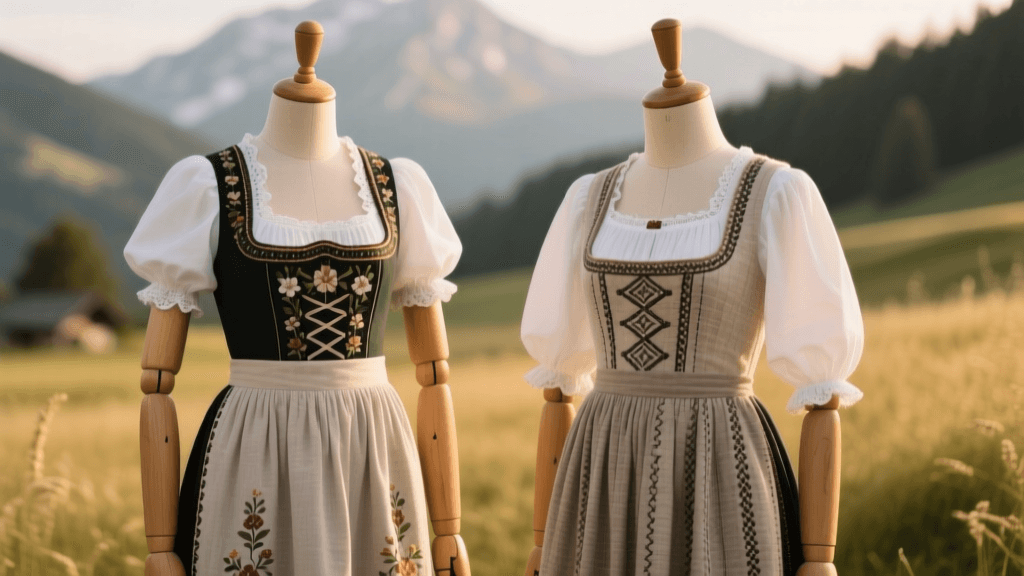
When discussing Italian regional traditional garments, the conversation often defaults to the vibrant, lace-heavy costumes of the Alpine north or the sun-drenched linen of the Amalfi coast. However, the true epicenter of Italy's most complex, ancient, and fiercely protected textile heritage lies on the island of Sardinia. In 2026, Sardinian folk dress has transcended its role as mere ceremonial wear for village festivals. Driven by a global resurgence in slow fashion and the European Union's expanded Geographical Indication (GI) framework for non-agricultural products, traditional Sardinian textiles are experiencing a renaissance. Discerning collectors, interior designers, and heritage fashion enthusiasts are now seeking out authentic, hand-loomed garments and textiles that honor centuries-old techniques.
At the heart of this movement are two distinct material traditions: pibiones (a complex raised-weave technique) and orbace (a coarse, highly durable sheep's wool). This comprehensive 2026 buyer's guide will walk you through the history, the leading heritage brands, current market pricing, and how to integrate these magnificent pieces into a modern wardrobe.
Decoding the Fabrics: Pibiones and Orbace
Pibiones: The 'Grain' Weave of Samugheo
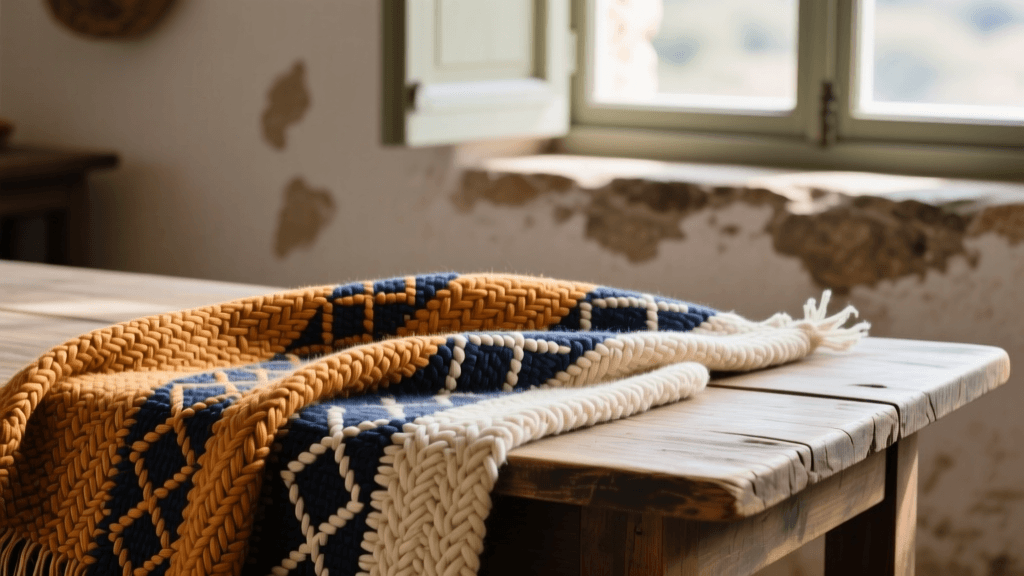
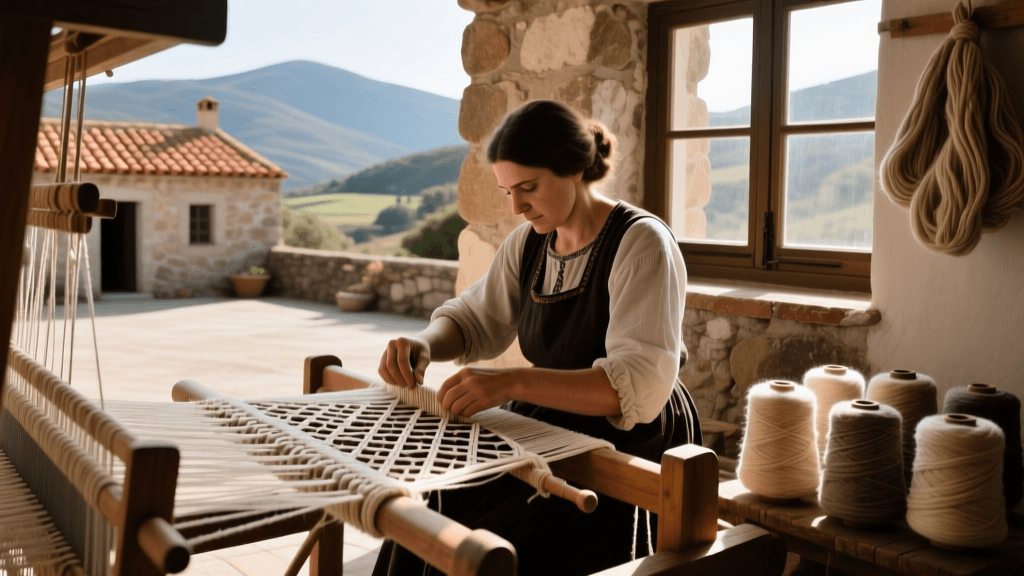
The term pibiones translates roughly to 'grains' or 'berries' in the Sardinian dialect, referring to the raised, textured bumps that characterize this intricate weaving technique. Originating primarily in the central mountain village of Samugheo, pibiones weaving involves manually raising individual warp threads and inserting a small rod to create a three-dimensional, embossed pattern on the fabric's surface. Historically, these textiles were reserved for a bride's trousseau, specifically for bedspreads and towels, serving as a visual indicator of a family's wealth and the weaver's supreme skill.
In 2026, contemporary heritage brands have adapted the pibiones technique beyond household linens. Today, you can find this raised-grain weave utilized in structured bomber jackets, artisanal handbags, and tailored waistcoats. The tactile nature of the weave makes it highly sought after by luxury fashion houses looking to incorporate authentic Italian folk motifs into their seasonal collections.
Orbace: The Shepherd's Armor
If pibiones represents the delicate artistry of Sardinian women, orbace represents the rugged resilience of its men. Orbace is a coarse, tightly woven wool fabric traditionally made from the fleece of the native Sardinian sheep. It is renowned for its exceptional water-resistant and windproof qualities, making it the historical fabric of choice for shepherds navigating the harsh, windswept plateaus of the Barbagia region.
The traditional garments crafted from orbace include the gabbanu (a heavy, hooded cloak) and the berrittas (the iconic, tube-like woolen caps worn by Sardinian men). The wool is often left in its natural dark brown or black state, or dyed using local botanicals like walnut husks and madder root. In 2026, orbace is celebrated not just for its historical significance, but for its sustainability; it is a 100% natural, biodegradable, and incredibly long-lasting material that perfectly aligns with modern eco-conscious fashion values.
Leading Heritage Brands and Cooperatives to Watch in 2026
Navigating the market for authentic Sardinian textiles requires knowing the difference between mass-produced tourist souvenirs and genuine heritage craftsmanship. According to the Istituto Superiore Regionale Etnografico (ISOLA), the preservation of these techniques relies heavily on a few dedicated cooperatives and visionary artisanal brands.
- Mariantonia Urru: Based in Samugheo, this brand is the undisputed leader in modernizing pibiones weaving. In their 2026 collections, Mariantonia Urru has collaborated with international designers to produce limited-run pibiones upholstery and wearable vests that maintain traditional loom techniques while appealing to contemporary minimalist aesthetics.
- Cooperativa Tessili Artigianali di Samugheo: This cooperative ensures that the village's weaving legacy remains economically viable for local women. Purchasing directly from their atelier guarantees that the textile was woven on a traditional wooden loom, supporting the local micro-economy.
- Artigianato in Sardegna Network: An umbrella organization that certifies authentic island-made crafts. When shopping in Cagliari or Olbia in 2026, look for their official certification tags, which verify the geographic origin and handcrafted nature of orbace wool garments.
2026 Buyer’s Comparison Chart: Authentic vs. Imitation
As the demand for regional European folk dress has grown, so has the market for cheap, machine-made imitations imported from outside the EU. Use the table below to ensure you are investing in genuine Sardinian heritage.
| Feature | Authentic Heritage Piece (2026) | Mass-Market Tourist Replica |
|---|---|---|
| Material | 100% native Sardinian sheep wool, natural botanical dyes | Synthetic blends, acrylic, chemical dyes |
| Pibiones Technique | Hand-raised grains on a traditional wooden loom | Machine-embossed or printed 'grain' patterns |
| Orbace Texture | Dense, slightly oily to the touch, naturally water-resistant | Dry, uniform, lacks natural lanolin properties |
| Price Range (Vests/Cloaks) | €450 - €1,200+ | €40 - €90 |
| Certification | ISOLA or Artigianato in Sardegna tags, weaver's signature | Generic 'Made in Italy' or no origin tags |
Sourcing and Pricing: What to Expect in 2026
Investing in authentic Sardinian folk garments is a commitment to slow fashion. Because a single meter of genuine pibiones fabric can take a master weaver several days to complete on a manual loom, the pricing reflects the immense labor involved. The Sardegna Turismo Official Heritage Portal frequently highlights these artisan workshops as essential cultural destinations, and visiting them directly is often the best way to source pieces.
Current 2026 Market Pricing
- Handwoven Pibiones Cushion Covers: €150 to €350, depending on the complexity of the geometric motifs (such as the traditional 'pavoni' or peacock designs).
- Orbace Wool Waistcoats: €350 to €600. These are often tailored with modern fits but retain the traditional coarse texture and dark hues.
- Traditional Gabbanu (Hooded Cloak): €800 to €1,500. A museum-quality, fully handmade orbace cloak is a generational investment piece.
- Artisanal Berrittas (Caps): €80 to €150. A more accessible entry point into Sardinian folk dress, often worn by heritage enthusiasts at winter cultural festivals.
'When you purchase a genuine pibiones textile, you are not just buying fabric; you are funding the survival of a language spoken through thread. Every raised grain is a syllable in a story that dates back to the Nuragic civilization.' — Master Weaver, Samugheo Cooperative.
Styling Traditional Sardinian Pieces for the Modern Wardrobe
The challenge with integrating European folk dress into a 2026 wardrobe is avoiding a theatrical or costume-like appearance. The key is juxtaposition. Pair the heavy, rustic texture of an orbace wool vest with crisp, modern tailoring—such as a sharp white poplin shirt and tailored charcoal trousers. The contrast between the ancient, rugged wool and contemporary, clean lines creates a striking, sophisticated silhouette.
For women, a pibiones-woven shawl or scarf can be draped over a minimalist silk slip dress or a structured wool coat, allowing the three-dimensional texture of the 'grains' to serve as the focal point of the outfit. Avoid wearing full traditional ensembles (such as combining the berritta, orbace vest, and traditional pleated skirts) unless you are participating in a specific cultural event like the Cavalcata Sarda or the Feast of the Redeemer in Nuoro.
Caring for Orbace and Pibiones Textiles
Proper maintenance is crucial for preserving these heritage garments. Orbace wool contains natural lanolin, which gives it its water-resistant properties. Therefore, it should never be dry-cleaned with harsh chemicals, as this will strip the lanolin and ruin the fabric's integrity. Instead, air it out regularly in a shaded, breezy area and spot-clean with cold water and a mild, lanolin-based wool soap.
Pibiones textiles, especially those woven with delicate cotton or fine wool blends, should be stored flat to prevent the raised grains from becoming crushed or distorted over time. When traveling with these pieces, roll them rather than folding them, and keep them in breathable cotton garment bags to protect against moisture and moths. By respecting the material properties of these ancient textiles, you ensure that your Sardinian heritage garments will remain pristine for decades to come.