Sardinian Pibiones Textiles: 2026 Heritage Brand Guide
The Enduring Legacy of Sardinian Folk Dress
Sardinia, an island steeped in ancient Mediterranean history, boasts a textile heritage that rivals the most celebrated weaving traditions in Europe. Among the myriad of regional folk costumes and daily garments, the pibiones (pronounced pee-bee-OH-nee) weave stands out as a masterpiece of tactile engineering and cultural identity. Originating primarily in the central mountainous regions, particularly the village of Samugheo, this raised-grain textile technique was historically reserved for a bride's trousseau, symbolizing fertility, prosperity, and the weaver's supreme mastery of the loom. Today, as we navigate the 2026 global shift toward hyper-local, sustainable luxury, Sardinian heritage brands are experiencing a profound renaissance. Discerning collectors and slow-fashion enthusiasts are increasingly turning to these artisanal cooperatives, seeking garments and home textiles that offer an authentic connection to European folk dress. According to cultural preservation data from Sardegna Cultura, the island's regional initiatives have successfully stabilized the number of active traditional looms, ensuring that this ancient knowledge is passed down to a new generation of weavers.
Understanding Pibiones: The 'Grain' Weave Technique
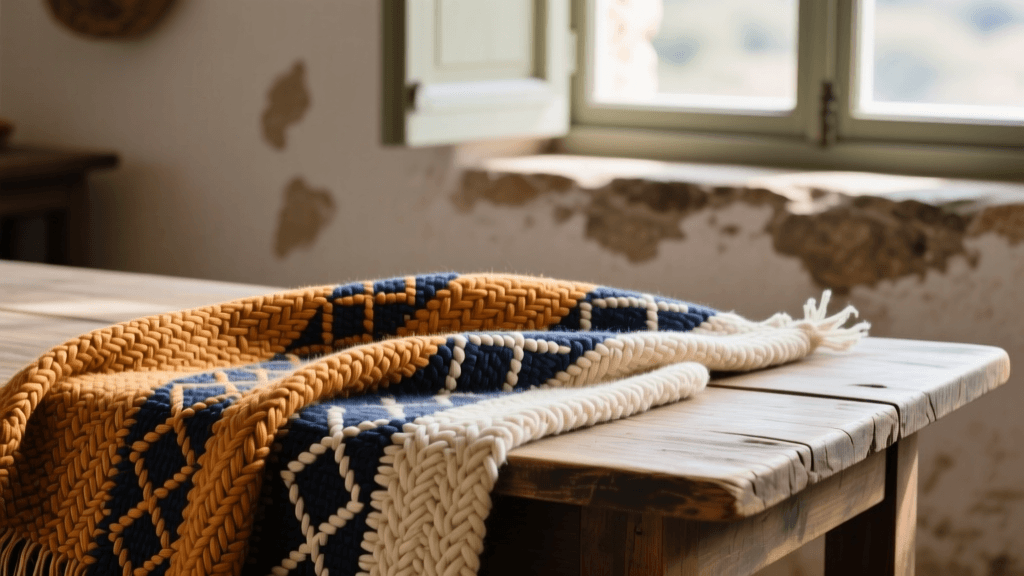
To truly appreciate the value of a pibiones garment or textile in 2026, one must understand the painstaking mechanics of its creation. The term pibiones translates roughly to 'grains' or 'berries' in the Sardinian dialect, a direct reference to the raised, textured bumps that characterize the fabric's surface. This effect is not achieved through embroidery, but rather through a highly specialized supplementary weft technique on a traditional wooden floor loom. The weaver first creates a sturdy, flat ground weave—typically using high-quality, locally spun cotton or linen for the warp and base weft. Then, a thicker, contrasting thread (often wool or a heavier cotton) is introduced. Before beating this supplementary thread into place, the weaver manually loops it over a smooth, polished wooden or metal rod laid across the warp. When the rod is removed, the thread collapses into a series of uniform, raised 'grains' that sit proudly on the surface of the fabric. The resulting textile is incredibly durable, heavily textured, and possesses a three-dimensional quality that modern industrial Jacquard looms simply cannot replicate with the same structural integrity.
The undisputed epicenter of the pibiones tradition is Samugheo, a small commune in the province of Oristano. Walking through the streets of Samugheo in 2026, the rhythmic clacking of wooden looms can still be heard echoing from open doorways and dedicated weaving cooperatives. The ISRE Museo del Costume in Nuoro extensively documents how the geometric patterns of Samugheo textiles—featuring stylized rosettes, diamonds, and fern motifs—serve as a visual language, communicating the wearer's village, social status, and marital availability. While historical folk dress utilized these textiles primarily for heavy skirts, aprons, and bed coverings, contemporary heritage brands have adapted these motifs for modern silhouettes, creating structured jackets, wide-leg trousers, and statement shawls that honor the past while functioning in a modern wardrobe.
Top Heritage Brands and Cooperatives in 2026
Mariantonia Urru
Operating out of Samugheo, the Mariantonia Urru cooperative is arguably the most internationally recognized name in Sardinian heritage textiles. In 2026, the brand continues to champion the use of antique wooden looms while collaborating with contemporary European fashion designers to push the boundaries of traditional folk dress. Their signature pibiones shawls and tailored vests are woven using organically certified cotton and naturally dyed wools. What sets Mariantonia Urru apart this year is their implementation of blockchain-backed NFC tags woven discreetly into the hem of their premium garments. By scanning the tag with a smartphone, buyers can trace the exact artisan who wove the piece, the origin of the raw fibers, and the specific botanical dyes used, offering unparalleled transparency in the heritage fashion market.
Cooperativa Tessitrice di Samugheo
This historic cooperative has been the backbone of the village's textile economy for decades. In 2026, they have focused heavily on preserving the most complex, multi-harness weave structures that were on the brink of extinction. Their current collection features stunning, heavy-weight pibiones coats and wrap skirts that utilize a blend of Sardinian sheep's wool and linen. The cooperative operates as a social enterprise, providing fair-wage employment to local women and ensuring that the economic benefits of the global slow-fashion boom remain within the rural community. Their bespoke service allows clients to commission custom folk-inspired garments, selecting from a library of over 300 historical Samugheo patterns archived from 19th-century trousseaus.
Tessitura Artigiana di Aggius
While Samugheo is famous for the pibiones grain weave, the northern Gallura region, particularly the town of Aggius, is renowned for its flat, tapestry-style wool weaving. For those looking to incorporate broader Sardinian folk dress elements into their 2026 winter wardrobe, the artisans of Aggius produce magnificent, heavy wool capes and ponchos featuring bold, geometric stripes and indigo-dyed yarns. The weavers here utilize massive, centuries-old looms that require two artisans to operate simultaneously for the widest pieces. Their commitment to using only raw, unbleached wool from the indigenous Sarda sheep breed results in garments that are naturally water-resistant and incredibly insulating, perfectly bridging the gap between historical shepherd's gear and modern luxury outerwear.
Authenticity Guide: Handwoven vs. Industrial Imitations
As the demand for European folk dress and heritage textiles has surged, so too has the market for industrial imitations. Mass-produced fabrics that mimic the look of pibiones are frequently imported and sold to unsuspecting tourists and online shoppers. Distinguishing a genuine, handwoven Sardinian textile from a factory-made replica is crucial for collectors and enthusiasts. Below is a comparative guide to help you verify authenticity when shopping in 2026.
| Feature | Authentic Handwoven Pibiones | Industrial Jacquard Imitation |
|---|---|---|
| Texture & Grain | Raised, distinct, 3D bumps that feel firm and structured to the touch. | Flat or slightly embossed; lacks true structural depth and feels soft or spongy. |
| Reverse Side | Shows long, continuous floating threads where the supplementary weft was carried. | Shows a messy, tangled, or tightly bound reverse with no distinct floating threads. |
| Weight & Drape | Heavy, substantial, and holds a rigid, sculptural shape. | Lightweight, flimsy, and drapes like standard commercial cotton. |
| Pattern Alignment | Minor, organic variations in pattern alignment, proving human execution. | Mathematically perfect, laser-aligned repeats with zero deviation. |
| Price Point (per meter) | €180 - €450+ depending on complexity and fiber. | €15 - €40 per meter. |
The 2026 Resurgence of Botanical Dyes
A defining characteristic of the 2026 Sardinian heritage market is the strict return to botanical and mineral dyes, moving away from the synthetic aniline dyes that dominated the late 20th century. Heritage brands are partnering with local agronomists to cultivate historic dye plants. Madder root (Rubia tinctorum) is used to achieve deep, rust-red hues, while walnut husks provide rich, chocolate browns. The most prized and expensive color in the traditional Sardinian palette is a deep, iridescent black, historically achieved through a complex, multi-week fermentation process using iron-rich mud and wild asphodel roots. Brands like Mariantonia Urru have recently revived this exact mud-dyeing technique, offering limited-edition 2026 capsule collections that sell out within hours of release. These natural dyes not only reduce the environmental footprint of the garment but also age beautifully, developing a soft, complex patina that synthetic dyes cannot replicate.
Styling Heritage Textiles for the Modern Era
Integrating heavy, highly textured folk textiles into a contemporary 2026 wardrobe requires a balanced approach. The key is to let the textile serve as the focal point of the outfit. A structured pibiones vest or bolero jacket pairs exceptionally well with minimalist, modern tailoring—think crisp, wide-leg linen trousers or a sleek, monochromatic silk slip dress. Because the weave is inherently thick and sculptural, avoid layering it over bulky knits, which can obscure the intricate grain pattern and add unnecessary volume. For accessories, traditional Sardinian folk dress is historically complemented by elaborate gold and silver filigree jewelry. In 2026, contemporary Sardinian jewelers are creating minimalist interpretations of the traditional bottoni (filigree buttons), allowing you to incorporate subtle metallic accents that echo the island's artisanal heritage without looking like you are wearing a museum reproduction. According to Sardegna Turismo, cultural tourism focused on artisan workshops and bespoke tailoring experiences has become one of the island's fastest-growing sectors, allowing visitors to commission these modern-folk hybrid pieces directly from the source.
Proper Care and Preservation of Wool and Cotton Blends
Investing in authentic Sardinian heritage garments requires a commitment to proper maintenance. The heavy cotton and wool blends used in pibiones weaving are incredibly durable, but they are susceptible to improper washing and storage. Never machine-wash or machine-dry a handwoven pibiones garment. The agitation will cause the wool supplementary weft to felt and shrink, destroying the raised grain structure and warping the cotton warp. Instead, rely on professional dry cleaning, specifically seeking out eco-friendly wet-cleaning specialists who understand heritage textiles. For minor odors or refreshment between wears, air the garment outside in the shade on a dry, breezy day. When storing these pieces for the off-season, avoid wire hangers, which will distort the heavy shoulders of jackets and vests. Use padded, cedar-wood hangers and store the garments in breathable cotton canvas bags. Never use plastic dry-cleaning bags, as they trap moisture and encourage mildew, which can rapidly degrade natural botanical dyes and untreated wool fibers.
The survival and evolution of Sardinian pibiones weaving is a testament to the resilience of European folk dress traditions. By supporting heritage brands and cooperatives in 2026, consumers are not merely purchasing clothing; they are actively funding the preservation of a complex, ancient technology and the rural communities that safeguard it. Whether you are acquiring a bespoke Samugheo vest or a heavy Gallura wool cape, you are wrapping yourself in a living history that continues to redefine the boundaries of sustainable, artisanal fashion.