Sardinian Pibiones Textiles & Heritage Brands Guide 2026
The Enduring Legacy of Sardinian Pibiones Weaving
When discussing the pinnacle of European folk dress and textile heritage, the island of Sardinia stands as a monumental pillar of artisanal craftsmanship. Among its most revered traditions is the Pibiones (or grain) weaving technique, a method that transforms simple wool and cotton into richly textured, three-dimensional fabrics. As of 2026, the global slow-fashion and heritage revival movements have propelled these ancient Sardinian textiles from rural looms to the forefront of sustainable luxury. For collectors, historians, and enthusiasts of the costume sardo (traditional Sardinian dress), understanding the nuances of Pibiones weaving is essential for authenticating and acquiring genuine heritage pieces.
What is the Pibiones Technique?
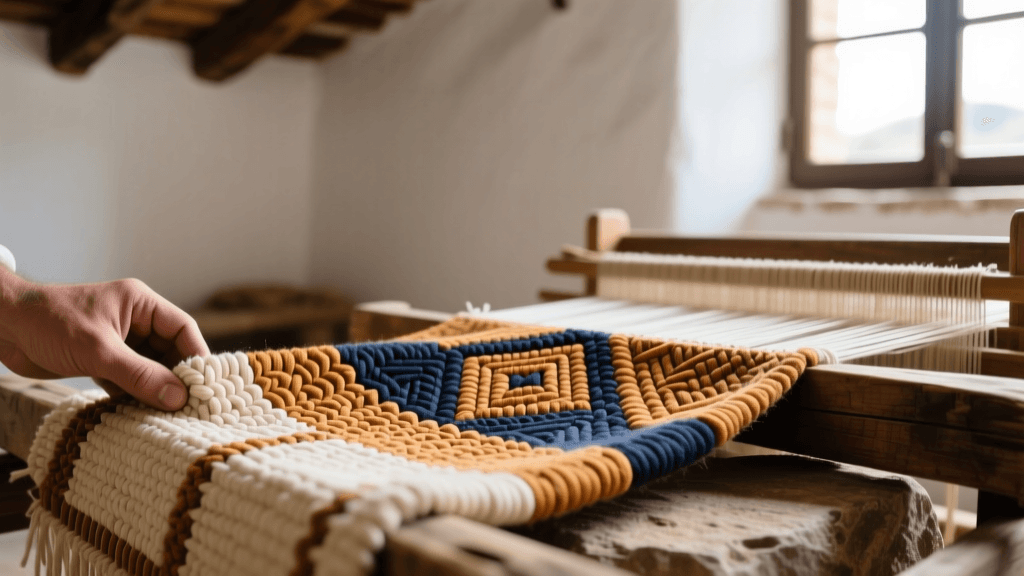
The word pibiones translates to 'grapes' in the Sardinian dialect, a fitting name for the raised, bumpy texture that characterizes this weaving style. The technique involves manually wrapping the weft thread around a smooth wooden or metal rod laid across the warp. When the rod is removed, it leaves behind a raised 'grain' or bump on the surface of the fabric. This meticulous process is executed on traditional wooden floor looms, requiring the weaver to count every single thread to create intricate geometric patterns, stylized flora, and faunal motifs. According to the cultural archives at Sardegna Cultura, this technique has been passed down through generations of women, primarily in the central mountainous regions of the island, serving as a visual language of community identity and familial status.
Pibiones in the Traditional Costume Sardo
The traditional Sardinian dress is not a monolith; it varies drastically from village to village. However, Pibiones textiles are most famously associated with the towns of Samugheo, Isili, and Ploaghe. In these communities, the grain weave was historically reserved for the most sacred and celebratory garments.
Key Garments Featuring Grain Weaving
- Sa Manta (The Shawl): A large, heavy rectangular shawl worn over the shoulders during festivals and weddings. The Pibiones texture provides both insulation against the harsh mountain winds and a striking visual weight.
- Sa Faldeta (The Skirt): While the base of the skirt is often smooth, handwoven Pibiones bands are frequently used as decorative borders or aprons (sa fardetta) to denote the wearer's marital status and village origin.
- Su Cambusciu (The Bodice): Intricate, narrower bands of grain-woven fabric are sometimes integrated into the bodice or used as sashes (sa fascia) to cinch the waist, adding structural support and ornate detailing.
Top Heritage Brands and Artisans in 2026
In 2026, the line between historical preservation and contemporary design is beautifully blurred by a select group of heritage brands and artisanal cooperatives. These entities ensure that the costume sardo remains a living tradition rather than a museum relic.
Mariantonia Urru and the Samugheo Revival
Based in Samugheo, the undisputed capital of Pibiones weaving, the atelier founded by Mariantonia Urru remains the gold standard for heritage textiles. Now operating with a new generation of master weavers in 2026, the brand collaborates with contemporary designers to adapt traditional sa manta patterns into modern home decor and high-fashion accessories. Their commitment to using locally sourced, organic Sardinian sheep wool and natural plant dyes aligns perfectly with the 2026 demand for hyper-local, sustainable luxury.
Tessitura Artigiana Femminile Cooperatives
Across the Barbagia region, women-led cooperatives continue to weave on original 19th-century wooden looms. The Istituto Superiore Regionale Etnografico (ISRE) in Nuoro actively supports these cooperatives, providing grants and exhibition spaces that allow rural artisans to reach international buyers without compromising their traditional methods.
The Anatomy of the Traditional Loom
To appreciate the cost and value of these garments, one must understand the machinery. The traditional Sardinian loom (su telarzu) is a massive, floor-standing wooden structure. The weaver operates multiple treadles with her feet while simultaneously throwing the shuttle and manipulating the Pibiones rod with her hands. A single master weaver can produce only about 30 to 40 centimeters of complex Pibiones fabric per day. This agonizingly slow pace is the primary driver of the textile's exclusivity and high market value in 2026.
2026 Buyer’s Guide: Pricing and Authenticity
As heritage textiles gain traction in the global sustainable fashion market, commercial replicas have flooded the market. Authenticating a genuine Pibiones piece requires examining the reverse side of the fabric; true handwoven grain will show slight irregularities and the distinct loops where the rod was placed, whereas machine-made fakes will have a flat, uniform backing. Below is a comprehensive pricing and sourcing guide for 2026.
| Textile Type | Dimensions | Material | 2026 Price Range (EUR) | Best Heritage Source |
|---|---|---|---|---|
| Sa Manta (Ceremonial Shawl) | 180 x 60 cm | 100% Sardinian Wool | €850 - €1,400 | Samugheo Master Weavers |
| Decorative Runner (Tappeto) | 150 x 40 cm | Wool & Cotton Blend | €350 - €600 | Isili Artisan Cooperatives |
| Costume Sardo Sash (Fascia) | 200 x 15 cm | Hand-spun Wool | €200 - €350 | Mariantonia Urru Atelier |
| Pibiones Accent Cushion | 50 x 50 cm | Cotton & Linen | €120 - €180 | Contemporary Heritage Brands |
Expert Tip for 2026 Buyers: Always request a certificate of authenticity that details the specific village of origin, the name of the weaver, and the type of loom used. The Italian Ministry of Culture (Ministero della Cultura) has been working closely with regional guilds to standardize these certifications, protecting both the artisan and the collector from mass-produced imitations.
How to Care for Handwoven Heritage Textiles
Investing in a piece of Sardinian folk dress or heritage textile requires specialized care to ensure the fibers and natural dyes remain intact for generations.
- Washing: Never machine wash Pibiones wool. The agitation will cause the wool to felt, destroying the raised grain structure. Dry cleaning by a specialist who understands heritage textiles is highly recommended. For cotton blends, gentle hand washing in cold water with a pH-neutral wool wash is acceptable.
- Drying: Never wring or twist the fabric. Roll the textile in a clean, dry towel to press out excess moisture, then lay it flat on a drying rack away from direct sunlight, which can fade natural botanical dyes like walnut hull or madder root.
- Storage: Store wool garments in breathable cotton bags with natural cedar blocks or dried lavender to deter moths. Avoid plastic bins, which trap moisture and promote mold growth in natural fibers.
Integrating Sardinian Textiles into 2026 Interiors and Wardrobes
While acquiring a full, vintage costume sardo is a pursuit best left to serious collectors and museums, integrating Pibiones textiles into modern life is highly encouraged. In 2026, interior designers are utilizing Samugheo runners as dramatic wall hangings, treating them as acoustic and visual art pieces. In the wardrobe, a Pibiones sash can be repurposed as a striking belt over a tailored wool coat, or a vintage sa manta can be draped over a minimalist sofa to introduce profound historical texture into a contemporary space.
Conclusion
The Pibiones weaving tradition of Sardinia is a masterclass in patience, geometry, and cultural pride. As we navigate the fast-paced, mass-produced landscape of 2026, the deliberate, rhythmic clacking of the Samugheo wooden loom serves as a powerful reminder of the value of human hands in the creation of beauty. Whether you are acquiring a ceremonial shawl to preserve a piece of European folk dress history, or simply investing in a heritage brand that supports rural female artisans, Sardinian grain weaving offers a tangible connection to a deeply rooted, vibrant past.