Sardinian Orbace Wool & Pibiones: 2026 Heritage Brand Guide
The Renaissance of Sardinian Textiles in 2026
The island of Sardinia has long been a fortress of cultural preservation, its rugged geography protecting ancient traditions from the homogenizing forces of global fashion. As we navigate the 2026 luxury and slow-fashion landscape, there has been a massive resurgence in demand for hyper-local, artisanal textiles. At the forefront of this movement are two quintessential Sardinian crafts: Orbace wool and the Pibiones weave. No longer confined to museum archives or isolated village festivals, these traditional garments and textiles are being reimagined by contemporary Italian heritage brands. According to the Italian Ministry of Culture, state and regional initiatives in 2026 have heavily subsidized artisanal loom preservation, allowing a new generation of weavers to meet the surging global demand for authentic, sustainable European folk dress.
Understanding Orbace Wool: The Fabric of Sardinian Shepherds
Orbace (or orbaci) is a coarse, highly durable, and naturally water-resistant wool fabric woven from the fleece of the native Sarda sheep. Historically, this dense textile was the lifeline of the Sardinian shepherd, spun and woven into the mastruca (a sleeveless sheepskin or wool vest) and the gabbano (a heavy, hooded cape) to withstand the brutal, wet winds of the Gennargentu mountains during winter.
The creation of Orbace is a labor-intensive process. The wool is washed in local rivers, carded by hand, and spun on traditional drop spindles or spinning wheels before being woven on narrow wooden looms. The resulting fabric is thick, slightly felted, and possesses a natural lanolin coating that repels water. In 2026, heritage tailoring houses are utilizing Orbace not just for historical reproductions, but for structured, luxury outerwear, often lining the coarse wool with fine Como silk to make it comfortable for modern urban wear.
Sourcing and Pricing Authentic Orbace in 2026
Due to the limited number of master weavers and the specific requirements of Sarda sheep farming, authentic hand-woven Orbace is a premium commodity. As of 2026, sourcing raw, hand-loomed Orbace fabric directly from village cooperatives typically costs between €180 and €260 per linear meter. A fully bespoke, tailored Orbace gabbano (cape) from a recognized heritage atelier will range from €1,800 to €3,200, reflecting the hundreds of hours of manual labor involved in the spinning, weaving, and tailoring processes.
The Pibiones Weave: Counting the Grains of Heritage
While Orbace is defined by its rugged utility, the Pibiones weave represents the decorative zenith of Sardinian textile art. The word pibiones translates to 'grains' or 'pips' in the Sardinian language, referring to the raised, textured bumps that characterize this weaving technique. According to the Sardinian Tourism Board, villages like Samugheo, Nule, and Sarule remain the undisputed epicenters of this craft, drawing textile collectors from around the world.
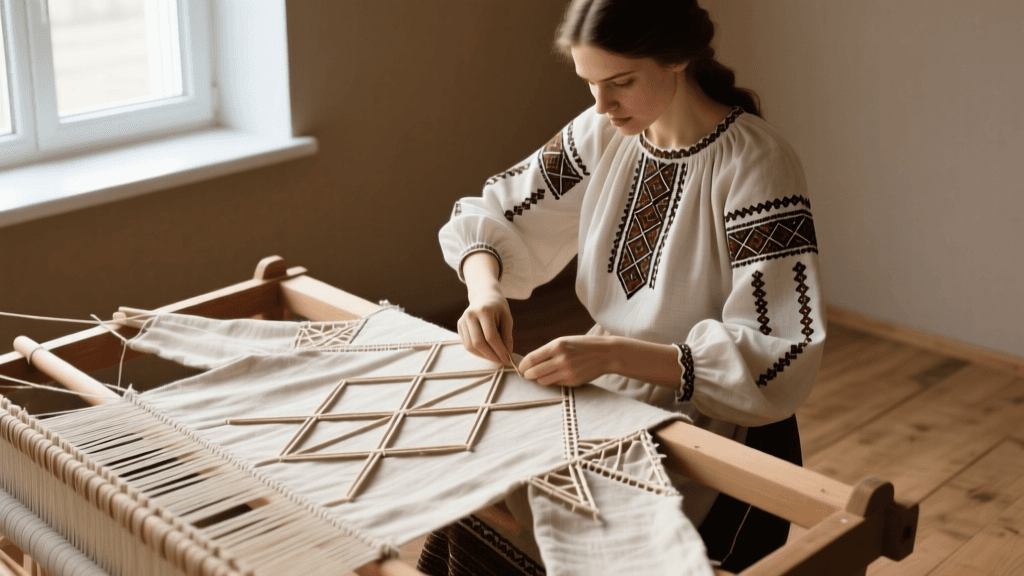
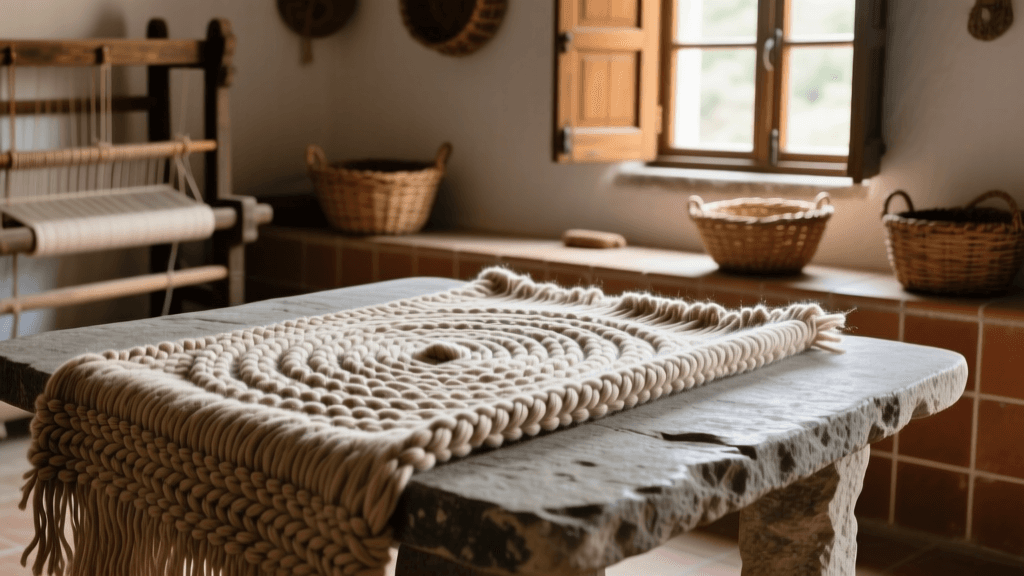
The Pibiones technique is executed on a traditional horizontal floor loom. The weaver uses a long, smooth wooden or metal rod (the verga) placed across the warp threads. As the weft is passed over the rod, it creates a raised loop. Once the row is beaten down tightly with the reed, the rod is removed, leaving a distinct, raised 'grain' on the surface of the fabric. These grains are meticulously counted and arranged to form ancient, symbolic motifs such as sa pramma (the palm tree), su pavoni (the peacock), and the pomegranate, symbolizing fertility and prosperity.
How to Identify Authentic Hand-Loomed Pibiones
With the rise in popularity of Sardinian textiles, the 2026 market has seen an influx of mechanized imitations. To ensure you are investing in genuine folk heritage, look for the following markers:
- The Reverse Side: Authentic hand-loomed Pibiones will show a slightly irregular, continuous weft thread on the back. Mechanized versions often show uniform, cut threads or a perfectly flat reverse.
- Grain Alignment: Hand-made grains will have microscopic variations in height and tension. If the 'pips' look mathematically perfect and machine-stamped, it is likely factory-produced.
- Selvedge Edges: Traditional looms produce narrow fabrics (often 60-80 cm wide). Garments or large blankets will feature visible, hand-stitched seams where panels have been joined, rather than being cut from a single wide bolt of industrial fabric.
Top Italian Heritage Brands Reviving Sardinian Dress
In 2026, several heritage brands and artisanal cooperatives are leading the charge in translating these ancient techniques into contemporary, wearable garments and high-end home textiles. Below is a comparison of the most prominent ateliers currently accepting commissions.
| Heritage Brand / Atelier | Region / Village | Specialty | 2026 Price Range (Outerwear/Apparel) | Commission Lead Time |
|---|---|---|---|---|
| Mariantonia Urru | Samugheo | High-End Pibiones Textiles & Accessories | €650 - €1,400 | 4 - 6 Months |
| Tessitura Artigiana Samughese | Samugheo | Traditional Pibiones & Orbace Blends | €850 - €1,800 | 5 - 7 Months |
| Sartoria Isola (Concept) | Cagliari | Modern Orbace Tailoring & Menswear | €1,500 - €3,200 | 8 - 12 Weeks |
| Artigianato di Nule | Nule | Heavyweight Pibiones Rugs & Capes | €900 - €2,100 | 6 - 9 Months |
Practical Guide: Commissioning a Custom Sardinian Garment
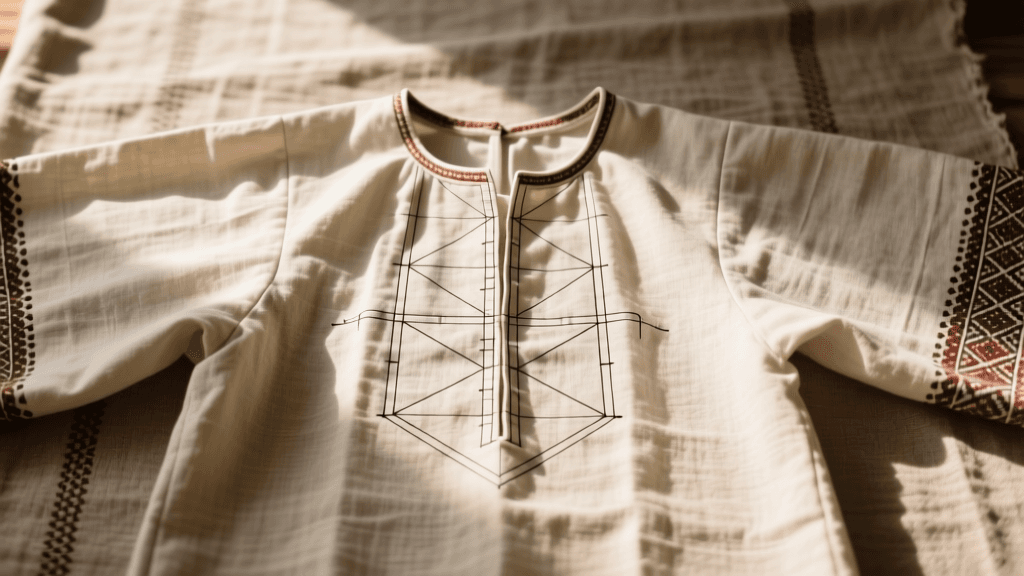
Commissioning a bespoke Orbace vest or Pibiones-lined jacket in 2026 requires patience and precise communication. Because these fabrics are woven on narrow looms, the pattern-making process differs vastly from modern industrial tailoring. When working with a heritage tailor, you must provide specific measurements that account for the stiffness and drape of the hand-woven wool.
Essential Measurements for Traditional Sardinian Vests
- Chest and Waist Circumference: Orbace has zero mechanical stretch. Tailors require exact measurements plus a 2-inch ease allowance for layering over linen shirts.
- Armhole Depth: Traditional Sardinian vests feature high, tight armholes to allow freedom of movement for the arms while keeping the core insulated. Measure from the top of the shoulder down to the armpit crease.
- Back Length: Folk vests typically end precisely at the natural waistline to prevent bunching when wearing a traditional leather belt or cartzera (kilt-like garment).
- Shoulder Slope: Hand-woven wool does not drape or ease like modern worsted wools. The shoulder slope must be mapped perfectly to avoid structural pulling across the upper back.
Natural Dyes and the 2026 Sustainability Standard
The modern luxury consumer demands sustainability, and Sardinian heritage brands are uniquely positioned to deliver. Long before the advent of synthetic aniline dyes, Sardinian weavers utilized the island's rich flora to color their yarns. Today, frameworks supported by UNESCO's Intangible Cultural Heritage initiatives have encouraged a return to these botanical dyeing methods. In 2026, premium heritage brands are proudly labeling their garments with the specific natural dyes used:
- Walnut Husks (Mallo di Noce): Produces deep, rich browns and warm blacks, traditionally used for the base wool of shepherd's garments.
- Madder Root (Rubia Tinctorum): Yields vibrant terracotta reds and soft pinks, often reserved for the intricate Pibiones motifs on festival garments.
- Woad and Indigo: Used to achieve the deep blues found in the traditional skirts and vests of the Nuoro province.
- Saffron and Broom: Creates brilliant, colorfast yellows and golds, symbolizing the sun and the harvest.
Caring for Orbace and Pibiones Textiles
Investing in a heritage Sardinian garment is an investment in a piece of living history. Proper maintenance is crucial to ensure the textile lasts for generations. Orbace and Pibiones require specialized care that differs significantly from modern commercial wools.
- Avoid Traditional Washing: Never submerge hand-loomed Orbace or Pibiones in water. The agitation and temperature changes will cause the untreated wool to felt and shrink catastrophically.
- Airing and Brushing: To clean the garment, hang it outside in a shaded, breezy area for 24 hours to allow odors to dissipate. Use a natural boar-bristle brush to gently sweep away dust and dirt from the surface of the wool.
- Spot Cleaning: For minor stains, use a barely damp cloth with a pH-neutral wool detergent, dabbing gently without rubbing the fibers.
- Professional Conservation: For deep cleaning or structural repairs, seek out a dry cleaner who specializes in historical textiles or antique tapestries. Standard commercial dry-cleaning chemicals can strip the natural lanolin from the Orbace, leaving it brittle.
- Storage: Store garments in breathable cotton canvas bags with natural cedar blocks or dried lavender to deter moths. Never use plastic, as it traps moisture and promotes mold growth in natural fibers.
Conclusion: Wearing the Island's Heritage
The revival of Sardinian Orbace wool and the Pibiones weave in 2026 represents a profound shift in how we value European folk dress. It is no longer about purchasing a mass-produced souvenir; it is about engaging in a slow, deliberate relationship with the artisans who keep these ancient looms humming. Whether you are commissioning a structured Orbace overcoat for winter in Milan or acquiring a hand-loomed Pibiones vest for a cultural festival, you are participating in the preservation of one of Europe's most resilient and beautiful textile traditions. By supporting these heritage brands, we ensure that the rhythmic clack of the wooden loom continues to echo through the valleys of Sardinia for centuries to come.