Reviving Sardinian Orbace Wool: Top Heritage Brands in 2026
The Enduring Legacy of Sardinian Orbace Wool
When discussing European folk dress, few textiles possess the rugged elegance and profound cultural weight of Sardinian orbace. Historically worn by the island's shepherds and rural communities, orbace is a coarse, densely woven, and naturally water-resistant wool that has defined the silhouette of Sardinian traditional garments for centuries. As of 2026, the global shift toward sustainable, hyper-local, and historically accurate heritage fashion has sparked a massive renaissance for this ancient textile. Today, a new generation of Sardinian heritage brands and artisanal cooperatives is reviving the traditional loom techniques, bringing the iconic mastruca (shepherd's vest) and gonnella (pleated skirt) into contemporary wardrobes without sacrificing their ethnographic integrity.
Unlike the mass-produced wools of the fast-fashion era, authentic orbace is spun from the fleece of indigenous Sardinian sheep breeds, such as the Pinzirita and the Sarda Black sheep. The wool retains a high concentration of natural lanolin, which, when combined with the traditional fulling process, creates a fabric that is virtually windproof and highly repellent to rain. According to regional preservation guidelines outlined by Sardegna Beni Culturali, the protection of these traditional looms and the safeguarding of indigenous sheep breeds are currently top priorities for the Ministry of Culture's 2026 ethnographic initiatives.
Anatomy of Traditional Sardinian Garments
The Mastruca
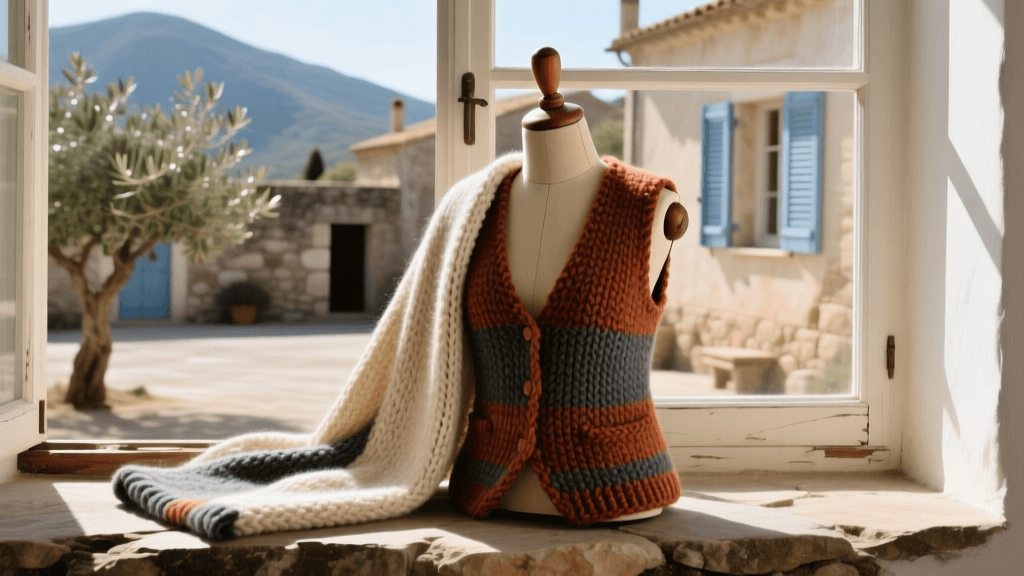
The mastruca is arguably the most recognizable piece of Sardinian folk dress. It is a sleeveless vest, typically crafted from black or dark brown orbace, designed to be worn over a white linen shirt (camisa). The garment features a distinct, boxy cut with wide armholes, allowing for maximum mobility during pastoral work. In 2026, heritage brands are offering the mastruca with subtle modern tailoring adjustments—such as slightly tapered hems and reinforced interior silk linings—making it a striking outerwear piece for modern winter layering while maintaining its historical silhouette.
The Gonnella and Ragas
For women, the gonnella is a heavy, deeply pleated orbace skirt, often bordered with vibrant red or saffron-yellow wool trim. The weight of the orbace allows the pleats to hold their structure even in the fierce Mediterranean winds. Men historically wore ragas, a kilt-like garment of orbace worn over white linen trousers. While the ragas is now mostly reserved for folkloric festivals like the Sagra di Sant'Efisio, the gonnella has been adapted by contemporary heritage ateliers into wrap-skirts and structured coats that celebrate the textile's dramatic drape.
The 2026 Landscape: Heritage Brands and Artisanal Cooperatives
In 2026, the revival of European folk dress has moved beyond mere museum preservation. Supported by broader cultural tourism initiatives highlighted by official Italian cultural tourism boards, consumers are increasingly seeking direct relationships with the artisans weaving these garments. Here are the premier heritage brands and cooperatives currently leading the orbace revival.
1. Tessitura Artigiana Murenu
Located in the mountainous Barbagia region, Tessitura Murenu has spent the last decade perfecting the 'gualchiera' (fulling) process using restored 19th-century wooden water mills. Their 2026 spring collection features a lightweight, summer-weight orbace blended with organic Sardinian cotton, designed specifically for transitional weather. Their signature piece, the Mastruca Nera Classica, retails for €680 and features hand-stitched lapels dyed using fermented walnut husks.
2. Cooperativa Isola Nera
This women-led cooperative in Oristano focuses on the ceremonial aspects of Sardinian dress. They specialize in the gonnella, utilizing natural mordants like pomegranate rind and madder root to achieve the vibrant crimson borders characteristic of festival wear. In 2026, they introduced a 'Heritage Capsule' that includes a modernized orbace wrap coat, priced at €1,250, which adapts the traditional pleating technique for everyday urban wear.
3. Atelier Lanolin & Loom
A newer entrant to the 2026 market, this Cagliari-based studio bridges the gap between raw ethnographic artifact and high-end contemporary fashion. They source exclusively from free-roaming flocks in the Gennargentu massif. Their unlined, raw-edge orbace capes have become highly sought after by collectors of avant-garde European folk dress, with prices starting at €550.
2026 Buyer’s Comparison Chart: Orbace Garments
When investing in authentic Sardinian wool, understanding the weave density and intended use is crucial. Below is a comparison of the primary orbace garment types available from heritage brands this year.
| Garment Type | Weave Density | Average 2026 Price | Best Use Case |
|---|---|---|---|
| Mastruca (Vest) | Medium-Heavy (Twill) | €550 - €800 | Winter layering, formal folk events |
| Gonnella (Skirt) | Heavy (Plain/Twill) | €900 - €1,400 | Ceremonial wear, structured outerwear |
| Orbace Cape | Heavy (Felted/fulled) | €450 - €700 | Outdoor wear, wind/rain protection |
| Summer Orbace Wrap | Light (Blended/Cotton) | €300 - €450 | Transitional weather, casual styling |
Authenticity Markers: Spotting True Orbace in 2026
As demand for regional European folk dress has surged, the market has seen an influx of industrially woven imitations. To ensure you are purchasing authentic, hand-loomed Sardinian orbace, look for the following markers:
- The Scent Test: Authentic, traditionally fulled orbace retains a faint, earthy scent of raw lanolin and woodsmoke from the fulling mills. Industrial wools are heavily scoured and chemically stripped, leaving no natural odor.
- The Water Bead Test: Due to the high lanolin content and tight mechanical beating during the fulling process, genuine orbace will cause water to bead up and roll off the surface for several minutes before absorbing.
- Selvedge Inspection: Hand-loomed orbace will feature slightly irregular, organic selvedge edges. Many heritage brands leave these raw edges exposed as a mark of authenticity and artisanal pride.
- Certification Tags: Look for the 2026 'Tessuto Sardo D.O.C.' tag, a newly implemented regional consortium mark that guarantees the wool was sourced, spun, and woven entirely on the island.
Care and Maintenance of Orbace Wool
Caring for orbace requires a departure from modern garment maintenance habits. The natural oils that give the wool its weather-resistant properties can be easily destroyed by harsh chemicals.
Never dry-clean authentic orbace. The perchloroethylene used in standard dry cleaning will strip the wool of its natural lanolin, leaving the garment brittle, matte, and vulnerable to moisture.
Instead, spot clean stains with a damp cloth and a mild, pH-neutral olive oil soap. For deep cleaning, submerge the garment in cool water with a specialized wool wash, gently pressing the water through the fibers without agitating or wringing, which can cause the heavily fulled wool to shrink further. Always dry the garment flat in the shade; direct Mediterranean sunlight can fade the natural walnut and madder dyes. During the summer months, store your orbace pieces in breathable cotton garment bags alongside cedar blocks to deter moths naturally.
Conclusion
The resurgence of Sardinian orbace wool in 2026 represents a triumph of cultural preservation meeting modern sustainable fashion. By investing in garments from dedicated heritage brands and cooperatives, collectors and enthusiasts are not merely buying a piece of clothing; they are funding the survival of ancient looms, indigenous sheep breeds, and the rich, rugged soul of Sardinian folk dress. Whether you are donning a classic black mastruca or a modernized orbace wrap, you are wearing a living, breathing piece of European textile history.