Sardinian Orbace Wool Garments & Heritage Brands 2026
The Renaissance of Sardinian Orbace Wool in 2026
In the rugged, windswept interior of Sardinia, a textile tradition that once clothed ancient shepherds is experiencing a profound renaissance in 2026. Orbace (or orbaci), a coarse, highly durable, and naturally water-resistant wool woven from the fleece of the indigenous Sardinian sheep, has transitioned from a symbol of rural poverty to a coveted material in the modern slow-fashion and heritage menswear movements. As global consumers increasingly demand traceable, biodegradable, and historically rich garments, Sardinian heritage brands and artisanal cooperatives are meeting the moment, blending centuries-old loom techniques with contemporary silhouettes.
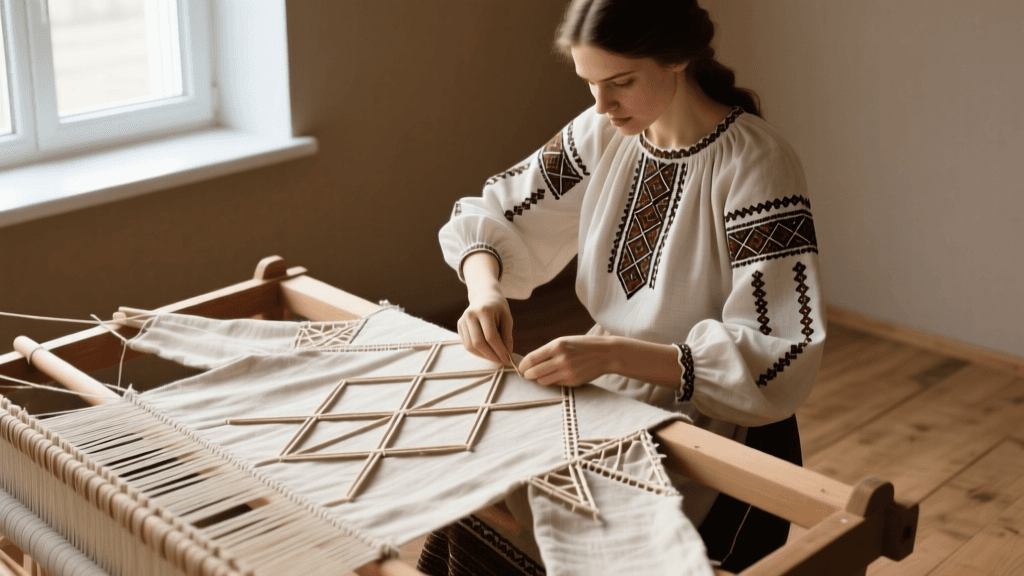
According to cultural preservation data from Sardegna Cultura, the island's textile heritage is deeply intertwined with its micro-regions, with towns like Samugheo, Nule, and Bonorva each boasting distinct weaving patterns and dyeing methods. In 2026, regional grants supporting the Artigianato Sardo initiative have empowered a new generation of weavers to restore antique wooden looms (telaio) and revive natural dyeing practices that had nearly vanished by the late 20th century.
Anatomy of Traditional Sardinian Garments
To understand the current market for Sardinian heritage wear, one must first understand the foundational garments that define the island's folk dress. These pieces were engineered for the harsh Mediterranean winters and the rugged terrain of the Barbagia region.
The Mastruca (Shepherd's Cape)
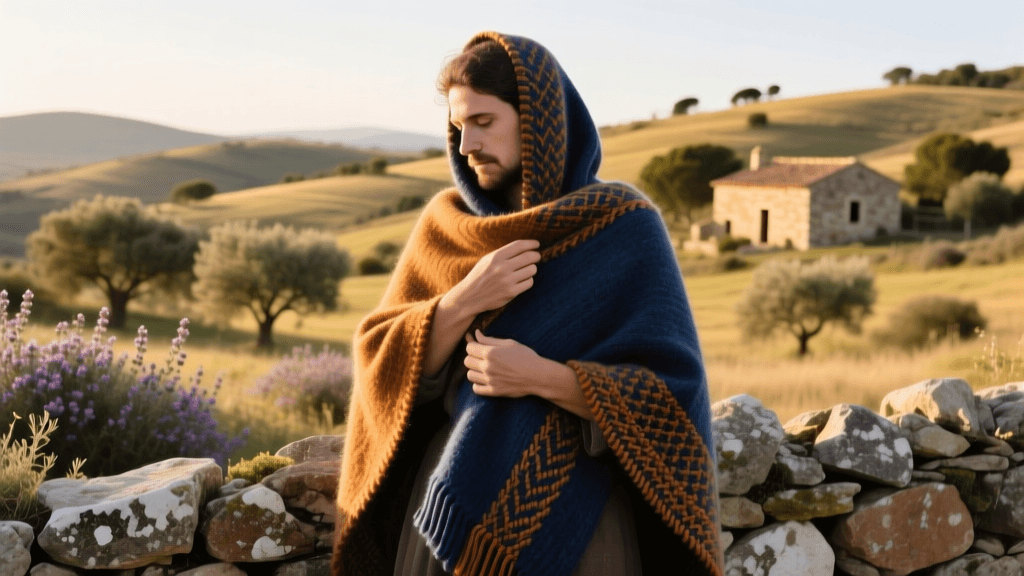
The mastruca is arguably the most iconic piece of Sardinian outerwear. Traditionally crafted from untreated, coarse sheepskin or heavy orbace wool, it is a sleeveless, knee-length cape designed to be worn over the shoulders. The natural lanolin left in the wool makes it virtually impervious to rain and snow. In 2026, contemporary heritage ateliers are offering the mastruca in refined, tailored cuts suitable for urban winter wear, often lined with organic Sardinian linen or silk to reduce the scratchiness against the skin while maintaining the garment's legendary weather resistance.
The Beritta (Traditional Cap)
The beritta is a long, tubular cap woven from fine orbace or softer pannu (a finer grade of Sardinian wool). Historically worn by men across all social classes, it can be styled in multiple ways: folded back on itself, draped over one shoulder, or worn like a modern beanie. Today, heritage brands produce the beritta in a spectrum of natural, undyed shades—from deep charcoal (dyed with walnut husks) to creamy ivory.
The Cambusciu and Tibialis
These are traditional gaiters or leggings, woven from heavy orbace and secured with leather straps or woven wool ties. They protected the lower legs from thorny scrub and biting winds. Modern interpretations by Sardinian designers in 2026 often adapt the cambusciu into structured, wrap-around winter leg warmers or avant-garde boot toppers that pair seamlessly with modern leather footwear.
Top Heritage Brands & Artisan Cooperatives
Sourcing authentic orbace requires navigating a landscape of small-batch artisans and historic cooperatives. The ISRE (Istituto Superiore Regionale Etnografico) actively documents and supports these master weavers, ensuring the survival of indigenous techniques. Here are the premier sources for authentic Sardinian wool garments in 2026.
- Mariantonia Urru (Samugheo): A pioneer in elevating Sardinian textiles to the luxury market. Urru's atelier collaborates with international designers while strictly employing local weavers. Her 2026 collection features orbace-blend throws and contemporary capes that utilize traditional trama (weft) techniques but incorporate softer merino blends for everyday luxury.
- Tessitura Artigianale di Nule: This cooperative focuses on raw, unadulterated orbace. They are the go-to source for purists seeking traditional, heavy-weight mastruca capes and undyed wool blankets. Their pieces are characterized by the distinct, earthy scent of raw lanolin and irregular, hand-spun yarn textures.
- Su Trobisci (Samugheo): Known for their intricate tapestry work and the use of natural dyes like wild asphodel and pomegranate rinds. While they specialize in home textiles, their bespoke outerwear commissions—particularly heavy wool shawls and capes—are highly sought after by collectors of European folk dress.
2026 Sardinian Heritage Garment Sourcing & Pricing Guide
Commissioning or purchasing authentic, hand-loomed orbace is an investment in slow fashion. Due to the labor-intensive nature of hand-spinning and wooden-loom weaving, lead times can be substantial. Below is a comparative guide to help buyers navigate the 2026 market.
| Garment Type | Primary Material | Avg. 2026 Price (EUR) | Lead Time | Best For |
|---|---|---|---|---|
| Bespoke Mastruca Cape | 100% Coarse Orbace / Sheepskin | €950 - €1,400 | 8 - 12 Weeks | Harsh winters, heritage collectors, outerwear layering |
| Traditional Beritta Cap | Fine Pannu / Soft Orbace | €120 - €180 | 2 - 4 Weeks | Everyday cold-weather accessory, minimalist styling |
| Hand-Woven Wool Shawl | Orbace & Linen Blend | €350 - €550 | 4 - 6 Weeks | Transitional weather, luxury travel, draping |
| Cambusciu Leg Wraps | Heavyweight Orbace | €220 - €300 | 3 - 5 Weeks | Avant-garde styling, equestrian wear, rural outdoor work |
How to Identify Authentic Hand-Woven Orbace
With the rise in demand for heritage textiles, machine-made imitations of Sardinian wool have flooded tourist markets. To ensure you are purchasing genuine artisanal orbace in 2026, look for the following markers:
- The Selvedge Edge: Authentic hand-loomed orbace will have a slightly irregular, tightly woven selvedge edge. Machine-made fabrics often have perfectly uniform, laser-cut, or overlocked edges.
- Yarn Irregularity: Hand-spun Sardinian wool features microscopic slubs and variations in thickness. This gives the fabric its characteristic rustic texture and visual depth, which cannot be perfectly replicated by industrial spinning machines.
- The Lanolin Scent: Traditional orbace is washed in local river water and retains a high percentage of natural lanolin. It should have a faint, earthy, sheep-wool scent, especially when slightly damp. Over-processed commercial wool is chemically stripped and odorless.
- Natural Dye Variations: If the garment is dyed black or dark brown using traditional walnut husks (s'abba de nughe), the color will have subtle, organic variations and a rich, matte depth rather than a flat, synthetic sheen.
Care and Maintenance for Coarse Wool Textiles
Orbace is incredibly resilient, but its coarse nature and high lanolin content require specific care protocols to ensure the garment lasts for generations.
Washing and Spot Cleaning
Never machine-wash or dry-clean authentic orbace. The harsh chemicals in dry cleaning will strip the wool of its natural lanolin, destroying its water-resistant properties and leaving the fibers brittle. Instead, rely on the wool's natural self-cleaning properties. Air the garment outside on a dry, breezy day to release odors. For localized stains, use a damp cloth with a mild, pH-neutral wool soap, gently dabbing the area without agitating the fibers to prevent felting.
Storage and Moth Prevention
During the warmer months of 2026, store your mastruca or orbace shawls in a breathable cotton garment bag. Avoid plastic covers, which trap moisture and encourage mildew. To protect against clothes moths, which are highly attracted to the keratin in natural sheep's wool, place blocks of untreated Sardinian cedar or small sachets of dried lavender in the storage area. Inspect the garments monthly during the summer to ensure no pests have taken residence in the dense weave.
Styling Heritage Wool in the Modern Wardrobe
The beauty of Sardinian folk dress lies in its functional architecture. In 2026, the most compelling way to wear a traditional mastruca or heavy orbace shawl is through high-contrast styling. Pair the rugged, voluminous silhouette of an undyed orbace cape with sharply tailored, modern garments—such as crisp Italian linen trousers, a fine-gauge merino turtleneck, and sleek leather Chelsea boots. This juxtaposition honors the garment's pastoral roots while firmly establishing it as a statement piece in contemporary European heritage fashion.
By investing in these meticulously crafted garments, collectors and fashion enthusiasts alike are not merely buying a piece of clothing; they are actively participating in the preservation of Sardinia's rich, tactile history, ensuring that the rhythmic clatter of the wooden loom continues to echo through the island's valleys for decades to come.