Sardinian Orbace Wool: 2026 Guide to Heritage Artisan Brands
The Enduring Legacy of Sardinian Orbace Wool
Deep within the rugged, mountainous interior of Sardinia lies one of Europe’s most resilient and fascinating textile traditions: the weaving of Orbace wool. For centuries, this coarse, water-resistant fabric has been the cornerstone of Sardinian regional folk dress, serving as essential protection for shepherds navigating the harsh winds of the Gennargentu massif. Today, in 2026, Orbace wool has transcended its purely utilitarian roots. It is now celebrated by heritage brands, slow-fashion cooperatives, and textile preservationists who recognize its unparalleled durability and deep cultural significance.
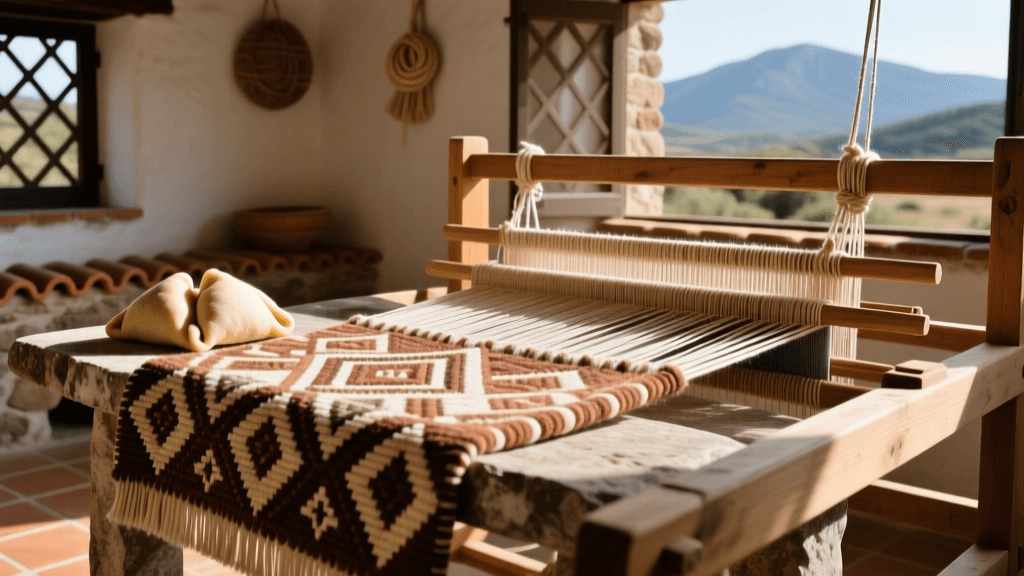
Orbace is traditionally woven from the raw, unspun, or lightly spun wool of native Sardinian sheep breeds. The wool is rich in natural lanolin, which, when woven tightly on a traditional wooden loom (telaio), creates a remarkably dense, windproof, and water-repellent textile. According to cultural preservation initiatives tracked by the Italian Ministry of Culture, the survival of traditional weaving techniques in Sardinia is a priority for safeguarding intangible regional heritage, making authentic Orbace garments highly sought after by collectors and folk dress enthusiasts worldwide.
Anatomy of the Traditional Sardinian Shepherd’s Ensemble
To understand the value of Orbace wool, one must examine the traditional garments it was designed to produce. The classic Sardinian shepherd's attire is a masterclass in functional, regional design, with each piece serving a specific purpose in the Mediterranean highlands.
The Mastruca and Gabbano (Outerwear)
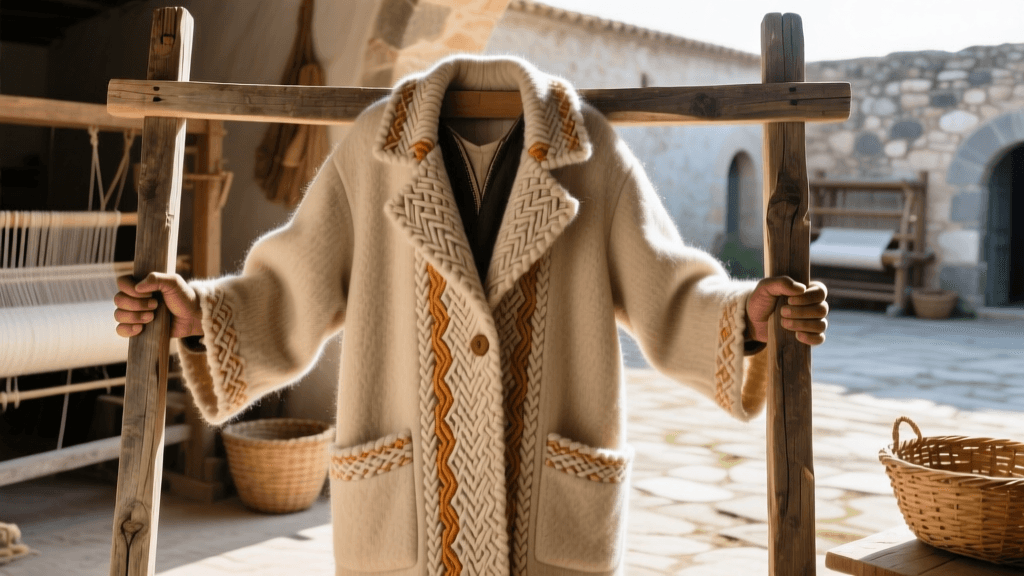
The most iconic use of Orbace wool is the mastruca or gabbano—a heavy, sleeveless or short-sleeved shepherd’s coat. Typically dyed deep brown or black using natural walnut husks or left in the natural cream of the sheep’s fleece, the mastruca is designed to be worn with the woolly side facing inward for insulation or outward to shed rain. In 2026, heritage tailors in towns like Orgosolo and Desulo still cut these coats using zero-waste pattern drafting, a geometric technique that utilizes every inch of the handwoven cloth.
The Berritta and Cartzas (Accessories)
While the mastruca protects the torso, the berritta (a long, tubular woolen cap) and the cartzas (woven wool leggings) complete the ensemble. The cartzas are particularly notable; they are wrapped tightly around the lower leg and secured with leather garters, providing crucial support and warmth during long treks over rocky terrain. Modern heritage brands have begun adapting the cartzas pattern into contemporary leg-wraps and winter gaiters, blending historical accuracy with modern outdoor utility.
The 2026 Revival: Heritage Cooperatives and Slow Fashion
The market for authentic European folk dress has shifted dramatically over the last few years. In 2026, consumers are heavily favoring verifiable, artisan-made garments over mass-produced 'costume' replicas. Sardinian weaving cooperatives have stepped up to meet this demand, organizing under regional guilds to ensure fair wages for master weavers and ethical sourcing of raw wool.
Organizations supported by the Regione Autonoma della Sardegna have implemented strict certification processes to protect the 'Sardegna Artigianato' (Sardinian Craftsmanship) label. When purchasing an Orbace garment today, buyers are encouraged to look for this certification, which guarantees that the textile was spun, dyed, and woven on the island using traditional methods, rather than imported from industrial mills abroad.
2026 Sourcing Guide: Pricing and Authenticity
Acquiring an authentic Orbace wool garment is an investment in slow fashion and living history. Due to the scarcity of master weavers and the rising costs of ethically sourced raw wool, prices for genuine heritage pieces have adjusted in 2026. Below is a comprehensive market guide for collectors, historians, and fashion enthusiasts looking to source authentic Sardinian woolens.
| Garment Type | 2026 Avg Price (EUR) | Lead Time | Best Sourcing Hub |
|---|---|---|---|
| Bespoke Mastruca Coat | €950 - €1,400 | 3 - 5 Months | Orgosolo / Nuoro |
| Heritage Orbace Vest (Gilet) | €350 - €550 | 4 - 6 Weeks | Desulo / Cagliari |
| Traditional Cartzas (Leggings) | €180 - €280 | 2 - 4 Weeks | Oliena / Mamoiada |
| Raw Orbace Wool Fabric (per meter) | €120 - €180 | In-Stock | ISOLA Cooperatives |
Where to Buy in 2026
For the most authentic experience, sourcing directly from the artisan hubs of the Barbagia region is highly recommended. The Sardegna Turismo board frequently highlights annual artisanal fairs, such as the Fiera dell'Artigianato in Cagliari and the local patron saint festivals in Nuoro, where master weavers sell directly to the public. If traveling to Sardinia is not feasible, several verified heritage cooperatives now offer international shipping through their digital storefronts, complete with certificates of authenticity and loom-signature tags.
Identifying True Orbace vs. Industrial Imitations
As the aesthetic of rustic, heritage folk dress grows in popularity, the market has seen an influx of industrial imitations. To ensure you are purchasing true Orbace wool in 2026, conduct the following sensory and structural checks:
- The Lanolin Test: Authentic Orbace retains a high lanolin content. Rub the fabric vigorously between your fingers; it should feel slightly waxy and emit a faint, natural, earthy scent. Industrial wools are heavily scoured and stripped of these natural oils.
- The Weave Irregularity: Handwoven Orbace on a traditional wooden loom will feature microscopic irregularities in the weft. A perfectly uniform grid indicates machine milling.
- The Selvedge Edge: Traditional looms produce a natural, tightly bound selvedge edge that does not fray. Master tailors often leave this edge visible on the interior seams of a mastruca as a mark of pride and proof of hand-weaving.
- Natural Dye Variations: If the garment is dyed black or brown using traditional walnut husks (mallone di noce), the color will have subtle, organic depth and may show slight variations in the yarn, unlike the flat, synthetic uniformity of chemical dyes.
Garment Care: Maintaining Orbace Wool for Generations
Orbace wool is famously durable—historical mastrucas have been known to last for multiple generations, often passed down from father to son. However, maintaining the structural integrity and water resistance of the lanolin-rich wool requires specific care protocols in a modern setting.
Cleaning and Washing
Never machine wash or dry clean authentic Orbace wool using harsh chemical solvents, as this will strip the lanolin and destroy the fabric's natural water resistance. Instead, rely on the wool's self-cleaning properties. Hang the garment outside in a humid, breezy environment (such as a balcony on a foggy morning) to allow the fibers to naturally release odors and dust. For localized stains, use a damp cloth with a tiny amount of pH-neutral, lanolin-enriched wool soap, dabbing gently without agitating the fibers to prevent felting.
Storage and Moth Prevention
Like all natural animal fibers, Orbace is susceptible to clothes moths. When storing your heritage garments during the warmer months, ensure they are completely dry. Store them in breathable cotton garment bags—never plastic, which traps moisture and promotes mildew. Place blocks of untreated cedar wood or small sachets of dried lavender and rosemary inside the bag. These natural botanicals deter pests without introducing synthetic chemical odors into the porous wool.
The Future of Sardinian Textile Heritage
The preservation of Sardinian Orbace wool is about more than just maintaining a historical costume; it is an active resistance against the homogenization of global fashion. By supporting heritage cooperatives and investing in authentic regional garments, collectors and enthusiasts in 2026 are directly funding the apprenticeship of a new generation of weavers. Whether worn as a striking, avant-garde winter coat or preserved as a museum-grade artifact of European folk dress, the Sardinian mastruca remains a powerful testament to the ingenuity and resilience of Mediterranean textile craftsmanship.