Sardinian Orbace Wool Garments & Heritage Weavers 2026
The Revival of Sardinian Orbace Wool in 2026
As the global fashion landscape in 2026 continues its decisive pivot toward slow fashion, sustainability, and deep cultural heritage, few European textile traditions command as much respect as the weaving of Sardinian Orbace. Originating from the rugged, mountainous interior of Italy's second-largest island, Orbace (or orbaci) is a coarse, hand-spun, and hand-woven wool that has clothed Sardinian shepherds, farmers, and nobility for centuries. Today, this historic fabric is experiencing a renaissance, championed by a new generation of heritage brands and artisan cooperatives dedicated to preserving the island's sartorial identity.
Unlike mass-produced modern wools, authentic Orbace retains a high concentration of natural lanolin, making it remarkably water-resistant and windproof—essential traits for surviving the harsh winters of the Gennargentu massif. According to cultural preservation data highlighted by the Regione Autonoma della Sardegna's cultural portal, the demand for authentic, loom-woven regional garments has surged over the past three years, driven by both international collectors and a renewed sense of local pride among young Sardinians.
The Anatomy of Traditional Sardinian Dress
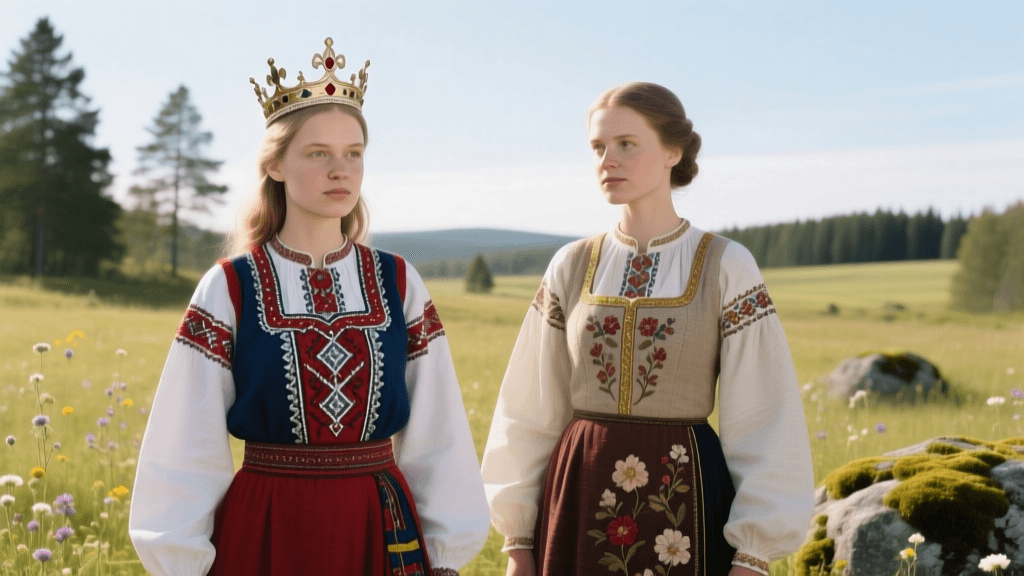
To understand the value of Orbace, one must examine the iconic garments it produces. The traditional Sardinian folk dress is not a monolith; it varies drastically from the Barbagia highlands to the coastal Gallura region. However, several key garments remain central to the island's heritage wardrobe.
Su Gabbanu (The Hooded Cloak)
The gabbanu is perhaps the most recognizable piece of Sardinian outerwear. It is a heavy, sleeveless, hooded cloak woven entirely from Orbace wool. Traditionally worn by shepherds to withstand freezing rain and biting winds, the gabbanu is cut in a semicircle and draped over the shoulders. In 2026, heritage tailors in Nuoro and Orani are producing bespoke gabbanu capes that feature intricate velvet collars and subtle geometric embroidery along the hood's edge, bridging the gap between pastoral utility and high-end heritage outerwear.
Sas Ragas (The Shepherd's Kilt)
Predominantly worn in the central mountainous regions, sas ragas is a pleated skirt or kilt made from Orbace or a heavy wool-linen blend. Worn over white linen trousers (cartzones), it provides warmth and mobility. While historically a male garment, contemporary Sardinian designers have reimagined the ragas silhouette for all genders, showcasing the fabric's incredible structural drape during Milan Fashion Week's artisan showcases in early 2026.
Su Colettu (The Leather and Wool Vest)
A staple of the Barbagia region, the colettu is a fitted vest crafted from sheepskin or heavy Orbace wool, often adorned with brass buttons and leather trim. It serves as a core insulating layer during the vibrant spring festivals, such as the Cavalcata Sarda in Sassari and the Sagra di Sant'Efisio in Cagliari, where thousands of locals don their meticulously preserved ancestral garments.
2026 Guide to Heritage Weavers and Cooperatives
Sourcing authentic Orbace requires bypassing commercial souvenir shops and connecting directly with the island's weaving cooperatives. The Fondazione Cologni dei Mestieri d'Arte has frequently recognized Sardinian weaving cooperatives for their role in keeping endangered European crafts alive. Here are the premier sources for authentic garments and textiles in 2026.
- Cooperativa Tessile di Samugheo: Located in the heart of the island, Samugheo is Sardinia's weaving capital. While globally famous for their tappeti (rugs) featuring the traditional pibiones (raised grain) technique, the cooperative's master weavers also produce limited runs of Orbace shawls and heavy wool fabric by the meter. Expect to pay approximately €95 per meter for authentic hand-loomed Orbace.
- Tessitura Artigianale di Aggius: Situated in the Gallura region, this workshop specializes in lighter wool blends and intricate, multi-colored striped patterns unique to the north. They are the premier destination for custom gabbanu commissions, with lead times currently stretching to four months due to high demand.
- Artigiani del Gennargentu (Desulo): A collective of tailors and weavers in the high-altitude village of Desulo. They specialize in the darkest, heaviest grades of Orbace, dyed using traditional walnut husk methods. A fully bespoke, tailored colettu from this collective averages €650 in 2026.
Material Comparison: Orbace vs. Modern Heritage Wools
How does Sardinian Orbace compare to other celebrated European heritage wools? The table below outlines the technical and aesthetic differences for collectors and enthusiasts evaluating their outerwear investments this year.
| Feature | Sardinian Orbace | Alpine Loden | Standard Merino |
|---|---|---|---|
| Fiber Origin | Sarda Sheep (Indigenous) | Tyrolean Mountain Sheep | Merino Sheep (Global) |
| Weight (GSM) | 450 - 650 | 350 - 500 | 150 - 250 |
| Water Resistance | High (Natural Lanolin) | Very High (Milled/Felted) | Low (Requires DWR Coating) |
| Texture & Drape | Coarse, Rustic, Structured | Felted, Smooth, Heavy | Fine, Soft, Fluid |
| 2026 Avg. Price (per meter) | €85 - €130 | €70 - €110 | €30 - €60 |
| Primary Use | Cloaks, Vests, Folk Dress | Overcoats, Capes, Jackets | Base Layers, Suits, Knitwear |
The Alchemy of Natural Dyes and the Loom
The visual language of Sardinian folk dress is inextricably linked to the island's flora. In 2026, the most prestigious heritage brands have completely abandoned synthetic dyes in favor of historical, botanical alternatives. The Italian Ministry of Culture has actively supported grants for artisan workshops that maintain these traditional dyeing practices, recognizing them as vital intangible cultural heritage.
"The color of a traditional Sardinian garment tells you exactly where the weaver foraged. The deep burgundies come from madder root, the vibrant yellows from wild saffron, and the rich, earthy browns from the husks of local walnuts. To wear Orbace is to wear the landscape itself." — Elena Marras, Master Weaver, Samugheo.
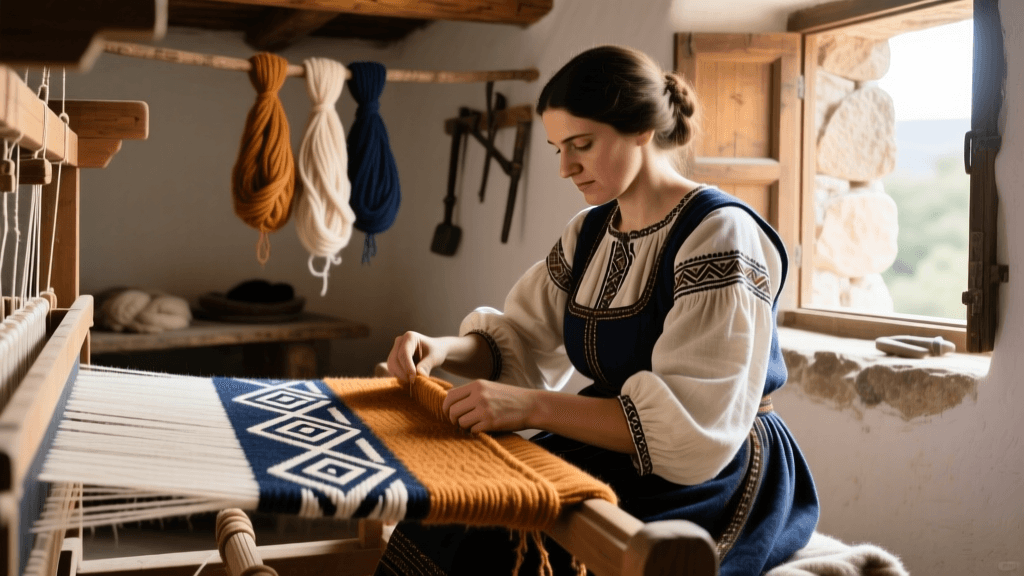
The weaving process itself relies on the telaio (the traditional wooden floor loom). The weaver uses a technique called a pibiones (meaning "grapes" in the Sardinian dialect), where a rod is laid across the warp threads to create a raised, textured pattern. While this technique is most commonly applied to linens and decorative rugs, modern weavers are adapting it to create subtle, raised geometric borders on the hems of premium Orbace cloaks.
Sourcing, Custom Orders, and Garment Care
Acquiring an authentic Orbace garment in 2026 is an exercise in patience and appreciation for slow craftsmanship. If you are commissioning a piece directly from a cooperative, be prepared for the following:
- Measurements: Unlike standard sizing, traditional cloaks are measured by the braccio (arm's length). You will need to provide your exact shoulder width, desired drop length, and hood circumference.
- Timing: Due to the manual spinning and weaving process, expect a wait time of 3 to 6 months for a bespoke gabbanu.
- Costs: A high-quality, ready-to-wear Orbace vest will start around €350, while a fully custom, hand-dyed cloak can range from €900 to €1,600.
Care Instructions for Coarse Heritage Wools
Orbace is incredibly durable but requires specific maintenance to preserve its natural lanolin coating. Never machine wash or dry clean authentic Orbace, as harsh chemicals will strip the wool of its natural water resistance. Instead, air the garment out in a shaded, breezy area after wearing. For spot cleaning, use a damp cloth and a mild, lanolin-based wool soap. Invest in a high-quality boar-bristle garment brush to remove dust and restore the nap of the wool. During the summer months, store the garment in a breathable cotton canvas bag with natural cedar blocks to deter moths.
Styling Orbace for the Modern Wardrobe
While the full traditional folk dress is reserved for festivals and cultural celebrations, individual Orbace pieces integrate beautifully into a contemporary 2026 wardrobe. A structured, dark-brown Orbace vest (colettu) pairs exceptionally well with modern selvedge denim and a crisp white linen shirt, offering a textured, layered look that bridges rural heritage and urban sophistication. For women, an Orbace shawl draped over a minimalist silk slip dress creates a striking contrast of textures, embodying the modern ethos of mixing artisanal heritage with contemporary silhouettes.
As we move through 2026, the preservation of Sardinian Orbace is not merely about saving a fabric; it is about sustaining the rural economies, the ancestral knowledge, and the profound cultural identity of the Sardinian people. By investing in these heritage garments, collectors and fashion enthusiasts play a direct role in keeping the looms of Samugheo, Aggius, and Nuoro weaving for generations to come.