Norwegian Bunad vs Swedish Folkdräkt: 2026 Regional Guide
The Renaissance of Scandinavian Folk Dress in 2026
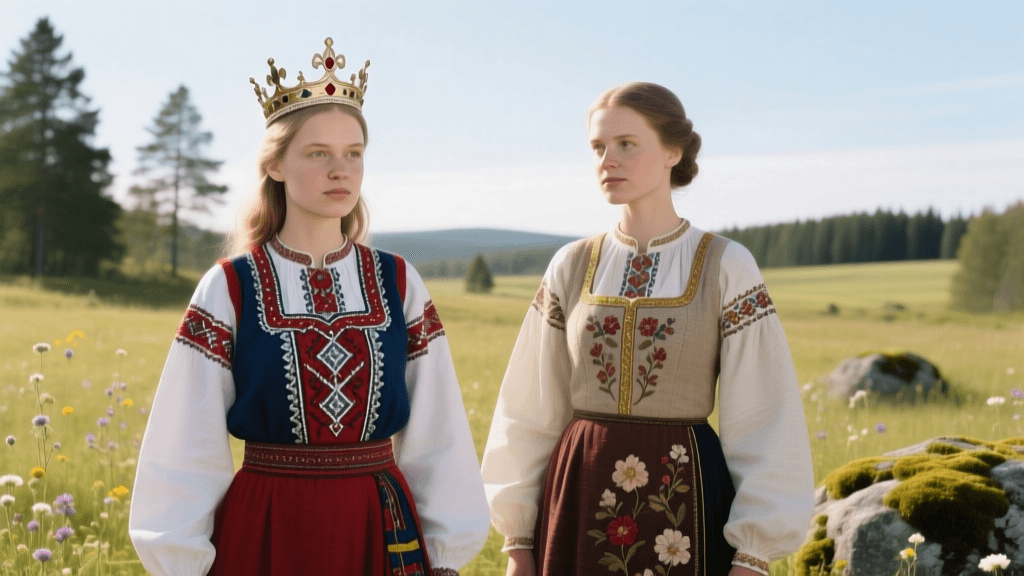
As we navigate the cultural landscape of 2026, traditional European folk dress has transcended its role as mere historical costume, evolving into a vibrant expression of regional identity, sustainable fashion, and ancestral pride. Nowhere is this more evident than in Scandinavia, where the Norwegian bunad and the Swedish folkdräkt dominate national holidays, weddings, and midsummer celebrations. While outsiders often conflate these garments under the broad umbrella of 'Scandinavian folk costumes,' they represent distinctly different historical trajectories, regulatory frameworks, and textile philosophies.
In 2026, the intersection of heritage craftsmanship and the global slow-fashion movement has pushed these garments into the spotlight. Consumers are increasingly prioritizing locally sourced wools, natural dyes, and hand-forged silverwork. Whether you are a textile enthusiast, a heritage crafter, or someone looking to commission a garment for an upcoming milestone, understanding the nuanced differences between Norway's meticulously reconstructed bunads and Sweden's romantically revived folkdräkter is essential. This comprehensive guide breaks down the regional variations, material requirements, and 2026 market realities of these two iconic sartorial traditions.
Understanding the Norwegian Bunad: Heritage and Strict Traditions
The Norwegian bunad is not simply a folk costume; it is a meticulously researched, region-specific garment that serves as a visual map of Norway's valleys and fjords. Unlike generic national costumes, a bunad is intrinsically tied to a specific geographic area. According to the Norsk institutt for bunad og folkedrakt (NBF), there are over 450 distinct local bunad variations documented today, ranging from the deeply traditional to the romanticized reconstructions of the early 20th century.
The Role of the Bunad- og folkedraktrådet
What sets the Norwegian bunad apart from other European folk dresses is the stringent oversight provided by the Bunad- og folkedraktrådet (The Bunad and Folk Costume Council). This advisory body ensures that garments labeled as authentic bunads adhere to strict historical and material guidelines. In 2026, the Council continues to advocate for the use of traditional weaving techniques, such as the diamond twill wools of the Gudbrandsdal valley, and strictly forbids the use of synthetic fabrics or machine-made embroidery for certified garments. This rigorous standardization guarantees that when you purchase a bunad, you are investing in a wearable piece of documented history.
Iconic Regional Styles: Hardanger, Telemark, and Setesdal
The Hardangerbunad is often referred to as the 'first' bunad, originating from the Hardanger region. It is characterized by its striking black wool skirt and bodice, paired with a white linen apron featuring intricate Hardangersaum (a form of drawn-thread whitework embroidery). In 2026, a complete Hardanger set remains one of the most sought-after garments for brides.
The Telemark bunad is renowned for its spectacular telemarksrosing (rose painting style) embroidery, featuring vibrant red, yellow, and green floral motifs on a dark wool base. The craftsmanship required for the Telemark embroidery is so specialized that waitlists for certified embroiderers frequently stretch beyond 18 months.
Conversely, the Setesdal bunad reflects the harsh, isolated winters of the southern valleys. It relies heavily on thick, dark, locally spun wool, accented by bold geometric embroidery and an abundance of heavy, oxidized silver filigree known as sølje.
Exploring the Swedish Folkdräkt: Diversity and Romantic Revival
While the Norwegian bunad is defined by 20th-century reconstruction and strict regulation, the Swedish folkdräkt (or sockendräkt) has a different lineage. Sweden's folk dress tradition was heavily shaped by the romantic nationalism of the 19th century, spearheaded by Artur Hazelius, who founded the Nordiska Museet and the Skansen open-air museum in Stockholm. Hazelius collected surviving rural garments to preserve a vanishing peasant culture, which inadvertently set the template for the modern Swedish folkdräkt.
The 2026 Vardagsdräkt Movement
A major trend defining the Swedish folk dress scene in 2026 is the vardagsdräkt (everyday dress) movement. While the highly ornate festive dräkter are reserved for Midsummer and Lucia celebrations, the vardagsdräkt utilizes simpler, more durable textiles like unbleached linen and naturally dyed wadmal (a dense, felted wool). This movement aligns perfectly with 2026's sustainability goals, encouraging wearers to integrate heritage garments into daily life rather than locking them in cedar chests.
Dalarna and Skåne: A Study in Contrast
The Dalarna dräkt (particularly from Leksand and Rättvik) is arguably the most internationally recognized Swedish folk dress. It is characterized by its bright, contrasting colors, featuring a black or dark blue bodice (livstycke), a striped or solid apron, and a distinctive white linen cap. The Leksand dräkt often incorporates intricate silk embroidery and silver clasps, reflecting the historical wealth of the copper-mining region.
In stark contrast, the Skåne dräkt from the southernmost province of Sweden reflects its agricultural abundance and continental influences. Skåne garments are famous for their rich, dark fabrics, heavy floral brocades, and elaborate silk headpieces. The 2026 revival of Skåne weaving techniques has seen a massive resurgence in the use of madder root for deep reds and woad for traditional blues, championed by local artisan guilds associated with Husfliden and its Swedish counterparts.
2026 Market Comparison: Bunad vs. Folkdräkt
For collectors and those looking to commission a piece, understanding the market dynamics, costs, and material expectations in 2026 is crucial. The table below outlines the primary differences between the two traditions.
| Feature | Norwegian Bunad | Swedish Folkdräkt |
|---|---|---|
| Regulatory Body | Bunad- og folkedraktrådet (Strict national guidelines) | Local heritage societies & Nordiska Museet (Flexible, regional) |
| Primary Textiles | Worsted wool, hand-woven linen, silk damask | Wadmal, linen, cotton, silk brocade accents |
| Average Cost (2026) | $4,500 - $7,500 USD (Full set with silver) | $1,200 - $3,500 USD (Depending on region and silk use) |
| Metalwork | Heavy oxidized silver filigree (Sølje) | Pewter, brass, lighter silver clasps and brooches |
| Tailoring Lead Time | 14 to 24 months (High demand for certified artisans) | 6 to 12 months (More accessible local seamstresses) |
| Primary Occasions | Constitution Day (May 17), weddings, confirmations | Midsummer, National Day (June 6), Lucia, folk dances |
Practical Guide to Commissioning Your Garment in 2026
Commissioning a traditional Scandinavian garment is a significant investment of both time and capital. If you plan to wear your garment for the 2027 National Day or Midsummer celebrations, the ordering process must begin in early 2026.
Sourcing Authentic Textiles and Silverwork
For a Norwegian bunad, the silver sølje is often the most expensive component. A complete Hardanger silver set, including the neck pin, breastpiece, belt buckles, and cufflinks, can easily exceed $1,500 USD in 2026 due to the rising global cost of raw silver and the scarcity of master filigree artisans in regions like Voss and Bergen. Always ensure your silversmith is registered with the Norwegian Federation of Goldsmiths. For Swedish folkdräkter, sourcing authentic hand-woven linen from Dalarna or Skåne is paramount. Look for the Hemslöjd (handicraft) certification to guarantee the linen was spun and woven using traditional methods rather than imported industrial alternatives.
Fitting, Tailoring, and Lead Times
A true bunad is not bought off the rack; it is tailored to your exact measurements by a certified bunadtilvirker. Because the wool has little to no stretch, the bodice must be fitted perfectly to provide structural support. In 2026, the shortage of certified bunad tailors in urban centers like Oslo and Bergen means that waitlists for the initial measurement consultation can be up to six months long. Swedish folkdräkter are generally more forgiving and can often be adjusted using traditional lacing and pinning methods, allowing for a faster turnaround time when working with local hemslöjdskonsulent (handicraft consultants).
Caring for Heritage Wool and Linen
Preserving these garments for the next generation requires specialized care. Never dry-clean a bunad or folkdräkt, as the harsh chemicals will strip the natural lanolin from the wool and tarnish the silver threads. In 2026, heritage conservationists recommend airing the garments outside on a crisp, dry winter day to naturally eliminate odors and kill moth larvae. For spot cleaning, use a damp cloth with a pH-neutral wool soap. Store the garments flat in acid-free tissue paper inside a cedar chest, accompanied by natural lavender sachets to deter pests. Silverwork should be removed before storage and kept in anti-tarnish cloth bags to prevent the oxidized details from rubbing off or tarnishing unevenly.
Conclusion
The Scandinavian approach to traditional dress offers a masterclass in how heritage can thrive in the modern era. Whether you are drawn to the strictly regulated, silver-adorned majesty of the Norwegian bunad or the vibrant, regionally diverse charm of the Swedish folkdräkt, both traditions offer a profound connection to European textile history. By understanding the distinct regional variations, respecting the craftsmanship, and investing in sustainable, authentic materials, you ensure that these magnificent garments will continue to be worn with pride for generations to come.