Sardinian Orbace Wool Garments: 2026 Heritage Brand Guide
Introduction to Sardinian Orbace Wool
The rugged, mountainous terrain of Sardinia has long demanded clothing that is as resilient as the landscape itself. At the heart of this island’s textile tradition is Orbace (also spelled Orbaci), a coarse, heavily fulled wool fabric that has clothed Sardinian shepherds, farmers, and artisans for centuries. As we navigate the heritage fashion landscape in 2026, there has been a massive resurgence in demand for authentic, hand-loomed European folk dress. Discerning collectors and cultural enthusiasts are increasingly turning away from mass-produced fast fashion, seeking out the genuine craftsmanship of Sardinian weaving cooperatives.
This comprehensive 2026 buyer’s guide explores the intricate world of Sardinian Orbace wool. We will detail the traditional garments that define the island's pastoral wardrobe, examine the natural dyeing processes that give the wool its rich, earthy palette, and provide an actionable directory of the top heritage brands and artisan cooperatives currently accepting commissions.
The Legacy and Craft of Orbace Weaving
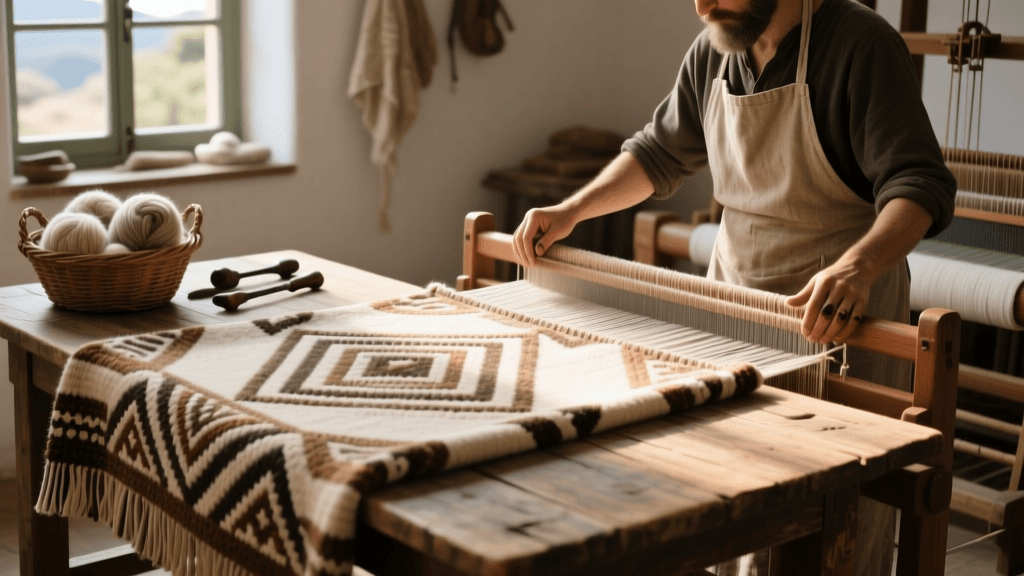
Orbace is not merely a fabric; it is a testament to Sardinian pastoral survival. Spun from the fleece of indigenous Sardinian sheep, the wool is renowned for its high lanolin content. Historically, the fleece was sheared, washed in local rivers, carded, and spun by hand. The yarn was then woven on traditional horizontal wooden looms (telaio a licci) and subjected to a rigorous fulling process. The woven cloth was beaten in water and natural soap, causing the fibers to mat and shrink, creating a dense, nearly waterproof textile.
According to cultural preservation archives documented by Sardegna Cultura, the knowledge of Orbace weaving was traditionally passed down through matriarchal lines in mountain villages. Today, this intangible cultural heritage is fiercely protected. The rhythmic clatter of the wooden loom can still be heard in villages like Samugheo, Atzara, and Sarule, where master weavers continue to produce Orbace using methods that have remained unchanged for generations.
The Natural Dyeing Process: Colors of the Earth
Authentic Orbace is rarely left in its natural, undyed sheep's wool color. Traditional Sardinian dyers utilize a rich botanical palette foraged from the Mediterranean maquis shrubland. Understanding these dyes is crucial for authenticating heritage pieces in 2026:
- Mallo di Noce (Walnut Husk): The green husks of walnuts are boiled to produce deep, colorfast shades of dark brown and charcoal black, traditionally used for men's winter vests and caps.
- Robbia (Madder Root): Harvested from the wild madder plant, the roots yield vibrant terracotta and deep crimson reds, often reserved for festive bodices and ceremonial skirts.
- Buccia di Cipolla (Onion Skins) and Asphodel: These yield brilliant golden yellows and ochres, symbolizing the summer harvest and sunlight.
- Indigo and Woad: Though less common in the deep interior, coastal weavers historically used woad to achieve deep pastoral blues.
Essential Garments in the Sardinian Folk Wardrobe
To build an authentic Sardinian folk dress collection, one must understand the foundational garments constructed from Orbace and complementary textiles.
Sa Mastruca (The Shepherd's Vest)
The Mastruca is the undisputed icon of Sardinian menswear. It is a sleeveless, hip-length vest made from heavy Orbace wool or, in more luxurious iterations, sheepskin with the wool left intact on the inside. The exterior is often stark black or dark brown, while the interior provides immense insulation against the biting Tramontane winds. In 2026, heritage tailors are crafting bespoke Mastrucas that retain the rugged silhouette but feature refined interior silk linings for modern comfort.
Sa Berritta (The Traditional Cap)
The Berritta is a long, tubular wool cap, typically woven from fine Orbace or knitted from heavy yarn. While it resembles a phrygian cap, it is usually worn folded over to one side or draped down the back. It is an essential accessory that completes the traditional pastoral look and is widely available from artisan hatters in Nuoro and Cagliari.
Is Cartzas (Woolen Gaiters)
Worn over the trousers and tucked into heavy leather boots, Is Cartzas are thick, woven wool gaiters. They protect the lower legs from thorny underbrush and cold mud. Modern heritage brands are currently adapting these into stylish, rugged winter leg-wraps that pair exceptionally well with contemporary heritage denim and leather footwear.
Regional Variations in Sardinian Dress
Sardinia is not a monolith; its textile traditions vary wildly from the central mountains to the southern plains. In the Barbagia region, the heartland of Sardinian resistance and pastoralism, Orbace garments are heavy, dark, and strictly utilitarian, designed for harsh winters. Conversely, in the Campidano plains near Oristano, the wool is often blended with linen or cotton to create lighter, more breathable weaves. Here, traditional skirts (gonnelle) feature intricate, pleated hems and are dyed in brighter, sun-baked hues. Recognizing these regional nuances is a hallmark of a true European folk dress connoisseur.
2026 Buyer’s Guide: Top Heritage Cooperatives & Artisans
Sourcing genuine Orbace requires bypassing commercial tourist shops and connecting directly with artisan cooperatives. The Italian Ministero della Cultura actively supports these local guilds to prevent the extinction of rural weaving practices. Below is a curated comparison of the most reputable heritage weavers accepting international commissions in 2026.
| Cooperative / Artisan | Location | Signature Garment | 2026 Price Range (EUR) | Lead Time |
|---|---|---|---|---|
| Tessitura Artigiana di Samugheo | Samugheo | Heavy Orbace Mastruca Vest | €450 - €650 | 10-14 Weeks |
| Cooperativa di Atzara | Atzara | Natural-Dyed Wool Blankets & Skirts | €200 - €400 | 6-8 Weeks |
| Artigianato Sardigno (ISOLA) | Cagliari (Showroom) | Berritta Caps & Accessories | €80 - €150 | In Stock / 2 Weeks |
| Mastru Panedda Heritage | Nuoro | Bespoke Shepherd's Gaiters | €180 - €250 | 4-6 Weeks |
Note: Prices reflect the 2026 market rate, which has increased slightly due to the rising cost of ethically sourced, indigenous Sardinian sheep fleece and the limited number of active master weavers.
How to Authenticate Genuine Orbace in 2026
With the rise in popularity of rustic, heritage aesthetics, the market has seen an influx of machine-woven, chemically dyed imitations imported from outside Italy. Use this actionable checklist to verify the authenticity of your Orbace garments:
- The Lanolin Scent Test: Genuine, minimally processed Orbace retains a faint, earthy scent of lanolin (sheep's wool) and woodsmoke. If the fabric smells sharply of chemicals or synthetic dyes, it is a factory-made imitation.
- The Water-Drop Test: Because traditional Orbace is heavily fulled and rich in natural oils, a drop of water should bead up and roll off the surface rather than immediately soaking in.
- The Burn Test: If you have a loose thread, burn it. Authentic wool will smell like burning hair, self-extinguish, and leave a crushable black ash. Synthetic blends will melt into a hard plastic bead.
- Look for the Origin Mark: Reputable cooperatives will include a physical tag or a stamped leather label certifying the garment's origin, often backed by regional artisanal guilds.
Caring for Your Orbace Wool Garments
Investing in a heritage Mastruca or an Orbace wool skirt requires specialized care to ensure the garment outlives you. Never machine wash or dry clean Orbace using harsh chemical solvents, as this strips the natural lanolin and destroys the fabric's water-resistant properties.
Instead, spot clean stains with a damp cloth and a mild, lanolin-based wool soap. To refresh the garment, hang it outside on a breezy, overcast day; the natural fibers will release odors and self-clean. If the wool begins to feel dry or brittle after several years, you can gently mist it with a diluted lanolin emulsion to restore its suppleness and weatherproofing. Store your Orbace pieces in breathable cotton garment bags with cedar blocks to naturally repel moths without the use of toxic chemical repellents.
Conclusion: Preserving a Pastoral Legacy
The revival of Sardinian Orbace wool in 2026 is more than a fleeting fashion trend; it is a vital lifeline for rural Mediterranean communities. By investing in heritage brands and artisan cooperatives, collectors and enthusiasts do more than acquire a stunning, weather-proof garment. They become active participants in the preservation of European folk dress, ensuring that the rhythmic clatter of the wooden loom and the ancient knowledge of natural dyeing continue to echo through the Sardinian mountains for generations to come.