Sardinian Orbace Wool & Heritage Weaving Brands Guide 2026
The Enduring Legacy of Sardinian Orbace Wool
Sardinia, an island steeped in ancient pastoral traditions, boasts one of the most distinct and well-preserved folk dress repertoires in Europe. At the heart of this sartorial heritage is orbace, a coarse, naturally water-resistant sheep’s wool that has clothed Sardinian shepherds and artisans for centuries. In 2026, a powerful movement of heritage brands and artisanal cooperatives is breathing new life into these historic textiles, bridging the gap between ancient pastoral necessity and contemporary European folk fashion. This comprehensive guide explores the construction of traditional Sardinian garments, highlights the top heritage weavers operating today, and provides actionable advice for acquiring and caring for these masterpieces in 2026.
The Craft and Composition of Orbace
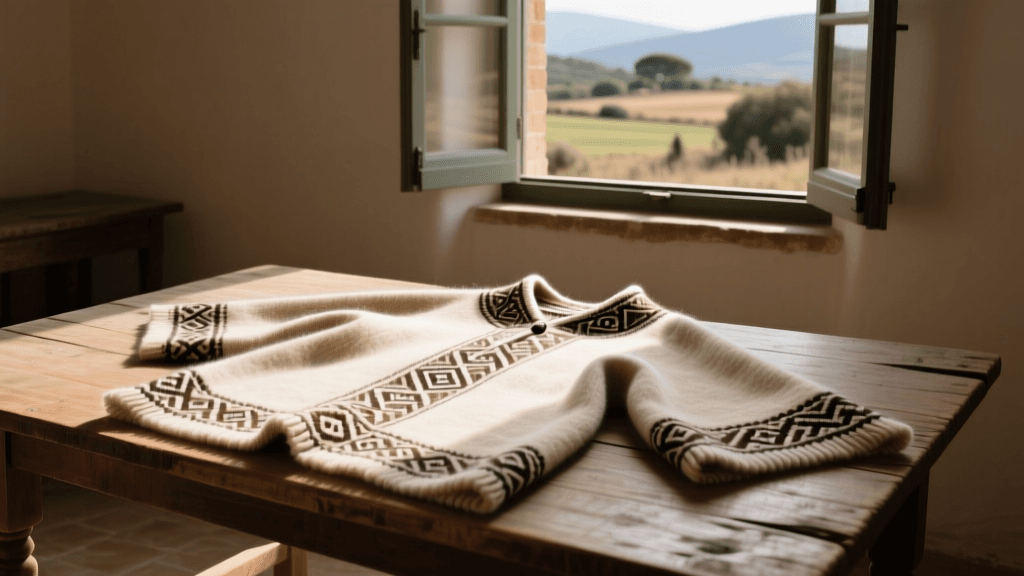
Orbace is not merely a fabric; it is a testament to Sardinian ingenuity. Woven from the wool of native Sardinian sheep, the yarn is naturally rich in lanolin, providing inherent water resistance. The true magic of orbace lies in the follatura (fulling) process. After weaving, the cloth is submerged in warm water and beaten with wooden mallets or trampled by foot. This agitation causes the wool fibers to shrink, interlock, and felt, resulting in a dense, windproof, and incredibly durable textile.
According to the ISRE Ethnographic Museum in Nuoro, the preservation of these fulling techniques is critical to maintaining the structural integrity of historical garments. In 2026, modern heritage cooperatives have updated this process by utilizing solar-powered mechanical fulling mills, ensuring that the traditional density of the wool is achieved without the immense physical toll historically required of artisanal fullers.
Core Garments of the Traditional Sardinian Wardrobe
To understand the offerings of contemporary heritage brands, one must first understand the foundational garments of the Sardinian pastoral wardrobe.
Is Ragas (The Shepherd’s Kilt)
Is ragas is a pleated, knee-length skirt traditionally worn by men over white linen trousers (cartzones). Crafted from heavy black or dark brown orbace, it is secured at the waist with a wide leather belt. The deep pleats allow for freedom of movement while riding or navigating the rugged Gennargentu mountains, while the dense wool provides insulation against harsh winter winds.
Su Coietto (The Heavy Wool Cloak)
Perhaps the most iconic piece of Sardinian outerwear, su coietto is a long, sleeveless cloak made from thick orbace. It features a wide collar that can be pulled up over the head during rainstorms. The chest and shoulder panels are often reinforced and decorated with intricate, hand-tooled leather appliqués (cuoio artistico), showcasing the island's dual mastery of textile and leathercraft.
Sa Berritta (The Traditional Cap)
While often made of fine knitted wool or cotton, the winter iterations of sa berritta are crafted from softened orbace. Shaped like a long stocking, it is worn folded back on itself or draped to one side. In 2026, heritage brands are producing lined versions of the berritta, incorporating organic Sardinian silk linings for added comfort without sacrificing historical accuracy.
Top Heritage Brands and Cooperatives in 2026
The revival of Sardinian folk dress is spearheaded by dedicated cooperatives that prioritize authentic materials and fair-wage artisanal labor. When shopping for traditional garments this year, these are the premier institutions and brands to seek out.
ISOLA (Istituto Sardo Organizzazione Lavoro Artigiano)
ISOLA remains the undisputed authority on Sardinian craftsmanship. As detailed by ISOLA Artigianato Sardo, their 2026 certification seal guarantees that a garment has been hand-woven on traditional wooden looms using locally sourced, unblended sheep's wool. Purchasing an ISOLA-certified coietto is an investment in museum-quality heritage.
Tramas Contemporary Heritage
Tramas is a pioneering brand that translates traditional Sardinian weaving techniques into modern silhouettes. While they respect the historical construction of is ragas, their 2026 collection introduces tailored orbace overcoats and structured capes designed for urban environments, proving that Sardinian wool can seamlessly integrate into a modern European wardrobe.
Tessitura Artigiana di Ulassai
Located in the Ogliastra region, this cooperative is world-renowned for its tapestries, but their heavy wool outerwear division has gained massive traction. Their master weavers utilize antique floor looms to create ultra-dense orbace specifically for winter cloaks, often collaborating with local leatherworkers in Cagliari to finish the garments with traditional floral tooling.
2026 Buying Guide: Sizing, Pricing, and Acquisition
Acquiring an authentic, hand-woven Sardinian garment requires patience and precise measurements. Because orbace has very little mechanical stretch, custom tailoring is standard practice among heritage brands.
| Brand / Cooperative | Specialty Garment | 2026 Price Range (EUR) | Custom Lead Time |
|---|---|---|---|
| ISOLA Certified Weavers | Su Coietto (Cloak) | €850 - €1,400 | 12 - 16 Weeks |
| Tramas Contemporary | Tailored Orbace Overcoat | €600 - €950 | 6 - 8 Weeks |
| Tessitura Ulassai | Is Ragas (Pleated Kilt) | €450 - €700 | 10 - 14 Weeks |
| Local Nuoro Artisans | Sa Berritta (Winter Cap) | €80 - €150 | 2 - 4 Weeks |
How to Measure for Your Garment
When ordering from a Sardinian cooperative in 2026, you will be asked to provide specific measurements. Use a soft measuring tape and follow these guidelines:
- For Su Coietto (Cloak): Measure your shoulder width from the outer edge of one shoulder bone to the other. Measure your arm length from the shoulder seam to the wrist bone to determine the arm-slit placement. Finally, measure from the base of your neck down to your mid-calf to establish the hem drop.
- For Is Ragas (Kilt): Measure your natural waist (above the navel) and the widest part of your hips. The drop length should be measured from your natural waist to just below the knee cap. Note that traditional ragas sit higher on the waist than modern trousers.
Caring for Your Heritage Wool Garments
Orbace is incredibly resilient, but improper care can strip it of its natural lanolin, rendering it brittle and less water-resistant. The Sardegna Turismo Cultural Heritage portal emphasizes the importance of traditional maintenance methods for preserving regional textiles.
'Never subject authentic orbace to harsh chemical dry cleaning. The natural oils are the soul of the fabric; strip them away, and you strip away its history and its weatherproofing.' — Master Weaver Giovanni Piredda, Nuoro.
Actionable Care Routine for 2026
- Brushing: After each wear, use a natural boar-bristle garment brush to remove dust and restore the nap of the wool. Always brush in the direction of the fiber grain.
- Airing Out: Hang the garment in a well-ventilated, shaded area for 24 hours to release odors and moisture. Avoid direct sunlight, which can fade the natural dark dyes.
- Spot Cleaning: For minor stains, use a damp cloth with a pH-neutral wool soap. Gently dab the area—never rub, as friction can cause localized felting and puckering.
- Moth Prevention: Store your orbace garments in breathable cotton garment bags. Place blocks of untreated Sardinian cedar or dried lavender sachets in the pockets and folds to naturally repel moths without the use of toxic chemical deterrents.
- Re-lanolizing: If the garment begins to lose its water resistance after several years, lightly mist it with a commercial lanolin spray designed for heritage wools, then gently brush it into the fibers.
Conclusion
The traditional garments of Sardinia are far more than historical curiosities; they are functional, sustainable, and deeply meaningful works of art. By investing in orbace wool pieces from verified heritage brands in 2026, you are not only acquiring a masterfully crafted garment capable of withstanding the elements, but you are also actively participating in the preservation of one of Europe's most vital textile traditions. Whether you are donning a heavy coietto for a winter festival or integrating a tailored orbace coat into your daily wardrobe, these garments offer a profound connection to the rugged, beautiful soul of the Mediterranean.