Sardinian Orbace Wool & Heritage Folk Brands: 2026 Guide
The Enduring Legacy of Sardinian Folk Dress
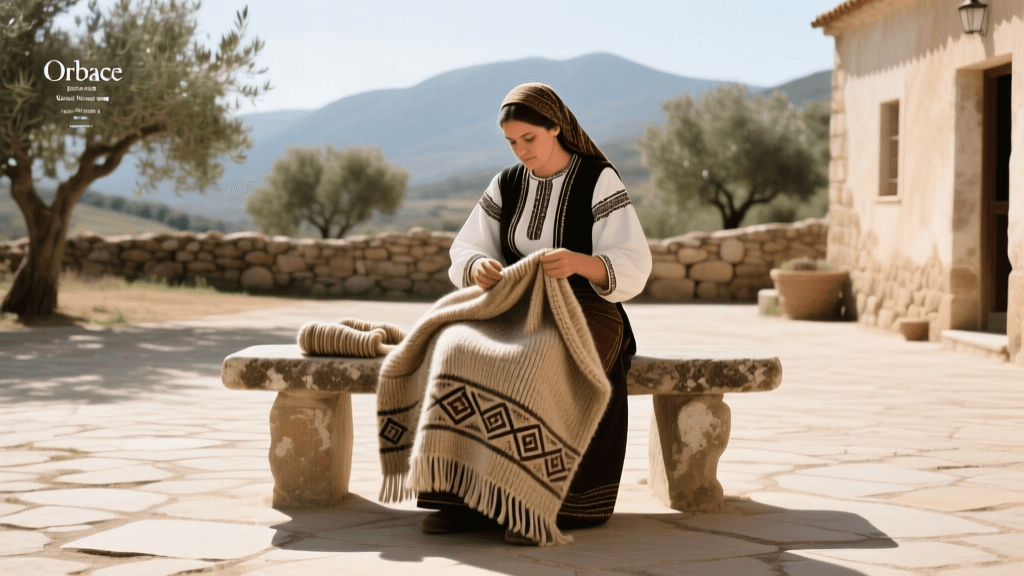
When exploring the rich tapestry of European folk dress, few regions offer a sartorial language as distinct, rugged, and deeply symbolic as the island of Sardinia. Unlike the heavily modernized regional costumes of mainland Italy, Sardinian traditional garments have survived centuries of geographic isolation, preserving ancient weaving techniques, natural dyeing methods, and silhouettes that date back to the Nuragic civilization. As we navigate the cultural landscape of 2026, the revival of Sardinian heritage brands and artisan cooperatives has brought traditional textiles like orbace and pannu back into the global spotlight, not merely as museum relics, but as living, breathing expressions of island identity.
The 2026 editions of major cultural festivals, such as the Cavalcata Sarda in Sassari and the Sagra di Sant'Efisio in Cagliari, have showcased a remarkable resurgence in youth participation, with younger generations proudly donning historically accurate, hand-loomed garments. This renewed interest has spurred a micro-economy of heritage brands dedicated to ethical wool sourcing, traditional loom weaving, and the preservation of ancestral patterns. For collectors, cultural historians, and enthusiasts of slow fashion, understanding the anatomy of Sardinian dress and knowing where to source authentic pieces is more important than ever.
Anatomy of the Traditional Sardinian Wardrobe
Sardinian folk dress is highly localized; the garments worn in the mountainous interior region of Barbagia differ vastly from those in the coastal Campidano plains. However, several foundational elements define the traditional wardrobe across the island.
Men's Traditional Attire
The cornerstone of the Sardinian man's wardrobe is the berritta, a long, black woolen cap that can be worn upright, folded back, or draped over the shoulders depending on the village and the occasion. Over a crisp white linen shirt, men wear the gabbano or coietu—a heavy, hooded cloak crafted from orbace wool. This cloak is designed to repel the harsh mountain rains and serve as a blanket during cold nights in the pastures. The lower body is adorned with ragas, a pleated, skirt-like garment made of black or dark brown wool, worn over white linen trousers. Finally, leather gaiters known as cartzas protect the legs during rugged pastoral work.
Women's Traditional Attire
Women's traditional dress is a vibrant explosion of color, intricate embroidery, and heavy filigree jewelry. The base layer consists of a white linen chemise, heavily embroidered at the cuffs and neckline. Over this sits the cambusciu or corittu, a tightly fitted bodice made of velvet or fine wool, often left open at the front to reveal the embroidered chemise beneath. The skirt, or tunnedda, is typically crafted from pannu (fine wool) and dyed in deep reds, greens, or blacks, bordered with elaborate silk ribbons. A beautifully woven apron, the grembiule, is tied at the waist, serving as a canvas for regional motifs. The ensemble is crowned with the muccadore, a finely woven headscarf, or the cambusciu veil, which signifies marital status and village origin.
Orbace and Pannu: The Textiles of the Island
To truly appreciate Sardinian heritage brands in 2026, one must understand the island's two most vital textiles: orbace and pannu.
Orbace is a coarse, highly durable, and naturally water-resistant wool woven from the fleece of native Sardinian sheep. The weaving process on a traditional wooden floor loom (telaio a licci) is incredibly labor-intensive. The warp threads are tightly packed, and the weft is beaten down with immense force to create a dense, felt-like fabric that requires no chemical waterproofing. In 2026, authentic orbace is considered a luxury heritage material, with master weavers producing only a few meters per week.
Pannu, by contrast, is a much finer, softer wool used for skirts, bodices, and delicate shawls. Heritage brands today are increasingly returning to ancestral natural dyeing methods to color the pannu. Artisans utilize rubia tinctorum (madder root) for vibrant crimson reds, juglans regia (walnut husks) for deep browns and blacks, and wild asphodel for bright yellows. This commitment to botanical dyes ensures that the garments are not only historically accurate but also environmentally sustainable, aligning perfectly with the slow fashion movement of the mid-2020s.
2026 Guide to Sardinian Heritage Brands and Artisan Hubs
The preservation of these ancient techniques relies heavily on regional artisan cooperatives and heritage brands. According to the Istituto Superiore Regionale Etnografico (ISRE), the documentation and support of these local weaving hubs are critical to preventing the extinction of the traditional Sardinian loom. Below is a guide to the most prominent artisan hubs and their specialties as of 2026.
| Artisan Hub / Village | Specialty Textile | Notable Heritage Cooperative / Brand | 2026 Price Range (EUR) |
|---|---|---|---|
| Samugheo | Tapestry, Pannu, Geometric Motifs | Cooperativa Tessile Samugheo | €300 - €1,200 |
| Nule | Heavy Orbace, Coarse Wool Rugs | Tessitura Artigiana Nule | €500 - €1,800 |
| Aggius | Linen Blends, Cotton, Gallurese Dress | Museo del Tessuto Artisans | €150 - €600 |
| Atzara | Vibrant Pannu, Madder-Dyed Skirts | Atzara Heritage Weavers | €400 - €950 |
These cooperatives operate not just as businesses, but as living museums. When you purchase a garment from the Cooperativa Tessile Samugheo, you are directly funding the apprenticeship of young weavers who are learning to read the complex, mathematical patterns of the liana and stemma motifs.
How to Source Authentic Sardinian Garments Today
The market for European folk dress has seen an influx of mass-produced, imported replicas that dilute the cultural significance of the garments. To ensure you are investing in authentic Sardinian heritage in 2026, follow these actionable sourcing guidelines:
- Look for the ISRE Mark: The ISRE and associated regional bodies provide certifications for artisans who use traditional looms and locally sourced materials. Always ask for the artisan's registration number.
- Examine the Selvedge: Hand-loomed orbace and pannu will have slight, natural irregularities along the selvedge (the finished edge of the fabric). Machine-woven imports will be perfectly uniform and often feature synthetic blends.
- Verify the Dyes: Authentic heritage brands will proudly list their botanical dye sources. If a red skirt is exceptionally bright and colorfast under harsh UV light without fading, it likely utilizes modern synthetic aniline dyes rather than traditional madder root.
- Buy Direct or via Trusted Portals: The Italian Ministry of Culture frequently highlights regional artisan networks. Purchasing directly from the cooperative's physical workshop in Sardinia or through verified Italian artisanal guild portals ensures your money supports the local economy.
Caring for Heritage Wool and Filigrana Silver
Owning a piece of Sardinian heritage requires specialized care, particularly when dealing with untreated orbace wool and traditional filigrana (filigree) silver jewelry.
Caring for Orbace and Pannu: Because orbace is naturally rich in lanolin, it is inherently water-resistant and odor-repellent. You should rarely, if ever, submerge an orbace gabbano in water, as this strips the natural oils and destroys its weatherproofing. Instead, air the garment outside on a dry, breezy day. For spot cleaning, use a damp cloth with a mild, pH-neutral wool soap, gently dabbing the affected area. Pannu skirts should be dry-cleaned only by specialists who understand heritage textiles, as aggressive chemical solvents can strip botanical dyes.
Maintaining Filigrana Jewelry: Sardinian filigree is characterized by intricate, lace-like silver wires and granulation. The crevices in these pieces easily trap skin oils and dust. In 2026, conservationists recommend avoiding harsh silver dips, which can degrade the delicate soldering. Instead, use a soft-bristled natural hair brush and a mild solution of warm water and castile soap to gently agitate dirt from the crevices, followed by a thorough drying with a microfiber cloth.
The Future of Sardinian Textile Heritage
As we move through 2026, the intersection of ancient tradition and contemporary appreciation has never been stronger. Sardinian heritage brands are proving that folk dress is not a static costume trapped in the past, but a dynamic, evolving art form. By supporting the weavers of Samugheo, Nule, and Atzara, collectors and cultural enthusiasts play a direct role in keeping the rhythmic clatter of the wooden loom echoing through the valleys of Sardinia for generations to come. Whether you are acquiring a heavy orbace cloak for its unparalleled craftsmanship or a finely embroidered muccadore for its symbolic beauty, you are preserving a vital thread of Europe's rich textile history.