Sardinian Orbace Wool Heritage Brands: 2026 Buyer's Guide
The Enduring Legacy of Orbace Wool in Sardinian Folk Dress
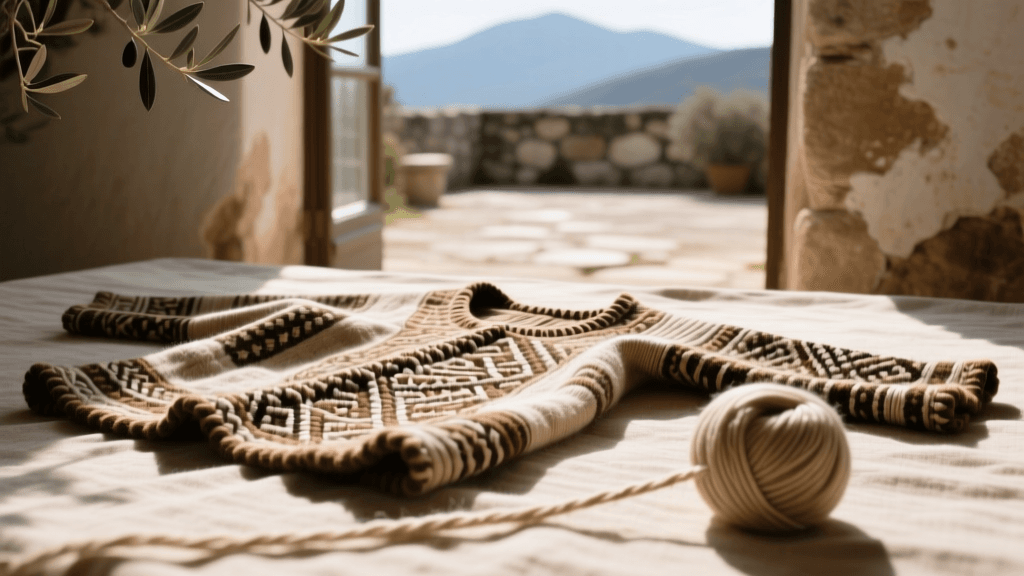
When discussing the pinnacle of European folk dress, few textiles command the respect and historical weight of Sardinian orbace (also known as orbaci or furesi). This coarse, tightly woven, and naturally water-resistant sheep's wool has been the backbone of the traditional Sardinian wardrobe—specifically the costume sardo—for centuries. Originally spun from the fleece of the indigenous Sarda sheep, orbace was the ultimate survival garment for the shepherds of the rugged Barbagia and Gennargentu mountain ranges. Today, in 2026, orbace has transcended its pastoral origins to become a highly sought-after material among sustainable fashion connoisseurs and cultural preservationists alike.
Unlike the fine merino wools of the mainland, orbace is characterized by its thick, slightly felted texture and high lanolin content. This natural oil makes the fabric remarkably resistant to the harsh Mediterranean winds and sudden mountain downpours. The traditional garments crafted from this wool, such as the mastruca (a sleeveless shepherd's jacket) and the beritta (the iconic long, stocking-like cap), are not merely costumes; they are living artifacts of Italian regional identity. As the global slow-fashion movement matures in 2026, heritage brands and artisanal cooperatives across Sardinia are experiencing a renaissance, blending ancient looming techniques with contemporary ethical standards.
The 2026 Heritage Revival and EU Craft Protections
The year 2026 marks a watershed moment for Italian regional textiles. Following years of advocacy by local artisan guilds, the European Union's expanded Geographical Indication (GI) protections for non-agricultural crafts have finally granted Sardinian weaving cooperatives unprecedented legal backing against mass-produced imitations. According to cultural preservation data highlighted by the Italian Ministry of Culture, these protections ensure that genuine orbace can only be labeled as such if it is spun, woven, and fulled within specific Sardinian municipalities using traditional wooden looms (telaio).
This legal framework has empowered heritage brands to invest heavily in natural dyeing processes that were nearly lost in the mid-20th century. In 2026, top-tier cooperatives are utilizing elicriso (helichrysum) for vibrant yellows, walnut hulls for deep, earthy browns, and wild madder root for striking reds. The result is a new generation of regional garments that are entirely traceable, eco-certified, and deeply rooted in the island's botanical landscape. For collectors and cultural enthusiasts, purchasing from these certified cooperatives not only guarantees authenticity but directly funds the apprenticeship programs keeping the tessitori (weavers) guild alive.
Top Regional Garments and 2026 Pricing Guide
Investing in authentic Sardinian folk dress requires an understanding of the specific garments, their traditional names, and the current market rates. Because these items are made-to-order by master artisans, lead times can be substantial. Below is a comprehensive breakdown of the most iconic orbace garments available through heritage brands in 2026.
| Garment Type | Traditional Name | 2026 Average Price (EUR) | Artisan Lead Time |
|---|---|---|---|
| Shepherd's Jacket | Mastruca / Peddi 'e pelli | €650 - €1,400 | 8 - 12 Weeks |
| Pleated Skirt / Kilt | Ragas / Manteddu | €450 - €950 | 6 - 10 Weeks |
| Traditional Stocking Cap | Beritta | €180 - €350 | 3 - 5 Weeks |
| Woven Sash / Belt | Cintura in Orbace | €150 - €280 | 2 - 4 Weeks |
| Winter Trousers | Cartzones de orbaci | €380 - €700 | 5 - 8 Weeks |
Note: Prices vary based on the fineness of the orbace weave, the inclusion of velvet or leather trim, and the complexity of the natural dyeing process requested by the buyer.
Sardinian Heritage Cooperatives to Watch in 2026
While the towns of Samugheo and Mogoro are historically famous for their intricate tapestries and carpets, the specialized weaving of orbace garments is concentrated in the mountainous interior, particularly around Nuoro and the Barbagia region. When sourcing authentic pieces this year, buyers should look toward established artisanal networks rather than commercial boutiques.
1. Artigianarte and Regional Guilds
The Artigianarte cooperative network remains the gold standard for authentic Sardinian crafts. In 2026, their member weavers have introduced a digital provenance ledger, allowing buyers to scan a QR code on the garment's selvedge to view the specific artisan, the date of weaving, and the origin of the Sarda sheep fleece. This level of transparency is unmatched in the European folk dress market.
2. The ISRE Museum Artisan Partnerships
The Istituto Superiore Regionale Etnografico (ISRE) in Nuoro is not just a museum; it is an active hub for ethnographic preservation. In 2026, ISRE has partnered with local master weavers to produce limited-edition mastruca jackets that perfectly replicate 19th-century patterns found in their archives. These pieces are often sold through exclusive cultural fundraisers and direct commissions, representing the highest echelon of historical accuracy.
3. Sustainable Eco-Looms of Ollolai
A newer initiative gaining traction in 2026 is the Ollolai eco-loom project, which focuses on zero-waste weaving. By utilizing every inch of the hand-spun orbace and integrating recycled copper thread for subtle geometric embroidery, this cooperative bridges the gap between ancient pastoral wear and modern sustainable luxury. Their beritta caps, dyed exclusively with local walnut husks, have become a staple for collectors of regional headwear.
How to Authenticate Genuine Sardinian Textiles
As the demand for heritage folk dress grows, so does the market for synthetic replicas imported from outside the Mediterranean. To ensure you are purchasing genuine Sardinian orbace in 2026, keep the following authentication markers in mind:
- The Lanolin Scent: Authentic, traditionally processed orbace retains a faint, earthy scent of natural lanolin and woodsmoke. Synthetic blends or chemically stripped wools will have no scent or a harsh chemical odor.
- The Selvedge Edge: Hand-woven orbace features a distinct, slightly irregular selvedge. Look for the subtle variations in tension that only a traditional wooden floor loom can produce.
- Water Beading: Due to the high natural oil content of the Sarda sheep's wool, genuine orbace will cause water to bead up and roll off the surface immediately, rather than absorbing into the fibers.
- Regional Certification Tags: Always look for the official regional artisan seal or the new EU GI craft certification tag, which guarantees the geographic and material origin of the piece.
Caring for Your Orbace Wool Garments
Orbace is incredibly durable, but its unique structure requires specific maintenance to preserve its water-resistant properties and structural integrity over decades of wear. Modern dry-cleaning chemicals will strip the wool of its natural lanolin, rendering it brittle and prone to tearing.
The 2026 Maintenance Protocol
- Brushing: After each wear, use a stiff, natural boar-bristle brush to remove dust and dirt. Always brush in the direction of the weave to maintain the felted surface.
- Spot Cleaning: For minor stains, use cold water and a mild, lanolin-enriched wool soap. Gently dab the area—never rub, as friction will cause the wool to felt further and pucker.
- Airing Out: Instead of washing, hang the garment outside on a dry, breezy day. The natural antibacterial properties of the lanolin will neutralize odors.
- Storage: Store orbace garments in a breathable cotton garment bag with blocks of untreated cedar wood to deter moths. Avoid plastic covers, which trap moisture and invite mildew.
Experiencing the Culture Firsthand
For those who wish to understand the soul of the costume sardo before making a purchase, visiting the island's interior is highly recommended. The Sardegna Turismo board has recently updated its heritage craft routes for 2026, offering guided visits to active weaving workshops in the Nuoro province. Witnessing the rhythmic clatter of the wooden loom and the meticulous hand-carding of the fleece provides invaluable context to the investment.
Ultimately, purchasing a garment crafted from Sardinian orbace is an act of cultural stewardship. In an era dominated by fast fashion and transient trends, these heritage brands offer a tangible connection to the ancient rhythms of European pastoral life. Whether you are acquiring a meticulously tailored mastruca for your collection or a simple, naturally dyed beritta cap, you are preserving a vital thread of Italy's rich textile history for the next generation.