Sardinian Orbace Wool & Filigree: 2026 Heritage Brands
The Renaissance of Sardinian Folk Dress in 2026
Sardinia’s rugged topography and historical isolation have birthed one of Europe’s most intricate and enduring folk dress traditions. Known collectively as the costume sardo, the island's traditional garments are not merely historical relics; they are living textiles that continue to evolve. As of 2026, a new wave of Italian heritage brands and regional artisan cooperatives are revitalizing Sardinian folk dress, merging ancient weaving techniques with contemporary tailoring. This revival is heavily focused on two cornerstone elements of the Sardinian wardrobe: orbace (a coarse, water-resistant native wool) and sa filigrana (the island's signature silver filigree metalwork).
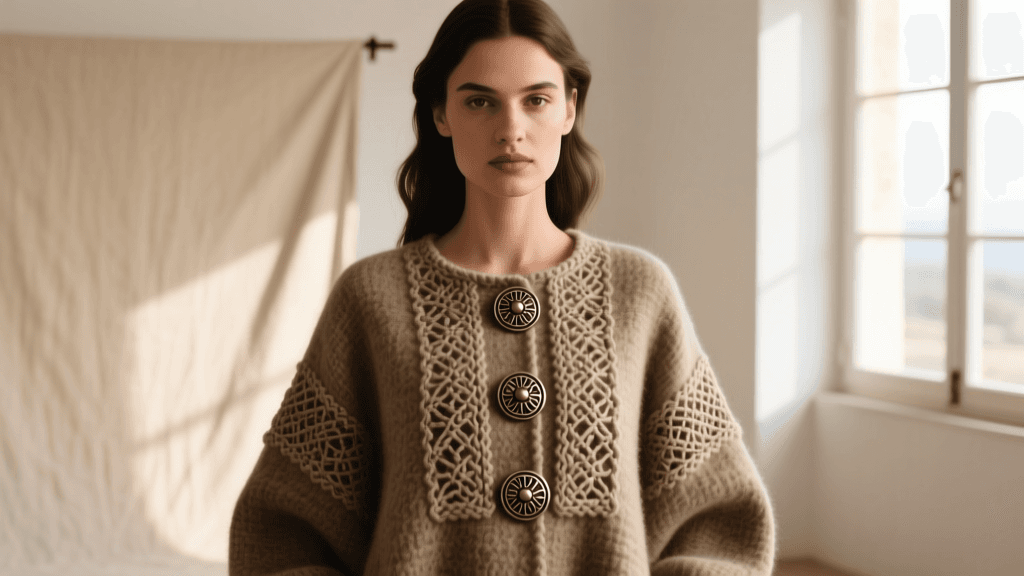
According to cultural preservation data from Sardegna Cultura, the demand for authentic, traceable regional textiles has surged over the past three years, driven by a global consumer shift toward sustainable, slow-fashion heritage pieces. Today’s heritage brands are not simply reproducing museum replicas; they are adapting the structural integrity of the traditional gabbana (shepherd’s cloak) and the ornate silver bottoni (buttons) for the modern wardrobe, ensuring these ancient crafts remain economically viable and culturally relevant in 2026.
Anatomy of the Traditional Sardinian Wardrobe
To understand the current heritage market, one must first understand the foundational garments of the Sardinian folk dress. The traditional male wardrobe, which heavily influences today's heritage outerwear, consists of several key layers:
- Sa Berritta: The iconic Sardinian cap, typically woven from black or brown wool, worn snugly on the head or draped over the shoulder.
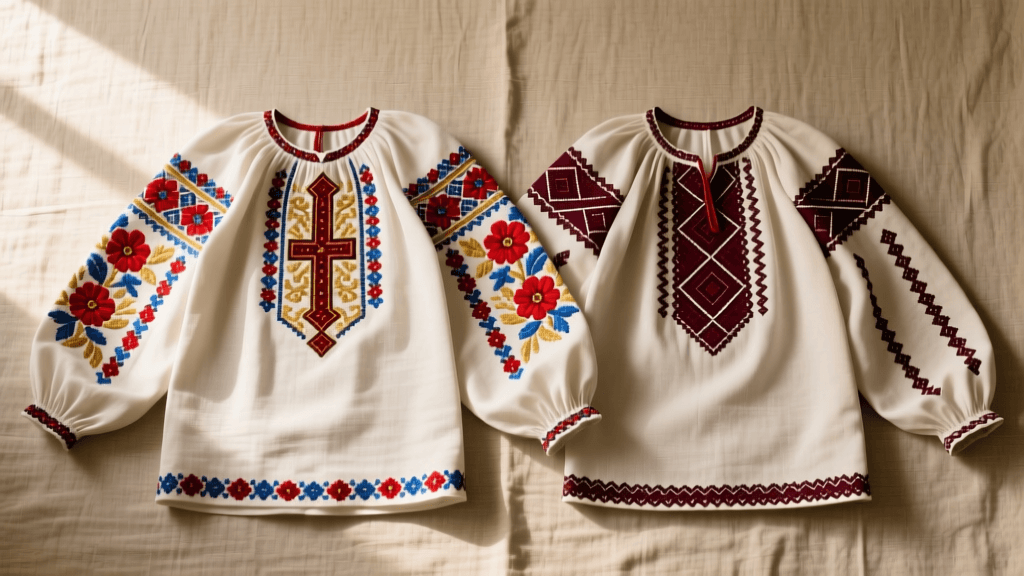
- Sa Camisa: A voluminous, white linen or cotton shirt, heavily embroidered at the collar and cuffs, serving as the base layer.
- Su Cippone: A fitted, double-breasted vest made from velvet, corduroy, or orbace wool, often adorned with silver filigree buttons.
- Sa Gabbana (or Su Cappotto): The heavy, hooded overcoat woven from dark orbace wool, designed to repel rain and wind in the mountainous interior.
- Sas Cartzas: Hand-knit woolen leggings or gaiters, secured with leather straps.
In 2026, contemporary heritage brands are primarily focusing on the cippone and the gabbana, translating their robust silhouettes into luxury outerwear and structured vests that appeal to a global market while retaining their distinctly Sardinian DNA.
Orbace: The Waterproof Wool of the Shepherds
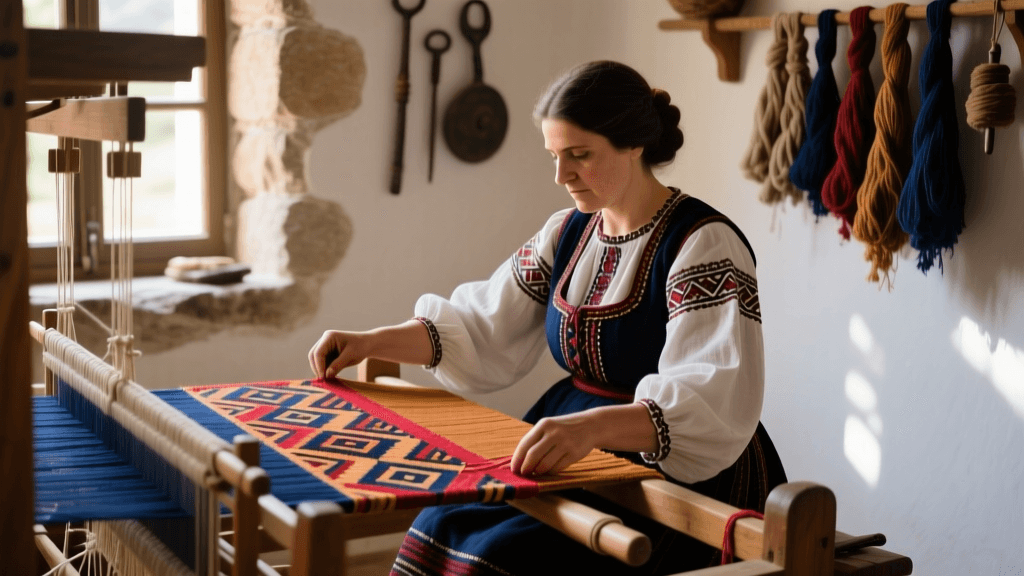
At the heart of Sardinian outerwear is orbace (derived from the Latin albagium, meaning white or undyed wool). Historically, this fabric was woven from the fleece of native Sardinian sheep, renowned for its high lanolin content. The traditional weaving process, often executed on horizontal wooden looms, creates a dense, tightly packed textile that is naturally water-resistant and incredibly insulating.
The 2026 Weaving Innovations
Historically, raw orbace was notoriously stiff and heavy, requiring months of wear to break in. However, the 2026 landscape of Sardinian textile manufacturing has introduced innovative, eco-friendly finishing techniques. Modern heritage ateliers now utilize natural enzymatic washes and mechanical fulling processes that soften the hand-feel of the wool without stripping its natural lanolin. This means contemporary orbace coats offer the rugged weather resistance of their ancestors but with the drape and comfort expected of modern luxury outerwear.
The Italian Ministry of Culture has recently highlighted several Sardinian weaving cooperatives in the Barbagia and Marmilla regions for their commitment to preserving the a grana (grain) and a spiga (herringbone) weaving patterns while adopting sustainable, zero-waste dyeing practices using local flora like walnut husks and wild asphodel.
The Art of Sardinian Filigree (Sa Filigrana)
No Sardinian vest or jacket is complete without its hardware. Sardinian filigree is a masterclass in metallurgy, characterized by delicate, lace-like patterns created from fine silver or gold wires, often punctuated with small, spherical granules. In traditional folk dress, these were not merely decorative; the number and complexity of a man's silver buttons (bottoni) or clasps (gancini) directly indicated his social standing and wealth.
Towns like Castelsardo, Dorgali, and Iglesias remain the epicenters of this craft. In 2026, master goldsmiths are collaborating directly with fashion houses to create modular filigree hardware. Instead of permanently sewing heavy silver buttons onto a single garment, modern heritage brands offer removable filigree toggle sets, allowing the wearer to transfer their ancestral silver from a winter orbace coat to a lighter spring linen jacket.
2026 Heritage Brand Comparison: Where to Invest
Navigating the market for authentic Sardinian heritage garments requires an understanding of the current artisans leading the charge. Below is a comparison of top-tier ateliers and cooperatives producing authentic orbace and filigree pieces in 2026.
| Heritage Atelier / Cooperative | Primary Specialty | 2026 Price Range (EUR) | Custom Lead Time |
|---|---|---|---|
| Tessitura Artigiana Marmilla | Raw & Enzyme-Washed Orbace Overcoats | €950 - €1,800 | 8 - 12 Weeks |
| Atelier Su Cordonu (Dorgali) | Sterling Silver Filigree Button Sets | €250 - €600 (per set) | 4 - 6 Weeks |
| Sa Berritta Antiga (Nuoro) | Traditional Vests (Cippone) & Headwear | €450 - €850 | 3 - 5 Weeks |
| Maestri del Telaio (Isili) | Bespoke Wool Trousers & Gaiters | €300 - €550 | 4 - 6 Weeks |
Note: Prices reflect 2026 market rates for bespoke, artisan-crafted garments. Mass-produced tourist souvenirs sold in coastal resorts do not reflect these standards and should be avoided by serious collectors.
Practical Guide: Sizing and Commissioning Bespoke Pieces
If you are commissioning a traditional cippone (vest) or a modern interpretation of the gabbana from a Sardinian atelier in 2026, accurate measurements are critical. Sardinian tailoring features a distinct drop and armhole structure compared to standard Neapolitan or British tailoring.
Key Measurements to Provide
- The Chest Drop: Sardinian vests are cut with a slightly higher armhole and a deeper chest drop to allow for the voluminous linen camisa worn underneath. When providing your chest measurement, specify the thickness of the base layers you intend to wear.
- Shoulder Slope: Traditional orbace coats lack padded shoulders. The garment relies on the natural slope of the wearer's shoulders and the heavy drape of the wool. Provide your exact shoulder slope angle or request a 'natural shoulder' block from the tailor.
- The Cloak Length: For a gabbana, the standard historical length falls just below the knee to allow for horseback riding and mountain walking. For a modern urban adaptation, request a mid-thigh drop (approximately 85-95 cm from the nape of the neck) for better mobility.
Styling Sardinian Heritage in the Modern Wardrobe
Integrating heavy regional folk dress into a contemporary 2026 wardrobe requires a balance of texture and proportion. Here is how style archivists and heritage enthusiasts are wearing these pieces today:
- Textural Contrast: Pair a heavy, dark brown orbace vest with a crisp, lightweight Japanese selvedge denim shirt and tailored wool trousers. The contrast between the coarse, lanolin-rich wool and the smooth, structured denim highlights the artisanal quality of the weave.
- Hardware as Focal Points: If wearing a jacket adorned with large Sardinian filigree buttons, keep the rest of your accessories minimal. Avoid pocket squares or lapel pins; let the sa filigrana serve as the sole piece of jewelry on the torso.
- The Modern Berritta: While the traditional long cap is rarely worn in urban centers today, heritage brands have adapted the berritta into a structured, brimless wool beanie that retains the original ribbed knitting pattern but fits snugly for contemporary streetwear.
Care and Maintenance for Orbace and Silver
Investing in Sardinian heritage garments requires specific maintenance protocols to preserve the integrity of the materials.
Caring for Orbace Wool
Never dry-clean authentic, unblended orbace wool. The harsh chemicals used in standard dry cleaning will strip the natural lanolin, destroying the fabric's water-resistant properties and leaving it brittle. Instead, rely on the traditional method: air the garment out in a shaded, well-ventilated area. For spot cleaning, use a damp cloth with a mild, pH-neutral wool soap. If the garment loses its water resistance over time, specialized 2026 lanolin-replenishing sprays, available from heritage textile care brands, can be applied to restore the wool's natural oils.
Maintaining Filigree Silver
Sardinian filigree is notoriously difficult to polish due to its intricate, lace-like granulation. Do not use abrasive silver dips or polishing cloths, which can catch on the tiny wire spheres and bend them. According to guidelines from the Istituto Superiore Regionale Etnografico (ISRE), the safest method for cleaning traditional silver buttons is to use a soft-bristled makeup brush dipped in a mild solution of warm water and baking soda, gently dusting the crevices, followed by a thorough rinse and immediate drying with a microfiber cloth.
Where to Source Authentic Pieces
When sourcing Sardinian folk dress or heritage adaptations, provenance is everything. In 2026, look for the Marchio Collettivo di Qualità (Collective Quality Mark) issued by the Sardinian Chamber of Commerce, which guarantees that the textile was woven on the island using traditional methods and native fibers. Avoid shops in high-traffic tourist zones like Costa Smeralda that sell 'imported' wool vests. Instead, plan a visit to the interior towns of Nuoro, Oristano, and Isili, where the rhythmic clacking of wooden looms and the hum of jeweler's torches continue to drive the heartbeat of European folk dress preservation.