Sardinian Folk Dress 2026: Top Heritage Brands & Orbace Guide
The Renaissance of the Costume Sardo in 2026
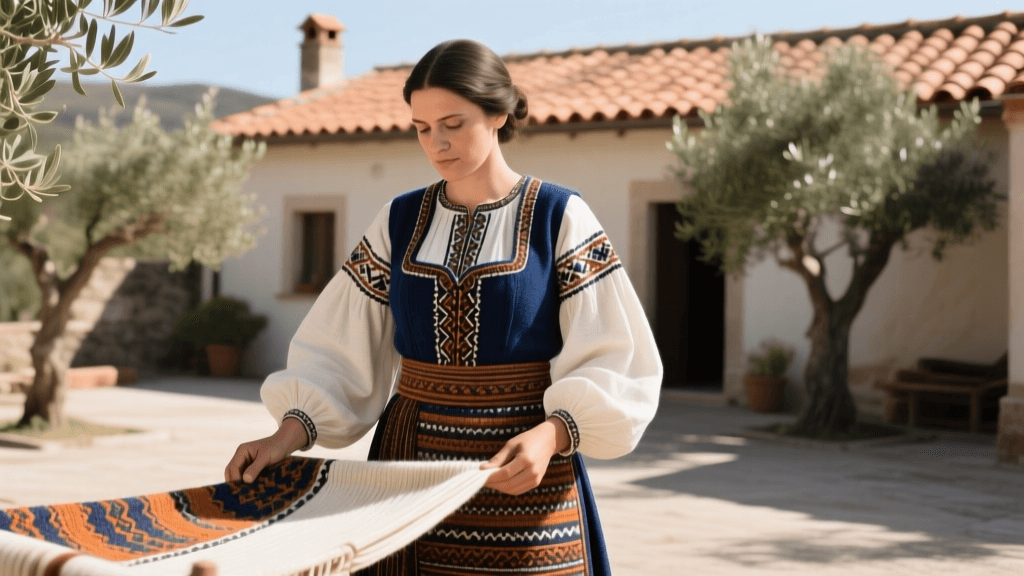
The Mediterranean island of Sardinia has long been celebrated for its fierce independence, ancient linguistic roots, and profoundly distinct cultural identity. Nowhere is this identity more vividly expressed than in the costume sardo (Sardinian traditional dress). Unlike many European folk costumes that faded into ceremonial obscurity, Sardinian regional garments have experienced a massive resurgence. In 2026, the global pivot towards slow fashion, hyper-local heritage, and sustainable textiles has thrust Sardinian weaving techniques into the international spotlight. Today, heritage brands and artisanal cooperatives are not merely preserving museum pieces; they are actively integrating ancient Sardinian textile methods into contemporary, wearable wardrobes.
According to cultural historians and regional archives documented by Sardegna Cultura, there are over 400 distinct variations of the Sardinian folk dress, with nearly every village boasting its own specific color palette, embroidery style, and jewelry tradition. As we navigate 2026, the focus for collectors and fashion enthusiasts has shifted toward the raw materials and the master weavers keeping these traditions alive.
Anatomy of the Sardinian Folk Dress
To understand the value of Sardinian heritage garments, one must first understand their complex anatomy. The traditional dress is a masterclass in layering, designed to handle the island's rugged interior mountains and coastal winds.
The Male Garment Ensemble
- Berritta: The iconic Phrygian-style cap, usually made of black or dark brown orbace wool, worn pulled to one side.
- Carzetta: A loose-fitting, white linen shirt featuring intricate embroidery around the collar and chest.
- Ragas: A pleated, knee-length skirt or kilt made of heavy black wool, worn over white linen trousers (cartzones).
- Cintura: A wide, heavily studded leather belt that provides back support and holds a traditional folding knife (leppa).
The Female Garment Ensemble
- Cambusciu: The foundational chemise, crafted from fine linen or silk, featuring voluminous sleeves and delicate lace cuffs.
- Imbustu: A structured, heavily embroidered corset that shapes the silhouette and serves as a canvas for gold and silver threadwork.
- Faldita: A richly pleated skirt, often trimmed with vibrant silk ribbons and velvet borders, varying in color from deep crimson to midnight blue depending on the village.
- Fazzoletto: A finely woven headscarf, sometimes draped over a stiffened under-cap, signaling marital status and regional origin.
The Textile Heart: Orbace Wool and Pibiones Weave
The true soul of Sardinian folk dress lies in its textiles. In 2026, two specific textile traditions dominate the heritage fashion conversation: Orbace wool and the Pibiones weave.
Orbace: The Armor of the Shepherds
Orbace is a coarse, hand-woven wool derived from native Sardinian sheep breeds. Historically, it was the ultimate survival fabric for the island's shepherds. The wool is spun tightly and woven on traditional wooden floor looms, creating a dense, naturally water-resistant, and windproof textile. In 2026, heritage weavers are utilizing eco-friendly, plant-based mordants to dye the orbace, using walnut husks for deep blacks, saffron for vibrant yellows, and madder root for rich reds. The resulting fabric is incredibly durable, softening beautifully with age while retaining its structural integrity.
Pibiones: The Raised Grain Technique
Originating primarily from the village of Samugheo, the pibiones (meaning 'grains' or 'seeds' in the Sardinian language) technique involves weaving a raised, textured pattern into the fabric. Weavers manually wrap the weft thread around a slender rod to create small, raised bumps that form intricate geometric motifs. This labor-intensive process requires immense skill and patience. In 2026, authentic hand-woven pibiones textiles are highly sought after by luxury interior designers and avant-garde fashion houses looking for authentic, tactile fabrics.
Leading Sardinian Heritage Brands in 2026
As the demand for authentic, ethically produced heritage garments grows, several Sardinian brands and cooperatives have emerged as the standard-bearers for 2026. The Italian artisans' confederation, CNA (Confederazione Nazionale dell'Artigianato), has heavily supported these micro-enterprises, ensuring that traditional weaving techniques are protected under strict regional heritage guidelines.
1. Tramas
Tramas is a pioneering design brand that successfully bridges the gap between ancient Sardinian loom techniques and contemporary 2026 aesthetics. While they are famous for home textiles, their recent expansion into wearable heritage accessories—such as pibiones-weave scarves, shawls, and structured orbace tote bags—has been a massive success. Tramas works directly with master weavers in Samugheo, ensuring fair wages and the preservation of the craft.
2. Tessitura Artigiana di Samugheo
This historic cooperative is the beating heart of Sardinian textile preservation. In 2026, they released a highly anticipated capsule collection of lightweight orbace blends, specifically engineered for transitional weather. By blending traditional Sardinian wool with organic Mediterranean cotton, they have created a breathable yet durable fabric that appeals to modern consumers who want the heritage look without the heavy weight of traditional shepherd's gear.
3. Argenteria Dettori (Filigree Specialists)
No Sardinian costume is complete without its jewelry, specifically the intricate filigrana sarda (Sardinian filigree). Argenteria Dettori, based in Nuoro, continues to handcraft the iconic button clusters (bottoni) used to fasten the female corset and male shirts. In 2026, they have introduced a line of modular filigree buttons that can be easily attached to modern blazers and coats, allowing buyers to incorporate Sardinian heritage into their daily wardrobes.
2026 Investment and Sourcing Guide
Investing in authentic Sardinian folk dress and heritage textiles requires an understanding of current market values. Mass-produced imitations have flooded the tourist markets, making it crucial to source directly from certified artisans. Below is a comprehensive pricing and sourcing guide for 2026.
| Garment / Textile Type | Traditional Material | 2026 Artisan Price Range (EUR) | Care & Maintenance Requirements |
|---|---|---|---|
| Authentic Orbace Wool Coat | 100% Native Sardinian Sheep Wool | €850 - €1,400 | Professional dry clean only; store with cedar blocks to repel moths. |
| Hand-Woven Pibiones Scarf | Wool and Linen Blend | €220 - €380 | Gentle hand wash in cold water with lanolin-based soap; lay flat to dry. |
| Embroidered Imbustu (Corset) | Velvet, Silk, Gold/Silver Thread | €1,200 - €2,500 | Spot clean only; never iron directly on metallic embroidery threads. |
| Filigree Silver Button Set (12pc) | Sterling Silver (925) | €450 - €700 | Polish with a microfiber cloth; store in anti-tarnish pouches. |
| Traditional Berritta (Cap) | Heavyweight Black Orbace Wool | €120 - €180 | Brush off dust with a soft bristle brush; steam to reshape. |
Contemporary Styling: Wearing Sardinian Heritage in 2026
The goal of modern heritage fashion is integration, not impersonation. Wearing a full, traditional costume sardo outside of a regional festival like the Cavalcata Sarda or the Festa del Redentore can look costumey. However, integrating individual heritage pieces into a contemporary 2026 wardrobe yields stunning, sophisticated results.
- The Pibiones Scarf as a Statement Piece: Drape a hand-woven Samugheo pibiones scarf over a minimalist, tailored cashmere overcoat. The raised geometric textures of the Sardinian wool provide a striking visual contrast to the smooth, modern cashmere.
- Filigree Buttons on Modern Tailoring: Replace the standard horn or plastic buttons on a high-quality navy blazer with authentic Sardinian silver filigree buttons. This subtle nod to Mediterranean heritage elevates a standard business-casual garment into a bespoke work of art.
- Orbace Wool Accessories: If a full orbace coat is too heavy or outside your budget, look for heritage brands producing orbace wool laptop sleeves, weekend bags, and structured caps. The natural water resistance of the wool makes it an incredibly practical material for daily use.
Preserving the Thread of History
The survival of Sardinian folk dress relies entirely on the economic viability of its artisans. When you purchase an authentic orbace garment or a set of filigree buttons in 2026, you are not just buying a piece of clothing; you are funding the apprenticeship of the next generation of Sardinian weavers and silversmiths. By choosing heritage brands that prioritize transparency, fair wages, and traditional loom techniques, collectors and fashion enthusiasts ensure that the costume sardo remains a living, breathing testament to European textile mastery for centuries to come.