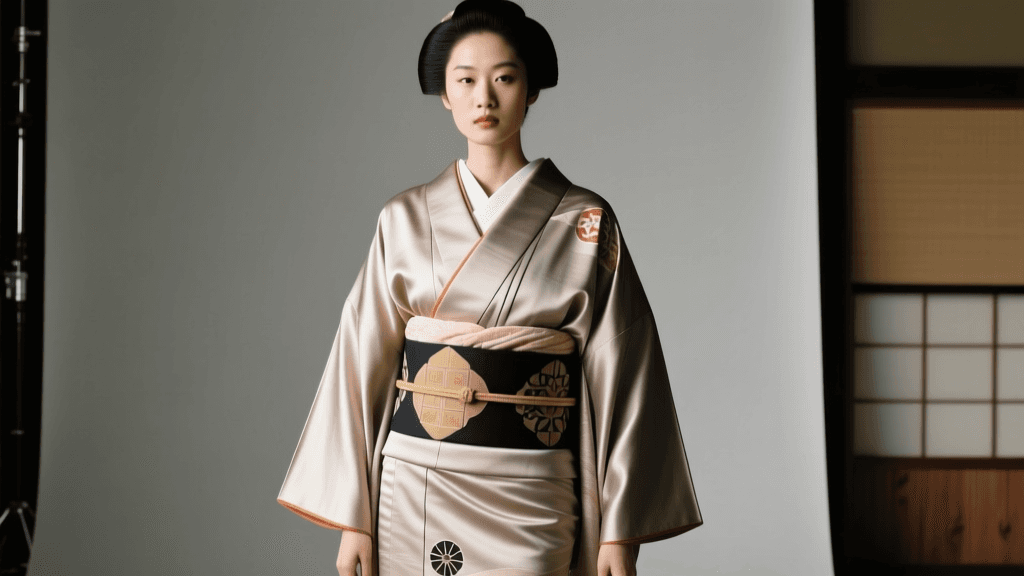
Zen Samue Meditation Wear: Mindful Dressing Guide 2026
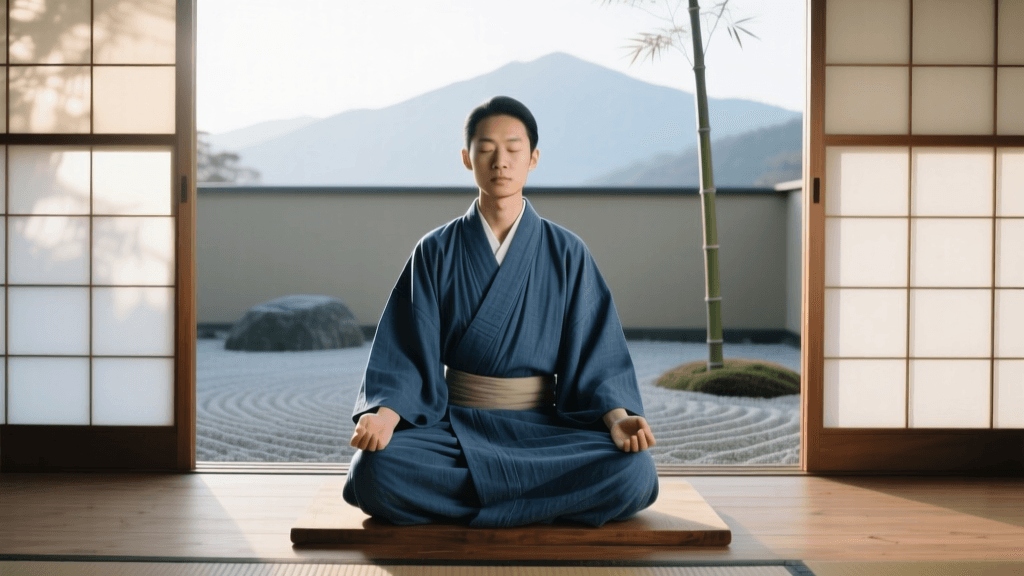
The Intersection of Zen Spirituality and Traditional Garments
In the fast-paced digital era of 2026, the ancient practice of Zen meditation offers a profound sanctuary for the mind. However, true Zen extends far beyond the cushion; it permeates every action, including the seemingly mundane act of getting dressed. Mindful dressing, or the conscious selection and wearing of traditional garments like the Japanese samue, transforms a daily routine into a grounding spiritual ritual. The samue, originally designed as work clothing for Zen monks engaging in samu (physical labor and temple maintenance), has evolved into the premier meditation garment for modern practitioners. By understanding the tactile, structural, and historical elements of the samue, meditators can deepen their somatic awareness and enhance their zazen (seated meditation) practice.
Why Samue is the Ultimate Meditation Garment for 2026
While modern athleisure dominates the wellness market, traditional Japanese garments offer a sensory experience that synthetic fabrics simply cannot replicate. In 2026, there has been a massive resurgence in heritage textiles, driven by a collective desire for sustainability and tactile authenticity. The samue provides a gentle, weighted compression that acts as a somatic anchor, signaling to the nervous system that it is time to transition from worldly distractions to inner stillness.
Fabric Weight and Sensory Grounding
The most sought-after samue in 2026 are woven from Kurume cotton, a traditional textile originating from Fukuoka Prefecture. Unlike the uniform, frictionless surface of modern polyester blends, Kurume cotton features a subtle slub texture. This micro-texture provides continuous, gentle sensory feedback against the skin, which helps anchor a wandering mind during prolonged meditation sessions. Furthermore, the 2026 market has seen a rise in GOTS-certified organic indigo-dyed samue. Natural indigo possesses subtle antibacterial properties and a deep, calming visual frequency that aligns perfectly with the serene aesthetics of a Zen dojo.
Step-by-Step Mindful Dressing Ritual
According to the teachings highlighted by the San Francisco Zen Center, every movement in the Zen tradition is an opportunity for mindfulness. Dressing in a samue should not be rushed. It is a deliberate choreography of breath and fabric.
1. Centering and Preparation
Before touching the garment, stand in a relaxed posture and take three deep, diaphragmatic breaths. Acknowledge the garment as a tool for your spiritual practice, treating the cotton with the same reverence you would offer a sacred text.
2. Donning the Zubon (Pants)
Step into the loose-fitting pants. The waistband is secured with a himo (drawstring). Tie the string securely at the tanden—the energetic center located roughly two inches below the navel. In Zen, the tanden is the focal point of physical and spiritual gravity. Tying the knot here provides a physical reminder to breathe deeply into the lower abdomen.
3. Wrapping the Uwagi (Jacket)
Slip your arms into the jacket. Crucially, you must wrap the left side over the right side. In Japanese culture, wrapping right-over-left is strictly reserved for dressing the deceased for burial. Wrapping left-over-right honors the living and aligns with the natural flow of energy.
4. Securing the Outer Himo
Tie the outer strings at the waist. Here, precision is vital for breathwork. You must leave exactly two fingers of space between the knot and your abdomen. If tied too tightly, you restrict the diaphragm, forcing shallow chest breathing which induces anxiety. If tied too loosely, the garment shifts during kinhin (walking meditation), breaking your concentration.
Garment Comparison for Zen Practitioners
To help you select the appropriate attire for your specific practice, we have compiled a comprehensive comparison of traditional Japanese meditation garments available in the 2026 market.
| Garment Type | Primary Fabric | Best Season | Avg. Cost (2026) | Meditation Style |
|---|---|---|---|---|
| Traditional Samue | Kurume Cotton | Spring/Autumn | $140 - $250 | Zazen (Seated) |
| Summer Jinbei | Hemp/Linen Blend | Summer | $80 - $150 | Walking (Kinhin) |
| Juban (Undergarment) | Silk/Rayon | Year-round | $60 - $120 | Layering/Temp Control |
| Modern Zen Wear | Organic Bamboo | Year-round | $90 - $180 | Restorative/Yin |
Posture, Breath, and the Drape of the Cloth
The structural integrity of the samue directly supports the biomechanics of the lotus or Burmese meditation posture. When sitting cross-legged on your zafu (cushion) and zabuton (mat), the gusseted crotch of the samue pants allows for complete hip external rotation without binding or pulling at the seams. This is a critical advantage over modern joggers, which often feature restrictive elastic cuffs that impede blood circulation to the lower legs during 45-minute zazen periods.
Furthermore, the sleeves of a traditional samue are designed to be wide but feature a subtle taper or an elasticized inner cuff to prevent the fabric from dragging across the meditation mat or knocking over a singing bowl. As noted in the Plum Village mindfulness practices, maintaining a pristine and undisturbed physical environment is a reflection of an undisturbed mind. The drape of the heavy cotton naturally encourages the practitioner to keep their spine erect; slouching causes the collar to pull uncomfortably against the back of the neck, providing immediate biofeedback to correct your posture without breaking your meditative focus.
Sourcing Authentic Samue in 2026
As global interest in Japanese heritage crafts surges, sourcing authentic samue requires navigating a market flooded with mass-produced imitations. In 2026, true artisanal samue are crafted in small batches in regions like Kurume and Kyoto, often utilizing heritage looms that have been modernized for eco-efficiency.
Identifying Authenticity and Pricing
An authentic, domestically produced Japanese samue will typically cost between $140 and $280 in 2026. Look for the 'Made in Japan' designation and verify the textile origin. Imitations, often constructed from thin polyester-cotton blends, usually retail for under $50 and lack the necessary weight, breathability, and spiritual lineage for serious meditation. In 2026, the Japanese Ministry of Economy, Trade and Industry has heavily subsidized traditional looms that utilize recycled cotton threads blended with virgin organic fibers, reducing the water footprint of Kurume cotton by 40% compared to a decade ago. When purchasing, look for the METI heritage craft certification stamp to ensure your purchase supports sustainable artisan communities.
Care and Preservation
To preserve the structural integrity and natural dyes of your garment, avoid machine washing. Hand wash your Kurume cotton samue in cold water using a pH-neutral detergent. Never wring the fabric; instead, press the water out and hang it to dry in the shade. Natural indigo will develop a beautiful, personalized patina over years of mindful use, recording the history of your meditation journey in its fading hues.
Conclusion: The Garment as a Teacher
In the realm of Asian traditions, clothing is never merely functional; it is deeply symbolic and intrinsically linked to the wearer's spiritual state. By adopting the samue and engaging in the ritual of mindful dressing, you invite the discipline, history, and serenity of Zen Buddhism into your daily life. As you tie the final knot and settle onto your cushion in 2026, remember that the fabric enveloping you is not just cotton—it is a boundary between the chaotic world and the boundless stillness within. For those looking to explore temple stays and experience monks wearing these garments firsthand, the Japan National Tourism Organization offers excellent resources on booking authentic shukubo (temple lodging) experiences across the country, allowing you to fully immerse yourself in the mindful traditions of Japanese garment culture.