Samue & Meditation Kimono: 2026 Guide to Mindful Zen Dress
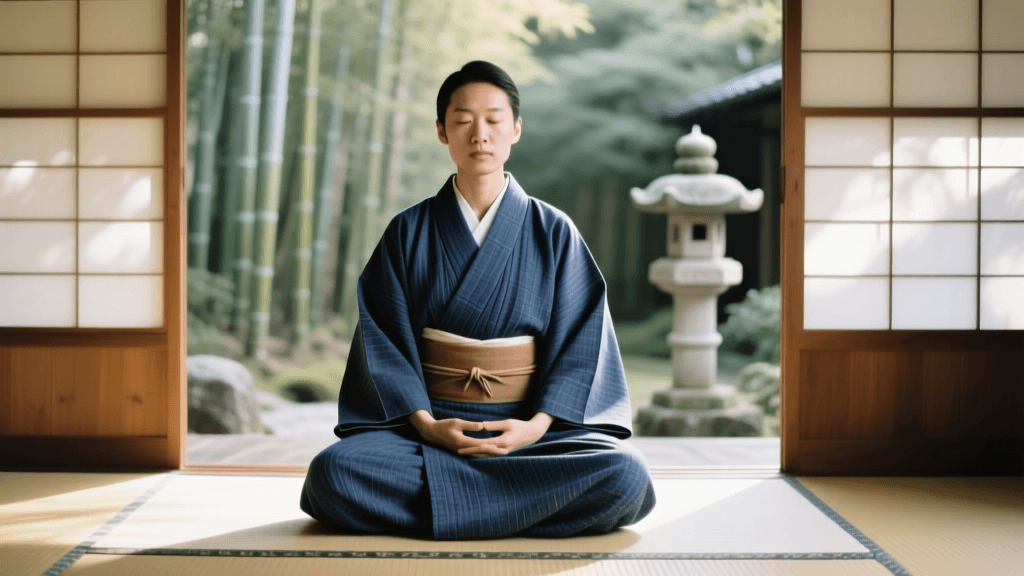
The Intersection of Zen Spirituality and Traditional Garments
In the contemporary landscape of 2026, the intersection of traditional Japanese garments and Zen Buddhist spirituality has evolved from a niche monastic practice into a globally recognized framework for mindful living. As practitioners worldwide seek deeper connections to their meditation routines, the concept of 'mindful dress' has taken center stage. The physical act of donning a kimono, samue, or zazen-gi is no longer viewed merely as putting on clothing; it is recognized as a transitional ritual that shifts the mind from the chaos of daily life into a state of grounded presence. This guide explores how traditional Zen garments facilitate meditation, the latest 2026 textile innovations, and how the art of kitsuke (dressing) serves as a moving meditation.
The Philosophy of Mindful Dressing in Zen Buddhism
In Zen philosophy, there is no separation between the mundane and the sacred. According to the teachings preserved by the Soto Zen Official Portal, everyday activities—including eating, cleaning, and dressing—are treated with the same reverence as formal seated meditation (zazen). The garments worn by Zen monks and lay practitioners are designed to eliminate distraction. They lack restrictive buttons, zippers, or tight tailoring that might impede the flow of breath or the circulation of blood during long periods of cross-legged sitting.
Mindful dressing, or 'shozoku' in the context of Zen attire, requires the practitioner to handle each layer with deliberate awareness. The weight of the cotton, the texture of the hemp, and the alignment of the collars all serve as tactile anchors, pulling the wandering mind back to the present moment before the practitioner even steps onto the zafu (meditation cushion).
The Samue: Anatomy of a Meditation Garment
Originally developed as the 'work clothes' (samu-e) for Zen monks engaging in physical labor around the temple grounds, the samue has become the quintessential uniform for modern lay meditation. Consisting of a loose-fitting top and matching trousers, the samue is secured with simple woven ties (himo). In 2026, the global demand for authentic, ethically produced Zen-wear has driven a renaissance in traditional Japanese weaving hubs like Kurume and Iyo.
Modern practitioners favor the samue for its versatility. The wide sleeves allow for unrestricted arm movement during kinhin (walking meditation), while the relaxed waistband accommodates the expansion of the diaphragm during deep, abdominal breathing. Unlike Western activewear, which often compresses the body, the samue creates a microclimate of stillness around the skin, encouraging a physical sensation of being 'held' without being restricted.
2026 Textile Innovations: Hemp, Kurume Cotton, and Peace Silk
The year 2026 has seen remarkable advancements in sustainable textile production that honor ancient techniques while addressing modern climate needs. Artisans are now blending traditional Japanese hemp (asa) with organic cotton to create fabrics that possess the structural drape of heavy canvas but the breathability of fine linen. These climate-adaptive blends are particularly prized for summer sesshins (intensive meditation retreats), where temperature regulation is vital for maintaining focus.
Furthermore, natural indigo dyeing (aizome) has experienced a massive resurgence. Beyond its striking aesthetic, natural indigo is prized in 2026 for its inherent antibacterial and odor-resistant properties, making it highly practical for multi-day retreats where laundry facilities are limited. The faint, earthy scent of genuine aizome also acts as an olfactory trigger, signaling to the brain that it is time to enter a meditative state.
Comparing Zen Meditation Garments for 2026
Selecting the right garment depends on the specific nature of your practice, the climate, and your sensory preferences. Below is a comprehensive comparison of the primary garments utilized in Zen traditions today.
| Garment | Best For | 2026 Fabric Trends | Mindfulness Focus |
|---|---|---|---|
| Samue | Daily Zazen & Temple Work | Organic Hemp-Cotton Blends | Grounding & Routine |
| Zazen-gi | Intensive Sesshin Retreats | Heavyweight Kurume Cotton | Posture & Breath Awareness |
| Juban | Under-layer Temperature Control | Washable Peace Silk Alternatives | Sensory Regulation |
| Koromo | Formal Ceremonies & Chanting | Traditional Ramie & Hemp | Reverence & Lineage |
Kitsuke as Moving Meditation: A Step-by-Step Guide
The process of dressing in traditional Japanese clothing is known as kitsuke. While often associated with the elaborate silk kimonos of geisha or tea ceremony practitioners, the kitsuke of Zen-wear is an exercise in minimalism and intentionality. Here is how to transform your daily dressing routine into a moving meditation:
- Center the Breath: Before picking up the garment, stand with your feet shoulder-width apart. Take three deep, abdominal breaths. Acknowledge the transition from worldly tasks to spiritual practice.
- Align the Collar: Slide your arms into the samue or zazen-gi. Bring the right side of the collar across your chest first, followed by the left side overlapping it. (In Japanese tradition, left-over-right is for the living, while right-over-left is reserved for the deceased). Feel the fabric settle against your collarbones.
- Tie the Himo with Intention: The himo (ties) should be secured with a simple bow or square knot at the side or front. As you pull the ties taut, sync the tightening motion with your exhale. The knot should be secure enough to hold the garment in place, but loose enough to allow a full, unhindered breath.
- Smooth the Fabric: Run your hands down the front and back of the garment, smoothing out any wrinkles. This physical act mirrors the smoothing of a cluttered mind, preparing a clean slate for zazen.
Sourcing Authentic Zen-Wear and Cultural Preservation
As the wellness industry has commercialized mindfulness, the market has been flooded with mass-produced, synthetic imitations of traditional garments. For practitioners seeking authentic pieces that support cultural preservation, sourcing directly from Japanese artisans is paramount. As highlighted by the Japan National Tourism Organization, cultural tourism and direct-to-consumer artisan platforms have made it easier than ever in 2026 to support multi-generational weaving families in regions like Fukuoka and Kyoto.
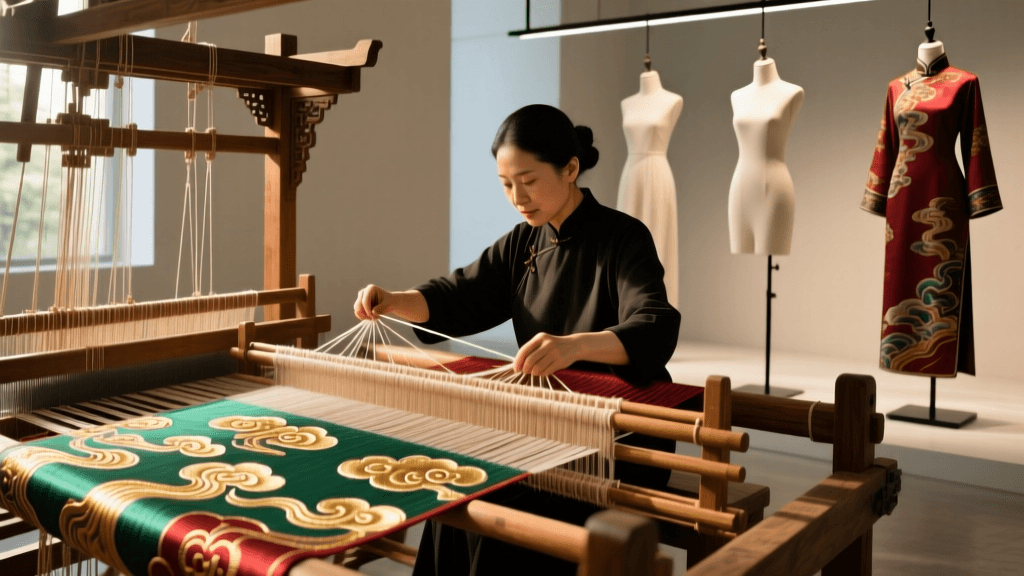
When investing in a high-quality samue or meditation kimono, look for certifications of traditional craftsmanship, such as the 'Dento Kogeishi' (Traditional Craftsperson) designation. Authentic Kurume cotton, for instance, is woven on vintage shuttle looms that create a slightly uneven, deeply textured fabric that softens beautifully over years of use, molding to the practitioner's body and practice.
Care and Maintenance as an Extension of Practice
In Zen, the care of one's tools is an extension of the practice itself. Washing a natural indigo samue requires mindfulness. Avoid harsh, synthetic detergents that strip the natural oils and dyes from the cotton. Instead, use pH-neutral, plant-based soaps. Hand-washing in cool water allows you to engage physically with the garment, feeling the weight of the wet cotton and expressing gratitude for the protection and comfort it provides during your spiritual endeavors. Hang the garment to dry in the shade, as direct sunlight can degrade natural dyes over time.
Conclusion: Wearing Your Practice
The garments we choose to wear during meditation are not mere costumes; they are architectural structures that support the spine, regulate the senses, and signal to the nervous system that it is time to turn inward. Whether you are slipping into a lightweight hemp samue for a morning sit or wrapping yourself in a heavyweight Kurume cotton zazen-gi for a winter retreat, the mindful integration of traditional Japanese clothing into your Zen practice offers a profound, tactile anchor to the present moment. In 2026, as the world moves faster than ever, the slow, deliberate act of tying a simple cotton himo remains a radical act of presence.