Yukata vs Jinbei: The 2026 Japanese Summer Style Guide
The Ultimate 2026 Guide to Japanese Summer Casual Wear
As the humid, vibrant days of the 2026 summer season arrive, Japan transforms into a spectacular showcase of fireworks (hanabi), traditional dance festivals (bon odori), and lively street food stalls. For both locals and international travelers, participating in these events often involves donning traditional Japanese summer garments. However, choosing the right attire can be confusing for the uninitiated. The two most prominent options are the yukata and the jinbei. While both are designed to combat the sweltering Japanese heat while honoring cultural aesthetics, they serve distinctly different purposes, feature unique constructions, and follow different styling rules.
In this comprehensive guide, we will break down the historical context, modern 2026 trends, practical styling advice, and occasion-based recommendations to help you decide whether a flowing yukata or a breezy jinbei is the right choice for your summer itinerary.
Understanding the Yukata: Elegance Meets Breathability
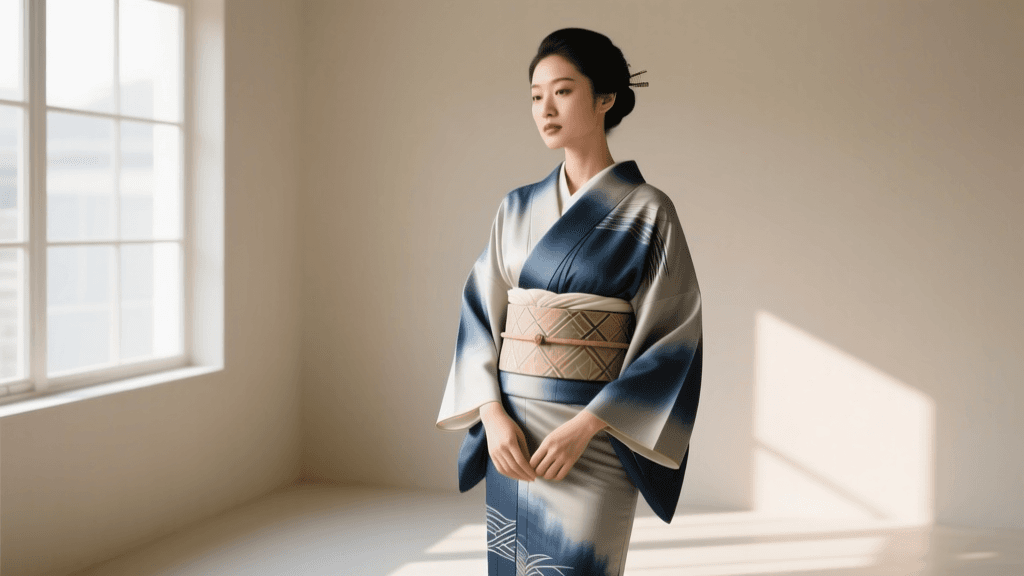
The yukata is a lightweight, unlined kimono traditionally made from cotton or, increasingly in 2026, advanced cotton-linen blends that offer superior moisture-wicking properties. Historically, the yukata originated in the Edo period as a bathing robe worn by the aristocracy before evolving into the everyday summer wear of the common people. According to the Victoria and Albert Museum's comprehensive guide on the evolution of the kimono and yukata, the garment's transition from private bathhouse wear to public festival attire is a fascinating study in Japanese textile history.
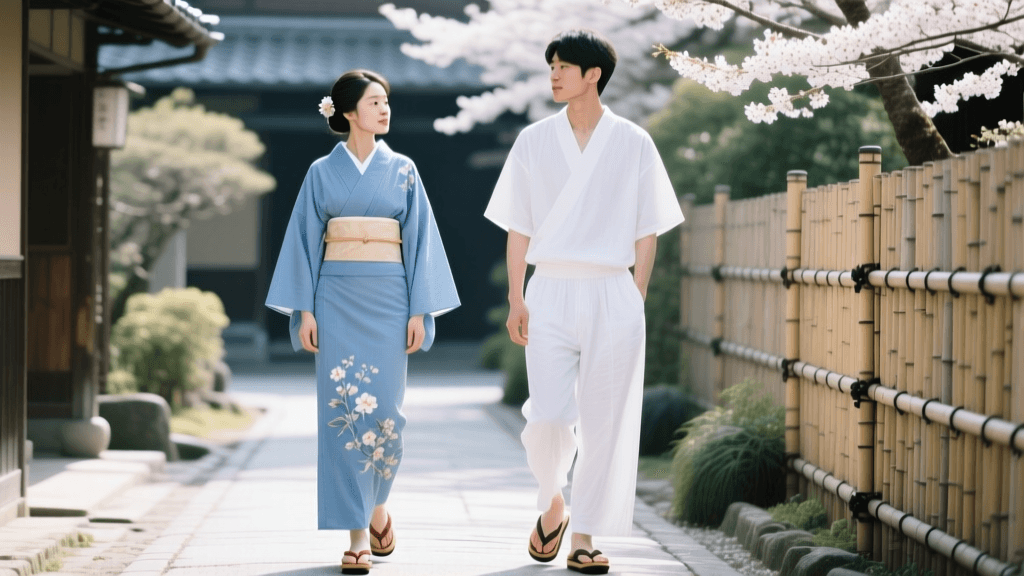
A yukata is a single-piece, T-shaped robe that wraps around the body, with the left side always folded over the right. It is secured using an obi (a sash or belt), which can range from a simple, narrow cotton belt (hanhaba obi) for casual outings to more elaborate, stiffened belts for major festivals. Wearing a yukata requires a bit of practice, as the wrapping, folding, and tying of the obi must be done precisely to maintain the garment's elegant silhouette.
Key Characteristics of the Yukata
- Construction: Single-piece, wide-sleeved robe with an open front.
- Formality: The most casual type of kimono, but still considered appropriate 'street wear' and festival attire.
- Footwear: Traditionally paired with geta (wooden clogs) and tabi (split-toe socks), though modern styling often incorporates casual leather or woven sandals.
- Gender Norms: Worn by all genders, though women's yukata typically feature more vibrant patterns and wider sleeves, while men's feature darker, subdued colors and shorter sleeves.
The Jinbei: Ultimate Comfort for Casual Summer Days
If the yukata is the elegant ambassador of Japanese summer fashion, the jinbei is its relaxed, pragmatic sibling. The jinbei is a two-piece garment consisting of a short-sleeved, wrap-style top and matching shorts. Originally designed as indoor loungewear or sleepwear for men during the Edo period, the jinbei has experienced a massive cultural renaissance. By 2026, it is widely accepted as outdoor casual wear for neighborhood strolls, local fireworks viewing, and casual convenience store runs.
The genius of the jinbei lies in its ventilation. The shorts and top are connected not by zippers or buttons, but by simple tie-strings. Furthermore, the side seams of both the top and the shorts are often left open or feature deep slits, allowing for maximum airflow. Modern textile innovations have also introduced seersucker cottons, lightweight gauze weaves, and even recycled synthetic blends that mimic the texture of traditional linen while offering rapid dry-times.
Key Characteristics of the Jinbei
- Construction: Two-piece set (top and shorts) secured with fabric tie-strings.
- Formality: Extremely casual. It is considered inappropriate for formal dining, upscale ryokans, or major ceremonial events.
- Footwear: Highly versatile. While traditional geta can be worn, it is entirely acceptable (and common) to wear modern sandals, sneakers, or slip-ons with a jinbei.
- Gender Norms: Once strictly male, the 2020s saw a surge in women's and gender-neutral jinbei featuring floral prints, lace trims, and modern color palettes.
Head-to-Head Comparison: Yukata vs. Jinbei
To help you make a quick decision based on your travel plans, refer to the comparison table below detailing the practical differences between these two garments for the 2026 season.
| Feature | Yukata | Jinbei |
|---|---|---|
| Formality Level | Semi-Casual / Festival Formal | Ultra-Casual / Loungewear |
| Ease of Dressing | Moderate to Difficult (requires obi tying) | Very Easy (simple string ties) |
| Mobility | Restricted (narrow hemline limits stride) | Unrestricted (allows running, sitting, dancing) |
| Typical Occasions | Hanabi taikai, temple visits, ryokan dinners | Bon odori, local street fairs, lounging at home |
| 2026 Price Range | ¥3,500 - ¥15,000+ ($25 - $110 USD) | ¥2,500 - ¥8,000 ($18 - $55 USD) |
| Rental Availability | Widely available in tourist hubs (Kyoto, Tokyo) | Rarely rented; usually purchased outright |
How to Choose Based on Your Summer Itinerary
Deciding between a yukata and a jinbei largely depends on where you are going and what you plan to do. The Japan National Tourism Organization's traditional culture resources frequently highlight how matching your attire to the local customs enhances the immersive travel experience.
Scenario 1: Major Fireworks Festivals (Hanabi Taikai)
Winner: Yukata. Major summer fireworks festivals, such as the Sumidagawa Fireworks Festival in Tokyo or the Nagaoka Festival in Niigata, are prime opportunities to dress up. The streets are filled with people in vibrant yukata, and wearing one allows you to blend in beautifully while taking stunning photographs. The restrictive nature of the yukata is less of an issue here, as the primary activities are walking slowly, sitting on picnic mats, and eating street food.
Scenario 2: Ryokan Stays and Onsen Towns
Winner: Yukata. When staying at a traditional Japanese inn (ryokan), you will almost always be provided with a house yukata. It is perfectly acceptable to wear this provided yukata around the inn, to dinner, and even for short strolls around the immediate onsen town (such as Kinosaki Onsen or Kusatsu). Wearing a jinbei to a ryokan dinner is generally frowned upon, as it is viewed as sleepwear or underwear.
Scenario 3: Neighborhood Bon Odori and Casual Strolls
Winner: Jinbei. Bon Odori are traditional dances held in neighborhoods to welcome the spirits of ancestors during the Obon season. These events involve active, rhythmic dancing around a central yagura (tower). A yukata's tight hemline makes dancing difficult and uncomfortable. A jinbei, however, offers the breathability and leg mobility required to dance the night away without worrying about your obi coming undone.
2026 Styling Trends and Modern Innovations
The landscape of traditional Japanese clothing is not static; it evolves with contemporary fashion and environmental awareness. In 2026, several key trends are dominating the summer wear market:
Sustainable and Tech-Infused Fabrics
With Japanese summers becoming increasingly hot and humid due to shifting climate patterns, textile manufacturers have introduced 'cool-touch' yukata and jinbei. These garments utilize specialized weaving techniques that create micro-vents in the fabric, alongside yarns treated with natural xylitol or mint-derived cooling agents. Furthermore, there is a strong push toward sustainability, with many boutique brands offering garments dyed using upcycled botanical waste and woven from recycled cotton.
Gender-Neutral and Modern Silhouettes
The strict gender binaries of the past are dissolving. In 2026, it is incredibly common to see men wearing yukata with floral or pastel motifs, and women wearing jinbei with sharp, geometric, or minimalist monochrome designs. The 'hakama-style' jinbei, which features wide-legged pants that mimic the look of formal samurai trousers, has become a massive hit for women seeking a blend of high fashion and extreme comfort.
Accessorizing the Look
No summer outfit is complete without accessories. For yukata, the trend in 2026 leans toward obidome (obi brooches) featuring contemporary art motifs, and kinchoku (drawstring bags) made from upcycled vintage kimono silk. For jinbei, the styling is much more relaxed; canvas tote bags, modern straw hats, and even minimalist leather crossbody bags are frequently paired with the two-piece sets to create a 'neo-traditional' streetwear vibe.
Care and Maintenance for Longevity
Proper care ensures your summer garments last for many seasons. Most modern yukata and jinbei are machine washable, but caution is required. Always use a mesh laundry bag and select a gentle, cold-water cycle to prevent the cotton from shrinking or the dyes from bleeding. Never use a tumble dryer; the intense heat will warp the fabric and ruin the structural integrity of the seams. Instead, hang the garments in the shade to air dry. The natural weight of the wet cotton will help pull out wrinkles, minimizing the need for ironing. If ironing is necessary, use a low-heat setting and place a pressing cloth between the iron and the garment.
Conclusion: Embracing the Season
Whether you choose the elegant, sweeping lines of a yukata or the pragmatic, breezy comfort of a jinbei, both garments offer a profound connection to Japanese summer culture. By understanding the nuances of formality, mobility, and occasion, you can navigate the 2026 festival season with confidence and style. Remember that the true spirit of these garments lies in their ability to bring a sense of coolness and joy during the hottest days of the year. Pack your fans, lace up your geta or sandals, and step out into the vibrant summer night.