Zen Mindful Dressing: Kimono & Samue Meditation Guide 2026
The Intersection of Garment and Spirit
In the fast-paced modern world, the act of getting dressed is often reduced to a mindless routine, a mere necessity to be rushed through before the day begins. However, within the profound traditions of Japanese Zen Buddhism, the garments we wear are not simply coverings; they are spiritual tools. As we navigate the wellness landscape of 2026, a growing number of meditation practitioners and mindfulness advocates are turning to the ancient practices of kitsuke (the art of dressing) and the wearing of traditional garments like the kimono and samue to deepen their zazen (seated meditation) practice.
Mindful dressing is the intentional, slow, and meditative process of putting on clothing, treating each fold, tie, and layer as a physical manifestation of mental focus. According to the Greater Good Science Center at UC Berkeley, mindfulness involves maintaining a moment-by-moment awareness of our thoughts, feelings, and bodily sensations. The tactile feedback and structural requirements of traditional Japanese garments provide an immediate, continuous sensory anchor, pulling the wandering mind back to the present moment before the meditation cushion is even reached.
The Philosophy of Straight Lines and Posture
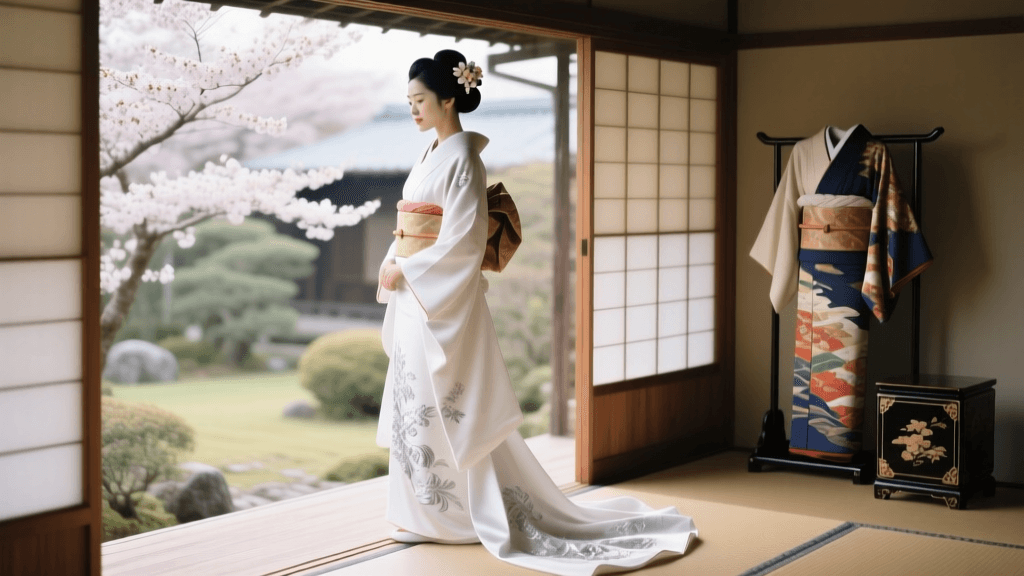
Western clothing is typically tailored to follow the curves of the human body. In stark contrast, traditional Japanese garments are constructed from straight bolts of fabric, creating a geometric, architectural silhouette. As detailed by the Victoria and Albert Museum in their extensive archives on Japanese dress, the kimono does not conform to the body; rather, the body must adjust to the kimono.
This structural reality is a cornerstone of Zen mindful dressing. When you wear a kimono or a samue (the traditional work and meditation garment of Zen monks), the straight lines and the securing of the obi (sash) naturally encourage an upright spine. In zazen, posture is paramount. The Upaya Zen Center emphasizes that an aligned spine allows for unobstructed breathing and the free flow of energy. The gentle, firm pressure of the obi against the hara (the lower abdomen, considered the body's spiritual and physical center of gravity) acts as a constant physical reminder to engage the core, sit upright, and breathe deeply from the diaphragm.
Choosing Your Meditation Garment for 2026
While the formal silk kimono is a masterpiece of textile art, it is not always practical for daily meditation. In 2026, Zen retreats in Kamakura and Kyoto have seen a massive surge in practitioners adopting specific, functional garments that bridge the gap between traditional aesthetics and meditative comfort. Below is a comparison of the most common garments used for mindful meditation today.
| Garment | Primary Use in Zen | Fabric & Weight | Restriction Level | Best Season |
|---|---|---|---|---|
| Samue | Monastic work, lay meditation, temple chores | Cotton, Hemp, Tencel blends (Medium) | Low (Elastic or tie waist, loose sleeves) | Year-round (varies by fabric weight) |
| Yukata | Summer retreats, post-bathing relaxation | Unlined Cotton (Light) | Medium (Requires obi tying) | Summer |
| Juban | Undergarment for sensory layering | Silk, Ro (gauze), Hemp (Very Light) | Low (Worn beneath main garment) | Year-round |
| Kimono | Formal ceremonies, deep ritual meditation | Silk, Wool, Linen (Heavy to Medium) | High (Strict posture required) | Autumn/Winter (Lined) |
The Rise of the Modern Samue
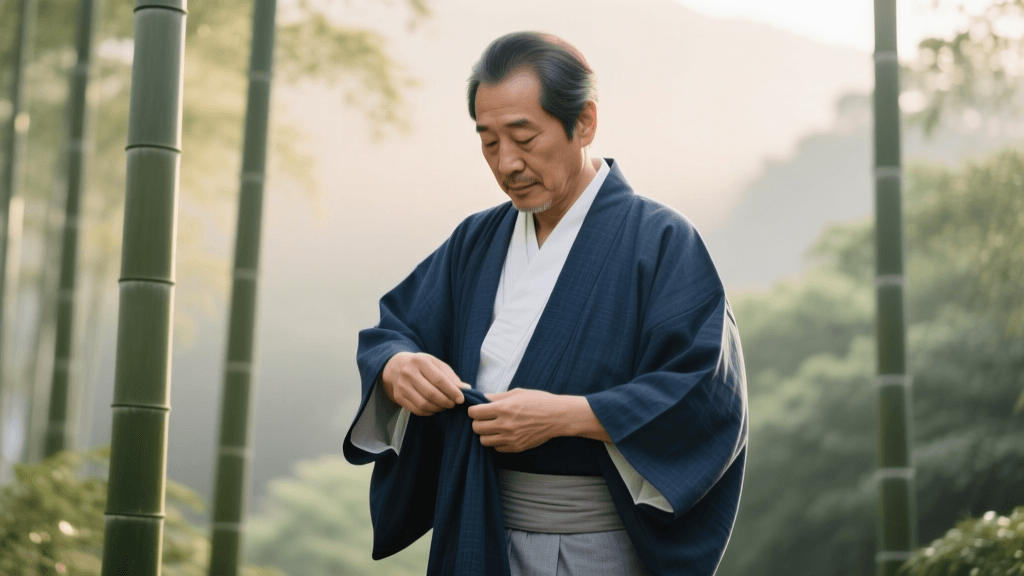
For the 2026 practitioner, the samue is the undisputed champion of daily mindful dress. Originally designed as 'making clothes' for monks engaging in soji (temple cleaning) and agricultural work, the samue consists of a jacket and loose-fitting trousers. In 2026, sustainable textile innovations have revolutionized the samue. Weavers in regions like Ojiya are producing lightweight, crinkled hemp-linen blends that offer incredible breathability for summer zazen, while heavy, organic indigo-dyed cotton provides grounding warmth in the winter. The act of tying the simple cotton cords of the samue trousers and jacket serves as a preliminary centering exercise, signaling to the brain that it is time to transition from worldly affairs to spiritual practice.
The Ritual of Kitsuke as Meditation
Kitsuke is the Japanese art of dressing. When approached with Zen intentionality, it becomes a moving meditation. Here is a step-by-step guide to transforming your dressing routine into a grounding ritual before sitting on the cushion.
1. Purification (Misogi)
Before touching your meditation garments, wash your hands and face with cool water. This physical act of cleansing represents the washing away of the day's mental clutter. Dry your skin slowly, feeling the texture of the towel, and take three deep, conscious breaths.
2. Centering the Juban (Undergarment)
Slide your arms into the juban. The collar should be crossed left over right (right over left is strictly reserved for dressing the deceased). As you smooth the fabric over your shoulders, focus on the sensation of the silk or hemp against your skin. Align the back seam perfectly with the center of your spine, visualizing your own spinal column straightening in tandem with the garment.
3. Wrapping the Main Garment
Whether donning a yukata or a formal kimono, bring the right side of the garment across your body, followed by the left. This wrapping motion should be slow and deliberate. Feel the weight of the fabric settling onto your shoulders. In Zen philosophy, this wrapping represents the embracing of the self and the containment of scattered energies.
4. Securing the Koshihimo and Datejime
Use the koshihimo (thin ties) to secure the garment at the hips. As you pull the tie taut and knot it, imagine you are binding your worldly distractions. Follow this with the datejime (a wider under-belt), which smooths the fabric. The pressure around your waist should be firm but not restrictive, providing a comforting, grounding hug that anchors your awareness to your hara.
5. Tying the Obi
For meditation, a simple, flat hani obi or a soft cotton sash is preferred over rigid, formal brocades. Wrap the obi around your center. With every revolution of the sash, repeat a silent mantra or focus on your exhale. The final knot, tied at the back or front depending on the specific monastic tradition, seals the ritual. You are now armored in mindfulness.
2026 Zen Retreat Trends: Textile Mindfulness
The global wellness industry has taken note of the profound psychological benefits of mindful dressing. In 2026, premium Zen retreats in Japan are integrating 'Textile Mindfulness' workshops into their itineraries. For example, a popular three-day silent retreat in Kamakura now includes sessions where participants learn to weave their own meditation sashes using sustainably sourced organic cotton, followed by guided zazen sessions wearing their newly created garments.
Furthermore, the 2026 market has seen a surge in 'tech-detox' clothing lines inspired by traditional Japanese workwear. These garments feature hidden, Faraday-cage-lined pockets designed to block electromagnetic signals, encouraging practitioners to physically disconnect from their devices when they put on their meditation clothes. Priced between $120 and $250 USD, these modern samue blends honor the aesthetic of the past while addressing the hyper-connected anxieties of the present.
Sensory Grounding in Zazen
Once seated on the zafu (meditation cushion), the garment continues to serve its purpose. When the mind inevitably wanders during zazen, Zen masters advise using a sensory anchor to return to the present. The subtle rustle of a linen samue as you breathe, the gentle, weighted pressure of the obi against your abdomen, or the cool touch of a silk juban collar against the nape of your neck can all serve as powerful anchors.
'The garment is the first teacher. Before you sit, it teaches you how to stand. While you sit, it teaches you how to breathe. When you rise, it teaches you how to move with grace.' — Anonymous Zen Proverb
By shifting your attention to the physical sensation of the fabric against your skin, you bypass the analytical mind and drop directly into somatic awareness. This is the ultimate goal of mindful dressing: to erase the boundary between the wearer, the garment, and the act of meditation, resulting in a state of unified, present awareness.
Conclusion
As we move through 2026, the integration of ancient garment traditions with modern mindfulness practices offers a powerful antidote to the disembodied nature of digital life. Whether you are wrapping yourself in the structured elegance of a silk kimono for a formal ceremony, or simply tying the cotton cords of a humble samue in your living room, the act of mindful dressing transforms a daily chore into a profound spiritual ritual. By honoring the fabric, respecting the structure, and moving with intention, you prepare not just your body, but your mind, for the deep stillness of the Zen path.