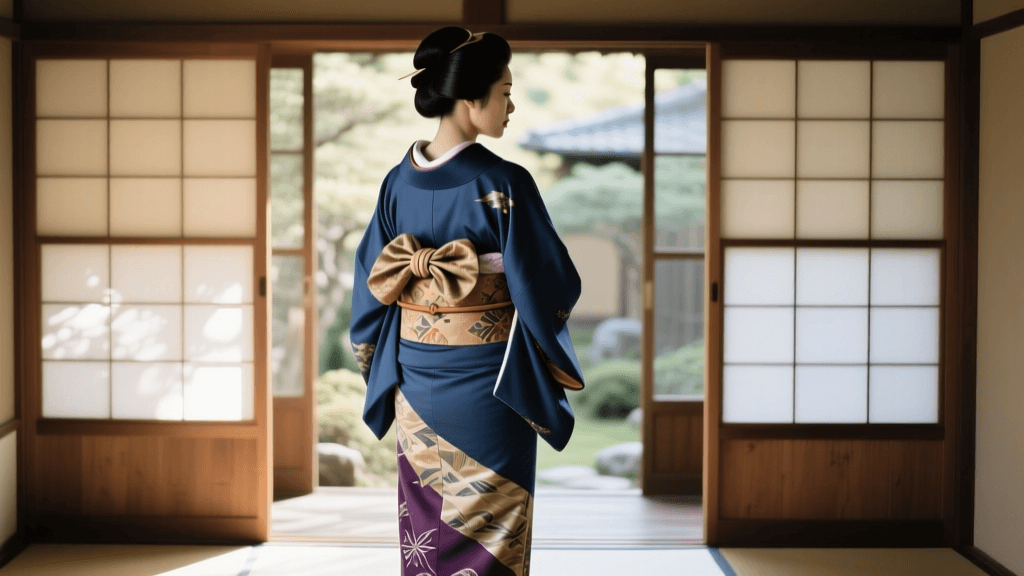
Kimono & Zen Spirituality: Mindful Dressing Guide 2026
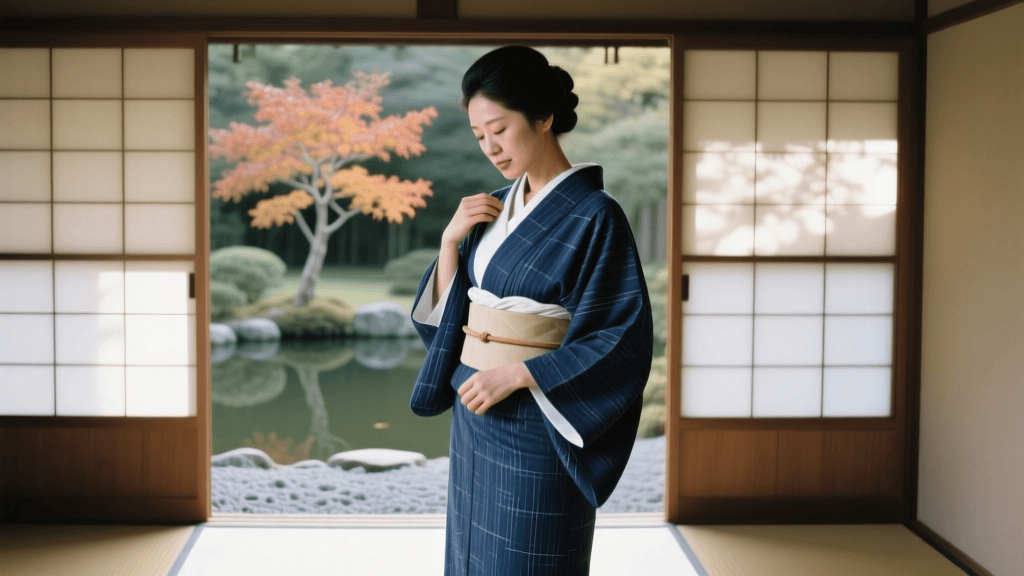
The Intersection of Zen Buddhism and Traditional Japanese Garments
In an era defined by relentless digital stimulation, the year 2026 has seen a profound cultural shift toward analog grounding and somatic mindfulness. As practitioners worldwide seek refuge from the noise of hyper-connectivity, the ancient intersection of Zen Buddhism and traditional Japanese clothing has emerged as a powerful sanctuary. Mindful dressing—the deliberate, meditative act of putting on a kimono or samue—is no longer just a historical curiosity; it is a vital wellness practice. According to the Stanford Encyclopedia of Philosophy, Zen emphasizes direct experience, presence, and mindfulness in everyday actions, elevating mundane tasks into profound spiritual exercises. Nowhere is this more evident than in the ritual of donning traditional Japanese garments.
Unlike Western fashion, which often prioritizes rapid consumption and form-fitting tailoring, the traditional kimono is an architectural space. It is flat, two-dimensional, and entirely dependent on the wearer to give it three-dimensional life. This dynamic perfectly mirrors the Zen concept of potentiality and presence. When you engage in mindful dressing, you are not merely covering your body; you are constructing a sacred boundary between your inner stillness and the external world. This guide explores how to integrate traditional Japanese garments into your Zen meditation practice in 2026, offering actionable routines, garment recommendations, and philosophical insights.
The Philosophy of Shibui, Wabi-Sabi, and Ma
To understand mindful dressing, one must first understand the Japanese aesthetics that govern traditional textiles. Shibui refers to a subtle, unobtrusive beauty. In the context of Zen meditation garments, this means avoiding loud patterns or synthetic sheens in favor of matte, naturally dyed fabrics like organic indigo (aizome) or raw silk. Wabi-sabi teaches us to find beauty in imperfection and transience. A slightly faded cotton samue that has softened over years of temple chores is considered far more spiritually resonant than a brand-new, pristine garment.
Perhaps the most critical concept for meditation is Ma, or negative space. A kimono is designed with Ma in mind; the space between the body and the fabric allows for air circulation, physical ease, and a sensory reminder of emptiness. When you sit in zazen (seated meditation), the gentle drape of the fabric against your skin serves as a continuous tactile anchor, bringing your wandering mind back to the present moment.
Selecting the Ideal Garment for Zen Practice
Choosing the right garment depends heavily on the type of meditation and the season. In 2026, sustainable and ethically sourced textiles are the standard among serious practitioners. Below is a comprehensive comparison of the most appropriate garments for Zen practice.
| Garment Type | Material (2026 Standard) | Zen Application | Avg. Price (USD) |
|---|---|---|---|
| Samue | Organic Kurume Cotton / Hemp Blend | Walking meditation (Kinhin), temple sweeping, active mindfulness | $120 - $180 |
| Jinbei | Lightweight Seersucker Cotton | Summer evening meditation, breathwork, casual lay practice | $60 - $95 |
| Komon Kimono | Matte Crepe Silk (Chirimen) / Tsumugi | Formal Zazen (seated meditation), deep retreats, ceremonial tea | $250 - $450 |
| Yukata | Unlined Raw Cotton | Post-meditation rest, mindful journaling, transitional seasons | $80 - $140 |
The samue remains the undisputed champion of daily Zen practice. Originally designed as work clothes for Buddhist monks, its loose trousers and tied jacket allow for complete freedom of movement during kinhin (walking meditation) and physical labor, which is considered an extension of meditation in the Rinzai and Soto traditions. For formal, extended periods of zazen, a simple komon kimono provides a gentle, weighted restriction that naturally enforces an upright spinal posture.
The 2026 Mindful Dressing Ritual: A Step-by-Step Guide
Mindful dressing transforms the act of getting ready into the first phase of your meditation. Set aside 15 minutes before your sitting practice to perform this ritual. Do not rush. Synchronize your movements with your breath.
1. Purification and Grounding (Misogi)
Begin by washing your hands and face with cool water. Stand barefoot on a natural surface (wood or tatami). Take three deep, diaphragmatic breaths, visualizing the shedding of worldly anxieties. Lay your garment out flat before you, appreciating the Ma (empty space) it currently occupies.
2. The Base Layer (Juban)
If wearing a silk kimono, start with a cotton juban (undergarment). Slip your arms through the sleeves slowly. As you pull the fabric over your shoulders, inhale deeply. The base layer represents your foundational intention for the meditation session.
3. Donning the Outer Layer
Slide into the samue jacket or kimono. Bring the left side over the right side of your body. (In Japanese tradition, crossing right-over-left is strictly reserved for dressing the deceased; maintaining this boundary is a profound acknowledgment of life and vitality). Smooth the fabric down your hips, feeling the weight and texture of the natural fibers against your skin.
4. Tying the Himo (Cords) or Obi
This is the most critical step for physical and mental alignment. For a samue, tie the outer cotton cords at your hip. For a kimono, wrap the obi or a soft kaku-obi around your waist. As you pull the knot taut, exhale completely. The tie should be snug enough to provide lumbar support and remind you to engage your core, but loose enough to allow deep belly breathing. The knot acts as a physical anchor for your focus.
5. Final Adjustment and Bow
Adjust the sleeves so they fall naturally. Stand in front of a mirror, not to judge your appearance, but to observe your posture. Bring your hands together in gassho (palms pressed together at chest level) and bow slightly to yourself, acknowledging the commitment you are making to your practice.
Zazen and the Sensory Experience of Silk and Cotton
Once seated on your zafu (meditation cushion), the garment continues to serve your practice. The Association for the Promotion of Traditional Craft Industries notes that traditional Japanese weaving techniques, such as Kurume-gasuri (ikat cotton), create textiles with microscopic variations in tension. These variations provide a subtle, grounding tactile feedback that synthetic, mass-produced fabrics simply cannot replicate.
During zazen, your hands are held in the hokkai-join (cosmic mudra), resting lightly in your lap. The sleeves of the kimono or samue drape over your wrists, creating a dark, warm enclosure that shields your hands from visual and thermal distractions. If your mind begins to wander, gently redirect your attention to the sensation of the cotton or silk resting against the back of your neck or the weight of the obi supporting your lower spine. This sensory anchoring is a core tenet of somatic mindfulness.
Sourcing Authentic, Sustainable Zen Textiles
As we navigate the wellness landscape of 2026, ethical consumption is inseparable from spiritual practice. The World Health Organization continues to emphasize the importance of holistic mental health routines, and part of that holism involves understanding the origins of the objects we bring into our sacred spaces. When sourcing a garment for mindful dressing, prioritize transparency.
- Organic Indigo (Aizome): Look for naturally fermented indigo from Tokushima Prefecture. The fermentation process produces a living dye that possesses natural antibacterial properties and a scent that is inherently calming to the nervous system.
- Ethical Silk (Tsumugi): Seek out Tsumugi silk, which is spun from the remnants of broken cocoons. It embraces the wabi-sabi aesthetic of imperfection and ensures that no silk moths are harmed in the extraction process, aligning perfectly with the Buddhist precept of non-harming (Ahimsa).
- Heritage Hemp: Hemp has seen a massive resurgence in 2026 due to its low water footprint. A hemp-blend samue offers incredible durability and softens beautifully with each wash, becoming a lifelong companion in your practice.
Conclusion: Wearing Your Practice
The kimono and the samue are not costumes; they are tools for awakening. By adopting a mindful dressing routine, you bridge the gap between the abstract philosophy of Zen and the physical reality of your daily life. In 2026, as the world spins ever faster, the simple, deliberate act of wrapping yourself in traditional, ethically crafted textiles offers a profound rebellion—a return to stillness, intention, and the quiet beauty of the present moment. Unfold your garment, take a breath, and wear your practice.