Chinese Fashion Journalism: Hanfu Content Creators 2026
The Renaissance of Chinese Fashion Journalism in 2026
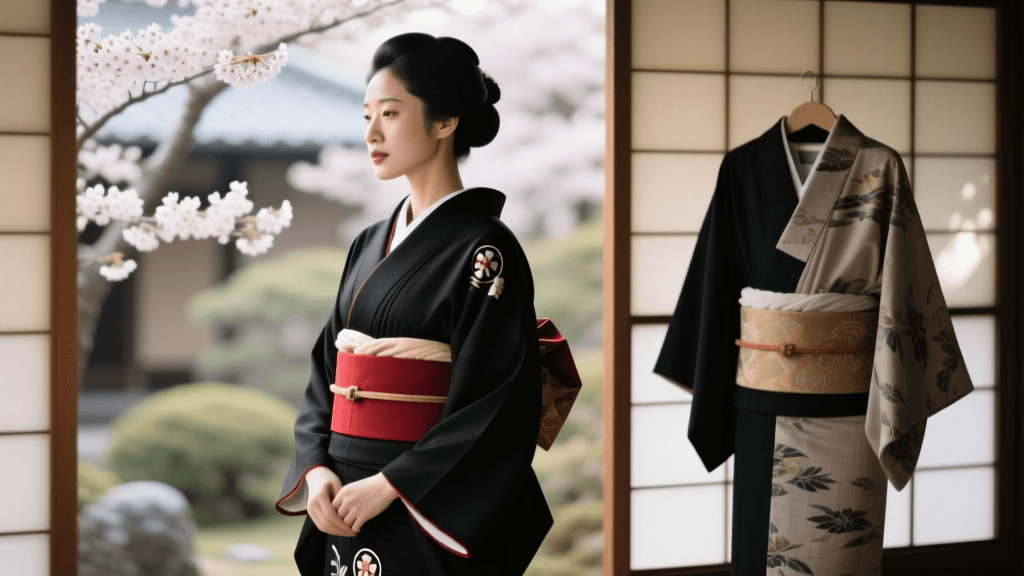
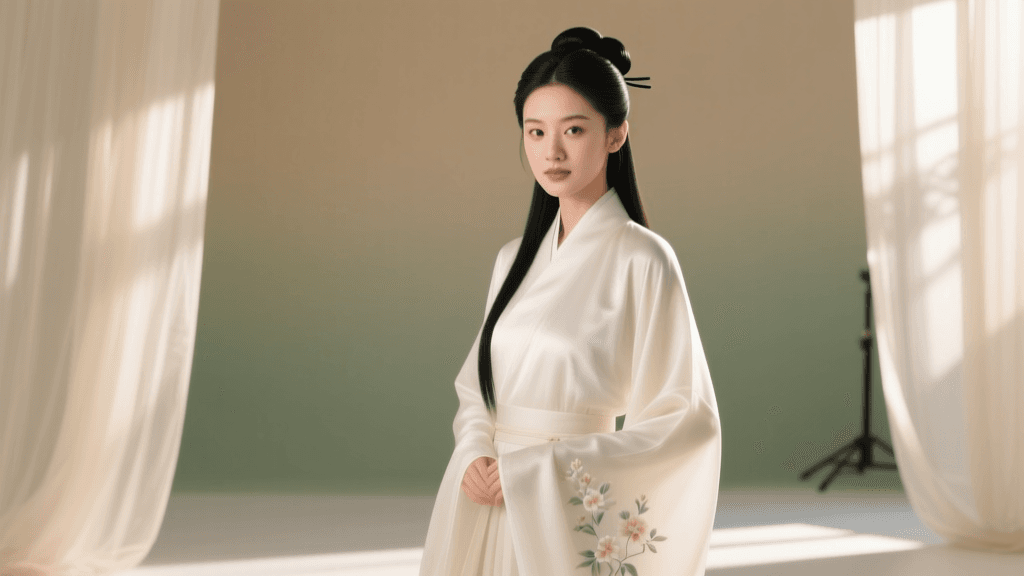
The landscape of Asian fashion media has undergone a seismic shift over the last decade, culminating in the highly sophisticated ecosystem we see in 2026. Chinese fashion journalism is no longer confined to the glossy pages of mainstream magazines or the runways of Shanghai Fashion Week. Today, the most influential voices in traditional garments—specifically Hanfu, Qipao, and regional ethnic textiles—are independent content creators, amateur historians, and digital journalists operating on social platforms. This new wave of fashion journalism blends rigorous historical research with modern street-style photography, creating a unique niche that bridges the gap between ancient dynastic wardrobes and contemporary daily wear.
As the "Guochao" (national trend) market surpasses unprecedented economic milestones in 2026, the demand for accurate, high-quality fashion journalism has skyrocketed. Consumers are no longer satisfied with fast-fashion approximations of traditional dress; they demand provenance, textile authenticity, and cultural context. Consequently, Chinese fashion bloggers have evolved into cultural custodians, utilizing digital archives and advanced technology to educate millions of followers on the nuances of Ming dynasty pleating or Song dynasty minimalism.
Top Platforms Driving the Traditional Fashion Discourse
To understand Chinese fashion journalism in 2026, one must understand the platforms where these digital journalists publish their work. Unlike the Western reliance on independent blogs and Substack newsletters, China's fashion journalism is deeply integrated into its mega-app ecosystems. Each platform serves a distinct journalistic purpose, catering to different facets of the traditional garment revival.
| Platform | Primary Journalistic Focus | Top Content Format | 2026 Audience Demographic |
|---|---|---|---|
| Xiaohongshu (RED) | Daily styling, OOTD, and brand reviews | Photo carousels, short-form video essays | Gen Z & Millennials, urban professionals |
| Bilibili | Historical deep-dives and textile analysis | 20+ minute documentary-style video essays | Students, historians, and hardcore heritage fans |
| Breaking news, brand drops, and academic debates | Long-form text threads, live-streamed panels | Broad mainstream reach, industry insiders | |
| Douyin | Viral trends, commerce, and quick styling hacks | 15-60 second vertical videos, live commerce | Mass market, tier-2 and tier-3 city consumers |
The New Guard: Archetypes of Hanfu Content Creators
While specific influencer names rise and fall with algorithmic changes, the 2026 Chinese fashion journalism scene is defined by three distinct archetypes of content creators. Understanding these archetypes helps readers navigate the vast ocean of traditional fashion content and find the sources that best align with their interests.
The Archival Purists
These creators treat fashion journalism as an extension of academic research. They frequently collaborate with institutions like the China National Silk Museum to gain access to high-resolution scans of excavated textiles. Their content often involves dissecting the structural foundation of Chinese dress, referencing authoritative historical frameworks such as those outlined by the Metropolitan Museum of Art's Heilbrunn Timeline of Art History. An Archival Purist will spend a 30-minute Bilibili video explaining the exact weaving technique of "Zhuanghua" (woven gold) used in Ming dynasty Mamianqun (horse-face skirts), complete with citations from historical sumptuary laws. They are the ultimate fact-checkers of the industry, frequently calling out brands that misuse historical terminology for marketing.
The Modern Synthesizers
Operating primarily on Xiaohongshu, these fashion journalists focus on the intersection of heritage and modern utility. They do not dismiss historical accuracy, but they prioritize how traditional garments function in a 2026 urban environment. A typical post from a Modern Synthesizer might feature a Song-style Beizi (a lightweight, open-front jacket) layered over a contemporary turtleneck and tailored trousers. Their journalism reviews the drape, breathability, and maintenance of modern reproductions, providing actionable advice on how to integrate traditional silhouettes into a corporate wardrobe without appearing costumey.
The Textile Innovators
This emerging group of creators focuses on the material science of traditional garments. In 2026, there is a massive push for sustainable, eco-friendly dyeing methods and heritage silk weaving. These journalists visit rural workshops in Suzhou and Hangzhou, documenting the revival of plant-based dyes like indigo, madder root, and pagoda tree buds. They bridge the gap between rural artisans and urban consumers, often using their platforms to crowdfund the preservation of endangered weaving techniques.
The 2026 Tech Intersection: AI and Textile Reconstruction
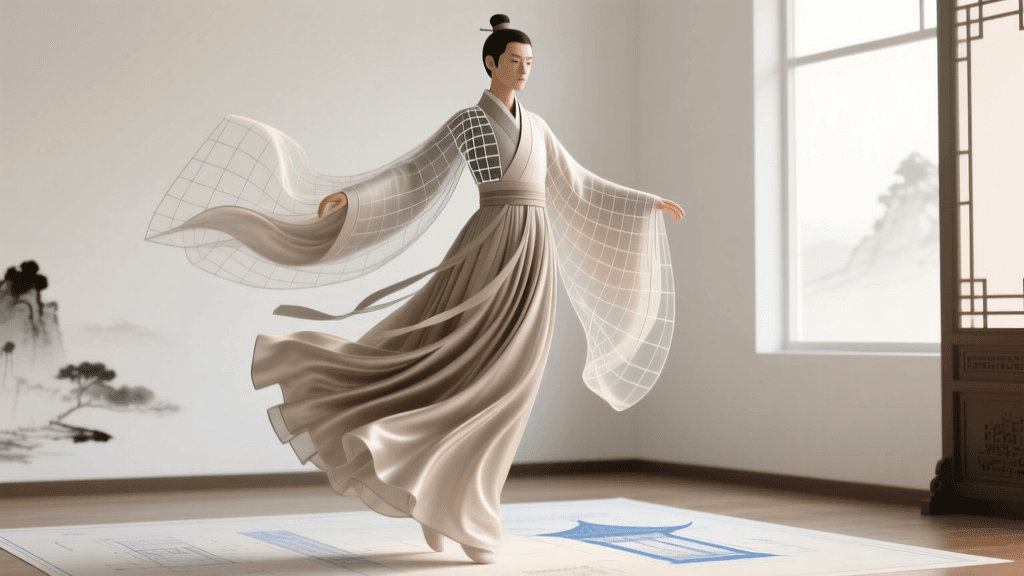
One of the most fascinating developments in Chinese fashion journalism this year is the integration of Artificial Intelligence in historical garment reconstruction. Top-tier Bilibili creators and digital journalists are now using AI modeling software to extrapolate damaged or fragmented textile patterns from museum archives. By feeding high-resolution images of excavated, decayed garments into specialized neural networks, these creators can generate accurate, full-color visualizations of what a Tang dynasty Banbi (half-sleeve jacket) or a Liao dynasty robe would have looked like when first woven.
This technological leap has revolutionized how fashion blogs present historical data. Instead of showing readers a faded, brownish photograph of a fragile artifact, journalists can now present a vibrant, 3D-rendered simulation of the garment in motion. This not only makes the content more engaging but also provides traditional tailors with accurate blueprints for modern reproductions, significantly elevating the overall quality of the Hanfu market.
How to Fact-Check Hanfu Fashion Blogs in 2026
With the commercialization of the Guochao movement, "historical washing"—where brands invent fake historical backstories to sell garments—has become a prevalent issue. As a reader and consumer, it is crucial to approach traditional fashion content with a critical eye. Here is a practical guide to verifying the claims made by Chinese fashion journalists and brands:
- Check the Museum References: Reputable creators will link their designs or reviews to specific artifacts housed in established institutions. Cross-reference their claims with digital archives from the Victoria and Albert Museum's Asian collections or the Palace Museum in Beijing.
- Analyze the Terminology: Be wary of blogs that use modern, fantasy-novel terminology (often derived from Xianxia dramas) to describe historical garments. True fashion journalism uses precise archaeological and historical terms, such as "Shenyi" (deep robe) or "Ruqun" (jacket and skirt ensemble).
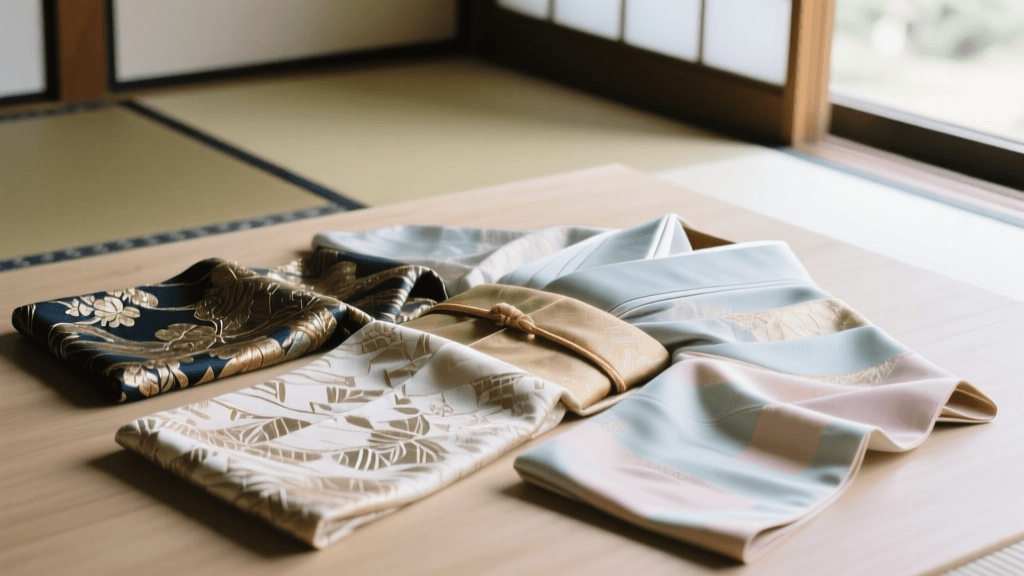
- Scrutinize the Textile Claims: If a blogger claims a garment is made of "traditional Song brocade," verify if they provide close-up macro photography of the weave structure. Genuine traditional brocade (Zhuangjin) has a distinct, dense weave that differs vastly from modern jacquard polyester blends.
- Look for Peer Review: The best fashion journalists on Weibo and Bilibili welcome corrections from historians and textile experts in their comment sections. A creator who deletes critical, well-sourced comments regarding historical inaccuracies is likely prioritizing e-commerce sales over journalistic integrity.
Building a 2026 Traditional Wardrobe: Journalist Recommendations
Based on the consensus of top Chinese fashion journalists and content creators this year, building an authentic, high-quality traditional wardrobe requires strategic investment. Rather than buying dozens of cheap, mass-produced items, the 2026 philosophy championed by leading bloggers is "buy less, buy heritage." Here are the foundational pieces recommended by top Xiaohongshu and Bilibili creators for the modern wardrobe:
1. The Ming Dynasty Mamianqun (Horse-Face Skirt)
The undisputed staple of the modern Hanfu wardrobe. Fashion journalists recommend investing in a mid-weight wool-blend or heavy silk Mamianqun for autumn and winter. The structured pleats and flat front/back panels make it incredibly versatile, allowing it to be paired with modern knitwear or traditional Ao (jackets). Expected Cost: 800 - 1,500 RMB for a high-quality, historically accurate reproduction from a reputable heritage brand.
2. The Song-Style Beizi (Open-Front Jacket)
For spring and summer, the Song-style Beizi is highly praised for its minimalist elegance and breathability. Journalists emphasize seeking out garments made from genuine mulberry silk or high-grade ramie. The straight, unstructured silhouette is incredibly forgiving and provides a sophisticated, intellectual aesthetic that translates beautifully to modern office environments. Expected Cost: 600 - 1,200 RMB, depending on the complexity of the embroidery and the quality of the silk.
3. The Modified Qipao (Daily Wear Cheongsam)
While the traditional 1930s Qipao remains a formal staple, 2026 fashion journalism highlights the "daily modified Qipao" as a triumph of modern design. These garments retain the iconic Mandarin collar and Pankou (knotted buttons) but feature A-line skirts, hidden zippers, and machine-washable cotton-linen blends. They are celebrated by bloggers for democratizing the Qipao, making it accessible for everyday commuting rather than just ceremonial events. Expected Cost: 300 - 800 RMB.
Conclusion
Chinese fashion journalism in 2026 is a vibrant, intellectually rigorous, and highly influential force in the global fashion landscape. By leveraging platforms like Xiaohongshu and Bilibili, content creators are doing much more than showcasing beautiful clothes; they are actively preserving cultural heritage, championing sustainable textile practices, and redefining what it means to wear history in the modern world. For enthusiasts and newcomers alike, following these digital journalists offers a masterclass in Asian traditions, proving that the most forward-thinking fashion is often deeply rooted in the past.