Traveling With Kimonos in 2026: Packing & Transport Guide
The Renaissance of Kimono Travel in 2026
The global resurgence of traditional Japanese fashion has transformed how enthusiasts approach cultural tourism in 2026. No longer confined to domestic rental shops in Kyoto or Tokyo, travelers are increasingly bringing their own personal collections of vintage and modern silk kimonos across international borders. Whether you are attending a formal tea ceremony in Kanazawa, participating in a summer matsuri, or simply exploring the historic streets of Higashiyama, traveling with a kimono requires meticulous planning, specialized gear, and a deep understanding of textile preservation.
According to the Victoria and Albert Museum, the kimono is a dynamic garment that has continuously evolved while maintaining its profound cultural significance. As global appreciation for this garment grows, so does the need for proper transport methods that honor its craftsmanship. Packing a silk kimono is not merely a logistical challenge; it is an exercise in cultural preservation. The delicate nature of silk, combined with intricate dyeing techniques like yuzen and shibori, means that improper packing can lead to permanent creases, color transfer, and fiber degradation.
Essential Gear for Kimono Transport
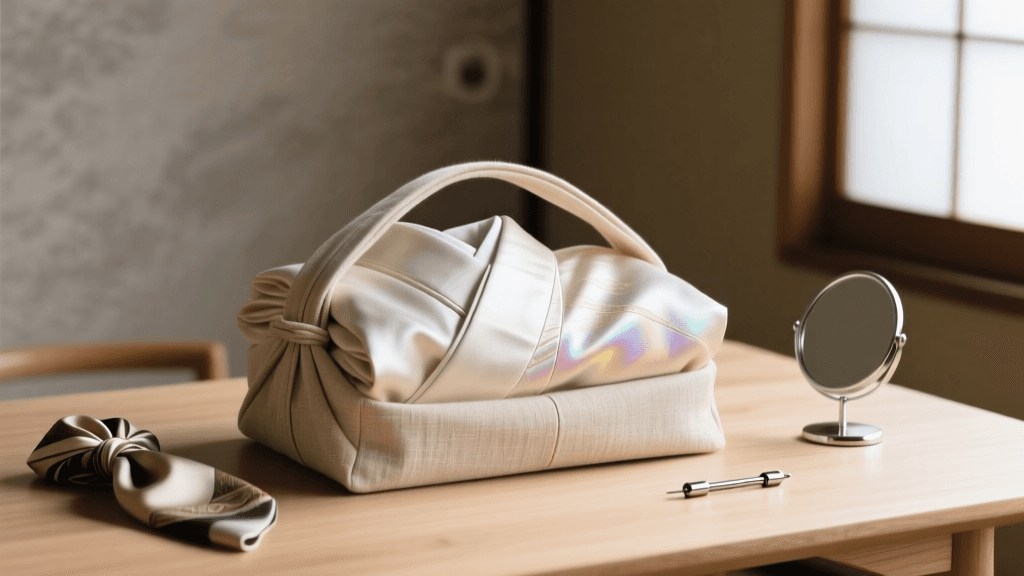
Before you begin folding your garments, assembling the correct travel kit is paramount. In 2026, the market for archival-quality travel gear has expanded, offering travelers better options than ever before. The foundation of your kit should include breathable, water-resistant canvas garment bags. Unlike plastic dry-cleaning bags, which trap moisture and promote mold growth, high-quality canvas allows the silk to breathe while protecting it from dust and accidental spills.
Traditionally, kimonos are stored in a tatoushi, a specialized paper wrapper designed to absorb excess humidity and protect the fabric from light. While authentic Japanese tatoushi paper is ideal, modern travelers can utilize acid-free, buffered archival tissue paper as a highly effective alternative. This tissue prevents the silk from coming into direct contact with itself, reducing the risk of dye transfer and minimizing friction that can fray delicate metallic threads. Additionally, investing in a set of cedar wood blocks or sachets is crucial. Cedar naturally repels insects without the use of toxic mothballs (naphthalene), which can permanently discolor silk and degrade gold leaf accents.
The Art of Folding: Avoiding the Hon-Datami
The standard method for folding a kimono is known as hon-datami. While this technique is perfect for long-term storage in a flat, climate-controlled drawer at home, it is highly discouraged for travel. The hon-datami method creates sharp, rigid creases along the shoulders, sleeves, and hem. When packed in a suitcase, these creases are subjected to pressure and movement, which can permanently damage the silk fibers and cause the dye to crack over time.
When packing textiles for transit, the Metropolitan Museum of Art emphasizes the importance of minimizing sharp folds and providing adequate support to the fibers. To achieve this, modern kimono travelers utilize the travel roll method. This technique distributes the fabric evenly and eliminates hard creases.
Step-by-Step Travel Roll Technique
- Step 1: Preparation. Lay the kimono face down on a clean, flat surface. Ensure your hands are clean and free of lotions or oils that could stain the silk.
- Step 2: Tissue Buffering. Place a sheet of acid-free buffered tissue paper over the entire back panel of the kimono. This acts as a protective barrier between the layers of fabric.
- Step 3: Sleeve Management. Gently fold the sleeves inward so they lay flat against the back panel, placing additional tissue paper between the sleeve layers and the main body.
- Step 4: The Core. Place a flexible, archival-quality foam tube or a tightly rolled bundle of soft cotton clothing at the bottom hem of the kimono. This core prevents the fabric from being rolled too tightly.
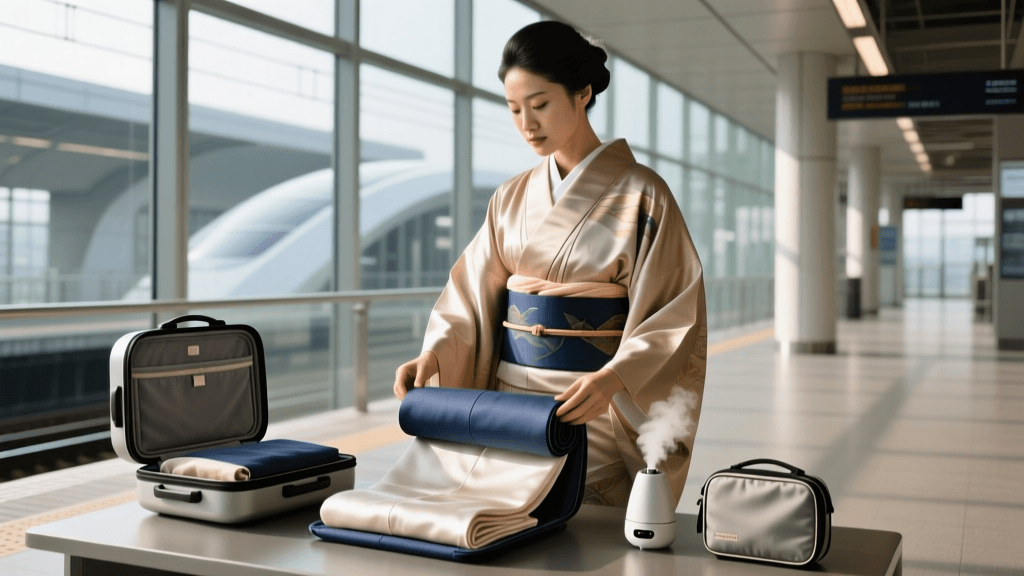
- Step 5: Rolling. Starting from the bottom hem, gently and evenly roll the kimono upward toward the collar. Keep the tension light; the goal is to create a loose cylinder, not a tight scroll.
- Step 6: Wrapping. Wrap the rolled kimono in a final layer of acid-free tissue or a clean, undyed cotton furoshiki (wrapping cloth) before placing it in your garment bag.
Protecting Delicate Accessories: Zori, Tabi, and Obi
A kimono ensemble requires several accessories, each with its own packing requirements. Zori (traditional sandals) are particularly vulnerable to crushing. The hanao (the fabric thongs that pass between the toes) can become permanently misshapen if heavy items are placed on top of them. In 2026, hard-shell EVA (ethylene-vinyl acetate) cases are the standard for zori transport. These lightweight, crush-proof cases protect the sandals while keeping any dirt from the soles isolated from your clean garments.
Tabi (split-toe socks) should be rolled rather than folded to maintain the structural integrity of the kohaze (metal clasps) and the cotton fabric. Place rolled tabi inside a dedicated cotton drawstring pouch. The obi (sash) is often the most heavily embroidered and expensive piece of the ensemble. A maru-obi or fukuro-obi should never be folded. Instead, roll the obi loosely around a flexible foam core, similar to the kimono body, and secure it with a soft silk ribbon. Never use rubber bands or tight elastic, which will leave permanent indentations on the brocade.
On-the-Go Wrinkle Removal and Silk Care
Even with perfect packing, minor wrinkles may occur during transit. Ironing a silk kimono directly is a recipe for disaster, as the high heat and friction can scorch the fabric and flatten the intricate textures of chirimen (crepe silk). Instead, modern travelers rely on steam and specialized wrinkle-release formulations.
| Equipment Type | Best For | 2026 Top Recommendation | Estimated Cost |
|---|---|---|---|
| Portable Handheld Steamer | Quick wrinkle release on silk | Steamery Cirrus No.3 Travel | $110 USD |
| Wrinkle Release Spray | Delicate metallic threads (surihaku) | The Laundress Silk and Delicate Spray | $22 USD |
| Acid-Free Tissue Paper | Buffering folds to prevent creases | Gaylord Archival Buffered Tissue | $35 USD (50 sheets) |
When using a handheld steamer, always maintain a distance of at least six inches from the fabric. Steam the kimono from the inside (the lining side) whenever possible, allowing the steam to gently relax the fibers without directly wetting the outer silk. For areas with heavy metallic embroidery or gold leaf (surihaku), avoid steam entirely, as moisture can cause the adhesive backing to fail. Instead, use a specialized silk wrinkle-release spray, misting it lightly from a distance and allowing the garment to air dry on a wide, padded hanger.
Navigating Airports and Climate Changes
Airport transit in 2026 presents unique challenges for fragile textiles. Baggage handling systems are highly automated but still pose significant risks to soft-sided items. The golden rule of kimono travel is to never check your garment. Always carry your kimono in the cabin. If overhead bins are full, politely ask the flight attendant if the garment can be hung in a first-class closet. Most major international airlines in 2026 are highly accommodating to passengers traveling with fragile cultural garments, provided you ask during the boarding process.
Humidity control is equally critical. The cargo hold of an airplane experiences extreme temperature and humidity fluctuations, which can cause condensation to form inside a garment bag, leading to immediate mold growth on silk. Even in the cabin, traveling from a dry winter climate to the humid Japanese summer requires preparation. Include a few silica gel desiccant packets in your garment bag to absorb excess moisture, but ensure they do not touch the silk directly. Upon arriving at your accommodation, immediately unroll your kimono and hang it in a well-ventilated room to allow the fibers to acclimate to the local humidity.
Conclusion
Traveling with a kimono in 2026 is a rewarding endeavor that deepens your connection to Asian traditions and allows you to participate authentically in cultural events. By investing in archival-quality packing materials, mastering the travel roll technique, and utilizing modern on-the-go care tools, you can transport your garments safely across the globe. Treating your kimono with the respect and care it deserves ensures that this magnificent textile will continue to be worn and admired for generations to come.