Zen Mindful Dressing: Kimono & Samue Meditation Guide 2026
The Intersection of Zen Spirituality and Mindful Dress
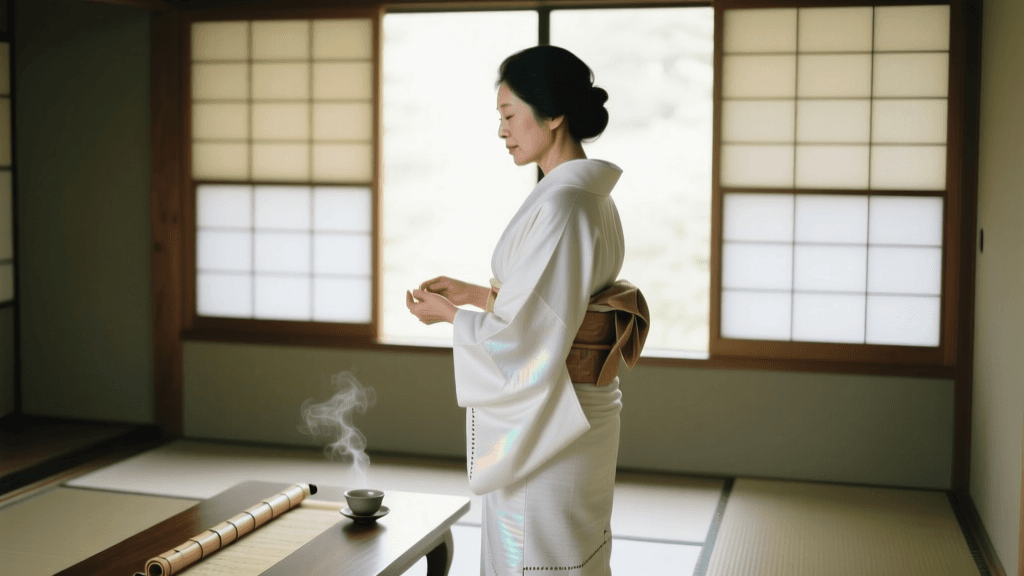
In an era dominated by digital noise and algorithmic fast fashion, the year 2026 has sparked a profound cultural renaissance in somatic grounding practices. At the heart of this movement is the intersection of traditional Japanese garments and Zen spirituality. The art of kitsuke (kimono dressing) is often misunderstood in the West as merely a rigid set of sartorial rules or historical cosplay. However, within the context of Zen Buddhism, kitsuke is a form of samu (mindful physical work) and a deeply intentional moving meditation. As we navigate the hyper-connected landscape of 2026, practitioners, monks, and wellness seekers are increasingly turning to the deliberate, tactile ritual of wrapping the body in traditional textiles to anchor the mind in the present moment.
Mindful dressing is not about the final aesthetic product; it is about the sensory journey of getting there. The friction of the fabric, the alignment of the spine, and the synchronization of breath with movement all serve to pull the practitioner out of abstract anxieties and into the physical reality of the body. According to contemporary mindfulness experts featured in Lion's Roar's Zen archives, integrating meditative awareness into mundane daily tasks—such as getting dressed—is one of the most effective ways to cultivate continuous mindfulness throughout the day.
The Philosophy of Ma and Shibumi in Garment Wrapping
To understand mindful dressing, one must first understand two core Japanese aesthetic and spiritual concepts: Ma (negative space) and Shibumi (subtle, unobtrusive beauty). When wrapping a kimono or a samue (traditional Zen work garment), the practitioner is actively sculpting Ma. The space between the body and the fabric, the drape of the sleeve, and the fold of the collar are all deliberate expressions of emptiness and breath. Unlike Western tailoring, which cuts fabric to conform tightly to the body's exact measurements, traditional Japanese garments are constructed from straight bolts of cloth. The garment only takes its final shape when it interacts with the human form.
This interaction requires the wearer to be fully present. You cannot rush the folding of the eri (collar) without disrupting the harmony of the garment. Shibumi teaches us that true elegance and spiritual grounding do not come from flashy, ornate designs, but from the quiet confidence of natural fibers, muted indigo dyes, and the precise, unhurried execution of the wrapping technique. In 2026, leading wellness retreats in Kyoto and Kamakura have begun integrating Shibumi dressing workshops as a prerequisite to silent zazen (seated meditation) sessions, recognizing that a calm exterior drape fosters a calm internal landscape.
Samue vs. Traditional Kimono: Choosing Your 2026 Meditation Attire
While the formal kimono holds deep ceremonial significance, the samue is the undisputed champion of daily Zen practice and active meditation. Originally designed as the working clothes for Zen monks, the samue consists of a wrap-top jacket and loose, ankle-tied trousers. However, for deep, stationary meditation or formal retreats, the yukata (unlined cotton kimono) or a lightweight tsumugi (pongee silk) kimono is often preferred. Below is a comprehensive guide to selecting the right garment for your 2026 meditation practice.
| Garment Type | Primary Zen Application | Best 2026 Fabric Choice | Estimated Cost (USD) | Sensory Profile & Breathability |
|---|---|---|---|---|
| Samue | Active meditation, walking meditation (kinhin), temple chores | Organic Kurume Kasuri Cotton | $140 - $220 | Textured, durable, highly grounding, moderate breathability |
| Yukata | Seated Zazen, summer retreats, evening reflection | Bamboo-Hemp Blend (Omi Jofu style) | $95 - $160 | Cool, smooth against the skin, lightweight, high breathability |
| Juban | Under-layer for moisture control and skin protection | Washed Linen or Ro (Gauze) Silk | $70 - $110 | Crisp, friction-reducing, subtle tactile feedback |
| Tsumugi Kimono | Formal ceremonies, deep winter meditation, grounding rituals | Recycled Pongee Silk with Indigo | $350 - $700 | Heavy, insulating, deeply comforting, low breathability |
In 2026, the most sought-after textiles for meditation are those that offer high tactile feedback without causing distraction. The Kurume Kasuri cotton, known for its intricate, pre-dyed geometric patterns, provides a subtle visual anchor, while its slightly nubby texture keeps the nervous system engaged with the physical environment.
The Step-by-Step Mindful Dressing Ritual (Kitsuke)
Transforming your morning routine into a Zen practice requires intentionality. Allocate at least 15 minutes for this ritual, ensuring you will not be interrupted.
1. Grounding in Seiza (Kneeling Posture)
Begin by kneeling on your zabuton (meditation cushion) in the seiza position. Rest your hands on your thighs, palms facing up. Take three deep, diaphragmatic breaths. Acknowledge the garment resting before you not as an object to be put on, but as a partner in your practice. Feel the weight of the fabric and notice its scent—whether it is the earthy aroma of camphor wood from the storage chest or the faint, clean smell of indigo dye.
2. The Left-Over-Right Wrap (Uchinari)
Stand slowly, maintaining a straight spine. Drape the garment over your shoulders. The golden rule of Japanese dressing is uchinari: always wrap the left side over the right side. (Wrapping right-over-left is strictly reserved for dressing the deceased for burial, symbolizing the reversal of the living world). As you pull the left panel across your body, synchronize the movement with a slow exhalation. This physical crossing of the body's midline is known in somatic therapy to promote bilateral brain integration and emotional regulation.
3. Tying the Himo (Cords) with Intentional Breath
Whether you are securing the himo (cotton ties) of a samue or the koshihimo (under-sash) of a kimono, the knot is the anchor of the practice. Do not pull the fabric tight enough to restrict your diaphragm; the garment should feel like a gentle, supportive embrace. As you tie the final knot at the front or side, pause. Feel the tension in the cord. Release any unnecessary tightness in your shoulders. The knot represents your commitment to the present moment, securing your intention for the day ahead.
Sensory Experience: Textiles and Olfactory Grounding
The sensory experience of traditional Asian garments extends far beyond the visual. The historical archives of the Victoria and Albert Museum's Asian Collections highlight how traditional Japanese textiles were engineered not just for beauty, but for environmental interaction and sensory regulation. Natural dyes, particularly aizome (Japanese indigo), possess natural antibacterial and odor-resistant properties. More importantly for the Zen practitioner, the scent of authentic, naturally fermented indigo has a profound olfactory grounding effect.
When you wrap yourself in a naturally dyed hemp or cotton garment, the friction of the fibers generates a faint, earthy aroma that signals the brain to enter a state of alert relaxation. Furthermore, the Metropolitan Museum of Art's historical timeline on the Kimono notes that the straight-line construction of these garments allows for unparalleled air circulation. In the summer of 2026, as global temperatures continue to fluctuate, the cooling properties of Omi Jofu hemp and Ro silk gauze provide a natural, sustainable alternative to synthetic, climate-controlled activewear, allowing the meditator to remain comfortable and focused during long zazen sessions.
Curating Your 2026 Mindful Dressing Space
To fully embrace mindful dressing, your environment must support the practice. Dedicate a specific area in your home for your garments. In 2026, minimalist tansu (wooden chests) made from sustainable Paulownia wood are highly recommended. Paulownia naturally regulates humidity, protecting natural fibers from mold while imparting a very subtle, woody scent to the garments.
- Lighting: Use warm, diffused lighting (2700K) in your dressing area to mimic the soft light of a traditional Japanese engawa (porch).
- Mirror Placement: Position a full-length mirror not to critique your appearance, but to observe the drape and geometry of the garment. View yourself as a temporary sculpture.
- Sound: Silence is ideal, but if you require auditory grounding, the sound of a single singing bowl or the rustling of wind through bamboo can help pace your movements.
Conclusion: The Garment as a Vessel for Presence
The intersection of kimono, samue, and Zen spirituality offers a powerful antidote to the disembodied nature of modern life. By treating the act of dressing as a sacred, meditative ritual, we reclaim our physical bodies and anchor our minds in the here and now. Whether you are tying the cotton cords of a humble samue before morning chores or wrapping a silk kimono for a formal meditation retreat, the fabric becomes a vessel for presence. In 2026, mindful dressing is not a step backward into history; it is a vital, living practice that weaves the ancient wisdom of Zen directly into the fabric of our daily lives.