Hanfu Family Ceremonies 2026: Birth, Weddings & Rites
The Renaissance of Family Rites in 2026
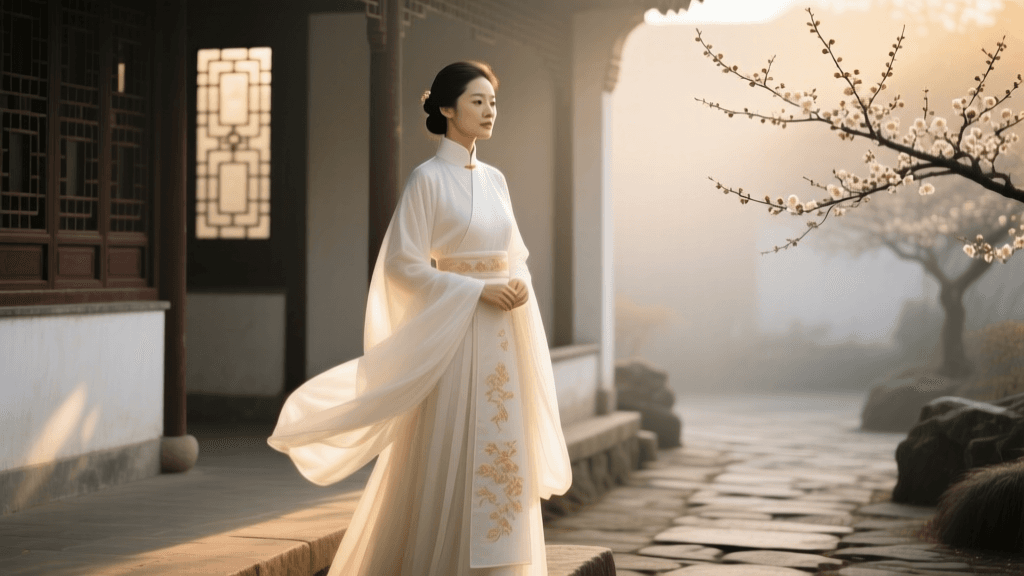
As we navigate through 2026, the Hanfu movement has matured far beyond casual streetwear, festival fashion, and historical recreation. Today, traditional Chinese garments are the undisputed standard for major family milestones. From the joyous first-month celebrations of a newborn to the solemnity of ancestral worship, Hanfu provides a deeply meaningful sartorial language that connects modern families to their heritage. According to cultural heritage experts at the China Culture Center, the integration of historically accurate garments into life-cycle ceremonies has become a defining cultural hallmark of the mid-2020s. This comprehensive guide explores the precise styling, textile choices, and etiquette for birth, weddings, and ancestral rites in 2026.
Birth and First-Month Celebrations (Zhuoyue and Manyue)
The birth of a child and the subsequent first-month celebration, known as Manyue, are moments of immense joy and delicate transition. In 2026, the focus for maternal and infant Hanfu is on breathable, sustainable textiles that honor tradition without compromising comfort.
Maternal Attire: Comfort Meets Elegance
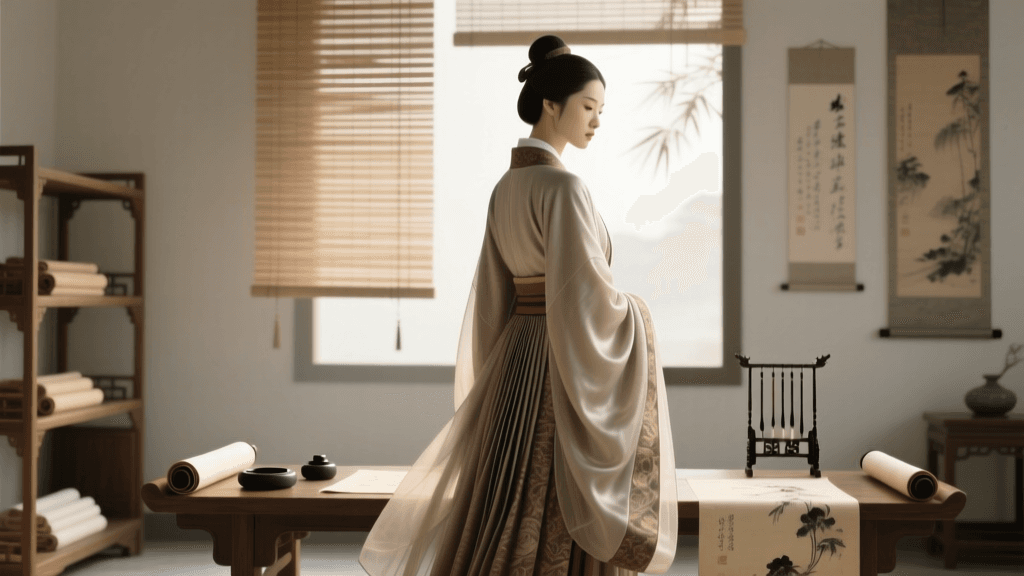
For the mother, the postpartum period requires garments that are easy to wear, forgiving in fit, and appropriately festive. The Song Dynasty Beizi (a long, open-front jacket) paired with a pleated skirt is highly recommended. The Beizi allows for easy layering and nursing access, while the straight silhouette is universally flattering during postpartum recovery. Alternatively, the Ming Dynasty Aoqun (a lined jacket with a horse-face skirt) offers more warmth for autumn and winter ceremonies. In 2026, leading ateliers are utilizing organic bamboo-silk blends and naturally dyed lotus fibers, ensuring the fabrics are hypoallergenic and exceptionally soft against sensitive skin.
Infant Garments: Symbolism and Protection
Infant Hanfu in 2026 leans heavily into protective symbolism. The traditional Dudou (belly cover) remains a staple, often embroidered with the five poisonous creatures to ward off illness, or with peonies for future prosperity. Tiger-head shoes (Hutouxi) and tiger-head hats (Hutoumao) are essential for the Manyue banquet, believed to protect the child from evil spirits. Modern parents are increasingly sourcing these items from heritage artisans in Shaanxi and Shanxi provinces, where hand-stitched, plant-dyed cotton ensures the garments are free from the harsh chemical dyes found in mass-produced alternatives.
The Traditional Hanfu Wedding (Hun Li)
The traditional Chinese wedding, or Hun Li, is the pinnacle of Hanfu formality. While the Tang Dynasty offers a romantic, vibrant aesthetic, the Ming Dynasty remains the absolute gold standard for orthodox wedding rites due to its strict sumptuary laws and highly structured silhouette.
The Bride: Fengguan Xiapei and the Diyi
The quintessential Ming bridal ensemble is the Fengguan Xiapei (phoenix coronet and cloud scarf). The coronet, adorned with kingfisher feather inlay (now ethically replicated using dyed silk and enamel in 2026), sits atop the head, while the Xiapei hangs elegantly from the shoulders. The primary robe is often a Diyi or a red Mang (python) robe, featuring intricate gold-woven jacquard patterns of dragons, phoenixes, and auspicious clouds. According to textile historians at The Metropolitan Museum of Art, the complexity of Chinese silk jacquard weaving represents centuries of technological and artistic mastery, a legacy fully realized in modern bridal reproductions.
In 2026, custom bridal Hanfu is a significant investment. Bespoke Ming-style bridal sets, utilizing authentic mulberry silk and genuine gold-leaf thread weaving (such as Yunjin brocade), typically range from $1,800 to $5,500. Many top-tier studios in Hangzhou and Suzhou now employ 3D body scanning and AI-assisted pattern reconstruction to ensure the historical drape is mathematically perfect while accommodating the modern bride's exact measurements.
The Groom: Round-Collar Robes and Rank Badges
The groom's attire must match the bride's formality. The standard is the Ming Dynasty round-collar robe (Yuanlingpao), often in deep crimson, navy, or dark green. The chest and back feature a Buzi (rank badge) depicting a mythical beast or a civil official's motif, symbolizing a noble and prosperous household. The groom also wears a traditional scholar's cap (Wushaomao or Rijin) and a leather or silk belt with jade or gold plaques.
Coming-of-Age Ceremonies (Ji Li and Guan Li)
The transition into adulthood is marked by the Ji Li for women (traditionally at age 20) and the Guan Li for men (traditionally at age 20). These ceremonies are deeply introspective, focusing on the individual's new responsibilities to their family and society.
The Three Additions (San Jia)
A traditional Ji Li involves three changes of clothing, each representing a deeper level of maturity. The first addition is a simple, unadorned Shenyi (deep robe) in plain white or pale blue, symbolizing innocence and the potential for growth. The second addition is a more refined, patterned Beizi or Aoqun in earthy tones, representing the assumption of familial duties. The final addition is a formal, richly embroidered grand robe, signifying full societal integration. In 2026, families often host these ceremonies in ancestral halls or botanical gardens, with the young adult receiving a jade hairpin or a traditional folding fan as a physical token of their new status.
Ancestral Worship (Ji Zu)
Ancestral worship, particularly during the Qingming (Tomb-Sweeping) and Zhongyuan (Ghost) festivals, demands an entirely different sartorial approach. The guiding principles for Ji Zu are modesty, respect, and solemnity.
Subdued Palettes and Structured Silhouettes
Flashy colors, excessive embroidery, and ostentatious jewelry are strictly avoided. The preferred color palette consists of navy, charcoal, muted forest green, and unbleached hemp tones. The Shenyi is the most appropriate garment for both men and women during these rites, as its one-piece construction symbolizes the unity of heaven and earth, and the unbroken lineage of the family tree. For outdoor tomb-sweeping, practical yet respectful Duan Da (short jackets) paired with trousers and a modest Bixi (knee cover) are highly recommended. The fabrics should be matte—such as raw silk, heavy linen, or matte cotton—to avoid any reflection that might be deemed disrespectful in a spiritual context.
2026 Ceremony Garment Comparison Chart
| Ceremony | Historical Era | Primary Garment | Color Palette | 2026 Est. Cost (USD) |
|---|---|---|---|---|
| First Month (Manyue) | Song / Ming | Beizi / Aoqun | Pastels, Soft Reds | $150 - $400 |
| Wedding (Hun Li) | Ming Dynasty | Fengguan Xiapei / Mang Robe | Crimson, Gold, Azure | $1,800 - $5,500 |
| Coming-of-Age (Ji Li) | Tang / Song | Shenyi / Daxiushan | Elegant Earth Tones | $300 - $800 |
| Ancestral (Ji Zu) | Ming / Qing | Formal Duan Da / Shenyi | Navy, Black, Muted Green | $200 - $600 |
Sourcing Authentic Textiles and Tailoring in 2026
The 2026 Hanfu market has largely bifurcated into mass-produced fast fashion and high-end heritage tailoring. For family ceremonies, the latter is essential. When sourcing garments, look for certifications of authentic textile origins, such as Suzhou Song brocade or Nanjing Yunjin. Reputable vendors will provide detailed breakdowns of their warp and weft threads, dye sources (like indigo, madder root, and pagoda tree buds), and weaving techniques.
Furthermore, the rise of virtual fitting rooms and AI-driven drape simulation has revolutionized the overseas Hanfu market. Families in North America and Europe can now commission bespoke ceremonial wear from master artisans in China, receiving a mathematically precise fit without ever stepping foot in a physical boutique. As the Hanfu revival continues to deepen its roots, dressing for family ceremonies in traditional attire is no longer just a nod to the past—it is a vibrant, living practice that honors the ancestors while celebrating the future.