Samue: A Guide to Japan's Everyday Traditional Casual Wear
The Origins and Modern Revival of the Samue
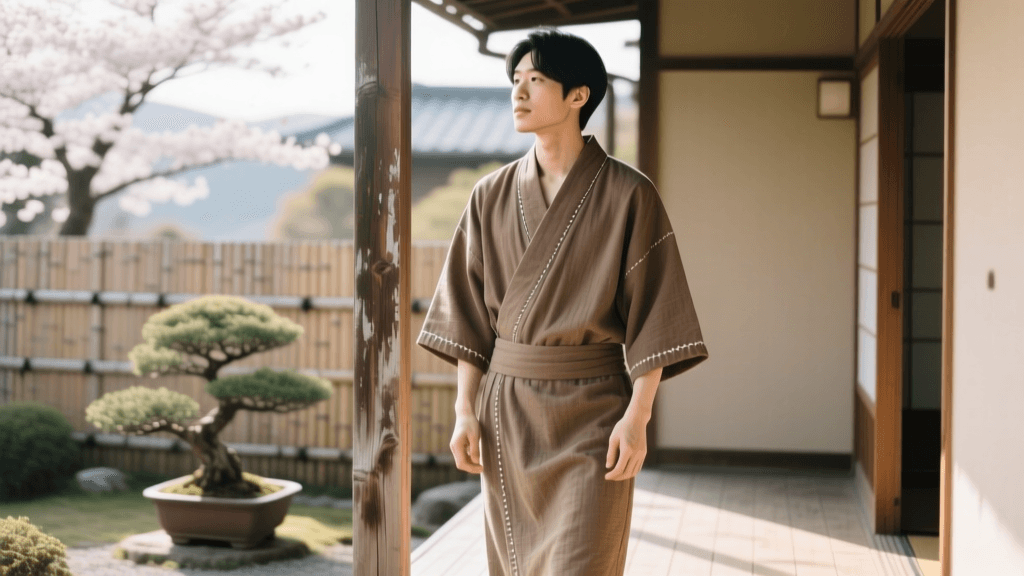
When discussing traditional Japanese clothing, the kimono and yukata often dominate the conversation. However, for true everyday comfort and practical utility, the samue (作務衣) stands unmatched. Originally developed as workwear for Zen Buddhist monks, the samue has transcended its monastic roots to become a staple of modern Japanese casual wear, beloved by artisans, chefs, remote workers, and tourists alike. Unlike formal garments that require intricate tying techniques and strict etiquette, the samue offers a relaxed, functional, and deeply cultural alternative for daily life.
The term 'samue' translates roughly to 'clothing for work' or 'clothing for chores.' According to Wikipedia's comprehensive guide on Japanese garments, the samue was specifically designed for 'samu'—the physical labor and maintenance tasks performed by monks around the temple grounds, such as sweeping, chopping wood, and farming. Because these tasks required a full range of motion, the samue was constructed with loose-fitting trousers and a wrap-style jacket, allowing for unrestricted movement while protecting the wearer's skin and undergarments from dirt and debris.
Today, the samue is experiencing a massive revival. In a post-pandemic world where remote work and 'work-from-home' attire have become the norm, the samue bridges the gap between loungewear and presentable casual clothing. It is now widely manufactured by Japanese textile companies using premium regional cottons, linens, and modern blends, making it an essential addition to any wardrobe focused on Asian traditional everyday wear.
Samue vs. Jinbei vs. Yukata: Choosing Your Casual Wear
To understand where the samue fits into the Japanese wardrobe, it is helpful to compare it with other casual traditional garments like the jinbei and the yukata. While all three offer comfort, their seasonal applications, structural designs, and social acceptability vary significantly.
| Garment | Primary Use | Season | Material | Fastening | Avg. Cost (USD) |
|---|---|---|---|---|---|
| Samue | Workwear, lounge, casual outings | Year-round | Cotton, linen, quilted blends | Drawstring pants, wrap jacket with tie strings | $40 - $120 |
| Jinbei | Sleepwear, summer festivals, lounging | Summer only | Light cotton, seersucker | Drawstring shorts, wrap top with strings | $25 - $60 |
| Yukata | Festivals, onsen resorts, summer events | Summer | Thin cotton, hemp blends | Full-length wrap robe, requires an obi belt | $30 - $150+ |
As the Metropolitan Museum of Art's Heilbrunn Timeline of Art History notes regarding the evolution of Japanese dress, the simplification of garments from the formal kimono to casual wear like the yukata and workwear like the samue reflects a broader societal shift toward practicality and comfort in the 20th and 21st centuries. The samue is the only garment among the three that is worn year-round and acceptable in semi-professional or artisan work environments.
Sizing and Measurements: Getting the Perfect Fit
One of the most common hurdles for international buyers is navigating Japanese sizing. The samue is designed to be loose and forgiving, but getting the right size is crucial for the jacket's overlap and the trousers' inseam. Japanese sizes typically range from S to LL (Extra Large), and occasionally 3L or 4L.
Actionable Sizing Guide
- Size S: Fits heights 5'1" to 5'4" (155-162 cm). Waist: 26-30 inches. Jacket length: approx. 29 inches.
- Size M: Fits heights 5'4" to 5'8" (162-172 cm). Waist: 30-34 inches. Jacket length: approx. 31 inches.
- Size L: Fits heights 5'8" to 6'0" (172-182 cm). Waist: 34-38 inches. Jacket length: approx. 33 inches.
- Size LL (XL): Fits heights 6'0" to 6'3" (182-190 cm). Waist: 38-42 inches. Jacket length: approx. 35 inches.
Pro Tip: The jacket must wrap comfortably across your chest with at least a 4-inch overlap to ensure it stays closed when you move. Measure your chest at the widest point and add 4 inches; compare this to the retailer's garment chest measurement. The pants feature elastic or drawstring waists, making them highly adaptable, but pay close attention to the inseam to ensure they do not drag on the floor, which can cause tripping and premature fraying.
Seasonal Fabrics: What to Wear and When
The versatility of the samue lies in its textile variations. Traditional manufacturers in regions like Kurume (famous for cotton) and Kyoto produce samue in specific weights tailored to the Japanese four-season climate.
Summer (June - August)
Look for linen-cotton blends or waffle-knit (towel) cotton. These fabrics weigh around 3.5 to 4.5 oz per square yard. The waffle texture creates a gap between the skin and the fabric, promoting airflow and absorbing sweat. Another popular summer option is shijira-ori, a seersucker-like cotton that prevents the fabric from clinging to damp skin.
Spring and Autumn (March - May, September - November)
Standard cotton twill or tsumugi (slub cotton) is ideal. Weighing between 6 to 8 oz, these fabrics provide a structured drape that looks sharp enough for casual public outings, such as visiting a local cafe or attending a pottery workshop. Tsumugi offers a beautiful, rustic texture with slight irregularities in the yarn, giving the garment a handcrafted, artisanal feel.
Winter (December - February)
For cold weather, opt for quilted cotton or heavyweight denim samue. Quilted versions feature a layer of cotton batting sandwiched between an outer shell and a soft inner lining, weighing upwards of 12 oz. Some modern iterations incorporate wool blends or fleece linings for extreme warmth, functioning similarly to a Western tracksuit or heavy lounge set.
Step-by-Step: How to Wear and Tie the Samue
Wearing a samue is intuitive, but observing traditional etiquette ensures the garment looks correct and functions as intended.
- Step 1: The Trousers. Step into the pants and pull them up. If they have an elastic waist, simply adjust for comfort. If they feature a drawstring, tie them securely at the natural waist or slightly below the navel. Ensure the cuffs (which are often elasticized or feature a tie) sit comfortably at the ankle bone.
- Step 2: The Jacket Overlap. Slip your arms into the jacket sleeves. Wrap the left side over the right side. This is a non-negotiable rule in Japanese clothing. As documented by cultural historians and institutions like the Japan National Tourism Organization (JNTO), wrapping right-over-left is strictly reserved for dressing the deceased for funerals. Always ensure your left lapel rests on top of the right.
- Step 3: Tying the Strings. The samue jacket features two sets of strings. First, tie the inner strings (located on the right side of your torso) to secure the under-layer. Then, wrap the outer left panel across your body and tie the exterior strings on your right hip. Use a simple bow or a secure square knot.
Modern Styling for Everyday Life
The beauty of the modern samue is its adaptability. While traditionally worn with bare feet and straw sandals (waraji) or wooden clogs (geta), contemporary styling allows for seamless integration into a global wardrobe.
- Footwear: Pair your samue with minimalist canvas sneakers, leather loafers, or high-quality leather sandals. Avoid overly bulky athletic shoes, as they clash with the clean, flowing lines of the garment.
- Layering: In cooler months, wear a fitted, dark-colored turtleneck underneath the samue jacket. This adds warmth without disrupting the V-neck silhouette created by the wrap.
- Accessories: A simple cotton tenugui (hand towel) tied around the neck or tucked into the waistband adds a pop of color and a nod to artisan culture. For remote workers, the samue provides a 'zoom-ready' collar and structured shoulder line while maintaining the comfort of pajamas below the desk.
Cost Guide and Purchasing Tips
Investing in a high-quality samue is an investment in sustainable, slow fashion. Mass-produced, synthetic samue can be found on global e-commerce sites for as little as $25, but these often lack breathability and durability.
For authentic, Japanese-made samue, expect to pay between ¥6,000 and ¥15,000 ($40 to $100 USD). Premium brands utilizing traditional dyeing techniques, such as indigo-dyed Kurume cotton or Kyoto silk-blends, can range from ¥18,000 to ¥30,000 ($120 to $200 USD). When shopping online, look for retailers that specify the fabric weight in ounces and provide exact garment measurements in centimeters. By incorporating the samue into your daily rotation, you embrace a centuries-old tradition of mindfulness, comfort, and elegant utility.