Everyday vs Ceremonial Hanbok: 2026 Fabric & Style Guide
The Evolution of Korean Dress in 2026
The Korean hanbok is a masterclass in structural elegance, characterized by its vibrant colors, sweeping silhouettes, and rich historical significance. However, as we navigate the fashion landscape of 2026, the hanbok is no longer confined to the realm of historical reenactment or rare holidays. Today, the market is distinctly divided into two categories: Myeongjeol/Yeobok (ceremonial and formal hanbok) and Saenghwal Hanbok (everyday, modernized hanbok). Understanding the functional, structural, and material differences between these two styles is essential for anyone looking to invest in traditional Korean garments this year.
Whether you are preparing for a traditional wedding, attending a Doljanchi (first birthday celebration), or simply looking to integrate Korean heritage into your daily office wardrobe, this 2026 guide breaks down everything you need to know about ceremonial versus everyday hanbok.
Anatomical Differences: Silhouette and Structure
While both styles share the foundational components of the jeogori (jacket) and chima (skirt) for women, or jeogori and baji (trousers) for men, the proportions and fastening methods have diverged significantly to suit their respective purposes.
The Jeogori (Jacket)
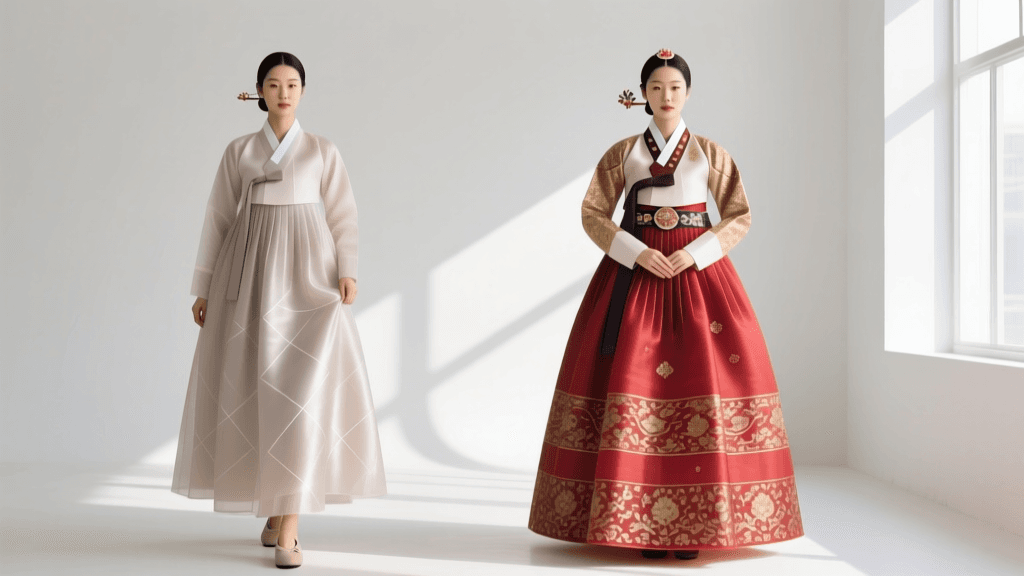
In ceremonial wear, the women's jeogori remains true to its late Joseon dynasty proportions: it is heavily cropped, typically measuring only 20 to 25 centimeters in length, sitting well above the natural waist. This ultra-short cut emphasizes the voluminous, high-waisted skirt beneath it. The sleeves feature a distinct curve (baerae), and the garment is secured with a long, sweeping silk ribbon tie called a goreum.
Conversely, the 2026 saenghwal (everyday) jeogori is elongated for modesty and practicality. Modern everyday jackets drop to the natural waist or hips (approximately 45 to 55 centimeters in length). The dramatic sleeve curve is softened into a standard set-in sleeve, and the traditional goreum is frequently replaced by hidden snap buttons, hook-and-eyes, or minimalist side zippers to allow for quick dressing and ease of movement in crowded urban environments.
The Chima (Skirt) and Baji (Trousers)
Ceremonial chima are renowned for their bell-like volume, achieved through extensive pleating and the use of stiff silk organza or multiple petticoat layers (sokchima). The waistband is wide and tied tightly above the bust. Everyday chima, however, utilize an A-line or wrap-skirt silhouette with significantly less fabric. They sit comfortably at the natural waist and often feature practical additions like side-seam pockets and adjustable elastic waistbands.
Fabric and Material Guide for 2026
The choice of textile is the primary differentiator between a ceremonial heirloom and a daily-wear garment. According to the National Folk Museum of Korea, traditional weaving techniques like myeongju (silk) and mosi (ramie) remain the gold standard for formal events, but the 2026 market has seen a massive surge in sustainable, high-tech blends for daily wear.
| Feature | Ceremonial Hanbok (Myeongjeol/Yeobok) | Everyday Hanbok (Saenghwal) |
|---|---|---|
| Primary Fabrics | Myeongju Silk, Geumbak (Gold Leaf), Ramie | Cotton-Linen Blends, Tencel, Washable Silk |
| Silhouette | Voluminous Chima, Cropped Jeogori | A-Line Skirt, Extended Jeogori |
| Fastening | Traditional Goreum (Long Silk Ties) | Hidden Zippers, Snap Buttons, Elastic |
| 2026 Price Range | $600 - $1,500+ (Custom Tailored) | $80 - $250 (Ready-to-Wear) |
| Care Instructions | Professional Dry Clean Only | Machine Washable (Cold, Gentle Cycle) |
For everyday wear in 2026, Tencel and organic cotton-linen blends dominate the market. These fabrics offer the beautiful drape associated with traditional hanbok but are resistant to wrinkling and can be tossed into a washing machine. Ceremonial silks, particularly those adorned with geumbak (gold leaf stamping), require meticulous care and must never be exposed to water.
Styling Ceremonial Hanbok for Modern Milestones
Ceremonial hanbok is reserved for life's most significant milestones: weddings, Chuseok (Korean Thanksgiving), Seollal (Lunar New Year), and Doljanchi. In 2026, the trend for ceremonial wear leans heavily into 'newtro' aesthetics—combining historically accurate silhouettes with unconventional, muted color palettes like sage green, dusty rose, and slate blue, moving away from the hyper-saturated primary colors of the late 20th century.
Actionable Advice for Ceremonial Buyers:
- Renting vs. Buying: If you only need a ceremonial hanbok for a single event, renting from a boutique in Seoul or Los Angeles typically costs between $40 and $90 USD for a 24-hour period. However, if you are purchasing for a wedding or a child's first birthday, invest in a custom piece. Expect to pay around $800 for a high-quality, domestically produced silk set.
- Undergarments are Mandatory: The ceremonial silhouette relies entirely on proper undergarments. You must purchase a sokchima (petticoat) with a built-in hoop or heavy ruffle to support the weight of the silk skirt. Budget an extra $50 to $80 for proper structural undergarments.
- Footwear: Pair your ceremonial wear with traditional kkotsin (silk shoes) or modern leather danghye. Avoid wearing standard heels, as the hem of the chima is designed to glide just above the floor when wearing flat, traditional soles.
Integrating Saenghwal Hanbok into Daily Life
The saenghwal hanbok movement has fully matured by 2026, transforming from a niche subculture into a staple of contemporary Asian fashion. Everyday hanbok is designed to be mixed and matched with Western wardrobe staples, making it highly versatile for the modern professional or student.
Styling Formulas for 2026:
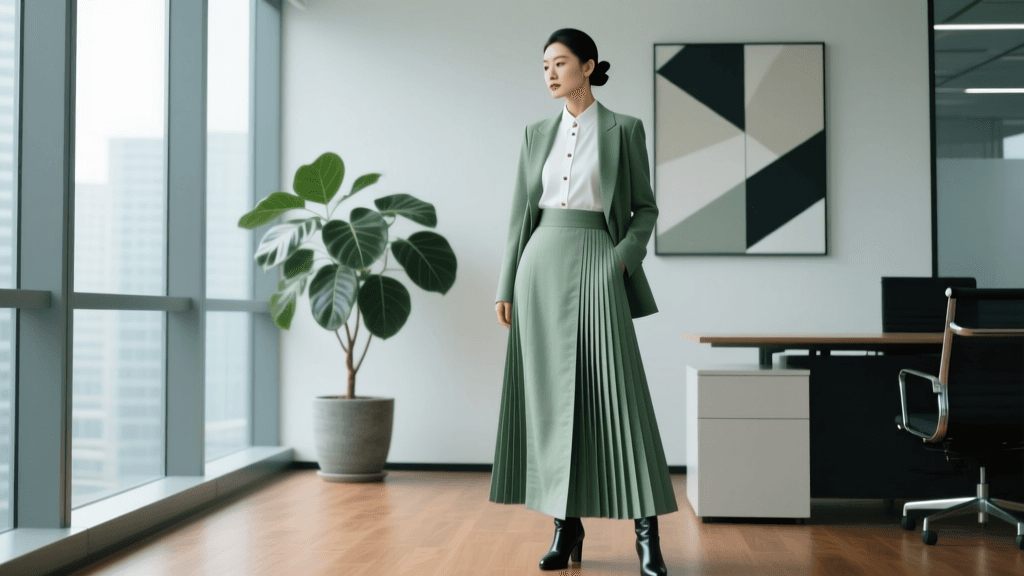
- The Office Look: Pair a structured, mandarin-collar jeogori made of navy cotton-linen with high-waisted, wide-leg Western trousers. Swap the traditional ribbon tie for a minimalist silk ascot or leave the collar open over a crisp white turtleneck.
- Casual Weekend: A cropped, everyday jeogori with snap-button closures looks exceptionally chic layered over a vintage graphic tee and paired with denim jeans. The subtle curve of the hem and the traditional collar (git) add an architectural element to a basic outfit.
- Summer Travel: Opt for a lightweight ramie or Tencel wrap-skirt chima paired with a simple linen blouse. The breathable nature of the fabric and the airy skirt make it ideal for navigating hot, humid climates while maintaining a culturally resonant aesthetic.
Garment Care, Storage, and Maintenance
Preserving the integrity of your garments requires distinct approaches depending on their classification. The Korean Cultural Heritage Administration emphasizes that improper storage is the leading cause of degradation in traditional silk textiles.
Caring for Ceremonial Silk
- Cleaning: Never attempt to wash ceremonial silk or geumbak at home. Take the garment to a dry cleaner who specializes in traditional or bridal garments. Point out any gold leaf detailing so they can avoid harsh chemical solvents that will strip the gold.
- Storage: Silk must breathe. Never store ceremonial hanbok in plastic dry-cleaning bags, which trap moisture and cause yellowing. Instead, wrap the garments in acid-free tissue paper or unbleached cotton muslin. Store them flat in a cedar chest to protect against moths and humidity.
- Airing Out: Once a year, preferably on a dry, breezy autumn day, remove your ceremonial hanbok from storage and hang it in the shade for a few hours to air out any stale odors and prevent permanent crease setting.
Caring for Everyday Blends
- Washing: Most 2026 saenghwal cotton and Tencel blends are machine washable. Use a mesh laundry bag, select the delicate or gentle cycle, and use cold water with a pH-neutral detergent to prevent color bleeding.
- Drying and Ironing: Air dry on a padded hanger to maintain the shape of the jeogori shoulders. If ironing is required, use a low-heat steam setting. For ramie fabrics, iron while the garment is still slightly damp to achieve a crisp, sharp finish on the collar and cuffs.
Final Thoughts on Building Your Hanbok Wardrobe
The dichotomy between ceremonial and everyday hanbok in 2026 offers a beautiful spectrum of choices for consumers. Ceremonial garments serve as wearable art, connecting the wearer to centuries of lineage, ritual, and uncompromising craftsmanship. Meanwhile, the saenghwal hanbok proves that traditional dress is not a static relic, but a living, breathing fashion system capable of adapting to the rhythms of modern life. By understanding the distinct fabrics, silhouettes, and care requirements of both categories, you can curate a wardrobe that honors Asian traditions while seamlessly fitting into your contemporary lifestyle.