Kimono Weather Adaptations 2026: Rain, Snow and Heat
Navigating the Elements: Kimono Wear in 2026
As global climate patterns continue to shift, the year 2026 has brought unprecedented weather challenges to Japan and the broader Asian continent. From sudden, intense monsoon downpours to record-breaking summer heatwaves and unpredictable winter snowstorms, wearing traditional garments requires more than just aesthetic appreciation; it demands practical adaptation. According to the Japan Meteorological Agency, the frequency of extreme weather events has noticeably increased, prompting both traditional artisans and modern textile engineers to innovate. For kimono enthusiasts, navigating these elements in 2026 means blending centuries-old sartorial wisdom with cutting-edge material science. This comprehensive guide explores how to protect your garments, maintain your comfort, and preserve the elegance of traditional Japanese clothing amidst today's most severe weather conditions.
Beating the 2026 Summer Heat: Ro, Sha, and Cooling Tech
Summer in 2026 is characterized by high humidity and soaring temperatures, making the traditional multi-layered kimono ensemble potentially hazardous without the right adaptations. The foundation of summer kimono wear lies in the selection of breathable textiles. Ro (leno weave) and Sha (gauze) silks remain the gold standard. These weaving techniques create intentional gaps in the fabric, allowing air to circulate directly against the skin while maintaining the structural drape required for formal and semi-formal occasions.
However, the true revolution in 2026 summer kimono wear is happening beneath the surface. Modern hadajuban (the innermost undergarment) and susoyoke (half-slips) are now routinely manufactured with advanced contact-cooling fibers. Leading Japanese innerwear brands have released 2026 collections featuring Q-Max 0.4 technology, which instantly draws heat away from the body upon contact. When paired with a lightweight nagajuban (under-kimono) made from bamboo-rayon blends, the wearer experiences a microclimate of cooling relief.
For casual wear, the yukata has also evolved. While traditional cotton remains popular, 2026 has seen a surge in seersucker cotton and linen-blend yukata. The crinkled texture of seersucker keeps the fabric away from the skin, promoting airflow, while linen offers superior moisture-wicking properties. To complete the summer look, geta (wooden clogs) with woven rattan or breathable hemp hanao (thongs) prevent foot fatigue and blistering during humid summer festivals.
Monsoon and Rain Adaptations: Keeping Silk Dry
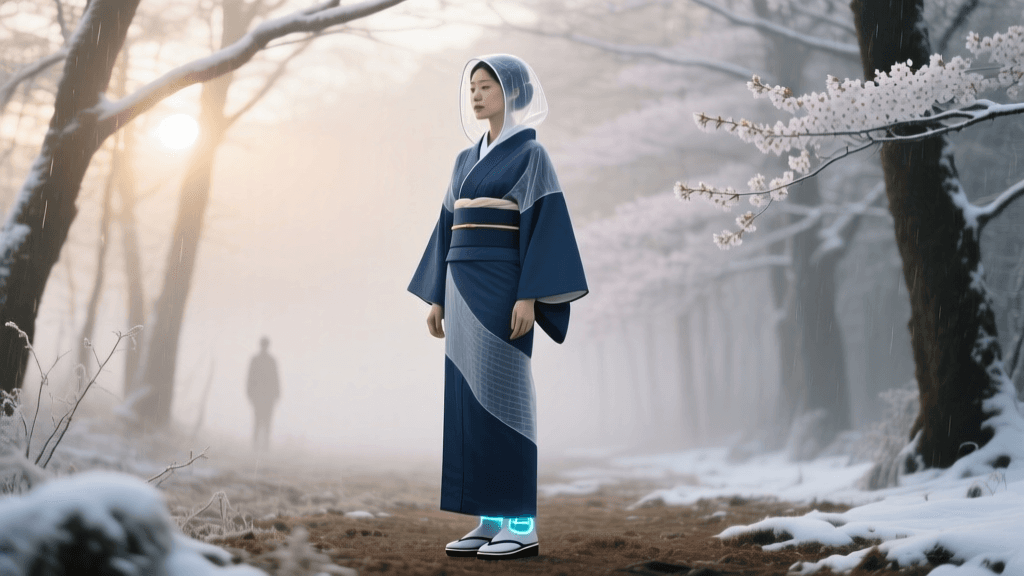
The rainy season (tsuyu) and sudden 'guerrilla' rainstorms pose the greatest threat to silk kimono. Water spots can permanently stain delicate dyes, and moisture can cause the garment's seams to pucker. In 2026, the traditional amagappa (a woven or oiled rain cape) has been largely replaced in urban settings by the modern michiyuki (overcoat) treated with invisible, breathable hydrophobic silicone coatings. These 2026 coatings repel water droplets instantly without altering the silk's natural luster or hand-feel.
Footwear is equally critical during the rainy season. Traditional shigure zori (rain sandals) feature a removable, waterproof cover that snaps over the toe and heel, protecting both the sandal and the wearer's tabi (split-toe socks). In 2026, manufacturers have introduced lightweight, transparent polyurethane zori covers that are virtually invisible, allowing the intricate brocade of the zori to show through while remaining completely waterproof. For those walking longer distances, shigure geta with elevated, lacquered wooden bases keep the kimono hem safely above puddles and mud splashes.
Etiquette in 2026 still dictates that one should remove their raincoat and wet footwear in the genkan (entryway) before stepping onto the tatami mats of a tea house or traditional venue. Carrying a specialized, absorbent microfiber cloth designed specifically for patting down damp silk hems is a recommended travel essential for any kimono wearer navigating the rainy season.
Navigating Snow and Freezing Temperatures
Winter in regions like Hokkaido, the Japanese Alps, and even parts of Kyoto can bring biting cold and deep snow. The Japan National Tourism Organization frequently highlights winter kimono experiences, but staying warm requires strategic layering. The traditional approach involves wearing multiple juban layers, but in 2026, thermal technology has streamlined this process.
Modern winter nagajuban are now lined with ultra-thin, far-infrared thermal batting that traps body heat without adding the bulky volume that disrupts the kimono's silhouette. Additionally, heat-retaining tabi made from brushed cotton or wool blends are essential for preventing frostbite in the toes. For the outer layer, a heavy haori (jacket) lined with down insulation or a thick shawl made from omeshi (a tightly woven, wind-resistant silk) provides a crucial barrier against freezing winds.
Snow presents a unique hazard to the kimono hem, which can easily drag and absorb melting slush. To combat this, 2026 winter fashion utilizes yukigutsu (traditional snow boots) adapted for kimono wear. These boots feature a slightly elevated platform and a waterproof leather or treated-canvas exterior. Alternatively, wearers can use a kasha (a traditional snow skirt or wrap) that ties around the waist and covers the lower half of the kimono, protecting the delicate silk from salt, slush, and mud. As noted in recent cultural coverage by The Japan Times, the fusion of outdoor-performance materials with traditional silhouettes has made winter kimono wear more accessible and comfortable than ever before.
2026 Kimono Weather Gear Comparison
To help you prepare your wardrobe for the year's unpredictable climate, below is a structured comparison of traditional solutions versus their 2026 modern adaptations, complete with estimated market costs in Japanese Yen (JPY).
| Weather Condition | Traditional Gear | 2026 Modern Adaptation | Estimated Cost (JPY) |
|---|---|---|---|
| Extreme Heat | Ro/Sha Silk, Bamboo Fans | Q-Max 0.4 Cooling Hadajuban, Linen-blend Yukata | ¥4,500 - ¥12,000 |
| Heavy Rain | Oiled Paper Amagappa, High Geta | Hydrophobic Michiyuki, Transparent Zori Covers | ¥8,000 - ¥25,000 |
| Deep Snow / Cold | Layered Cotton Juban, Straw Mino | Thermal-lined Nagajuban, Down Haori, Yukigutsu | ¥15,000 - ¥45,000 |
| High Winds | Heavy Omeshi Silk, Obi Clips | Wind-resistant Shawls, Magnetic Hem Weights | ¥3,000 - ¥10,000 |
Post-Weather Fabric Care and Maintenance
Exposing a kimono to extreme weather inevitably requires meticulous aftercare. If a silk kimono gets caught in a sudden 2026 summer downpour, the immediate response is critical. Never rub the wet silk, as this will fray the fibers and set water stains. Instead, gently blot the moisture with a dry, white cotton towel. Hang the kimono on a specialized, wide-shouldered emonkake (kimono hanger) in a well-ventilated room equipped with a dehumidifier. Avoid direct sunlight or artificial heat sources, which can cause the silk to become brittle and the dyes to fade.
For snow and slush exposure, allow any frozen mud or salt to dry completely before gently brushing it off with a soft-bristled garment brush. If salt stains persist, a damp cloth lightly dabbed with distilled water can lift the residue, but the garment must be dried immediately afterward. In cases of severe weather damage, or if the garment has absorbed heavy odors from humidity, professional arai-hari (the traditional method of unsewing, washing, and re-sewing the kimono) or modern specialized dry cleaning is required. Many 2026 kimono care services now offer eco-friendly, silicone-based dry cleaning that preserves the fabric's natural oils while removing deep-set weather stains.
Conclusion: Embracing the Seasons with Confidence
The beauty of the kimono lies in its deep connection to the seasons, reflecting the transient nature of the natural world. While the extreme weather of 2026 presents new challenges, the integration of modern textile technology with traditional aesthetics ensures that this iconic garment remains a viable, living tradition. By investing in the right cooling undergarments, hydrophobic outerwear, and thermal layering pieces, you can confidently step out into the rain, snow, or sweltering heat, knowing your attire is as resilient as it is beautiful.