Everyday vs Ceremonial Hanbok and Kimono: 2026 Guide
The 2026 Renaissance of Asian Traditional Garments
In 2026, the landscape of Asian traditional fashion has evolved far beyond the confines of museum exhibits and annual holiday celebrations. Driven by a global sustainable fashion movement and a renewed cultural pride among younger generations, traditional garments like the Korean Hanbok and the Japanese Kimono are experiencing a massive renaissance. However, a distinct divide remains between the opulent, highly structured ceremonial wear and the streamlined, practical everyday adaptations. Understanding the nuances between these two categories is essential for anyone looking to integrate Asian heritage garments into a modern wardrobe. According to Britannica's comprehensive guide to Hanbok, the evolution of these garments reflects a continuous dialogue between historical preservation and contemporary utility.
Hanbok: Bridging Myeongjeol and Saenghwal
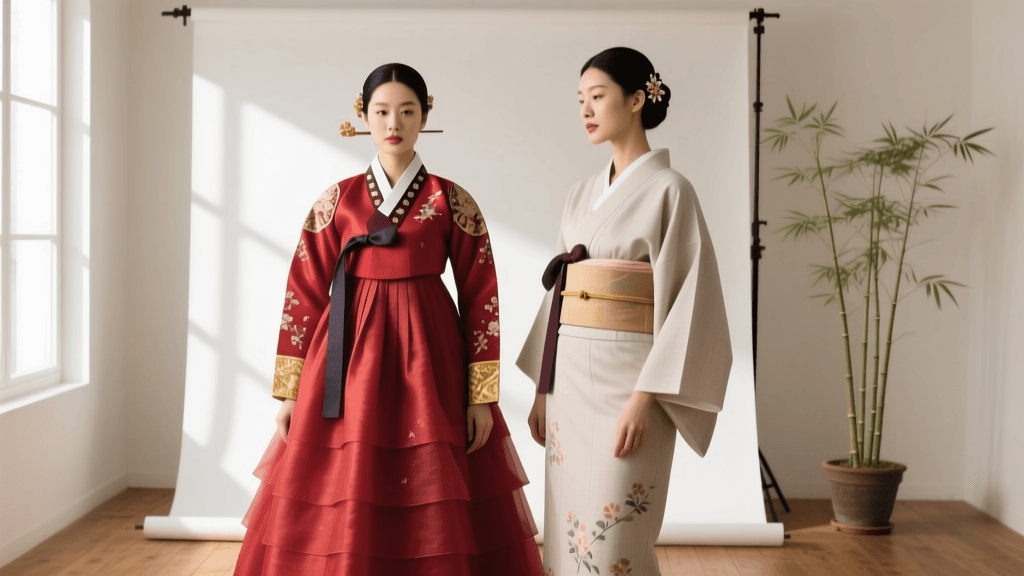
The Korean Hanbok is characterized by its vibrant colors, graceful lines, and lack of pockets in its traditional form. In 2026, the market is distinctly split between ceremonial Hanbok, designed for major life events and holidays, and Saenghwal (everyday) Hanbok, engineered for urban commuting, office wear, and casual socializing.
Ceremonial Hanbok (Myeongjeol & Hwalyeon)
Ceremonial Hanbok remains a masterpiece of textile artistry. For weddings, the Hwalyeon (wedding robe) and elaborate bridal wigs or Jokduri (crowns) are standard. These garments utilize heavy, pure silks, intricate gold-leaf stamping (geumbak), and multiple voluminous layers. The silhouette is strictly traditional, featuring a high, tight Jeogori (jacket) and a massively flared Chima (skirt) that pools around the feet. Dressing in ceremonial Hanbok often requires the assistance of a professional dresser, as the traditional Goreum (ribbon ties) must be knotted to exact historical specifications. In 2026, bespoke ceremonial Hanbok sets from master artisans in Seoul's Bukchon district can easily exceed $3,000 USD, making high-end rental services the preferred choice for most modern weddings and formal galas.
Everyday Hanbok (Saenghwal Hanbok)
Saenghwal Hanbok, which translates to 'living Hanbok,' has completely revolutionized how Koreans and global enthusiasts wear traditional dress daily. Leading 2026 brands like Leesle and Sonjjang have re-engineered the classic silhouette for modern mobility. The Jeogori is often lengthened slightly to accommodate modern layering, and the Chima is shortened to ankle or calf-length to prevent tripping on subway stairs or escalators.
The most significant 2026 innovations in Saenghwal Hanbok lie in closures and textiles. Traditional silk has been largely replaced by breathable Tencel-silk blends, organic cottons, and advanced stain-resistant polyesters that can be machine-washed. Furthermore, the complex Goreum ribbons are frequently replaced by hidden magnetic snaps or discreet hook-and-eye closures, allowing the wearer to dress in under two minutes. Hidden side-seam pockets are now a standard feature, catering to the smartphone-carrying modern consumer.
Kimono: The Spectrum from Furisode to Yukata
While the Hanbok has seen a rapid commercialization of its everyday variants, the Japanese Kimono maintains a stricter adherence to seasonal and formal rules, known as Kitsuke. As noted by the Victoria and Albert Museum's extensive Kimono archive, the kimono is not merely a garment but a complex system of social signaling, seasonal awareness, and artistic expression.
Ceremonial Kimono (Furisode & Tomesode)
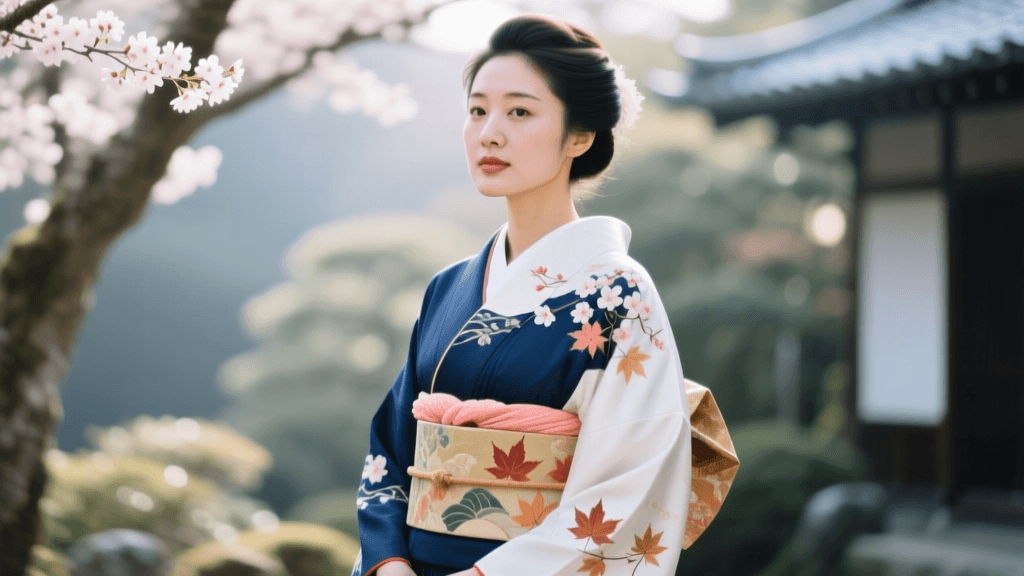
Ceremonial kimonos are the pinnacle of Japanese textile engineering. The Furisode, characterized by its dramatically long, swinging sleeves, is worn exclusively by unmarried women for coming-of-age ceremonies (Seijin Shiki) and formal weddings. Married women wear the Kurotomesode (black with crests) or Irotomesode (colored with crests). These garments are woven from heavy, exquisite Nishijin silk brocades and feature hand-painted Yuzen dyeing techniques.
Wearing a ceremonial kimono in 2026 is a time-intensive ritual. It requires multiple undergarments (Juban), padding to create a cylindrical body shape, and a heavily brocaded Fukuro Obi (sash) tied in complex, sculptural knots like the Otaiko. Because authentic ceremonial silk kimonos are incredibly delicate and costly to clean—often requiring specialized Arai-hari (unsewing and washing) services—ownership is usually reserved for generational heirlooms, with most opting for specialized rental salons in districts like Kyoto's Gion or Tokyo's Asakusa.
Everyday Kimono (Komon & Yukata)
For daily wear, the Komon (fine-patterned kimono) and the Yukata (informal summer cotton kimono) dominate the 2026 market. The modern everyday kimono movement is heavily focused on democratizing the dressing process. In 2026, 'washable silk' technology has matured significantly, allowing wearers to purchase beautiful Komon kimonos that can be safely hand-washed at home without losing their structural integrity or vibrant dyes.
To combat the steep learning curve of tying an Obi, the Tsuke-obi (pre-tied obi) has become incredibly sophisticated. High-end 2026 versions use memory-wire and hidden clips that mimic the look of a hand-tied knot perfectly but can be secured in seconds. Paired with elasticized Koshihimo (tying sashes) and Velcro-fastened Datejime, a beginner can now dress in a full everyday kimono outfit in under ten minutes. The Britannica historical overview of the Kimono highlights how these modern adaptations ensure the survival of the garment in a fast-paced world.
2026 Comparison Matrix: Ceremonial vs. Everyday Wear
Below is a structured comparison of the practical differences between these garment categories as of 2026:
| Feature | Ceremonial Hanbok | Everyday Hanbok | Ceremonial Kimono | Everyday Kimono |
|---|---|---|---|---|
| Primary Fabric | Heavy Silk, Ramie | Tencel, Cotton, Poly-blends | Nishijin Silk, Brocade | Washable Silk, Linen, Cotton |
| 2026 Avg Cost (USD) | $800 - $3,500+ | $80 - $250 | $2,000 - $10,000+ | $150 - $600 |
| Dressing Time | 30 - 60 mins (Assisted) | 2 - 5 mins (Self) | 45 - 90 mins (Assisted) | 10 - 20 mins (Self) |
| Maintenance | Professional Dry Clean Only | Machine Washable (Gentle) | Specialist Arai-hari | Hand Wash / Machine Wash |
| Mobility | Restricted, heavy layers | High, hidden pockets | Restricted, tight obi | Moderate, elastic ties |
Modern Care and 2026 Textile Innovations
The intersection of heritage and technology has yielded incredible advancements in garment care. For everyday traditional wear in 2026, nano-coating sprays are widely used to protect cotton and Tencel Hanbok from urban pollution and accidental spills. These hydrophobic sprays are breathable and do not alter the drape of the fabric.
For kimono enthusiasts, the introduction of smart-storage closets with automated humidity control has revolutionized home preservation. Silk, whether ceremonial or everyday, is highly susceptible to mold in humid climates. Modern 2026 storage solutions utilize IoT sensors to monitor the micro-climate inside the wardrobe, automatically releasing desiccants or circulating air to maintain the perfect 50% humidity level required for long-term silk preservation.
Top 2026 Styling Tips for Everyday Traditional Wear
- Footwear Fusion: Swap traditional Zori or Hwa for minimalist leather loafers or clean white sneakers. This grounds the outfit and makes it suitable for a modern office environment.
- Layering: In cooler months, wear a fitted turtleneck underneath your Jeogori or Kimono. This not only adds warmth but protects the delicate neckline (Dongjeong or Han-eri) from skin oils.
- Accessorize Minimally: Let the textile patterns speak for themselves. Opt for modern, structured leather handbags rather than traditional pouches to create a striking contrast between old and new.
- Hair and Makeup: Avoid overly stylized historical hairdos for everyday wear. A sleek, modern low bun or loose waves paired with natural makeup ensures the garment looks like a fashion choice rather than a costume.
Conclusion
The dichotomy between ceremonial and everyday traditional garments is not a battle between authenticity and modernity, but rather a harmonious ecosystem. Ceremonial Hanbok and Kimono serve as vital anchors to history, preserving ancient weaving techniques and formal cultural etiquette. Meanwhile, everyday adaptations like Saenghwal Hanbok and washable Komon ensure that these beautiful silhouettes remain a living, breathing part of daily life in 2026. By understanding the distinct purposes, fabrics, and care requirements of each, wearers can confidently celebrate Asian heritage in any setting, from a grand wedding hall to a casual morning commute.