Hanfu Family Ceremonies 2026: Birth, Wedding & Ancestral Rites Guide
The Evolution of Hanfu in 2026 Family Milestones
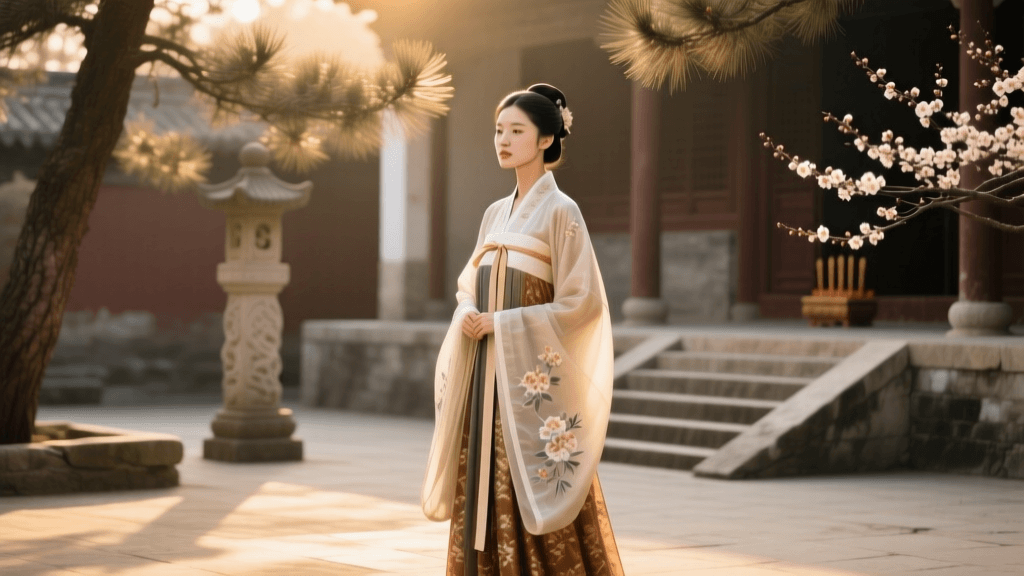
As we navigate through 2026, the Hanfu movement has matured far beyond streetwear fashion and social media trends. Today, traditional Chinese clothing is deeply embedded in the most intimate and significant family milestones. From welcoming newborns to exchanging matrimonial vows and honoring departed ancestors, Hanfu serves as a wearable bridge to centuries of cultural heritage. According to the Metropolitan Museum of Art's timeline of Chinese dress, the historical continuity of these garments reflects profound societal values regarding family, hierarchy, and cosmic harmony. For modern families, selecting the appropriate Hanfu for these rites requires an understanding of historical accuracy, fabric suitability, and ceremonial etiquette.
This comprehensive guide explores the specific garments, styling rules, and market realities for incorporating Hanfu into your family's most sacred ceremonies in 2026.
Welcoming New Life: Hanfu for Birth and Naming Ceremonies
In Chinese tradition, the arrival of a child is marked by several critical milestones, most notably the Man Yue (one-month celebration) and Zhu Zhou (first birthday). Dressing infants in traditional garments is believed to invite auspicious energy and protect the child from malevolent spirits.
The One-Month Celebration (Man Yue)
For the one-month naming banquet, infants are traditionally dressed in soft, unstructured wrapping garments known as Bao Yi. In 2026, safety and comfort are paramount. Leading Hanfu tailors now utilize GOTS-certified organic mulberry silk and unbleached cotton blends for infant wear. The garments are often embroidered with subtle motifs like the lotus (symbolizing purity) or the pomegranate (symbolizing fertility and abundance).
First Birthday (Zhu Zhou) and Tiger-Head Shoes
By the child's first birthday, they may wear a simplified Ruqun (a top and skirt ensemble) or a miniature Zhiduo (a one-piece robe). The most iconic accessory for this ceremony is the Hutou Xie (tiger-head shoe). Handcrafted by artisans, these shoes feature vibrant embroidery and a stylized tiger face on the toe, designed to ward off evil spirits and ensure the child grows up brave and healthy. In 2026, bespoke tiger-head shoes crafted with hypoallergenic dyes and flexible rubber-infused leather soles typically cost between $60 and $120 USD.
Matrimonial Bliss: Hanfu Wedding Attire Etiquette
Traditional Hanfu weddings have surged in popularity, offering a majestic alternative to Western white gowns. While various historical periods offer distinct wedding aesthetics, the Ming Dynasty (1368–1644) remains the gold standard for matrimonial rites due to its highly structured, regal, and deeply symbolic garments.
The Bride: Fengguan Xiapei and Aoqun
The pinnacle of Ming wedding attire is the Fengguan Xiapei (Phoenix Crown and Cloud Scarf). The bride wears a Da Shan (a long, wide-sleeved formal jacket) layered over a pleated Mamian Qun (horse-face skirt). The jacket is heavily embroidered with phoenixes and peonies, representing feminine grace and prosperity. The Xiapei, a V-shaped embroidered stole, drapes from the shoulders and is weighted with jade or gold pendants at the front to ensure it hangs perfectly straight. In 2026, a fully bespoke, hand-embroidered Ming wedding set from premier ateliers like Minghuatang can range from $2,500 to over $8,000 USD, reflecting thousands of hours of Suzhou embroidery work.
The Groom: Yuanlingpao and Buzi
The groom traditionally wears a Yuanlingpao (round-collar robe) in deep red or navy, fastened with a leather or silk belt. The chest and back feature a Buzi (rank badge). While historical badges denoted civil or military official ranks, modern 2026 wedding badges are custom-designed with auspicious motifs like mandarin ducks (symbolizing lifelong fidelity) or cranes (symbolizing longevity).
Comparing Dynastic Wedding Styles
| Dynasty | Bride's Key Garment | Groom's Key Garment | Aesthetic & Vibe |
|---|---|---|---|
| Tang (618–907) | Qixiong Ruqun (Chest-high skirt) | Gongzhuang (Court dress) | Vibrant, flowing, cosmopolitan, high-waisted silhouettes. |
| Song (960–1279) | Beizi (Long open-front coat) | Lanshan (Scholar's robe) | Minimalist, elegant, slender, subdued jewel tones. |
| Ming (1368–1644) | Aoqun / Da Shan (Jacket & Skirt) | Yuanlingpao (Round-collar robe) | Regal, structured, heavily embroidered, majestic presence. |
Honoring Lineage: Hanfu for Ancestral Rites and Festivals
Ancestral veneration is a cornerstone of Chinese familial duty. Festivals such as Qingming (Tomb-Sweeping Day) and Zhongyuan (Ghost Festival) require attire that reflects solemnity, respect, and modesty. The flamboyant silks of a wedding are entirely inappropriate for these occasions.
Color and Fabric Etiquette
For ancestral rites, the color palette must be subdued. Slate gray, navy blue, muted forest green, and raw white are the standard choices. The fabrics should lean towards the natural and unadorned. Raw silk, linen, and matte cotton are preferred over glossy brocades. As noted in UNESCO's Intangible Cultural Heritage registry on Chinese sericulture, the traditional processing of raw silk yields a textured, breathable fabric that historically connected the wearer to the earth and the agricultural cycles—perfect for outdoor tomb-sweeping ceremonies.
Garment Selection: Daopao and Beizi
Men typically wear the Daopao (a Taoist-inspired robe with side slits and hidden pleats) or the Shenyi (a deep, full-body robe that connects the top and bottom, symbolizing the unity of heaven and earth). Women often opt for the Song Dynasty Beizi, a long, straight, open-front coat worn over a simple top and skirt. The Beizi provides a slender, respectful silhouette that allows for ease of movement when kneeling, bowing, and sweeping the ancestral grounds. Embroidery, if present, should be tonal and restricted to the hems, featuring motifs like pine trees or bamboo to denote resilience and filial piety.
Understanding Ceremonial Color Symbolism
When planning family ceremonies in 2026, understanding the semiotics of color is crucial to avoid cultural faux pas.
- Da Hong (Crimson Red): Reserved exclusively for joyous occasions like weddings and major milestone birthdays (e.g., a 60th or 80th birthday). It represents fire, joy, and the warding off of bad luck.
- Bai (White): Historically the color of mourning. While modern fashion has embraced white, it is still strictly avoided for weddings and joyous family banquets. It is appropriate only for funerary rites.
- Huang (Yellow/Gold): Once reserved for the Emperor, gold and imperial yellow are now used as accent colors in wedding embroidery (like the phoenix crown) to denote supreme honor and wealth, but full yellow robes are still generally avoided by guests to prevent overshadowing the principal family members.
- Qing (Cyan/Teal/Navy): A highly versatile color representing wood, spring, and scholarly refinement. It is the most common and respectful color for ancestral rites and academic coming-of-age ceremonies.
Sourcing, Tailoring, and Fabric Care in 2026
The Hanfu market in 2026 is highly stratified, catering to both budget-conscious enthusiasts and luxury collectors. For family ceremonies, where photographic memories and generational heirlooms are at stake, investing in quality is highly recommended.
The Rise of Xiangyunsha
One of the most sought-after fabrics for high-end ceremonial Hanfu in 2026 is Xiangyunsha (Gambiered Canton Gauze). This ancient silk dyeing technique involves treating silk with the juice of the dioscorea cirrhosa tuber and mud from the Pearl River Delta. The result is a dark, rustling, water-resistant fabric that sounds like paper when it moves. A genuine Xiangyunsha Daopao for an ancestral rite can cost upwards of $1,200 USD, but it is prized for its durability and ability to be passed down as a family heirloom.
Care and Maintenance
Ceremonial Hanfu requires meticulous care to preserve its structural integrity and embroidery.
- Storage: Never hang heavy Ming Dynasty jackets or heavily embroidered skirts on wire hangers, as the weight will distort the shoulders and waist. Store them flat in acid-free archival boxes with cedar blocks to deter moths.
- Cleaning: Avoid home washing for any silk brocade or Xiangyunsha. Seek out dry cleaners in 2026 who specialize in heritage textiles and use hydrocarbon-based solvents rather than harsh perc, which can strip natural dyes.
- Pleating: The iconic pleats of the Mamian Qun (horse-face skirt) require specialized re-pressing. Many premium Hanfu brands now offer lifetime pleating services for garments purchased through their official boutiques.
Conclusion: Weaving the Past into the Future
Choosing Hanfu for family ceremonies is more than an aesthetic decision; it is an act of cultural reclamation. Whether you are wrapping a newborn in organic cotton tiger shoes, exchanging vows under the weight of a Ming Dynasty phoenix crown, or bowing in quiet reverence in a linen Daopao, these garments anchor your family's narrative within a continuum that stretches back millennia. As the 2026 market continues to refine its craftsmanship and historical accuracy, families are better equipped than ever to honor their lineage with dignity, beauty, and profound respect.