Everyday vs Ceremonial Hanbok and Kimono Guide 2026
The Evolution of Asian Traditional Garments in 2026
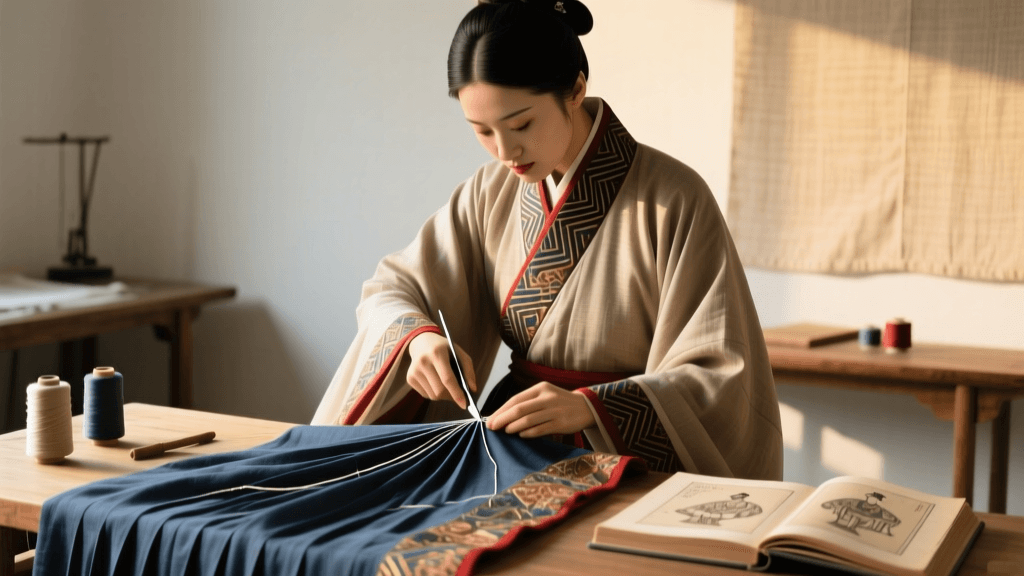
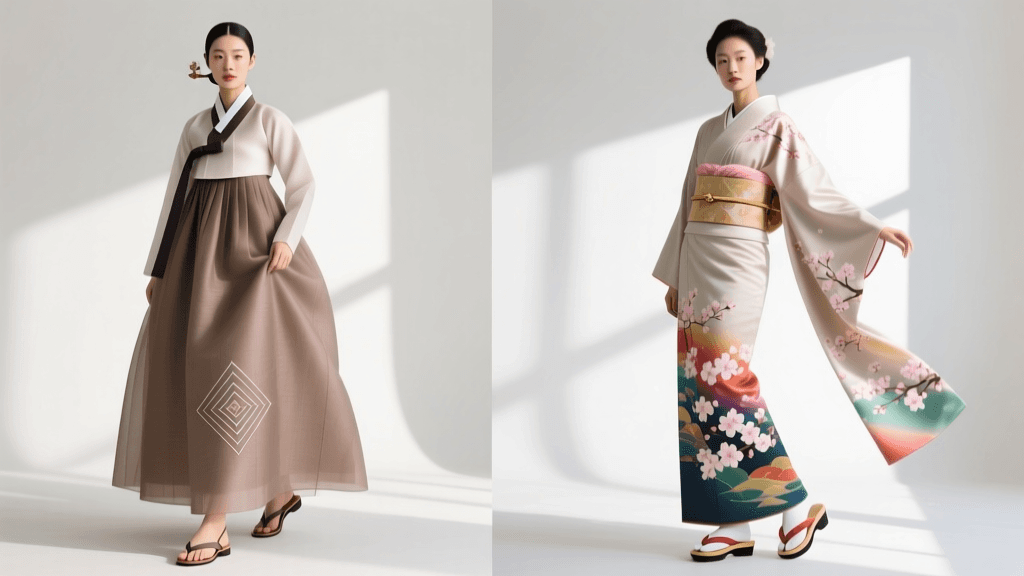
As we navigate the fashion landscape of 2026, the dichotomy between everyday wear and ceremonial attire in Asian traditional garments has never been more pronounced. Across East Asia, a cultural renaissance is redefining how younger generations interact with their sartorial heritage. While strict ceremonial garments remain vital for weddings, coming-of-age ceremonies, and major lunar holidays, modern adaptations have firmly cemented themselves in daily streetwear and office environments. Understanding the distinction between these two categories is essential for collectors, cultural enthusiasts, and anyone looking to invest in authentic traditional wear. This guide explores the structural, material, and stylistic differences between everyday and ceremonial garments, focusing specifically on the Korean Hanbok and the Japanese Kimono.
The Korean Hanbok: Saenghwal vs. Myeongjeol
Everyday Wear: The Rise of Saenghwal Hanbok
The 'Saenghwal Hanbok' (living hanbok) represents the modernized, everyday evolution of traditional Korean dress. Designed for mobility and ease of care, the 2026 iterations of Saenghwal Hanbok prioritize breathable, sustainable textiles. Designers are increasingly utilizing Tencel-linen blends and peace silk, allowing the garments to be machine-washed without losing their structural integrity. The traditional 'jeogori' (jacket) has been slightly elongated in modern cuts to provide more modesty and comfort for office wear, while the 'chima' (skirt) often features hidden pockets and adjustable waistbands. Priced accessibly between $80 and $180 USD, these garments are a staple in the wardrobes of young professionals in Seoul and the global diaspora. The tying mechanism, traditionally a complex ribbon known as 'goreum', is frequently replaced or supplemented with discreet magnetic clasps or quick-ties in everyday versions, reducing dressing time to under ten minutes.
Ceremonial Wear: Hwarot, Dangui, and Myeongjeol Hanbok
In stark contrast, ceremonial Hanbok—worn during weddings, ancestral rites (Jesa), and major holidays like Seollal and Chuseok—adheres to strict historical silhouettes and luxurious materials. The 'Hwarot', a traditional bridal robe, and the 'Dangui', a formal court jacket, are masterpieces of textile art. According to the National Folk Museum of Korea, these garments are characterized by their use of heavy, lustrous silks and intricate 'geumbak' (gold leaf stamping). The gold leaf is applied by hand using traditional adhesives, creating auspicious motifs like peonies and bats that symbolize wealth and longevity. Ceremonial Hanbok requires meticulous hand-washing or professional dry cleaning and can cost anywhere from $1,200 to over $3,500 USD. The layering is also more complex, often requiring multiple underskirts ('sokchima') to achieve the voluminous, bell-like silhouette that signifies dignity and grace.
The Japanese Kimono: Komon vs. Furisode
Everyday Wear: Komon and Yukata
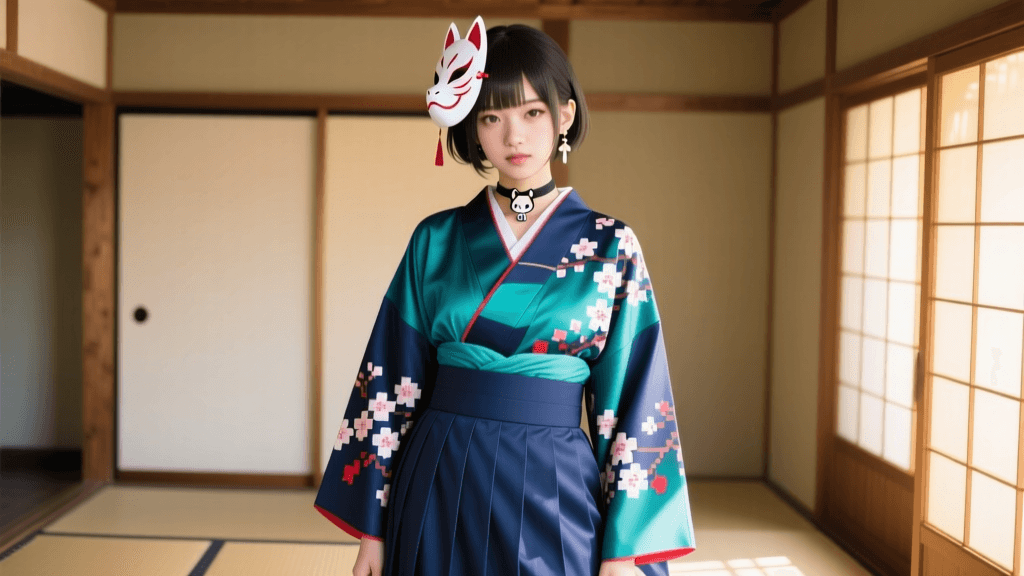
The Japanese Kimono ecosystem in 2026 is heavily supported by the 'Komon' (everyday patterned kimono) and the 'Yukata' (summer cotton kimono). Komon features repeating, small-scale patterns that are considered appropriate for casual outings, tea ceremonies, and daily errands. Modern 2026 trends have seen a massive surge in upcycled vintage Komon, as well as new productions utilizing advanced washable polyesters that mimic the drape of silk while resisting rain and humidity. The Yukata, traditionally worn at summer festivals, has transcended its seasonal boundaries, often styled with modern accessories like leather belts and ankle boots in Harajuku street fashion. The All Japan Kimono Association notes that everyday kimonos are designed for self-dressing ('kitsuke'), utilizing pre-tied 'tsuke-obi' (clip-on sashes) that allow the wearer to get ready in under fifteen minutes. The cost for a high-quality, new everyday Komon or Yukata ranges from $50 to $250 USD.
Ceremonial Wear: Furisode and Kurotomesode
Ceremonial kimonos are the pinnacle of Japanese textile craftsmanship. The 'Furisode', characterized by its dramatically long, swinging sleeves (often measuring 114 cm in length), is the most formal wear for unmarried women, typically worn during the Seijin Shiki (Coming of Age Day) and as a wedding guest. For married women, the 'Kurotomesode' (black kimono with crests and patterns only below the waist) holds the highest rank of formality. These garments are woven using 'Nishijin-ori' techniques or hand-painted with 'Kyo-yuzen' resist dyeing, a process that can take several months to complete. As highlighted by the Victoria and Albert Museum, the structural complexity of a ceremonial kimono requires the expertise of a professional dresser. The layering of the 'juban' (undergarment), the tying of the 'maru obi' (heavy brocade sash), and the precise arrangement of the 'obiage' and 'obijime' accessories can take up to an hour. Due to the immense cost—ranging from $4,000 to over $12,000 USD—many opt to rent these garments for specific occasions in 2026, though heirloom pieces remain highly prized family assets.
2026 Comparison Chart: Everyday vs. Ceremonial Garments
| Feature | Saenghwal Hanbok | Ceremonial Hanbok | Komon / Yukata | Furisode |
|---|---|---|---|---|
| Primary Use | Daily streetwear, office, casual events | Weddings, Seollal, Chuseok, ancestral rites | Summer festivals, casual outings, tea practice | Coming of Age Day, formal wedding attendance |
| 2026 Avg Cost | $80 - $180 USD | $1,200 - $3,500 USD | $50 - $250 USD | $4,000 - $12,000+ USD |
| Primary Fabrics | Tencel, linen blends, peace silk, cotton | Heavy silk, ramie, hand-stamped gold leaf | Organic cotton, washable tech-polyester | Nishijin-ori silk, Yuzen hand-dyed silk |
| Dressing Time | 5 - 10 minutes | 30 - 45 minutes | 10 - 15 minutes | 45 - 60 minutes (requires professional) |
| Maintenance | Machine washable, low-heat iron | Professional spot cleaning, cedar storage | Machine or hand wash, easy fold | Specialized ozone cleaning, strict humidity control |
Practical Buying, Sizing, and Styling Advice for 2026
Understanding Sizing and Measurements
One of the most significant differences between everyday and ceremonial garments lies in how they are sized. Modern Saenghwal Hanbok and Yukata are often produced in standardized Western sizes (S, M, L) or feature one-size-fits-most designs with adjustable ties. However, traditional ceremonial kimonos are cut from a single bolt of fabric known as a 'tanmono', which has a standard width of about 36 centimeters. When purchasing a vintage or custom Furisode, the kimono's length ('mitake') should ideally be within 10 centimeters of your total height. If the garment is too short, it will not fold correctly at the waist ('ohashori'), which is a mandatory aesthetic requirement for formal kimono dressing. For Hanbok, the primary measurement is the chest and shoulder width for the 'jeogori', ensuring the collar sits flatly against the collarbones without pulling.
Modern Styling and Accessories
In 2026, styling traditional garments with contemporary accessories is not just accepted; it is celebrated. For everyday Hanbok, pair a linen 'chima' with a simple white button-down shirt instead of the traditional 'jeogori' for a minimalist, office-appropriate look. Footwear has also evolved; while traditional 'kkotsin' (embroidered shoes) are reserved for ceremonial wear, everyday Hanbok is frequently styled with modern loafers or clean white sneakers. Similarly, everyday Komon kimonos are increasingly paired with wide-brimmed felt hats and leather crossbody bags. However, strict rules still apply to ceremonial wear. A Furisode must always be paired with 'zori' (formal sandals) and 'tabi' (split-toe socks), and the hair must be styled in an elegant updo to showcase the back design of the 'obi' knot.
Care and Maintenance in 2026
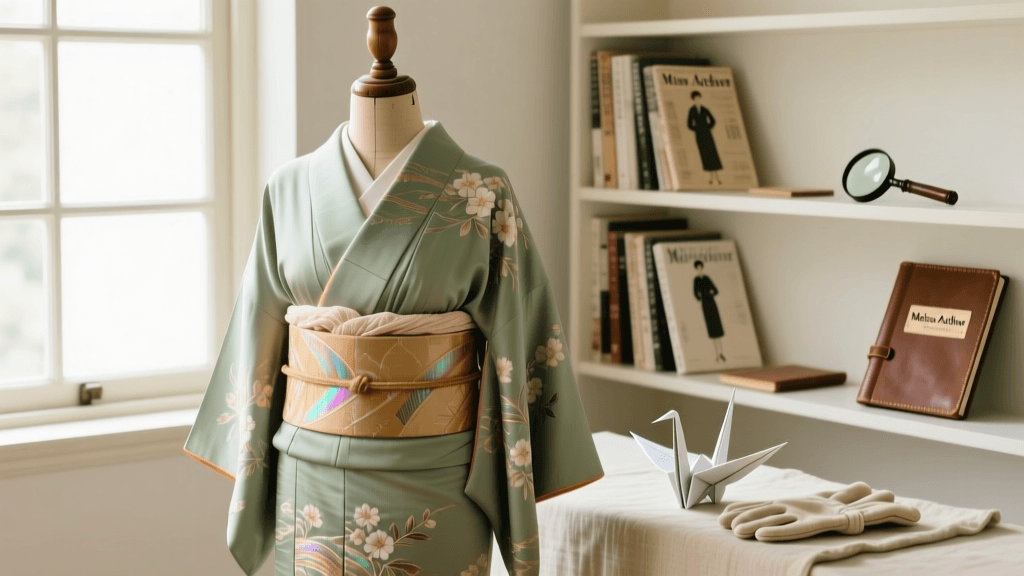
Proper storage is critical for preserving the value of ceremonial garments. Heavy silks and gold-leaf embellishments are highly susceptible to humidity and UV damage. In 2026, collectors utilize specialized 'tatou' (acid-free paper) wrappers and store their garments in untreated Japanese cedar boxes ('kiribako'), which naturally regulate moisture and repel insects. Avoid using plastic garment bags, as they trap moisture and promote mold growth. For everyday washable garments, always use a mesh laundry bag and a pH-neutral detergent to preserve the vibrancy of botanical and synthetic dyes. Ironing should be done on the reverse side using a pressing cloth to prevent shine marks on the fabric.
Conclusion
The landscape of Asian traditional garments in 2026 beautifully balances the sacred and the mundane. While ceremonial pieces like the Hwarot and Furisode serve as vital, living museums of ancestral craftsmanship and formal etiquette, everyday adaptations like the Saenghwal Hanbok and Komon ensure that these cultural silhouettes remain a vibrant, breathing part of daily life. Whether you are investing in a bespoke silk Furisode for a milestone celebration or purchasing a breathable linen Hanbok for your daily commute, understanding the distinct purposes, fabrics, and care requirements of these garments will allow you to wear them with both confidence and deep cultural respect.