The Ultimate Guide to Collecting Antique Meisen Kimono
The Renaissance of Taisho-Era Textiles
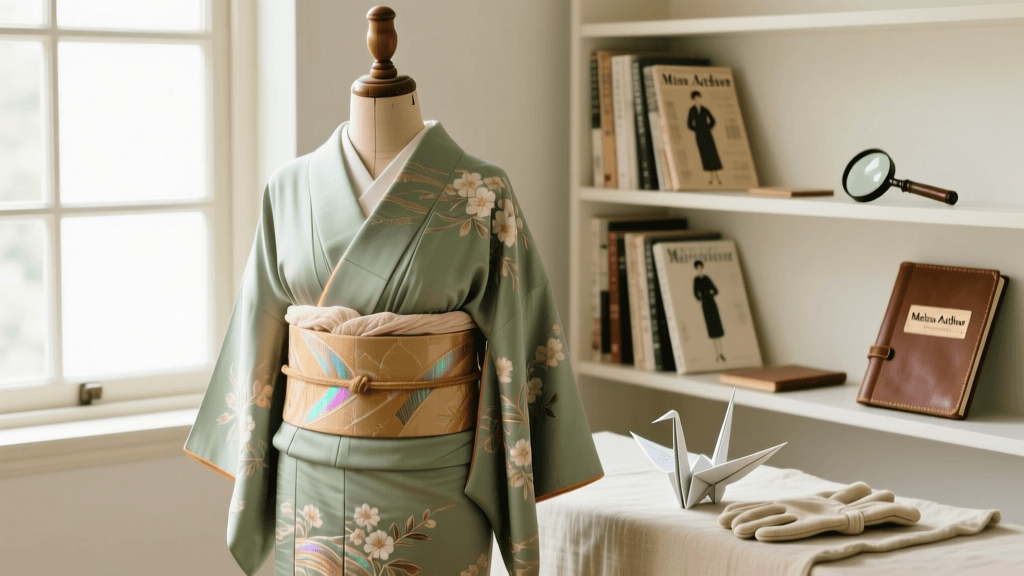
For vintage textile enthusiasts and Japanese fashion historians alike, few garments capture the imagination quite like the antique Meisen kimono. Flourishing during the Taisho (1912–1926) and early Showa (1926–1989) eras, Meisen silk represents a fascinating intersection of traditional Japanese craftsmanship and Western Art Deco modernism. Unlike formal silk garments that were reserved for the elite, Meisen was the “fast fashion” of its day—accessible, durable, and wildly expressive. Today, these pre-WWII textiles are highly sought after by collectors, interior designers, and vintage fashion curators worldwide.
According to the Victoria and Albert Museum’s comprehensive guide on Kimono history, the early 20th century in Japan was a period of rapid social change, where clothing became a canvas for modern identity. Meisen kimono perfectly encapsulate this shift, featuring bold geometric patterns, vibrant color palettes, and innovative weaving techniques that broke away from the subdued, nature-motif traditions of the Edo period.
The Magic of Hogushiori: Identifying Authentic Meisen
To collect Meisen is to understand its unique construction. True antique Meisen is characterized by a specific ikat (kasuri) weaving technique, most notably hogushiori (print-weave). In this labor-intensive process, warp threads are woven loosely with a temporary weft, dyed using stencils to create complex, multi-colored patterns, and then the temporary weft is removed. Finally, the dyed warp threads are woven with a solid or contrasting weft thread.
Key Identifiers for Collectors
- The Blurred Edge: Because the threads are dyed before the final weaving, the edges of the patterns often have a distinct, slightly blurred or feathered quality. This is the hallmark of authentic kasuri and distinguishes it from later, mass-printed synthetic reproductions.
- The Selvedge (Mimi): Inspect the outer edges of the fabric. Authentic antique Meisen will have tightly woven, often contrasting selvedge edges that prevent fraying.
- The Lining: Taisho and early Showa Meisen kimono are famous for their extravagant, contrasting linings. A dark, moody exterior featuring deep purples and blacks will frequently open to reveal a vibrant, cherry-red silk habutai lining.
- The Weight and Drape: Meisen is a plain-weave silk that is notably thicker and more robust than the delicate chirimen (crepe) silk used in formal yuzen-dyed kimono. It has a crisp, structured drape.
Sourcing Antique Meisen: Where and How to Buy
Building a high-quality Meisen collection requires knowing where to look and how to navigate the Japanese vintage market. While you can find pieces on Western platforms like Etsy or eBay, the most pristine and reasonably priced specimens are found domestically in Japan.
Navigating Japanese Auctions and Dealers
Serious collectors frequently utilize proxy bidding services such as Buyee or ZenMarket to access Yahoo! Auctions Japan. Searching for keywords like “銘仙” (Meisen), “大正ロマン” (Taisho Roman), and “アンティーク着物” (Antique Kimono) will yield thousands of results. Historical production centers like Chichibu (Saitama Prefecture) and Isesaki (Gunma Prefecture) are also home to specialized antique dealers and local museums dedicated to the craft.
As noted by the Metropolitan Museum of Art’s Heilbrunn Timeline of Art History, the preservation of these textiles offers a vital window into the socio-economic landscape of interwar Japan, making provenance and condition critical factors in valuation.
Market Valuation and Condition Grading
The value of an antique Meisen kimono is dictated by its condition, the complexity of its pattern, and the rarity of its colorway. Below is a structured guide to help collectors assess market value based on condition.
| Condition Grade | Description | Estimated Value (USD) | Collector Demand |
|---|---|---|---|
| Mint / Deadstock | Unworn, original basting threads (shitsuke) intact, vibrant lining, no fading. | $400 - $1,500+ | Extremely High |
| Excellent | Worn gently, no visible stains, minor fading on shoulders, crisp fabric. | $200 - $500 | High |
| Good | Minor stains (e.g., on the hem or collar), slight fraying, fully wearable. | $80 - $200 | Moderate |
| Fair / Study | Major stains, tears, weak or shattering silk. Best for cutting, framing, or upcycling. | $20 - $75 | Low (Crafters) |
Collector’s Tip: When buying online, always request photos of the hem (suso), the back of the neck (eri), and the underarm areas. These high-friction zones are the first to show wear, sweat stains, and fabric degradation.
Preservation, Storage, and Care
Acquiring an antique Meisen kimono is only the first step; preserving it for future generations requires meticulous care. Silk is a protein fiber that is highly susceptible to light, moisture, and pests.
The Art of Hon-Datami (Traditional Folding)
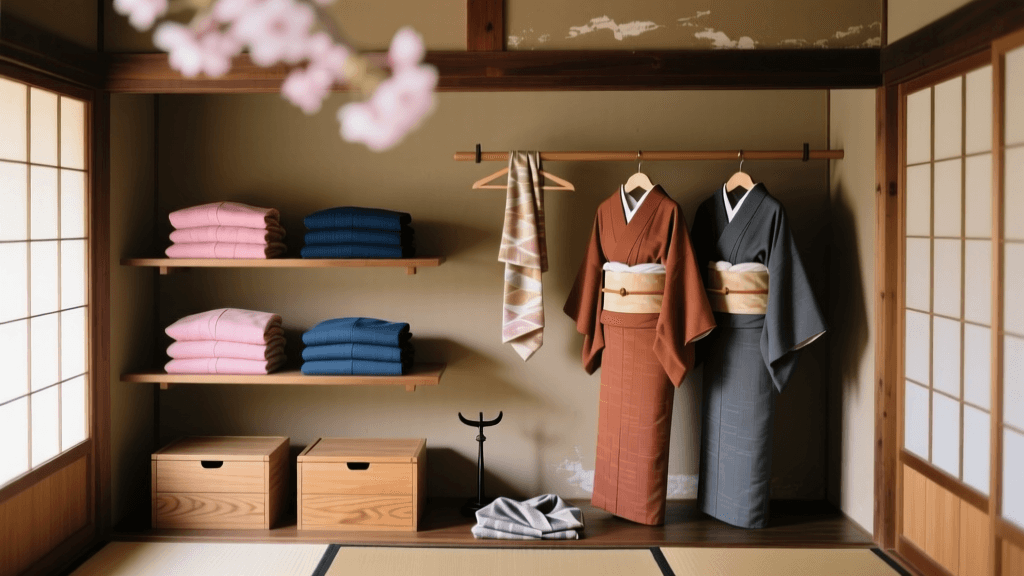
Never hang an antique Meisen kimono for long-term storage. The weight of the garment will stress the shoulder seams, leading to irreversible stretching and tearing. Instead, fold the garment using the traditional hon-datami method. This specific folding technique aligns the seams to prevent deep, permanent creases that can shatter aged silk fibers over time.
Materials for Archival Storage
- Tatami-shi (Wrapping Paper): Wrap the folded kimono in traditional Japanese tatami paper or unbleached, acid-free cotton muslin. Never use plastic bags, as they trap moisture and emit gases that yellow and degrade silk.
- Kiri (Paulownia) Wood Chests: In Japan, antique kimono are stored in Tansu (chests) made of Kiri wood. Kiri is naturally moisture-regulating and contains compounds that repel insects. If a Kiri chest is out of your budget, use acid-free archival storage boxes.
- Moth Prevention: Avoid standard chemical mothballs, which can melt into the silk and cause severe staining. Instead, use natural Japanese camphor (shonou) or silica gel packets (shikkui) to control humidity and deter pests.
Cleaning and Maintenance
If your Meisen kimono requires cleaning, never attempt to wash it at home. Water will cause the dyes to bleed and the silk to warp. Seek out a specialized Japanese kimono dry cleaner (known as a shimi-nuki expert) who understands the chemistry of pre-war dyes. For minor dusting, gently air the kimono outdoors on a dry, shaded day, brushing it lightly with a soft-bristled garment brush.
Upcycling and Repurposing Fair-Condition Meisen
Not every piece you encounter will be in museum-quality condition. “Study” or “Fair” condition Meisen kimono, which suffer from shattering silk or irreversible staining, still hold immense value for crafters and interior designers. The robust plain weave of Meisen makes it an excellent candidate for upcycling projects once the garment is no longer wearable.
Popular Upcycling Projects
- Haori Jackets and Western Outerwear: The back panels (mi-goro) of a kimono offer large, uninterrupted stretches of fabric perfect for sewing modern bomber jackets, vests, or open-front dusters.
- Obi and Accessories: Smaller, unblemished sections can be salvaged to create tote bags, clutches, or even repurposed into western-style belts and table runners.
- Framed Textile Art: The most striking, albeit damaged, Meisen feature bold, asymmetrical Art Deco motifs. Cutting out these specific design elements and framing them in UV-protective glass transforms a damaged garment into stunning wall art.
When cutting into antique silk, always use sharp, dedicated fabric shears and seal the edges with a liquid fray preventer or a tight zigzag stitch to maintain the integrity of the remaining textile.
Displaying Your Collection
For collectors who wish to display their Meisen pieces, invest in an ikko (traditional kimono stand). When displaying, keep the garment away from direct sunlight, as the UV rays will rapidly fade the vibrant Taisho-era dyes. Rotate the displayed pieces every three to four months to minimize light exposure and allow the fibers to “rest” in dark storage.
Conclusion: The Legacy of the Weave
Collecting antique Meisen kimono is more than a pursuit of beautiful textiles; it is an act of historical preservation. Each garment tells a story of a rapidly modernizing Japan, where women embraced bold, avant-garde fashion while honoring centuries-old weaving traditions. By understanding the intricacies of the hogushiori technique, navigating the nuances of the vintage market, and committing to proper archival care, collectors ensure that the vibrant legacy of Taisho and Showa-era Meisen will continue to inspire for generations to come.