Mastering Koromogae: The Art of Kimono Wardrobe Organization
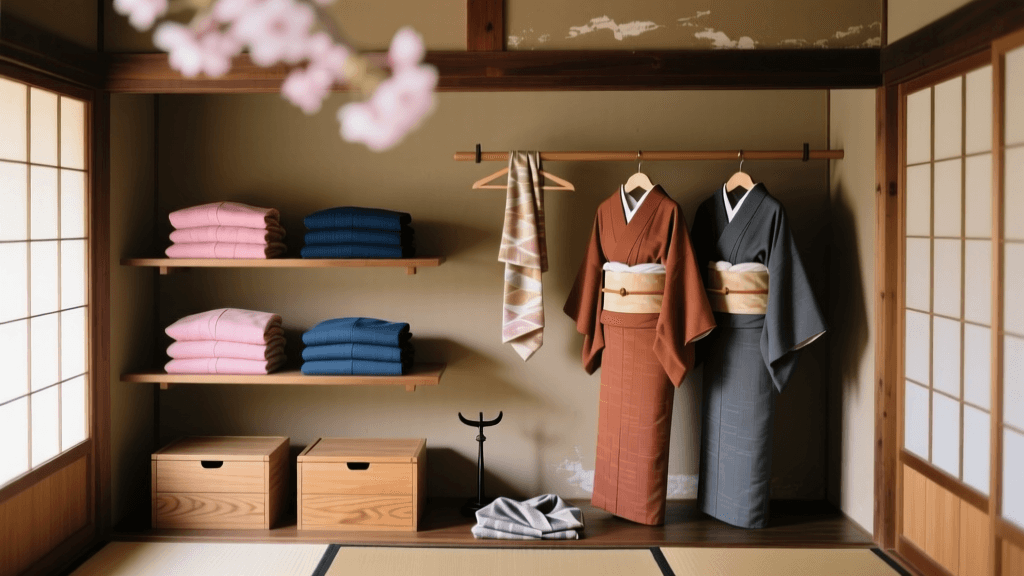
Introduction to the Kimono Wardrobe
Owning a kimono is not merely about possessing a beautiful garment; it is an invitation to participate in a centuries-old tradition of textile stewardship. Unlike Western clothing, which is often hung in closets year-round, traditional Japanese garments require meticulous care, specific folding techniques, and a strict seasonal rotation schedule. The silk, hemp, and cotton fibers used in kimono are highly susceptible to humidity, pests, and prolonged creasing. According to textile conservation experts at the Victoria and Albert Museum, the structural integrity of historical and modern silk garments relies heavily on how they are stored and handled when not in use. Mastering your kimono wardrobe organization ensures that your garments remain pristine, vibrant, and ready to be worn for generations.
The Tradition of Koromogae: Timing Your Seasonal Rotation
The concept of seasonal wardrobe transition is deeply embedded in Japanese culture, known as Koromogae (衣替え). Historically, this practice originated in the Heian period (794–1185) court, where nobles would formally change their attire to reflect the shifting seasons, signaling a respect for nature's cycles. Today, Koromogae is practically observed on two primary dates: June 1st and October 1st.
On June 1st, wearers transition from lined, heavier winter and spring garments to unlined (hitoe) and sheer summer fabrics like ro (gauze) and sha. On October 1st, the wardrobe shifts back to lined (awase) and padded kimono. However, modern climate change and regional weather variations mean that strict adherence to the calendar is not always practical. Wardrobe curators advise watching the local humidity and temperature. If the rainy season (tsuyu) lingers past June 1st, it is safer to wait until the dampness breaks before sealing away your winter silks, as trapping moisture inside a storage drawer is the primary cause of mold and fabric degradation.
Essential Storage Materials: Tansu and Tatou-shi
Proper storage begins with the right materials. The gold standard for kimono storage is the tansu, a traditional Japanese chest crafted from Paulownia wood (kiri). The Japan National Tourism Organization highlights Paulownia as a premier traditional craft material due to its unique cellular structure. The wood naturally expands and contracts with humidity, creating an airtight seal that keeps moisture out during the humid summer and retains moisture during the dry winter. Furthermore, Paulownia is highly fire-resistant and naturally deters insects.
Inside the tansu, kimono are never stored bare. They are wrapped in tatou-shi (畳紙), a specially sized, acid-free paper designed to protect the silk from dust, light, and the natural oils of the wood. A standard tatou-shi sheet measures approximately 64cm by 87cm, perfectly accommodating a folded kimono. When purchasing tatou-shi, always ensure it is labeled acid-free; acidic paper will cause yellowing and brittle fibers over time. For pest control, natural camphor or cedar chips are placed in the corners of the drawer, but they must never touch the silk directly, as the essential oils can stain and degrade the protein fibers.
The Art of Hon-Datami Folding
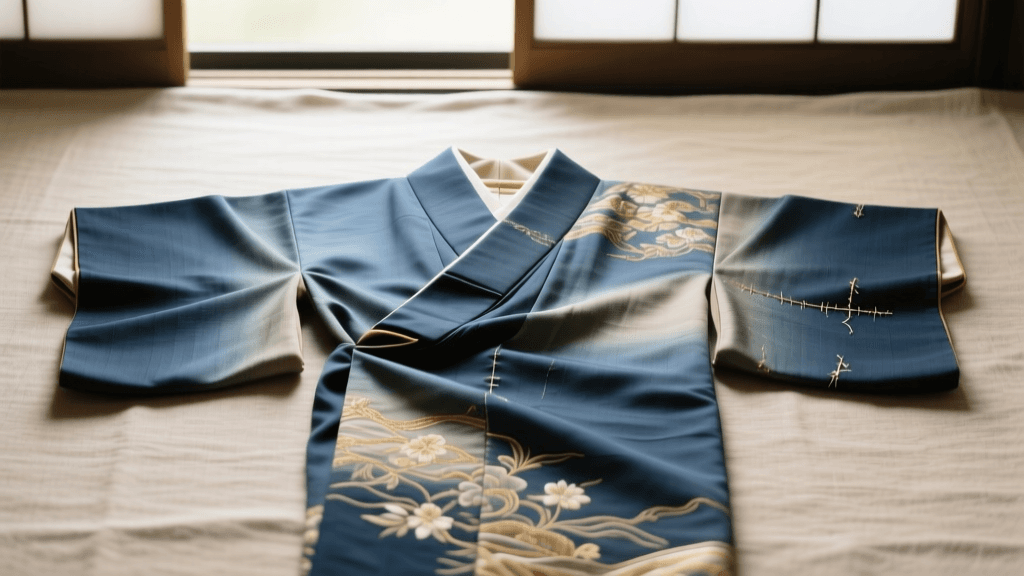
Kimono are constructed from straight, rectangular bolts of fabric (tanmono), which dictates their folding method. The standard folding technique is called hon-datami (本畳み). This method ensures that the seams align perfectly, preventing sharp, permanent creases from forming on the delicate silk.
- Preparation: Lay the kimono flat on a clean, dry surface. Ensure your hands are clean and free of lotions.
- Initial Folds: Fold the left front panel over the back, aligning the seams. Then, fold the right front panel over the left.
- Sleeve Management: Fold the sleeves inward so they lay flat against the body of the garment, ensuring the sleeve edges do not extend past the collar.
- Final Dimensions: Fold the garment in half or thirds horizontally. A properly folded kimono should measure roughly 33cm by 50cm.
- Wrapping: Place the folded garment in the center of the tatou-shi paper. Fold the paper envelope-style, securing it with the attached paper tie. Never use tape or rubber bands.
When storing multiple kimono in a single drawer, place the heaviest garments at the bottom and the lightest, most delicate silks at the top to prevent compression damage.
Seasonal Rotation Schedule and Storage Guide
Organizing your wardrobe requires a systematic approach. Below is a comprehensive guide to managing your seasonal rotation, ensuring that the correct textiles are accessible while others are safely preserved.
| Season / Transition Date | Garment Type to Wear | Garment Type to Store | Storage Environment | Pest Control Focus |
|---|---|---|---|---|
| Summer (June 1st) | Ro, Sha, Rin (Sheer & Unlined) | Awase (Lined), Haori (Coats) | Cool, dry Paulownia drawers with desiccant | High (Silverfish thrive in humidity) |
| Winter (October 1st) | Awase (Lined), Wadded Kimono | Ro, Sha, Hitoe (Unlined) | Standard Paulownia drawers, cedar blocks | Moderate (Moths target wool/linings) |
| Year-Round | Nagajuban (Undergarments), Obi | Formal Wedding Uchikake | Acid-free boxes, climate-controlled closet | Continuous monitoring required |
Mushiboshi: The Crucial Airing Out Process
Even with perfect storage, kimono require periodic breathing. This process is called mushiboshi (虫干し), or 'airing out to prevent insects.' It is recommended to air out your winter garments in late October or November, and your summer garments in late May, taking advantage of the dry, crisp weather before the extreme seasons begin.
During mushiboshi, remove the kimono from their tatou-shi wrappings and drape them over specialized kimono hangers (emonkake) in a well-ventilated, shaded room. Never expose silk kimono to direct sunlight, as UV rays will rapidly fade the dyes and weaken the fibers. Allow the garments to air out for two to three hours. This is also the perfect time to inspect the fabric for any signs of mold, loose threads, or pest damage, and to replace the desiccants and insect repellents in your tansu drawers.
Modern Storage Solutions and Costs
While a full Paulownia tansu is the dream of every kimono enthusiast, the cost and space requirements can be prohibitive. A high-quality, multi-drawer Paulownia chest can range from $800 to over $2,500, while a single drawer unit may cost around $150 to $300. For those living in modern apartments or humid climates without space for traditional furniture, modern alternatives exist.
Archival-quality, acid-free plastic storage boxes are a viable alternative. Unlike standard plastic bins which can off-gas harmful chemicals and trap moisture, archival boxes are chemically stable. When using plastic, it is imperative to include silica gel desiccant packets and open the boxes regularly to allow airflow. The Metropolitan Museum of Art utilizes advanced, climate-controlled archival boxing for their textile collections, a principle that can be scaled down for home use. Expect to spend about $40 to $60 per archival box, and $20 for a pack of ten high-quality tatou-shi papers.
Caring for Vintage and Antique Textiles
Vintage and antique kimono, particularly those from the Taisho (1912–1926) and early Showa eras, require heightened vigilance. The metallic threads and heavy embroidery characteristic of these periods can weigh down the silk, causing micro-tears if folded improperly. When storing heavily embroidered antique obi or wedding uchikake, pad the folds with acid-free tissue paper to create soft, rounded curves rather than sharp creases.
'In Japan, there is a concept called Tsukumogami—the belief that objects, when cared for over a long period, acquire a spirit. Treating your kimono with reverence through meticulous organization is not just about preservation; it is an act of cultural continuity.'
By embracing the rhythm of Koromogae and investing in proper storage materials, you transform the chore of wardrobe organization into a meditative practice. Your kimono will reward your diligence by retaining their breathtaking beauty, ready to be unfurled and celebrated when the season turns once more.