Saenghwal vs Ceremonial Hanbok: 2026 Styling & Cost Guide
The Evolution of Korean Traditional Dress in 2026
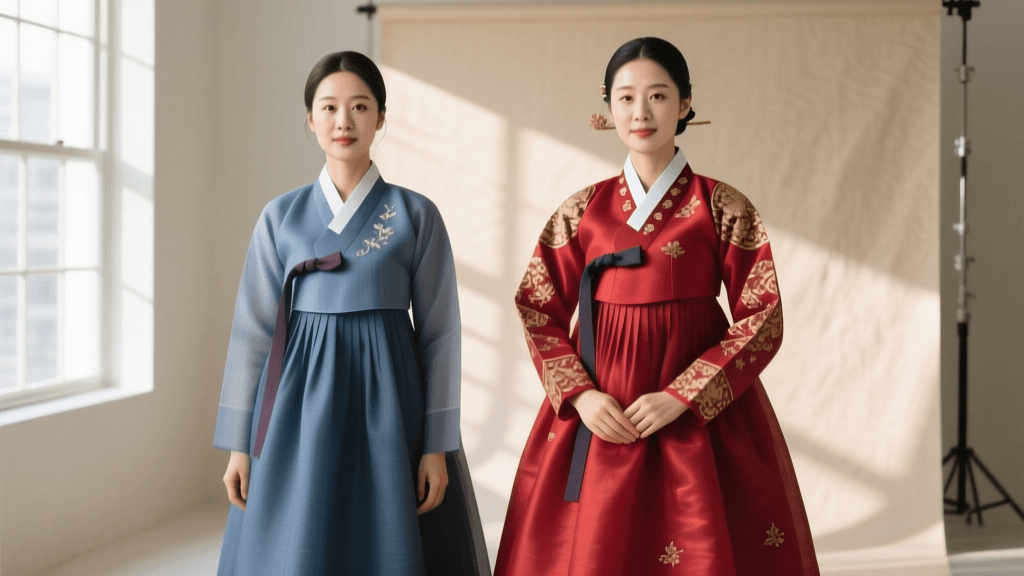
As we navigate the global fashion landscape of 2026, the Korean hanbok has firmly transcended its status as a purely historical artifact. Today, it exists in a dynamic duality: the highly structured, opulent ceremonial garments worn for weddings and major holidays, and the streamlined, highly practical Saenghwal Hanbok (everyday hanbok) that has become a staple in modern urban wardrobes. For enthusiasts, cultural practitioners, and fashion-forward individuals, understanding the distinct boundaries and crossover points between these two categories is essential for proper styling, sourcing, and garment care.
The push toward wearable traditional clothing has been heavily supported by cultural initiatives, with the Hanbok Advancement Center reporting a massive surge in eco-friendly, daily-wear hanbok brands entering the market this year. Whether you are preparing to attend a traditional Korean wedding, participating in the Chuseok harvest festival, or simply looking to integrate elegant silhouettes into your daily office attire, this comprehensive guide breaks down the structural, financial, and stylistic differences between everyday and ceremonial hanbok in 2026.
Saenghwal Hanbok: The Everyday Wardrobe Staple
Saenghwal Hanbok (생활한복), which translates directly to 'daily life hanbok,' is designed for movement, ease of care, and modern convenience. In 2026, the everyday hanbok has fully embraced sustainable textile innovations. Designers are moving away from the stiff, shiny polyesters of the past decade, favoring Tencel, organic cotton-linen blends, and washed ramie. These fabrics offer breathability and a soft, matte drape that aligns with contemporary minimalist aesthetics.
The most significant structural deviation in Saenghwal Hanbok is the modification of the jeogori (the traditional upper garment). While traditional hanbok requires the goreum (chest ties) to be tied in a specific, symmetrical bow, everyday versions in 2026 frequently feature hidden magnetic clasps, snap buttons, or simplified, pre-tied ribbon accents. This allows commuters to slip their garments on in seconds without worrying about the bow loosening during a crowded subway ride.
Furthermore, the chima (wrap skirt) in everyday wear is often cut with a narrower hem circumference—typically around 2.5 to 3 meters, compared to the massive 4.5 meters of ceremonial skirts. This reduces tripping hazards and makes the garment far easier to manage in modern environments like cafes, office spaces, and public transit. Pockets, a rarity in historical designs, are now seamlessly integrated into the side seams of everyday chima and baji (trousers), catering to the smartphone era.
Ceremonial Hanbok: Preserving the Majestic Silhouette
Ceremonial hanbok encompasses Myeongjeol Hanbok (festive holiday wear) and Hwanrye-bok (wedding attire). Unlike the pragmatic Saenghwal styles, ceremonial garments are strictly bound by historical proportions and luxurious material requirements. According to archival guidelines preserved by the National Folk Museum of Korea, the visual impact of ceremonial hanbok relies on volume, vivid color blocking, and intricate embellishments.
The foundation of the ceremonial silhouette is the sokchima (petticoat) and sokbaji (under-trousers). In 2026, modern petticoats are crafted from lightweight, stiffened organza or hoop-skirt hybrids that provide the iconic bell shape without the crushing weight of historical cotton layers. The outer chima is almost exclusively crafted from gongdan (satin silk) or myeongju (raw silk), often featuring geumseon (gold leaf stamping) or intricate jacquard weaves that catch the light during formal bows and dances.
The baerae (the curved bottom line of the sleeve) is another defining feature. Ceremonial jeogori sleeves feature a deep, sweeping curve that mimics the gentle eaves of traditional Korean architecture. This requires significantly more fabric and expert tailoring to ensure the sleeve drapes elegantly when the arms are raised or folded. Additionally, ceremonial wear is heavily accessorized with norigae (ornamental pendants tied to the goreum or skirt waist), daenggi (hair ribbons), and specialized embroidered footwear known as kkotsin.
Structural and Practical Comparison
To visualize the distinct differences between these two categories, refer to the 2026 comparison matrix below:
| Feature | Saenghwal (Everyday) | Ceremonial (Myeongjeol/Hwanrye) |
|---|---|---|
| Primary Fabrics | Cotton, Linen, Tencel, Washable Poly-blends | Gongdan (Satin Silk), Myeongju, Brocade |
| Chima Circumference | 2.5m - 3.0m (A-line or moderate bell) | 4.0m - 5.0m (Full bell, requires petticoat) |
| Sleeve Curve (Baerae) | Flat to slight curve (2cm - 4cm) | Deep architectural curve (10cm - 18cm) |
| Fasteners | Hidden snaps, magnets, simplified ties | Traditional long Goreum (silk chest ties) |
| Skirt Length | Ankle-grazing (approx. 95cm - 100cm) | Floor-sweeping (approx. 110cm - 115cm) |
| Maintenance | Machine washable (delicate cycle) | Specialist dry cleaning only |
2026 Fabric Innovations and Garment Care
The care and maintenance of hanbok in 2026 reflect a broader industry shift toward sustainability and textile technology. For everyday Saenghwal Hanbok, the introduction of wrinkle-resistant, plant-based dyes has been a game-changer. The traditional galot (persimmon dyeing) technique, historically prized for its antibacterial properties and earthy tones, has been modernized to prevent the color-fading issues that plagued older garments. Everyday pieces can generally be machine-washed on a cold, delicate cycle using pH-neutral detergents and hung to dry, making the cost of upkeep negligible.
Ceremonial silk, however, demands rigorous preservation. Water spotting on gongdan silk is permanent, and the internal structural taping of the jeogori collar can warp if subjected to agitation. In 2026, professional hanbok dry-cleaning services in major metropolitan areas charge between $35 and $60 USD per ceremonial set. It is highly recommended to store ceremonial silk in breathable, unbleached cotton garment bags with natural camphor or cedar blocks to deter moths, avoiding plastic covers which can trap moisture and cause the silk fibers to yellow and degrade over time.
Sizing, Fit, and Tailoring Measurements
Unlike Western clothing, which is heavily contoured to the body, hanbok relies on a flat-pattern cutting technique that wraps and ties around the wearer. However, precise measurements are still critical for a bespoke fit. When commissioning a custom piece in 2026, tailors will focus heavily on the git (collar) and the dongjeong (the white, detachable paper or plastic collar insert).
For a proper ceremonial fit, the dongjeong must sit snugly against the neck without choking the wearer, typically measuring exactly 2.5cm to 3cm in visible width. The jeogori length is another crucial metric. While historical everyday jackets sometimes extended past the waist, modern ceremonial jeogori are tailored to end just above the natural waistline (typically 22cm to 26cm in back length for women) to allow the high-waisted chima to elongate the legs. The chima waistband must be measured to sit securely above the bust line, requiring a precise under-bust measurement plus a 3cm overlap for the ties. If the waistband is too loose, the heavy silk skirt will drag on the floor, risking severe damage to the hem.
Purchasing and Rental Economics in 2026
The financial investment required for hanbok varies wildly based on its intended use. The global appreciation for Korean culture, supported by digital media and international heritage festivals, has stabilized the market, though artisan shortages have pushed the price of bespoke ceremonial wear upward.
- Ready-to-Wear Saenghwal (Everyday): High-quality, sustainably made everyday sets (top and skirt/trousers) typically range from $120 to $280 USD. Brands focusing on organic linen and ethical manufacturing sit at the higher end of this bracket.
- Bespoke Saenghwal: Custom-tailored everyday pieces with premium fabrics and personalized embroidery range from $350 to $600 USD.
- Rental Ceremonial Hanbok: For tourists or those attending a single event, renting a full ceremonial set (including petticoats, accessories, and shoes) costs between $45 and $90 USD for a 24-hour period in major cultural hubs.
- Bespoke Ceremonial (Myeongjeol/Hwanrye): Authentic, hand-woven silk ceremonial sets are a major investment. Expect to pay between $900 and $2,500 USD. Wedding hanbok (Hwanrye-bok) featuring intricate gold leaf work and heavy brocade can easily exceed $4,000 USD due to the hundreds of hours of specialized artisan labor required.
For those looking to build a versatile wardrobe, cultural experts featured on the Korea.net Cultural Portal often recommend investing in a high-quality, neutral-toned Saenghwal chima that can be paired with both traditional jeogori and modern knitwear or silk blouses, bridging the gap between heritage and contemporary 2026 fashion.
Conclusion
Whether you are embracing the relaxed, eco-friendly lines of Saenghwal Hanbok for a day in the city or stepping into the majestic, silk-draped silhouette of a ceremonial ensemble, understanding the distinct rules and innovations of each category ensures you wear the garment with both respect and style. As 2026 continues to blend the ancient with the avant-garde, the hanbok remains a living, breathing testament to the adaptability of Asian traditional dress.