Hanfu on Global Runways: Top 2026 Fashion Week Trends
The Rise of Hanfu in Haute Couture: 2026 Overview
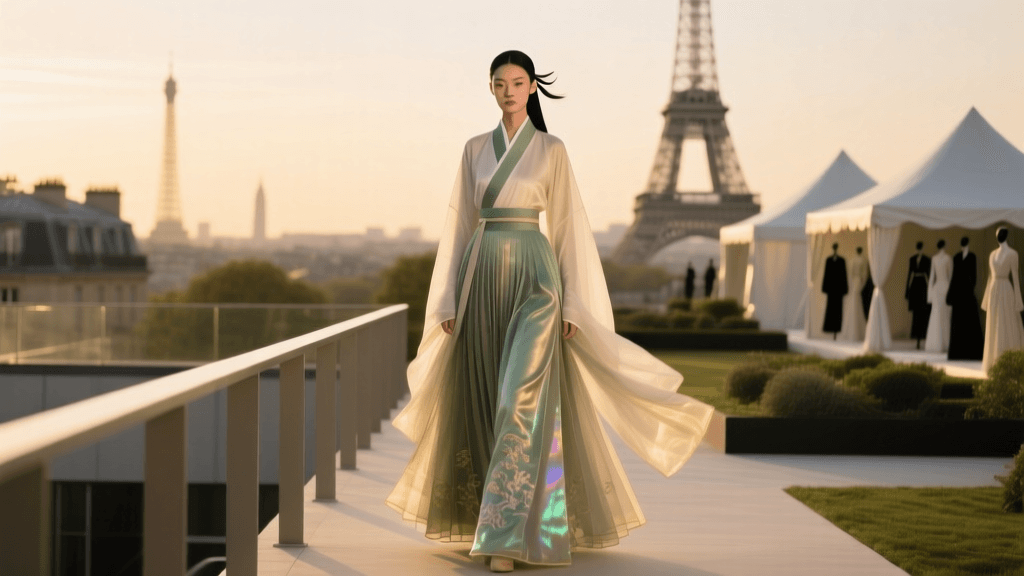
The global fashion landscape has undergone a monumental shift as we move through the Spring/Summer and Fall/Winter 2026 fashion weeks. No longer confined to historical reenactments or niche cultural festivals, traditional Chinese Hanfu has firmly established itself on the most prestigious runways in Paris, Milan, and New York. This year, the integration of Hanfu silhouettes into high fashion is not about mere appropriation or superficial orientalism; it is a deeply researched, structurally authentic celebration of Chinese sartorial heritage. Top-tier design houses and avant-garde indie labels are collaborating directly with textile historians to bring garments like the Mamianqun (horse-face skirt) and the Song Dynasty Beizi (long jacket) to the international stage.
According to extensive cultural reporting by the South China Morning Post, the modern Hanfu movement has evolved from a grassroots internet subculture into a multi-billion-dollar global industry. In 2026, this translates to runway shows where the right-over-left (youren) cross-collar closure and intricate pleating techniques are being celebrated as masterclasses in zero-waste pattern making and structural draping. Designers are recognizing that traditional Hanfu construction—which historically relied on flat-pattern cutting and minimal fabric waste—aligns perfectly with the luxury sector's 2026 sustainability mandates.
Key Hanfu Silhouettes Dominating Paris and Milan
The Mamianqun (Horse-Face Skirt) Takeover
If there is one garment that has defined the 2026 runway season, it is the Mamianqun. Characterized by its flat front and back panels with heavily pleated sides, the horse-face skirt offers a striking, architectural silhouette that moves beautifully in motion. On the Paris runways this year, we have seen the Mamianqun reimagined in unexpected materials. While traditional versions rely on silk brocade or woven jacquard, 2026 collections feature Mamianqun crafted from structured vegan leather, recycled organza, and even smart-textiles that shift color in response to ambient temperature changes.
The standard runway length for the Mamianqun this season sits at exactly 105 centimeters, designed to graze the ankle and showcase statement footwear. The pleat widths have been standardized by several avant-garde houses to a crisp 4.5 centimeters, creating a sharp, accordion-like effect that contrasts sharply with the fluid, oversized knitwear often paired with it on the catwalk.
Song Dynasty Beizi and Ming Dynasty Aoqun
Beyond the skirt, the outer layers of Hanfu are making a massive impact. The Song Dynasty Beizi—a long, open-front jacket with side slits—has become the go-to layering piece for international fashion editors attending the 2026 shows. Its straight, unstructured lines offer a minimalist elegance that rivals the modern trench coat. Meanwhile, the Ming Dynasty Aoqun (a tailored jacket paired with a skirt) is being adapted with exaggerated, dropped shoulders and extended cuffs, blending historical Ming tailoring with contemporary streetwear proportions.
Traditional Hanfu vs. 2026 Runway Adaptations
To understand how high fashion is interpreting these ancient garments, it is essential to compare the historical specifications with the modern runway adaptations seen in 2026.
| Garment Element | Traditional Specification | 2026 Runway Adaptation | Everyday Styling Tip |
|---|---|---|---|
| Mamianqun Pleats | Knife or box pleats in silk brocade, often featuring woven metallic threads. | Asymmetric heat-pressed pleats in recycled nylon or vegan leather. | Pair a cotton-blend Mamianqun with a fitted turtleneck and ankle boots. |
| Cross-Collar (Jiaoling) | Strictly right-over-left (youren), tied with internal and external fabric sashes. | Exaggerated lapels with hidden magnetic closures or metallic hardware. | Use a leather belt over a cross-collar top to define the waist. |
| Beizi Jacket Slits | High side slits extending to the armpit for ease of movement. | Slits extended to the front hem, creating a dramatic, cape-like drape. | Wear open over a slip dress for a modern, layered evening look. |
| Sleeve Shapes | Pipa (lute) sleeves or wide, flowing Da Xiushan sleeves. | Detachable wide sleeves with zip-off functionality for versatility. | Roll up Pipa sleeves and secure with a minimalist brass cuff. |
Fabric Innovations and Eco-Friendly Dyeing on the Runway
A major talking point of the 2026 international fashion weeks is the intersection of heritage textiles and eco-conscious innovation. The historical foundations of these textiles, as documented by the Metropolitan Museum of Art, reveal a deep reliance on natural resources and complex, labor-intensive dyeing methods. Today's designers are reviving these methods but scaling them with modern green technology.
Xiangyunsha, also known as gambiered silk, has been a standout fabric in Milan this year. Traditionally dyed using the juice of the Dioscorea cirrhosa tuber and coated with iron-rich river mud, this fabric is celebrated for its unique, crackled glaze and cooling properties. In 2026, luxury houses are utilizing closed-loop water systems to produce Xiangyunsha without the environmental runoff associated with historical mud-dyeing. Similarly, natural indigo and madder root dyes are being used to create vibrant, color-fast runway pieces that completely bypass the need for synthetic, petroleum-based azo dyes.
'The true luxury of 2026 is not just in the visual impact of a garment, but in the ancestral knowledge required to create its fabric. When a model walks down the runway in a Mamianqun dyed with fermented indigo, they are carrying centuries of botanical science with them.' — Lead Textile Curator, Global Fashion Heritage Institute.
How to Translate Runway Hanfu into Everyday 2026 Wardrobes
While the runway pieces are often avant-garde and prohibitively expensive, the core aesthetics of the 2026 Hanfu movement are highly accessible for everyday wear. As highlighted in Vogue's ongoing coverage of the Hanfu movement, the key to modern styling is juxtaposition—mixing historical silhouettes with contemporary basics.
Where to Buy Authentic and Modern Hanfu in 2026
If you are looking to invest in high-quality Hanfu that mirrors the craftsmanship seen on global runways, several premier brands are leading the market this year:
- Minghuatang: Known for their museum-grade accuracy and luxurious woven jacquards. Their 2026 Spring line features exquisite Mamianqun skirts that retail between $320 and $650. The 100% mulberry silk versions are an investment piece that will last a lifetime.
- Shisanyu: A fantastic entry point for modern, romantic adaptations. Their pricing ranges from $80 to $200, offering beautiful Song Dynasty-inspired tops and skirts that use lightweight, easy-care poly-blends perfect for daily commuting.
- Independent Global Artisans: Platforms like Etsy have seen a surge of independent designers creating 'Hanfu-inspired' separates. Look for sellers offering linen cross-collar tops (around $60-$90) which provide the historical silhouette with the breathability required for summer wear.
Actionable Styling Rules for the Modern Hanfu Wearer
To avoid looking like you are wearing a costume, apply these 2026 styling rules when integrating Hanfu into your daily rotation:
- The Rule of Proportions: If you are wearing a voluminous Mamianqun, keep your top half streamlined. A fitted, ribbed cashmere sweater or a tailored corset top balances the heavy pleats of the skirt perfectly.
- Footwear Matters: Leave the traditional embroidered cloth shoes for cultural festivals. For a 2026 street-style look, pair your Hanfu skirt with chunky leather loafers, pointed-toe mules, or sleek combat boots.
- Accessorize Minimally: Traditional Hanfu relies heavily on intricate hairpins and jade pendants. For everyday wear, strip this back. Opt for a single, sculptural metal hair cuff and a structured leather handbag to anchor the historical elements in modern reality.
- Mix Textures: Do not be afraid to mix a heavy, woven Hanfu skirt with a sheer, modern organza blouse. The contrast between historical weight and contemporary transparency is the defining aesthetic of this year's global fashion weeks.
Conclusion
The presence of Hanfu on the 2026 global runways marks a definitive maturation in how the international fashion industry engages with Asian traditions. It is no longer about extracting exotic motifs; it is about respecting and elevating the structural genius of traditional Chinese garment-making. Whether you are investing in a museum-quality Minghuatang Mamianqun or simply incorporating a cross-collar linen top into your summer capsule wardrobe, participating in this movement allows you to wear history in a way that is fiercely modern, sustainable, and undeniably chic.