Authentic Katan Silk Banarasi Sarees: 2026 Fabric Guide
The Renaissance of Banarasi Textiles in 2026
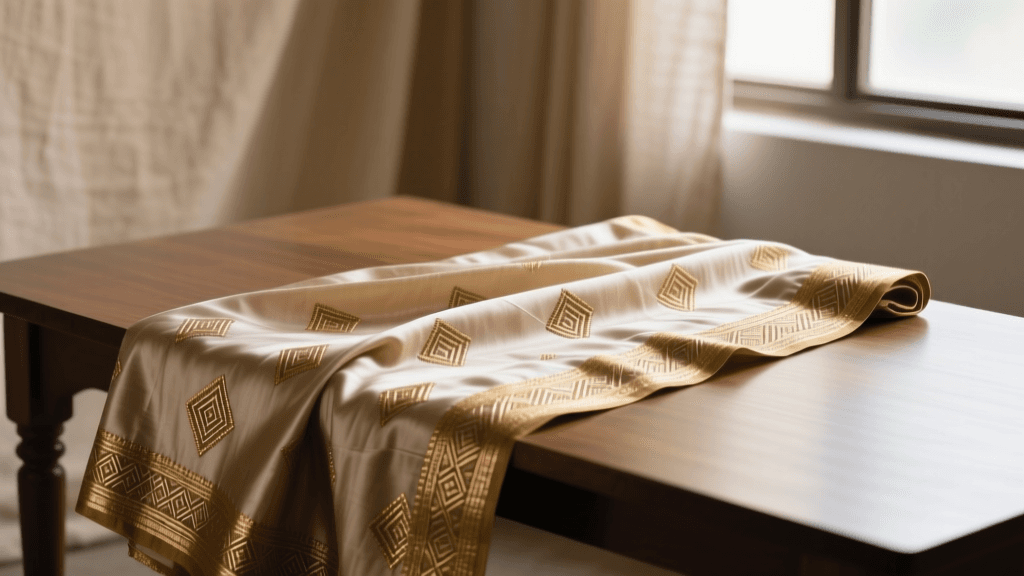
The Banarasi saree has long been considered the zenith of South Asian textile artistry, renowned for its opulent silk, intricate brocade work, and heavy metallic zari. However, as we navigate the luxury garment market in 2026, discerning buyers, bridal stylists, and textile collectors are facing a highly complex landscape. The proliferation of power-loom replicas and synthetic blends has made the authentication of traditional handloom fabrics more critical than ever. Fortunately, 2026 has also brought remarkable innovations in sustainable luxury, including blockchain-backed Geographical Indication (GI) tags and the widespread adoption of eco-friendly zari threads.
For those investing in heirloom-quality Asian traditional garments, understanding the precise fabric and textile choices is no longer optional; it is a necessity. This comprehensive guide delves deep into the anatomy of authentic Katan silk, the modern evolution of metallic threads, and the actionable metrics you need to evaluate, purchase, and preserve these masterpieces in 2026.
Understanding Katan Silk: The Gold Standard of Banarasi Weaves
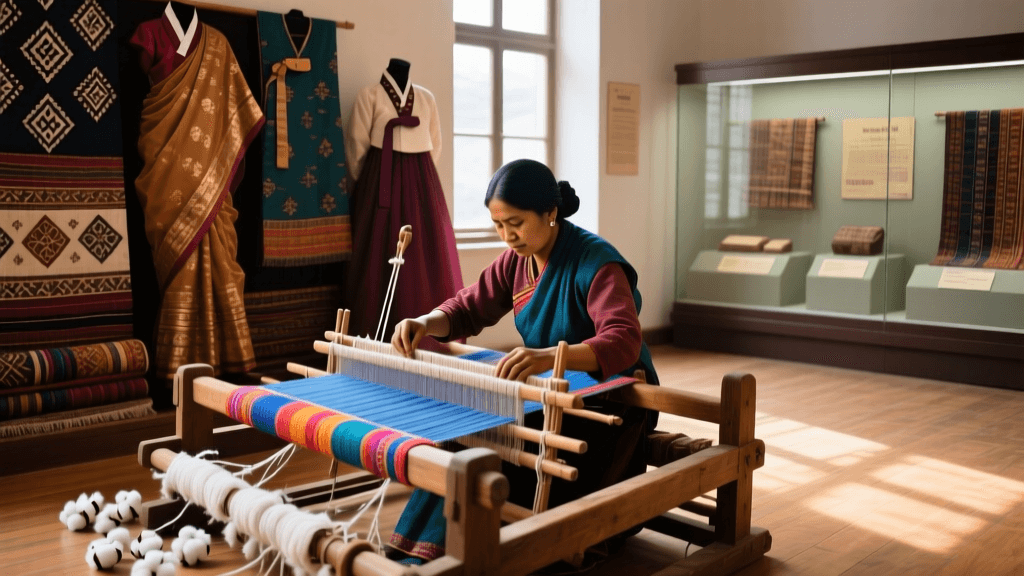
When connoisseurs speak of a 'pure Banarasi,' they are almost exclusively referring to Katan silk. Katan is not merely a type of silk; it is a specific preparation method. It involves twisting together two or more pure silk filaments to create a single, highly durable yarn. This twisting process gives Katan its signature sturdiness, allowing it to bear the immense weight of dense brocade motifs and heavy metallic zari without tearing or warping.
In 2026, master weavers in Varanasi are utilizing high-grade, multi-filament mulberry silk that boasts a higher tensile strength than the crops of the previous decade. According to historical and contemporary textile data documented by sources like Britannica's comprehensive archives on silk production, the integrity of the warp and weft is what dictates the lifespan of a silk garment. A genuine Katan silk saree features a plain weave base where the twisted silk threads create a firm, slightly textured canvas. This canvas is essential for the 'jala' (drawloom) or modern jacquard mechanisms to weave complex, raised motifs (butis, jalas, and bels) that appear embossed on the fabric surface.
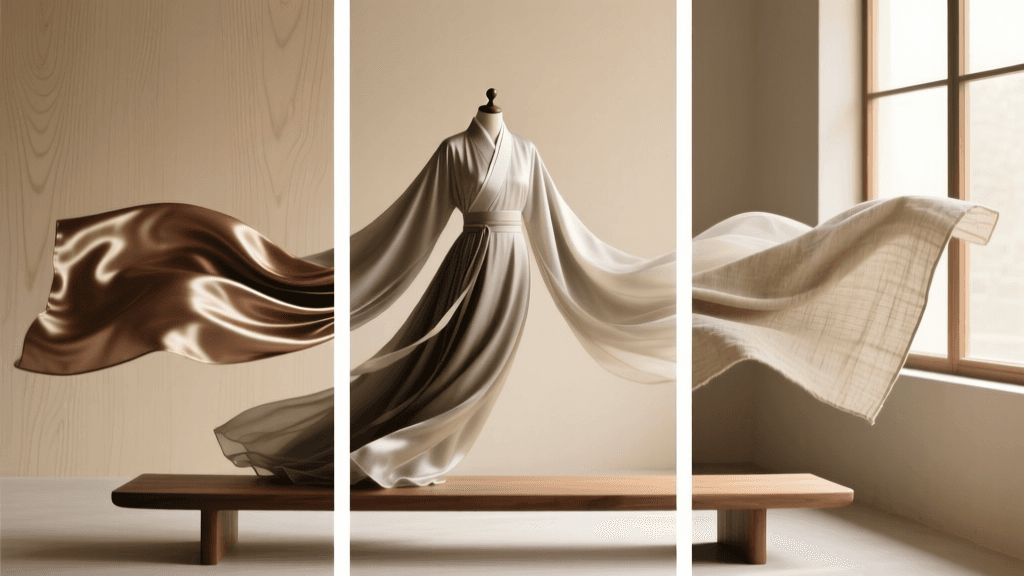
Unlike silk georgette or chiffon, which rely on fluidity and sheer draping, Katan silk offers a structured, regal drape. It holds pleats impeccably and provides the architectural volume required for modern bridal silhouettes, including structured lehenga skirts and tailored saree-gowns.
The 2026 Zari Revolution: Real Gold vs. Eco-Tested Zari
Zari—the metallic thread woven into the silk—is the soul of a Banarasi saree. Historically, pure zari consisted of a silk core wrapped in flattened silver wire, which was then electroplated in pure gold. However, the astronomical cost of precious metals has made pure gold zari a rarity, reserved only for bespoke, six-figure heirloom commissions.
The most significant textile development in 2026 is the perfection and mass adoption of 'Eco-Zari' and premium 'Tested Zari.' Tested zari uses a copper or synthetic core instead of silk, plated with silver and gold-toned finishes. While traditional tested zari was prone to tarnishing and losing its luster within a few years, the 2026 iterations feature advanced nano-coating technologies. These coatings prevent oxidation, ensuring the metallic threads remain vibrant for decades without the environmental toll of heavy metal mining.
Furthermore, the Ministry of Textiles, Government of India, has been instrumental in standardizing zari classifications, ensuring that buyers can clearly distinguish between pure, tested, and eco-friendly metallic threads via standardized labeling. Eco-zari, which utilizes recycled copper cores and non-toxic, water-based gold toning, has become the preferred choice for sustainable luxury brands and eco-conscious brides in 2026.
Fabric Weight and Drape: Choosing the Right GSM
Grams per Square Meter (GSM) is the definitive metric for understanding how a Banarasi saree will behave, drape, and feel against the body. In 2026, master weavers are categorizing their Katan silk offerings into distinct GSM tiers to cater to diverse styling needs. Below is a comparative analysis of the primary Banarasi silk textiles available this year.
| Fabric Type | Base Material | Average GSM | Zari Load Capacity | Best Use Case (2026) | Est. Price Range (USD) |
|---|---|---|---|---|---|
| Heavy Katan Brocade | Twisted Mulberry Silk | 180 - 220 | High (Dense Jaal) | Bridal Lehengas, Heirloom Sarees | $1,200 - $4,500+ |
| Lightweight Katan | Twisted Mulberry Silk | 120 - 150 | Medium (Scattered Butis) | Festive Sarees, Office Wear | $600 - $1,500 |
| Katan Silk Organza (Kora) | Un-degummed Silk | 90 - 110 | Medium-High | Summer Weddings, Overlay Dupattas | $800 - $2,000 |
| Silk Georgette Banarasi | High-Twist Crepe Silk | 70 - 90 | Low (Minimal Zari) | Cocktail Drapes, Fluid Silhouettes | $500 - $1,200 |
When selecting your fabric, consider the climate and the duration of wear. A 200 GSM Heavy Katan Brocade is breathtaking but can weigh upwards of 1.5 kilograms, requiring specialized tailoring and inner support structures. Conversely, Katan Silk Organza (Kora) provides the stiff, voluminous look of traditional brocade but with a fraction of the weight, making it a top choice for destination weddings in 2026.
Authentication: Verifying Pure Silk and Zari in 2026
With counterfeit textiles becoming increasingly sophisticated, visual inspection is no longer sufficient. To ensure you are purchasing authentic handloom Katan silk, you must employ a combination of traditional textile testing and modern digital verification.
1. The Digital GI Tag and Blockchain Verification
In late 2025, the Indian government and regional weaving cooperatives rolled out blockchain-integrated QR codes on the official Handloom Mark tags. When shopping for a Banarasi saree in 2026, always scan the QR code on the tag. This will reveal the entire supply chain: the specific weaving cluster in Varanasi, the master weaver's name, the silk origin, and the date of completion. If a seller claims a piece is handloom but cannot provide a scannable, verifiable GI tag, treat the garment with extreme skepticism.
2. The Burn Test for Katan Silk
If you have access to a loose thread from the pallu or an attached swatch, the burn test remains the most reliable physical authentication method. Pure Katan silk is a protein fiber. When burned, it will smell distinctly like burnt hair or feathers, and the flame will self-extinguish quickly. The resulting ash should be a fine, black powder that crushes easily between your fingers. Synthetic blends like polyester or art silk will melt into a hard, plastic-like bead and emit a chemical odor.
3. The Zari Water and Friction Tests
To test the quality of modern eco-zari or tested zari, gently rub the metallic thread between your thumb and forefinger. High-quality 2026 zari will not flake or leave a metallic residue on your skin. Furthermore, genuine silver-based zari will not tarnish instantly when exposed to a drop of sulfur-rich water, whereas cheap copper-aluminum imitations will quickly oxidize and turn green.
Tailoring and Construction Considerations
Working with heavy Banarasi textiles requires specialized tailoring techniques. Because Katan silk is densely woven, it does not fray as easily as chiffon, but the sheer weight of the zari motifs can cause the fabric to drag and distort the garment's silhouette. In 2026, expert tailors recommend using a 'floating lining' technique for heavy lehengas and saree blouses. This involves attaching a lightweight cotton or silk organza underlayer that bears the brunt of the garment's weight, allowing the outer Katan silk layer to drape naturally without pulling at the seams.
Additionally, when pleating a heavy Katan saree, avoid using standard iron-on fusing tapes, which can melt and stain the silk under high heat. Instead, opt for hand-stitched pleat holders or specialized magnetic saree pins designed specifically for thick, multi-layered textiles.
Garment Care: Preserving Heirloom Textiles
The longevity of a Banarasi saree depends entirely on how it is stored and maintained. The metallic zari threads are highly susceptible to moisture and acidic environments, while the silk proteins can degrade when exposed to ultraviolet light and harsh chemicals.
- Cleaning: Never attempt to hand-wash a heavy Katan silk saree. The water weight can stretch the fabric and cause the zari to snap. Always rely on professional dry cleaners who specialize in heritage textiles, and request that they use hydrocarbon-based solvents rather than harsh perc (perchloroethylene), which can strip the gold toning from modern eco-zari.
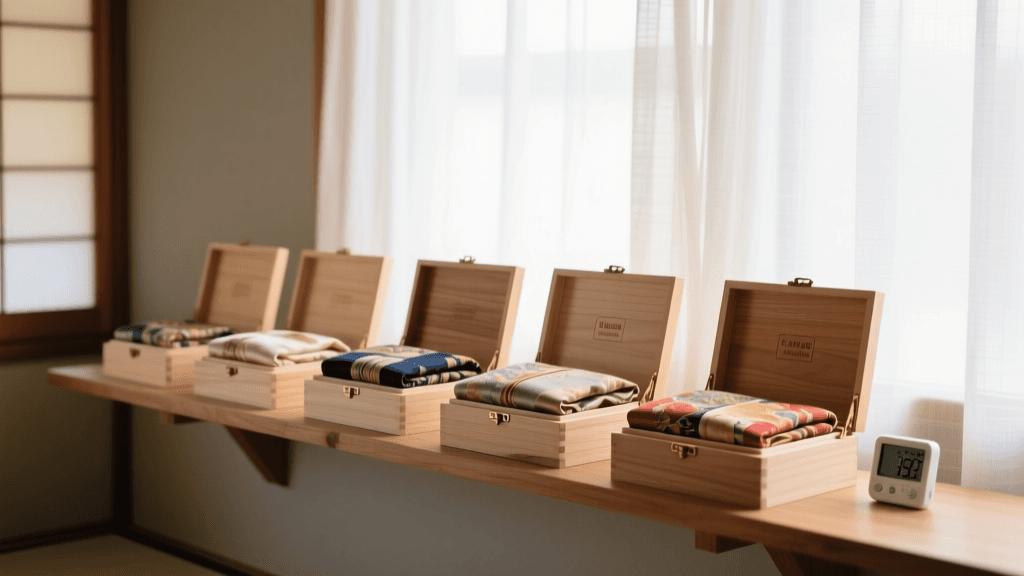
- Storage Materials: Avoid plastic garment bags, which trap moisture and accelerate the oxidation of metallic threads. Wrap your sarees in unbleached, washed muslin cloth or acid-free tissue paper. According to textile conservation standards outlined by institutions like the Victoria and Albert Museum's conservation department, allowing natural fibers to 'breathe' is paramount to preventing mold and fiber rot.
- Pest Control: Traditional naphthalene balls (mothballs) contain chemicals that can react with zari, causing permanent black spotting on the silk. In 2026, the standard for luxury textile storage is the use of natural cedar wood blocks, dried neem leaves, and lavender sachets, which repel insects without introducing toxic off-gassing into the storage environment.
- Refolding: To prevent permanent crease lines that can eventually lead to fabric tearing along the fold, refold your Banarasi sarees every three to four months. Change the position of the folds to distribute the stress across different areas of the warp and weft.
Conclusion
The landscape of Asian traditional garments is evolving, blending centuries-old craftsmanship with 21st-century sustainability and technology. By understanding the intricate details of Katan silk, embracing the innovations of 2026 eco-zari, and adhering to strict authentication and conservation protocols, you can confidently invest in Banarasi textiles that are not only breathtakingly beautiful but built to last for generations. Whether you are curating a bridal trousseau or adding to a private textile collection, prioritizing fabric integrity ensures that the legacy of the Banarasi weave continues to thrive in the modern era.