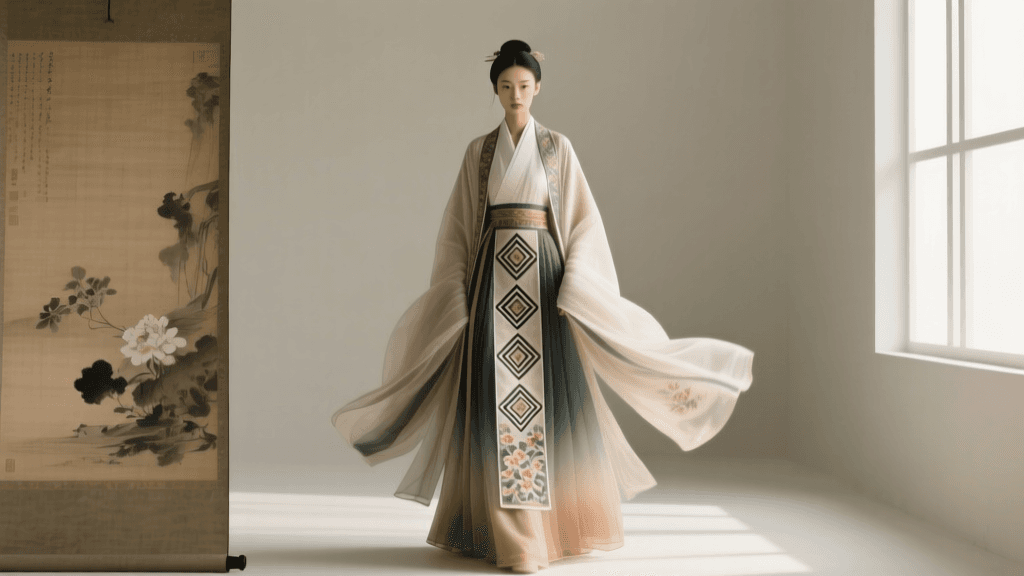
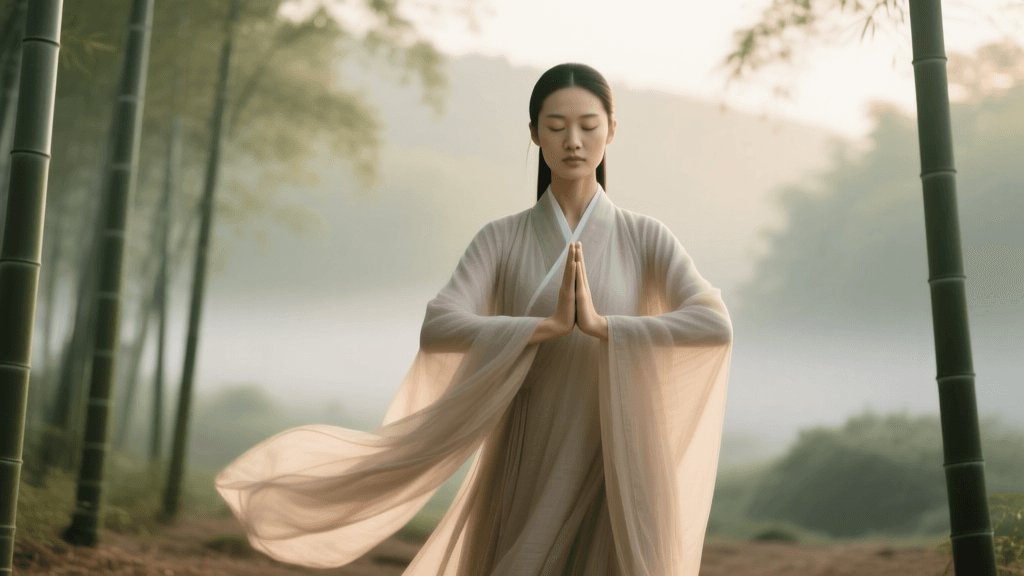
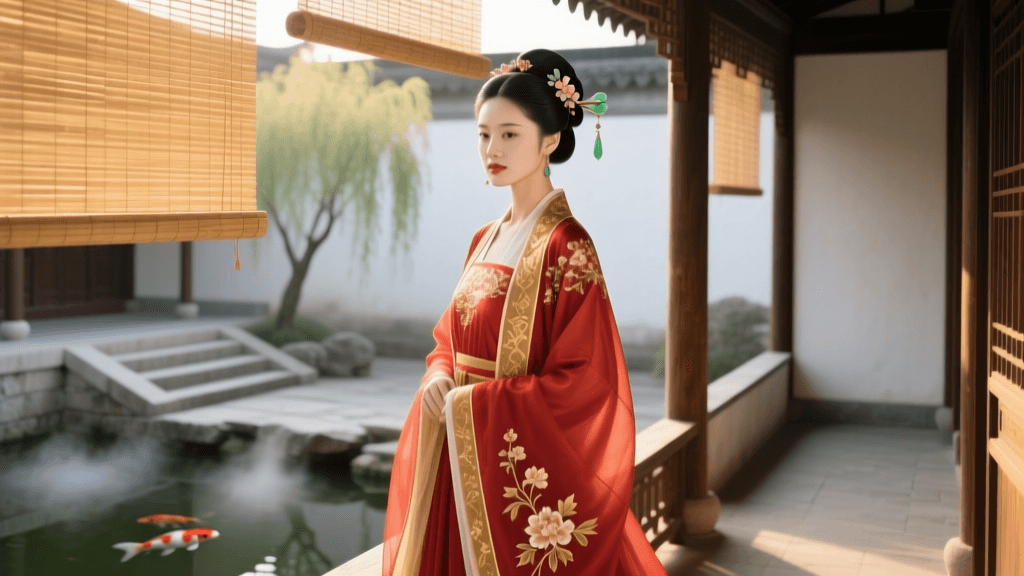
Top Breathable Hanfu Styles for Tai Chi & Qigong in 2026
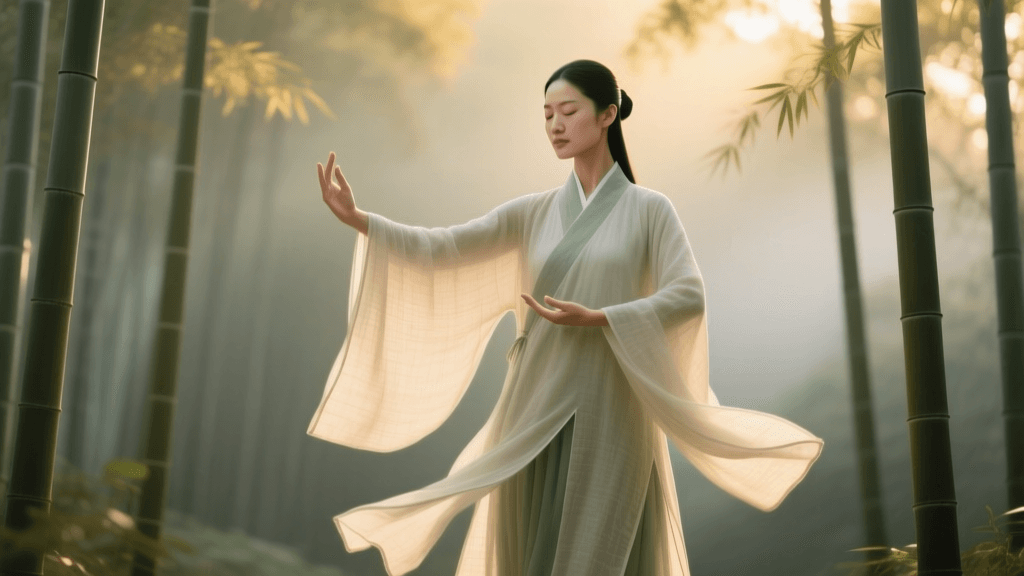
The 2026 Wellness Renaissance: Hanfu Meets Internal Martial Arts
In 2026, the global wellness movement has fully embraced traditional Chinese somatic practices. Tai Chi and Qigong are no longer viewed merely as gentle exercises for seniors; they are now foundational pillars of modern biohacking, nervous system regulation, and mindful movement routines. As practitioners deepen their engagement with these internal martial arts, many are seeking to align their external environment and attire with their internal practice. This has led to a massive surge in the demand for authentic, movement-friendly Hanfu (traditional Chinese clothing) specifically tailored for wellness and martial arts.
According to Harvard Medical School, Tai Chi is often described as 'meditation in motion,' offering profound benefits for balance, flexibility, and cardiovascular health. However, to fully experience the unhindered flow of Qi (vital energy) and physical mobility, practitioners must wear garments that accommodate deep stances, spiral energy (Chan Si Jin), and expansive arm movements. Standard fashion Hanfu, often made from stiff brocades or restrictive polyester blends, simply cannot support the biomechanics of internal martial arts. Here is your comprehensive guide to selecting the best Hanfu silhouettes, fabrics, and footwear for your Tai Chi and Qigong practice in 2026.
The Biomechanics of Qigong: Why Standard Hanfu Fails
Before exploring specific garments, it is crucial to understand why everyday traditional clothing is unsuitable for the training hall. The foundational stances of Tai Chi, such as Ma Bu (horse stance) and Gong Bu (bow stance), require significant hip mobility and leg extension. Fashion-forward skirts like the Mamianqun (horse-face skirt) or heavily layered Aoqun sets can restrict the inner thigh and cause tripping hazards during dynamic transitions.
Furthermore, the upper body requires freedom across the scapula and chest to facilitate deep diaphragmatic breathing. Tight armholes or rigid collars compress the lymphatic pathways and restrict the expansion of the ribcage, directly counteracting the oxygenation goals of Qigong. Therefore, the ideal wellness Hanfu must feature generous cuts, strategic side slits, and natural, breathable fibers that wick moisture while maintaining a graceful drape.
Top 3 Hanfu Silhouettes for Internal Arts
1. The Daopao (Taoist Robe): The Ultimate Qigong Garment
The Daopao is historically associated with Taoist scholars and monks, making it the most philosophically and practically aligned garment for Qigong. Characterized by its cross-collar (Jiaoling Youren), wide sleeves, and deep side slits that reach up to the waist, the Daopao allows for completely unrestricted leg movement. In 2026, modern wellness brands have refined the traditional Daopao by adding hidden inner ties to secure the collar during bending movements and utilizing ergonomic gussets under the arms to prevent fabric pulling during wide-arm stretches like 'White Crane Spreads Its Wings.'
2. The Yisan (Yesa Robe): For Dynamic Tai Chi and Weapon Forms
For practitioners engaging in more vigorous styles like Chen-style Tai Chi or weapon forms (such as the Tai Chi straight sword or broadsword), the Yisan is the superior choice. Historically a martial garment worn during the Ming Dynasty, the Yisan features a fitted upper bodice with a heavily pleated lower skirt attached at the waist. As noted by The Metropolitan Museum of Art, historical Chinese martial garments were designed to balance upper-body protection with lower-body mobility. The pleats of the Yisan flare out beautifully during kicks and deep lunges, yet the tailored waist ensures the fabric does not tangle in your hands or weapon. The 2026 iterations of the Yisan often feature moisture-wicking linen-cotton blends, making them ideal for high-output morning practices.
3. Xin Zhongshi Activewear Hybrids: The Modern Compromise
The Xin Zhongshi (new Chinese style) movement has evolved significantly by 2026, moving beyond streetwear into specialized wellness apparel. Designers are now creating hybrid tunics that retain the aesthetic of the traditional cross-collar and frog buttons (Pankou) but incorporate 4-way stretch natural fibers, raglan sleeves, and tapered jogger-style trousers. These sets are perfect for practitioners who commute directly from the park to the office, offering the aesthetic dignity of Hanfu with the practical utility of modern athleisure.
2026 Fabric Guide: Breathability, Drape, and Qi Flow
The material of your Hanfu is just as important as the cut. In traditional Chinese medicine, the skin is considered the 'third lung,' and it must be able to breathe to regulate body temperature and expel toxins during practice. Synthetic fabrics trap heat and dampness, which can lead to the invasion of 'wind-damp' pathogens into the joints after a sweaty session. Below is a comparison of the top fabrics recommended for wellness Hanfu in 2026.
| Fabric Type | Breathability | Drape & Weight | Best Practice Style | Avg. 2026 Price (USD) |
|---|---|---|---|---|
| Pure Ramie | Exceptional | Crisp, Lightweight | Static Qigong, Hot Weather | $85 - $140 |
| Washed Linen | High | Soft, Medium Weight | Yang Style Tai Chi | $110 - $180 |
| Tencel-Linen Blend | Very High | Fluid, Heavy Drape | Chen Style, Sword Forms | $150 - $220 |
| Silk-Cotton Voile | Moderate | Ethereal, Very Light | Indoor Meditation, Yin Yoga | $130 - $200 |
Ramie is a standout choice for summer Qigong. Known as 'China grass,' ramie is naturally antibacterial and highly absorbent, making it perfect for practitioners who sweat heavily during standing meditation (Zhan Zhuang). Tencel-Linen blends have dominated the 2026 market due to their luxurious drape; the weight of the Tencel helps the garment follow the spiral movements of Chen-style Tai Chi, providing visual feedback on your energy flow.
Footwear: Grounding Your Practice and Protecting the Yongquan
A critical, often overlooked aspect of Tai Chi and Qigong is the connection between the feet and the earth. The Yongquan (Kidney 1) acupoint, located on the sole of the foot, is considered the root of your grounding and the entry point for earth Yin energy. Wearing thick, heavily cushioned modern running shoes blocks this sensory feedback and destabilizes the ankle during slow, single-leg weight transfers.
For 2026, the gold standard in wellness footwear is the modernized Yunxie (cloud shoe) or traditional cotton-soled martial arts slipper. Contemporary wellness brands have updated these classic shoes by integrating thin, flexible hemp-rubber hybrid soles. These provide the necessary barefoot-like ground feel for balance while offering enough traction to prevent slipping on dewy morning grass or polished studio floors. Always pair these with natural cotton or bamboo socks to allow the feet to breathe and prevent fungal issues.
Seasonal Layering and Protecting the Wei Qi
Traditional Chinese wellness practices emphasize the protection of Wei Qi (defensive energy), which circulates near the surface of the body and protects against external pathogens. During early morning outdoor Qigong, the air is often damp and cool. Exposing the lower back (Mingmen or Gate of Life) or the knees to cold wind is strictly contraindicated in internal arts.
To address this, 2026 Hanfu wellness lines offer specialized layering pieces. Look for ultra-fine merino wool undershirts with traditional cross-collar necklines that remain invisible beneath your outer Daopao. Additionally, traditional knee wraps or modern bamboo-fleece knee sleeves are essential for practitioners over the age of 35, ensuring the synovial fluid in the joints remains warm and viscous during deep stances.
Garment Care: Maintaining Your Wellness Wardrobe
Natural fibers like linen and ramie require specific care to maintain their structural integrity and softness. After a rigorous Tai Chi session, do not leave your damp Hanfu in a gym bag, as natural fibers can develop mildew quickly. Rinse or hand-wash your garments in cool water using a pH-neutral, enzyme-free detergent. Avoid wringing the fabric; instead, press the water out and lay the garment flat in the shade. Direct sunlight will rapidly degrade natural plant dyes and cause linen fibers to become brittle. With proper care, a high-quality linen Daopao will soften with every wash, molding to your body and becoming a cherished companion in your lifelong wellness journey.
Conclusion
As the Mayo Clinic highlights, the stress-reducing and anxiety-managing benefits of Tai Chi are maximized when the practitioner feels comfortable, centered, and free from physical distractions. By thoughtfully selecting Hanfu silhouettes like the Daopao or Yisan, prioritizing breathable natural fabrics, and respecting the biomechanics of internal martial arts, you elevate your practice from a mere physical routine to a holistic embodiment of Asian cultural traditions. In 2026, dressing for your Qigong practice is not just about aesthetics; it is an intentional act of preparing your vessel for the profound flow of Qi.