Ryukyuan Bingata and Ainu Attus: Indigenous Textiles Guide
Introduction to Japan's Indigenous Textile Heritage
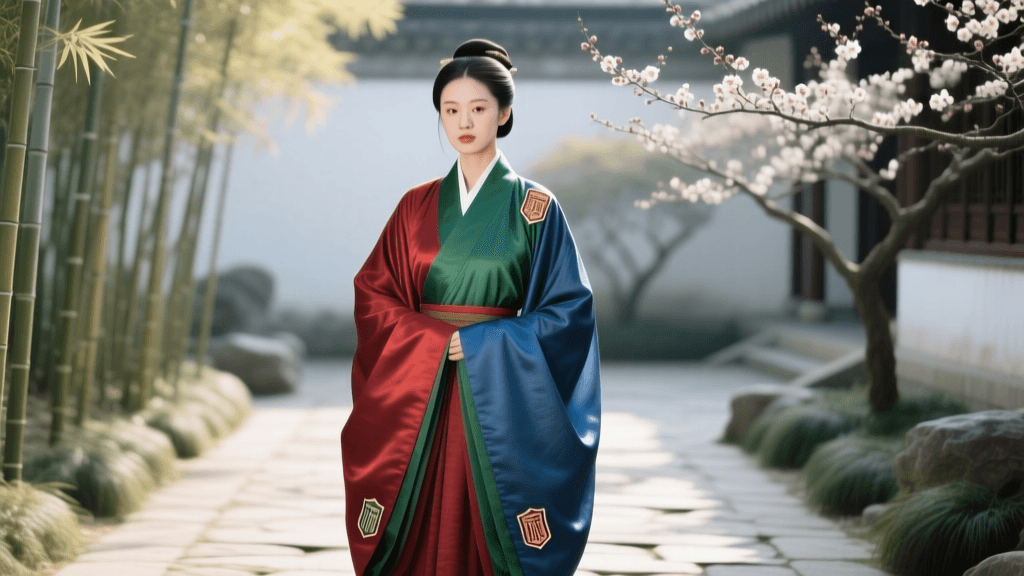
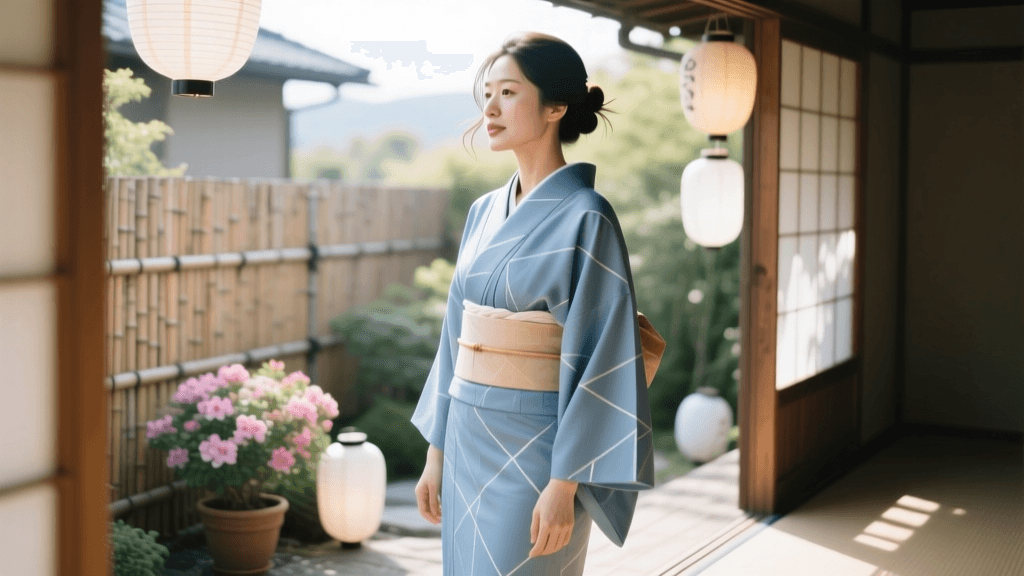
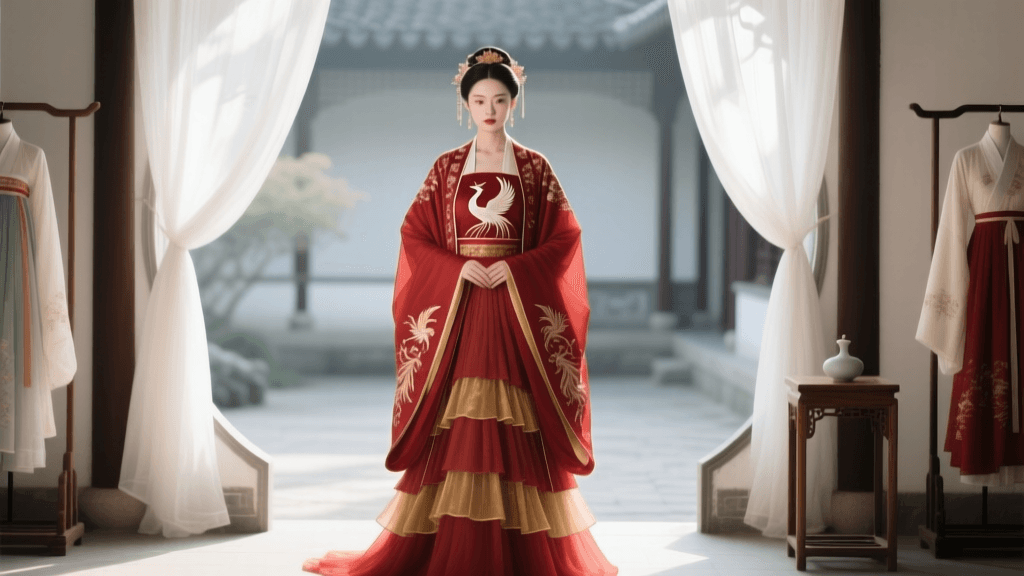
When the world thinks of Japanese traditional clothing, the mainstream Yamato kimono immediately comes to mind. However, the Japanese archipelago is home to diverse indigenous and ethnic minority groups whose textile traditions are equally profound, yet distinctly different in material, technique, and spiritual significance. The Ainu people of the northern island of Hokkaido and the Ryukyuan people of the southern Okinawa archipelago have cultivated unique garment ecosystems shaped by their respective climates, spiritualities, and historical trade networks.
For collectors, cultural enthusiasts, and sustainable fashion advocates, understanding the nuances of Ainu attus and Ryukyuan bingata offers a gateway into Japan’s diverse heritage. This guide provides an in-depth look at the craftsmanship, cultural context, and practical advice for sourcing and caring for these extraordinary minority textiles.
Ryukyuan Bingata: The Resist-Dyed Art of Okinawa
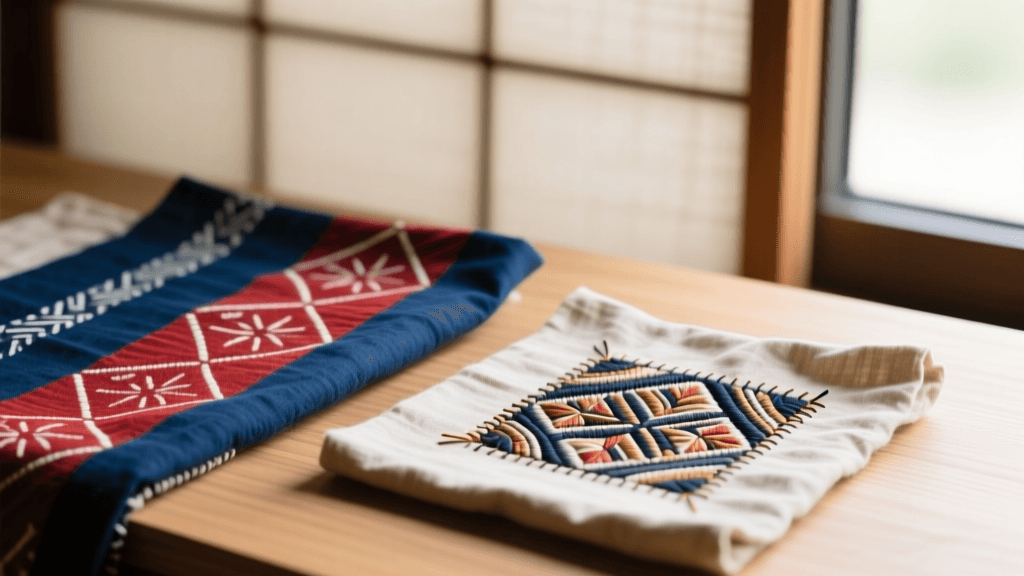
The Ryukyu Kingdom (modern-day Okinawa) was a thriving maritime hub that traded extensively with China, Japan, Korea, and Southeast Asia from the 15th to the 19th centuries. This vibrant trade network introduced foreign textiles, dyes, and techniques, culminating in the creation of bingata, a stunning resist-dyeing technique characterized by bold, vibrant colors and intricate motifs depicting local flora, fauna, and auspicious Chinese symbols.
According to the Kogei Japan database, traditional bingata relies on hand-carved mulberry paper stencils (katagami). Artisans apply a rice-based resist paste through the stencil onto silk or cotton. Once dry, vibrant pigments—historically derived from minerals and plants like indigo, orpiment, and vermilion—are brushed into the exposed areas. The result is a textile with a slightly textured, painterly quality that captures the tropical essence of the southern islands.
Practical Guide: Buying and Pricing Bingata
Acquiring authentic bingata requires an understanding of the market, which is divided into vintage antiques and contemporary artisan works. When shopping in Naha, particularly around the Shuriton and Tsuboya districts, look for the following:
- Jinban (Summer Under-Robe): A lightweight, unlined cotton or hemp garment featuring subtle bingata patterns on the lower half. Measurements: Typically 130cm in length with a 60cm sleeve span. Cost: $300 to $800 for modern pieces; $1,000+ for Taisho-era (1912-1926) vintage.
- Bingata Obi (Sash): The most accessible entry point for collectors. Measurements: Standard maru-obi width is roughly 30cm with a length of 400cm to 420cm. Cost: $400 to $1,500 depending on the complexity of the stencil and the use of gold leaf (kinpaku) accents.
- Kimono / Ryusou: Full formal garments. Cost: $1,500 to $5,000+ for authentic, hand-dyed artisan pieces. Beware of mass-printed tourist souvenirs, which lack the resist paste texture on the reverse side.
Care Instructions: Bingata pigments are sensitive to UV light and harsh chemicals. Always store garments in a dark, climate-controlled environment (ideally 50% humidity). Dry clean only, and explicitly instruct the cleaner to use solvents safe for natural mineral dyes.
Ainu Attus: Elm Bark Weaving of the North
In stark contrast to the tropical vibrancy of Okinawa, the Ainu people of Hokkaido, Sakhalin, and the Kuril Islands developed textiles suited to a harsh, sub-arctic climate. The cornerstone of Ainu weaving is attus, a durable, water-resistant fabric woven from the inner bark of the Manchurian elm or Japanese elm (ohyo).
The National Ainu Museum and Park (Upopoy) highlights that attus is not merely a material, but a product of deep spiritual reciprocity with nature. Harvesting the bark occurs in early summer when the sap flows freely, ensuring the tree's survival. The inner bark is peeled, soaked in water, split into fine threads by hand, and woven on a traditional backstrap loom (emush). The resulting fabric is incredibly tough, naturally water-repellent, and softens beautifully with wear.
Practical Guide: Sourcing and Caring for Attus
The town of Biratori (specifically the Nibutani district) in Hokkaido is the undisputed heart of Ainu crafts. When sourcing authentic attus, consider these traditional items:
- Chimafuri (Ceremonial Sash): A thick, woven belt worn by Ainu men during rituals. Measurements: Approximately 10cm wide and 150cm long, often featuring integrated geometric patterns. Cost: $150 to $400.
- Matanpushi (Headband): A narrower woven band used to secure hair or as a decorative element. Measurements: 5cm wide, 60cm long. Cost: $50 to $120.
- Attush (Work Garment): A full-length tunic made entirely of elm bark. Cost: $800 to $2,500. These are rare and usually commissioned directly from weavers in Nibutani.
Care Instructions: Unlike silk, attus can be hand-washed. Use cold water and a neutral pH detergent. Gently press out water without wringing, reshape the garment, and dry flat away from direct heat sources to prevent the natural fibers from becoming brittle.
Comparative Analysis: Bingata vs. Attus
To understand the distinct roles these textiles play, collectors must recognize their functional and cultural divergences. The table below outlines the primary differences between Ryukyuan bingata and Ainu attus.
| Feature | Ryukyuan Bingata | Ainu Attus |
|---|---|---|
| Primary Fiber | Silk, Cotton, Hemp, Banana Fiber (Bashofu) | Manchurian Elm Inner Bark (Ohyo) |
| Climate Adaptation | Breathable, lightweight for subtropical humidity | Insulating, water-resistant for sub-arctic winters |
| Primary Technique | Stencil resist-dyeing with mineral/plant pigments | Backstrap loom weaving of hand-split bark threads |
| Visual Aesthetic | Vibrant, painterly, asymmetrical nature motifs | Earthy, textured, geometric Ainu patterns (Moreu) |
| Spiritual Role | Denoted social class in the Ryukyu Kingdom | Protected the wearer from malevolent spirits (Kamuy) |
| Average Entry Cost | $400 - $800 (Obi / Jinban) | $50 - $150 (Matanpushi / Small accessories) |
Actionable Advice for Collectors and Travelers
Building a collection of Japanese minority textiles requires strategic timing and a keen eye for authenticity. Here is an actionable roadmap for your next acquisition trip:
1. Timing Your Visit
For Ryukyuan textiles, plan your trip to Okinawa in early March. This avoids the heavy rains of the Tsuyu (rainy season) and coincides with local spring festivals where artisans often open their studios in Naha and Yomitan for public demonstrations. For Ainu textiles, visit Hokkaido in late September. The autumn harvest season is when the Upopoy cultural center hosts extensive weaving workshops, and the cool weather is ideal for exploring the outdoor craft markets in Biratori.
2. Verifying Authenticity
When examining bingata, turn the fabric over. Authentic resist-dyeing will show the colors slightly bleeding through to the reverse side, and the edges of the motifs will have a soft, hand-brushed blur rather than a sharp, digitally printed line. Furthermore, look for the katagami repeat marks—tiny, intentional gaps or overlaps where the stencil was repositioned.
When inspecting attus, run your fingers over the weave. Genuine elm bark thread has natural slubs (thick and thin irregularities) and a distinct woody, earthy scent. Machine-made imitations often use dyed cotton or synthetic blends that lack the structural rigidity and natural luster of processed elm bark.
3. Ethical Sourcing and Documentation
Always purchase directly from recognized cooperatives or certified artisans. In Okinawa, look for the seal of the Okinawa Bingata Jigyo Kyodo Kumiai (Okinawa Bingata Business Cooperative). In Hokkaido, purchasing from the Nibutani Cooperative ensures that your money directly supports the Ainu community's efforts to preserve their endangered language and customs. Request a certificate of authenticity (shomeisho) that details the artisan's name, the materials used, and the date of completion. Collections at institutions like the Tokyo National Museum highlight the immense historical value of well-documented ethnographic garments, making provenance a critical factor for serious collectors.
Conclusion
The textiles of the Ainu and Ryukyuan peoples are far more than mere clothing; they are wearable archives of indigenous resilience, environmental adaptation, and artistic brilliance. Whether you are drawn to the sun-drenched, stencil-dyed motifs of a Ryukyuan obi or the rugged, spiritually woven bark of an Ainu sash, investing in these garments helps sustain the livelihoods of minority artisans. By understanding the techniques, costs, and care required for these textiles, collectors and travelers can ethically engage with and preserve the rich, multifaceted tapestry of Japan's indigenous heritage.