Romanian Ie Blouse Revival: 2026 Contemporary Styling Guide
The Renaissance of the Romanian Ie in 2026
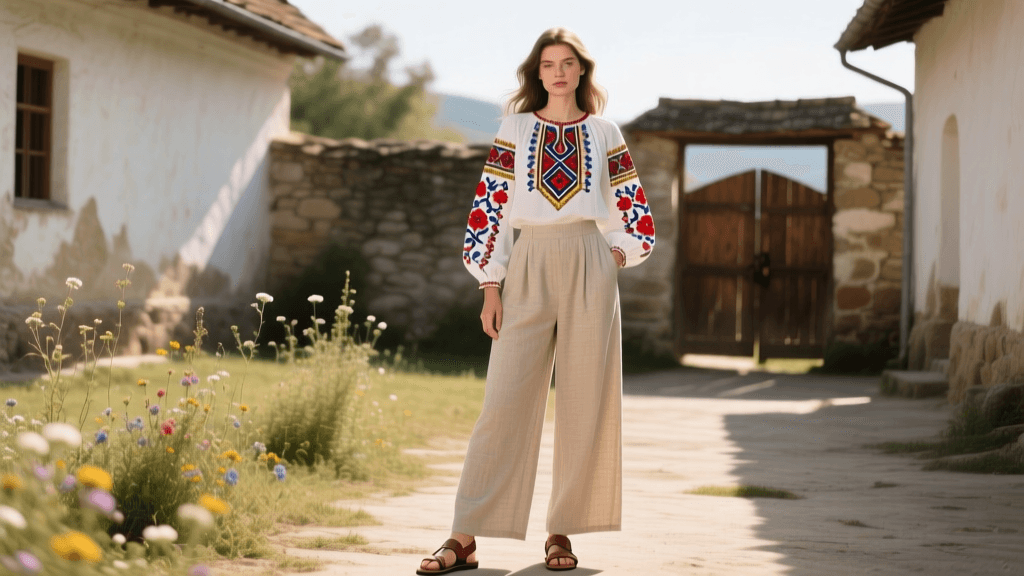
In the landscape of 2026 fashion, the pivot toward circularity, slow fashion, and heritage textiles has elevated traditional European folk dress from archival curiosities to cornerstone wardrobe investments. At the forefront of this Eastern European revival is the Romanian Ie (pronounced 'ee-eh'), a meticulously hand-embroidered blouse that has transcended its rural origins to become a global symbol of artisanal craftsmanship. Unlike the mass-produced 'peasant blouse' imitations of past decades, the authentic Ie is defined by its complex geometric motifs, natural fiber base, and the iconic altiță (a dense, rectangular block of embroidery on the shoulder).
The cultural significance of this garment is globally recognized. The art of the traditional blouse with shoulder embroidery was officially inscribed on the UNESCO Intangible Cultural Heritage list, cementing its status as a protected and celebrated textile tradition. Today, contemporary stylists and sustainable fashion advocates are integrating these heritage pieces into modern capsule wardrobes, proving that centuries-old Balkan and Slavic textile traditions can seamlessly anchor a 2026 aesthetic.
Decoding the Motifs: Regional Variations and Meanings
Before styling the Ie, it is essential to understand the visual language woven into its fabric. The embroidery is not merely decorative; it is a codified system of symbols representing nature, spirituality, and regional identity. When sourcing a blouse in 2026, you will typically encounter three primary regional styles:
- Muscel and Argeș: Characterized by intricate, dense floral and vegetal motifs, often utilizing metallic threads (gold and silver) alongside deep red and black cotton or silk floss. These blouses are heavier and possess a formal, regal drape.
- Olt and Romanați: Famous for the coarnele berbecului (ram's horns) motif, symbolizing strength and prosperity. The color palette is predominantly striking black and deep red on crisp white linen, creating high-contrast, graphic patterns that pair exceptionally well with modern monochrome tailoring.
- Vrancea and Putna: Known for bold, large-scale geometric patterns, particularly the romburi (diamonds) and stylized sunbursts. These designs often incorporate indigo and woad blues, making them highly compatible with contemporary denim and casual streetwear.
Sourcing Authentic Ie Blouses in 2026
As demand for authentic folk dress has surged, the market has bifurcated into genuine artisan cooperatives and commercialized reproductions. For the conscious consumer in 2026, supporting the former ensures the survival of rural crafting communities. Authentic blouses are spun from hemp, linen, or cotton, and embroidered using natural dyes like madder root, walnut husks, and woad.
Below is a comparative guide to sourcing channels available this year, detailing current market rates and lead times for authentic pieces.
| Sourcing Channel | Estimated 2026 Cost (EUR) | Lead Time | Authenticity & Sustainability Guarantee |
|---|---|---|---|
| Direct Artisan Cooperatives (e.g., rural guilds in Muscel) | €350 - €850 | 3 to 6 months (Made-to-order) | Highest. Direct financial support to rural women; fully natural dyes and hand-spun fibers. |
| Verified Vintage & Antique Dealers | €200 - €600 | Immediate (In-stock) | High. Pieces from the 1920s-1970s. Requires careful inspection for fabric degradation or moth damage. |
| Neo-Folk Contemporary Brands | €150 - €300 | 2 to 4 weeks | Moderate. Often uses machine-assisted embroidery or simplified motifs, but utilizes sustainable organic linens. |
Contemporary Styling: Integrating the Ie into Modern Wardrobes
The key to styling the Ie in 2026 is juxtaposition. Because the blouse is inherently voluminous, heavily textured, and visually complex, it must be grounded with structured, minimalist, or avant-garde contemporary pieces. Here is how to adapt the Ie for three distinct modern scenarios.
1. The Office-Appropriate Heritage Look
Translating folk dress for the modern workplace requires balancing the blouse's romantic volume with sharp, architectural tailoring. Select an Ie from the Olt region, where the black-and-red geometric patterns offer a graphic, almost modernist appeal.
The Formula: Pair the blouse with high-waisted, wide-leg wool trousers in charcoal or deep navy. Tuck the blouse in to define the waist, allowing the altiță (shoulder embroidery) to sit cleanly over the collarbone. Layer with a structured, collarless blazer in a matte finish.
Footwear & Accessories: Opt for pointed-toe leather loafers or minimalist block-heel ankle boots. Avoid traditional folk jewelry; instead, choose a single, sculptural metallic cuff or modern geometric drop earrings to bridge the gap between heritage and contemporary corporate attire.
2. Weekend Streetwear and Urban Layering
For casual, off-duty styling, the Ie serves as an exceptional textural layering piece. A Vrancea-style blouse with its bold indigo geometric diamonds naturally complements the utilitarian and upcycled fashion trends dominating 2026 street style.
The Formula: Wear a mid-weight linen Ie slightly oversized, leaving it untucked over a base layer of fitted, ribbed organic cotton. Pair with raw-hem, wide-leg selvedge denim or tailored cargo trousers in muted olive or washed black.
Outerwear: The contrast between delicate hand-embroidery and rugged outerwear is a hallmark of modern folk styling. Throw on an oversized vegan leather trench coat or a cropped, distressed shearling jacket. Complete the look with chunky, lug-sole boots or retro-runner sneakers to firmly root the outfit in the present day.
3. Evening and Formal Adaptations
The Muscel Ie, with its metallic gold and silver threads interwoven with deep crimson silk, is inherently suited for evening wear. The challenge is preventing the look from veering into costume territory.
The Formula: Treat the blouse as a haute couture top. Pair it with a sleek, bias-cut silk slip skirt in a complementary solid tone (such as midnight blue or oxidized bronze). The fluid drape of the silk contrasts beautifully with the stiff, textured linen or hemp of the blouse.
Styling Details: Cinch the waist with a thin, modern chain-link belt rather than a traditional woven sash. Keep hair sleek and pulled back to ensure the intricate neckline and shoulder embroidery remain the undisputed focal point of the ensemble.
2026 Care and Preservation Guide for Heritage Textiles
Investing in an authentic, hand-embroidered Ie requires a commitment to proper textile conservation. The natural fibers and dyes used in traditional Balkan and Eastern European folk dress are highly susceptible to environmental damage, photodegradation, and improper washing. According to the conservation guidelines established by leading institutions like the Victoria and Albert Museum, historical and artisanal textiles demand specialized care to maintain their structural integrity and color vibrancy.
Washing and Cleaning Protocols
Never machine-wash or dry-clean an authentic Ie. The agitation of a machine will destroy the tension of the hand-stitched altiță, while the harsh chemicals in commercial dry cleaning will strip natural dyes and degrade protein-based threads like silk or wool.
- Hand Washing: Submerge the blouse in lukewarm water (strictly below 30°C) using a pH-neutral, conservation-grade textile detergent.
- Agitation: Do not rub, wring, or twist the fabric. Gently press the water through the fibers and allow it to soak for no more than 15 minutes.
- Rinsing and Drying: Rinse thoroughly in cool water. Roll the blouse in a clean, colorfast cotton towel to gently press out excess moisture. Lay it flat on a drying rack away from direct sunlight, which will rapidly fade natural madder and woad dyes.
Storage and Archival Preservation
How you store your folk dress when not in use is just as critical as how you wear it. Wire hangers or standard wooden hangers will distort the shoulder seams and stretch the delicate embroidery over time.
- Folding: Always store the Ie flat or gently folded. Use acid-free, unbuffered tissue paper to pad the folds, preventing sharp creases that can snap aged linen fibers.
- Environment: Store in a breathable cotton garment bag or an archival-quality textile box. Keep the storage environment climate-controlled, aiming for a relative humidity of 45-55% to prevent mold growth or fiber desiccation.
- Pest Prevention: Avoid chemical mothballs, which leave a toxic residue and odor. Instead, utilize natural cedar blocks or dried lavender sachets, ensuring they do not directly touch the embroidered threads to prevent oil transfer.
Conclusion: Wearing History in the Modern Era
The contemporary revival of the Romanian Ie is more than a fleeting fashion trend; it is a deliberate rejection of homogenized, disposable clothing in favor of garments that carry history, identity, and human touch. By understanding the regional motifs, sourcing ethically from artisan cooperatives, and styling these pieces with modern intentionality, you do more than elevate your 2026 wardrobe. You become an active participant in the preservation of European folk dress, ensuring that the art of the altiță continues to be worn, celebrated, and passed down for generations to come.