Drafting the Romanian Ie Blouse: Zero-Waste Patterns 2026
The Revival of Zero-Waste Rectilinear Patterning
In the landscape of 2026 sustainable fashion, the historical construction methods of European folk dress are experiencing a massive renaissance. Among the most celebrated of these garments is the Romanian ie (traditional blouse). Unlike modern commercial patterns that rely on curved armholes, princess seams, and complex slopers that generate significant textile waste, the traditional ie is a masterclass in zero-waste, rectilinear pattern drafting. Every single piece of the garment is derived from geometric rectangles, squares, and triangles, ensuring that the precious hand-woven linen is utilized with mathematical perfection.
For contemporary sewists, historical costumers, and sustainable fashion designers, understanding the construction patterns and techniques of the Romanian ie offers a blueprint for creating garments that are not only culturally rich but also inherently eco-friendly. By adapting these centuries-old techniques with 2026's digital drafting tools and sustainable textiles, we can preserve heritage craftsmanship while meeting modern ecological standards.
Core Philosophy: Preserving the Loom's Width
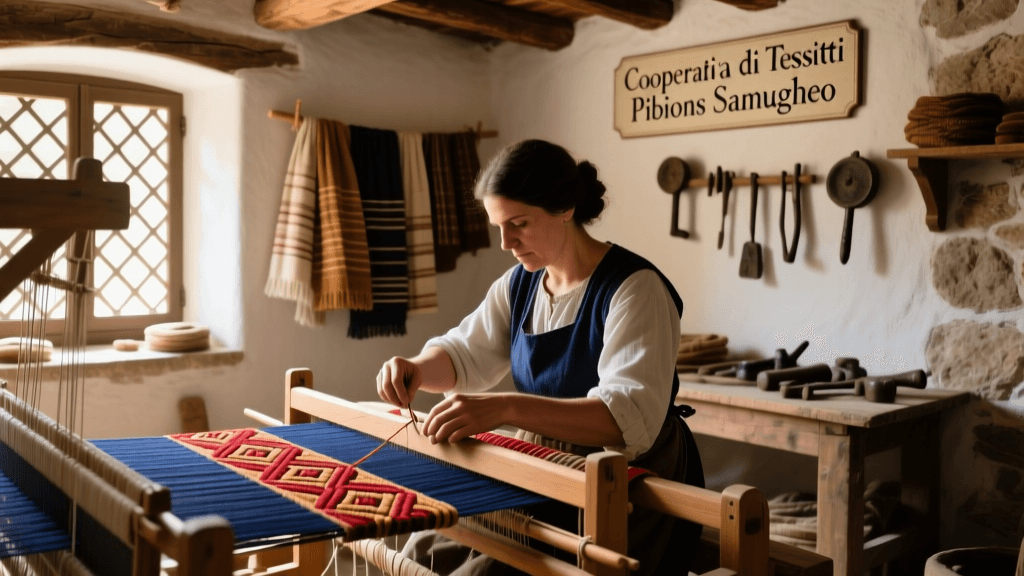
To understand the pattern drafting of the ie, one must first understand the limitations and advantages of the traditional loom. Historically, hand-woven linen and hemp were produced in narrow widths, typically ranging from 40 to 50 centimeters. Curved seams were not merely an aesthetic choice to be avoided; they were a practical impossibility that would result in unacceptable fabric waste and structural weakness along the bias.
Therefore, the pattern drafting of the ie relies entirely on the straight grain. The bodice, sleeves, and gussets are all cut parallel or perpendicular to the selvedge. This rectilinear approach means that the structural integrity of the garment is maintained by the warp and weft threads, while the shaping is achieved not through cutting, but through strategic gathering, smocking, and the insertion of geometric gussets. As of 2026, modern zero-waste designers are looking back to these exact principles, utilizing algorithms to nest rectangular pattern pieces, yet the traditional ie remains one of the most elegant, wearable examples of this geometry in existence.
2026 Material Sourcing and Preparation
Before drafting your pattern, selecting and preparing the correct textile is paramount. In 2026, the market for heritage-style, sustainably grown flax linen has expanded significantly. When sourcing fabric for an authentic ie, look for medium-weight, even-weave linens (typically 150 to 180 GSM) that allow for precise thread-counting, which is essential for the embroidery and smocking phases.
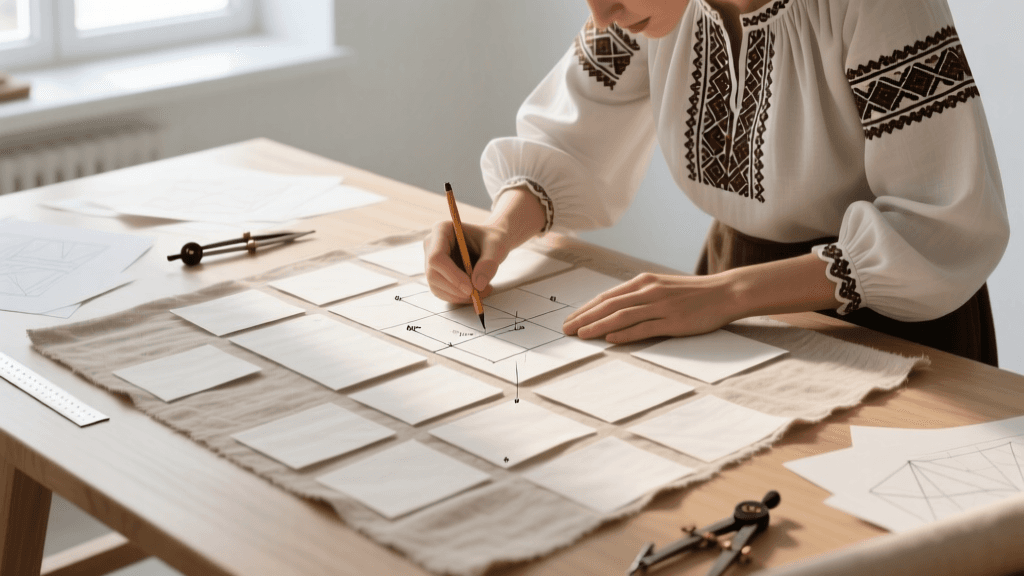
Preparation is a critical step in rectilinear drafting. Linen shrinks considerably. You must pre-wash and dry your fabric using the exact method you intend to use for the finished garment. Once washed, press the fabric using a steam iron, ensuring that the warp and weft threads are perfectly squared. In 2026, many advanced home sewists utilize portable digital sewing projectors to project the rectilinear cutting grids directly onto the pre-washed linen, completely eliminating the need for paper patterns and furthering the zero-waste ethos of the project.
Step-by-Step Drafting: The Bodice and Sleeves
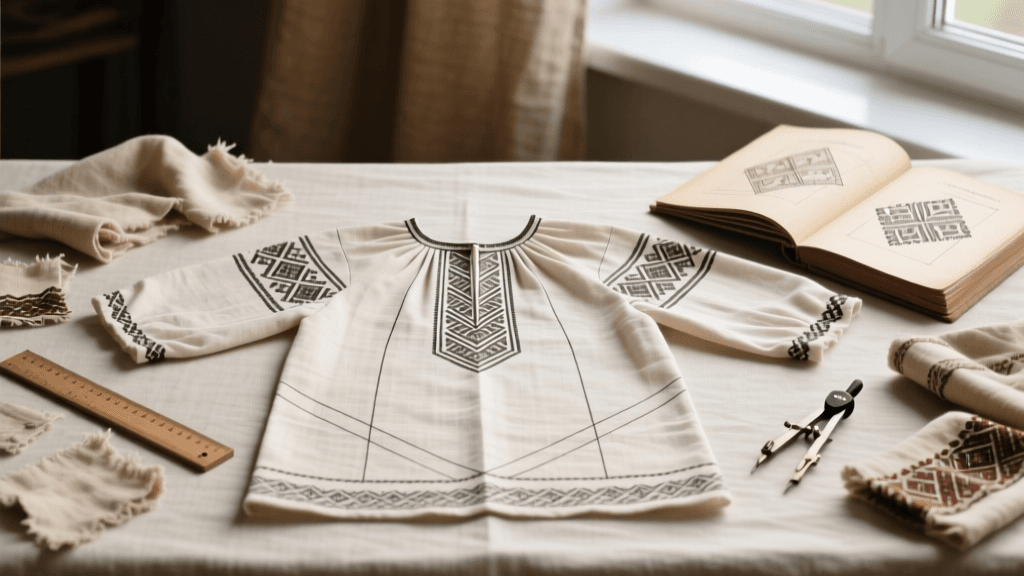
The basic architecture of the ie consists of two primary bodice rectangles (front and back) and two expansive sleeve rectangles. Because there are no shoulder seams in the most traditional iterations, the front and back are often cut as a single, continuous folded rectangle, or joined at the shoulders via a decorative faggoting stitch.
When drafting the bodice rectangles, the width is determined by the bust measurement plus substantial ease for gathering. The length is determined by the desired hemline, usually falling just below the hip or mid-thigh, as the ie is traditionally worn over a skirt or petticoat. The sleeves are drafted as massive rectangles that can be up to three times the width of the upper arm to allow for the dramatic, voluminous gathers that define the silhouette.
Standard Measurement Ratios for the Romanian Ie
The following table outlines the foundational ratios used in drafting a standard women's ie for a 2026 contemporary fit, balancing historical volume with modern wearability.
| Garment Component | Base Body Measurement | Fabric Rectangle Dimension | Ease / Gather Ratio |
|---|---|---|---|
| Front Bodice Panel | Half Bust (e.g., 48 cm) | Width: 65 cm x Length: 75 cm | 1.35x width ease |
| Back Bodice Panel | Half Bust (e.g., 48 cm) | Width: 65 cm x Length: 75 cm | 1.35x width ease |
| Sleeve Rectangle | Upper Arm (e.g., 30 cm) | Width: 90 cm x Length: 55 cm | 3.0x width ease |
| Underarm Gusset (Pavă) | N/A (Mobility requirement) | 12 cm x 12 cm Diamond | Provides 45-degree pivot |
| Neckline Collar (Băniță) | Full Neck (e.g., 38 cm) | Width: 45 cm x Height: 6 cm | 1.2x gather ratio |
The Mathematics of the Gusset (Pavă)
The most technically demanding aspect of drafting the ie is the integration of the underarm gusset, known in Romanian as the pavă. Because the bodice and sleeves are strict rectangles, joining them at a 90-degree angle would restrict arm movement entirely. The pavă solves this geometric puzzle.
The gusset is drafted as a perfect square (typically 10 to 15 centimeters per side, depending on the wearer's proportions), which is then cut on the bias to form a diamond. To insert the pavă, you must slash the side seam of the bodice and the underarm seam of the sleeve. The four points of the diamond are meticulously sewn into the four corners of the intersecting slashes. This technique transforms the rigid, boxy rectangles into a three-dimensional garment that allows the arm to lift comfortably while maintaining the zero-waste integrity of the straight-grain cutting. Precision in seam allowance—traditionally a scant 5mm finished seam—is vital here to prevent bulk and ensure the diamond lies flat against the underarm.
Neckline Gathering and the Băniță
Without curved armholes or shoulder shaping, the fit of the ie across the upper chest and neck is entirely controlled by the neckline drawstring and the băniță (the narrow, standing collar). The top edge of the front, back, and sleeve rectangles are gathered using a series of parallel running stitches.
In 2026, while elastic thread is widely available, purists and historical reconstructionists continue to use traditional linen or cotton drawstrings. The mathematical distribution of the gathers is crucial: the sleeve rectangles receive the highest density of gathers to create the signature puffed shoulder, while the front and back bodices are gathered more gently to lie flat against the collarbone. The băniță is then attached to encase these raw gathered edges, often featuring intricate geometric cross-stitch that mirrors the motifs found on the sleeves.
Mastering the Altiță: Shoulder Smocking Techniques
No discussion of the Romanian ie is complete without addressing the altiță—the dense, highly structured smocking and embroidery that adorns the shoulder and upper sleeve. Recognized globally for its cultural significance, the traditional techniques of making the Romanian blouse with altiță were officially inscribed on the UNESCO Intangible Cultural Heritage registry. This inscription has sparked a massive revival, with 2026 seeing record enrollment in digital and in-person workshops dedicated to preserving the exact thread-counting mathematics required for this technique.
The altiță is not merely decorative; it serves a structural purpose, reinforcing the heavily gathered shoulder area and weighing it down to prevent the voluminous sleeve from collapsing. To draft the grid for the altiță, the sewist must count the exact warp and weft threads of the linen. A common ratio is counting over four warp threads and down four weft threads to create a perfect geometric grid. Using a contrasting silk or high-mercerization cotton thread, the sewist executes a series of interlocking stem stitches and satin stitches that lock the underlying fabric gathers into a rigid, decorative lattice. This requires immense patience, as a single miscounted thread will distort the geometric symmetry of the motif.
Hemstitching and Faggoting Techniques
Because the ie avoids overlapping curved seams, the joining of the bodice panels and the insertion of decorative vertical strips (often called cheițe or 'little keys') relies on hemstitching and faggoting. In historical construction, the selvedges of the narrow loom-woven linen were often left intact and joined using a decorative lace-like stitch that allowed the undergarment to peek through.
For modern sewists using wider 140cm linens in 2026, you must simulate this technique by cutting your rectangles, hemming the raw edges with a microscopic rolled hem or a drawn-thread hemstitch, and then joining them using a faggoting stitch on your sewing machine or by hand. This not only honors the historical aesthetic but also adds a beautiful, breathable flexibility to the side seams, complementing the mobility provided by the underarm gusset.
Contemporary Adaptations for Modern Wardrobes
While historical accuracy is vital for museum conservation and cultural preservation, the 2026 sustainable fashion movement encourages the adaptation of these techniques for everyday wear. Designers exploring European folk dress construction are increasingly utilizing the rectilinear drafting method of the ie but scaling down the sleeve rectangles to a 1.5x gather ratio, making the blouse more practical for modern layering under jackets and coats.
Furthermore, the zero-waste philosophy inherent in this patterning aligns perfectly with contemporary ecological goals. As documented in various textile conservation and fashion history archives, such as the Victoria and Albert Museum's fashion archives, peasant and folk garments were designed for ultimate longevity, modularity, and material efficiency. By mastering the drafting of the Romanian ie, today's sewists and designers are not just recreating a beautiful piece of Eastern European heritage; they are actively participating in a vital, zero-waste paradigm shift that honors the loom, the maker, and the environment.