Styling The Romanian IE Blouse: 2026 Capsule Wardrobe Guide
The Renaissance of the Romanian IE in 2026
The year 2026 has solidified a major shift in how we approach heritage garments, moving them from museum archives and festival-only costumes into the realm of everyday, sustainable fashion. At the forefront of this European folk dress revival is the Romanian IE (pronounced 'ee-eh'), the traditional hand-embroidered peasant blouse that has captivated designers and slow-fashion enthusiasts alike. With the global push toward capsule wardrobes and artisanal craftsmanship, the IE blouse has emerged as a versatile, statement-making piece that bridges centuries of Carpathian tradition with contemporary urban styling.
Unlike the fast-fashion approximations that flooded the market in the late 2010s, the 2026 revival is deeply rooted in authenticity, ethical sourcing, and a profound respect for regional textile techniques. According to cultural preservation data from Europeana, the digital platform for European cultural heritage, there has been a massive surge in public interest and digital archiving of regional Eastern European textile patterns, fueling a new generation of artisans and conscious consumers.
Decoding the Anatomy of the Blouse
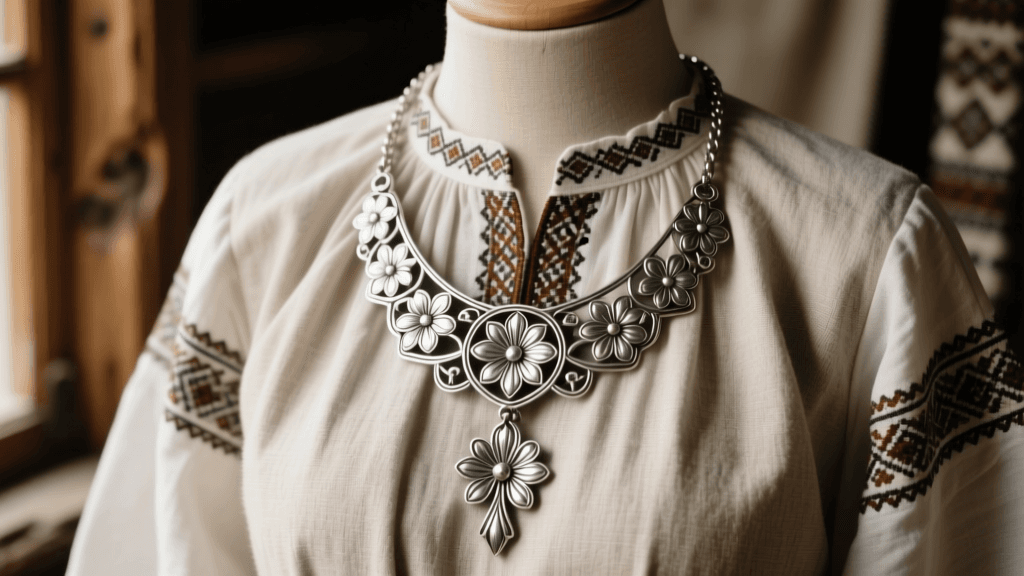
To style the IE blouse effectively, one must first understand its architectural brilliance. The traditional garment is not merely a top; it is a canvas of symbolic geometry and meticulous handwork. A genuine IE is constructed from several distinct components:
- Altiță: The defining feature of the IE. This is the rectangular, heavily embroidered panel located on the shoulder. Historically, the complexity and color of the altiță indicated the wearer's social status and region of origin.
- Increț: The intricate gathering of fabric at the neckline, often secured with a braided cord or a delicate lace trim, allowing the blouse to drape elegantly over the collarbone.
- Râuri: Meaning 'rivers,' these are the vertical or diagonal bands of embroidery that flow down the sleeves from the altiță, guiding the eye and adding structural weight to the lightweight linen or hemp fabric.
In 2026, contemporary adaptations often feature a slightly relaxed fit through the torso to accommodate modern layering, while purists continue to champion the exact historical cuts from regions like Vrancea, Olt, and Muscel.
2026 Market Guide: Authentic vs. Mass-Produced
As the demand for heritage clothing grows, navigating the market requires a discerning eye. Below is a comparison of the current landscape for purchasing an IE blouse in 2026, helping you invest in pieces that align with sustainable fashion principles.
| Category | Fabric & Materials | Embroidery Technique | 2026 Price Range (USD) | Longevity & Value |
|---|---|---|---|---|
| Artisan Handmade | 100% hand-woven linen or hemp, natural plant dyes, silk or wool thread. | 100% hand-embroidered by village cooperatives (takes 40-100+ hours). | $280 - $650+ | Heirloom quality; appreciates in value. |
| Boutique Reproduction | High-quality commercial linen or organic cotton, mercerized cotton thread. | Machine-embroidered with hand-finished gathers and traditional patterns. | $120 - $250 | Excellent for daily wear; durable and accessible. |
| Fast-Fashion Knockoff | Synthetic blends (polyester/viscose), non-breathable. | Mass-produced digital print or cheap chain-stitch embroidery. | $30 - $60 | Poor; degrades quickly, lacks cultural integrity. |
For those building a 2026 capsule wardrobe, the Boutique Reproduction offers the best balance of daily wearability and ethical production, while the Artisan Handmade piece serves as a cornerstone investment garment for special occasions and heritage preservation.
Contemporary Styling: 3 Capsule Wardrobe Formulas
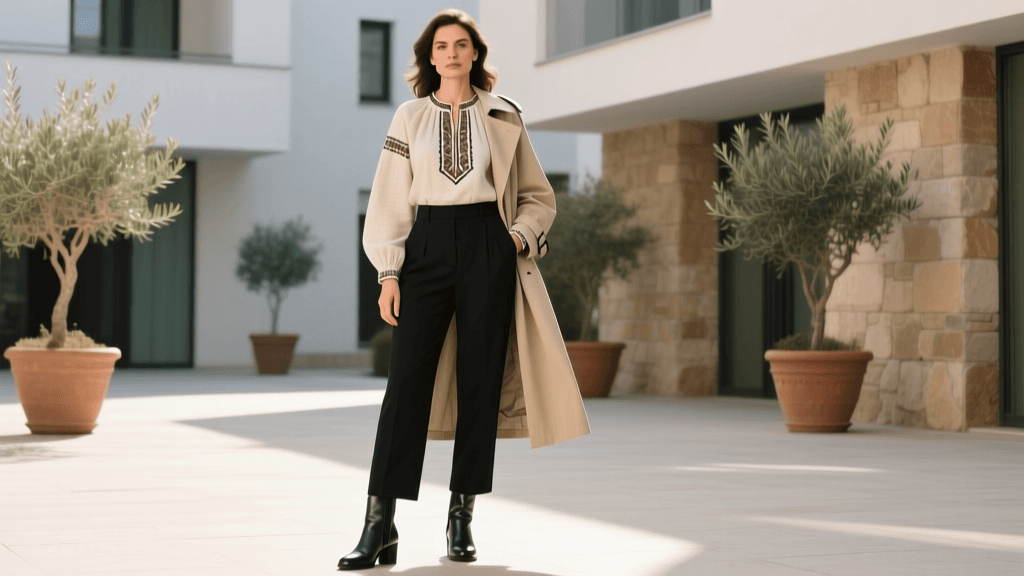
The beauty of the IE blouse lies in its juxtaposition. The voluminous, romantic sleeves and dense geometric embroidery pair exceptionally well with structured, minimalist, or utilitarian modern garments. Here are three actionable styling formulas for 2026.
1. The Urban Creative (Office & Gallery Hopping)
Balance the volume of the blouse with sharp, tailored silhouettes. Tuck a lightweight, white linen IE blouse into a pair of high-waisted, wide-leg charcoal wool trousers. The dark, structured wool grounds the ethereal quality of the embroidered sleeves. Add a minimalist leather belt and a pair of square-toed leather loafers. This look respects the intricate shoulder embroidery (altiță) by keeping the neckline clear of distracting jewelry.
2. The Weekend Artisan (Markets & Casual Outings)
Embrace a textural, rugged aesthetic by pairing a raw, unwashed selvedge denim jacket or vest over the IE blouse. The deep indigo of the denim beautifully complements the traditional red, black, and navy embroidery threads typical of the Muscel region. Wear this with straight-leg vintage denim and woven leather mules. A canvas or woven tote bag completes the look, aligning with the sustainable, slow-living ethos of the folk dress revival.
3. Evening Elegance (Dinners & Cultural Events)
Transform the peasant blouse into evening wear by pairing it with a bias-cut silk midi slip skirt in a muted, earthy tone like olive, terracotta, or deep plum. The fluidity of the silk contrasts with the crispness of the hand-woven linen blouse. Finish with strappy minimalist heels and subtle gold drop earrings. The key here is the 'French tuck'—tucking just the front of the blouse into the skirt to define the waist while allowing the back to drape loosely.
Sourcing and Ethical Purchasing
When sourcing an authentic IE blouse, it is vital to support the artisans keeping these techniques alive. The Romanian Cultural Institute frequently highlights and supports local artisan cooperatives and exhibitions that connect global buyers directly with creators in rural Romania. In 2026, platforms like Etsy have also introduced stricter 'handmade' verification badges, making it easier to identify genuine village artisans from regions like Vâlcea and Argeș. Look for sellers who provide the name of the embroiderer, the specific village of origin, and a breakdown of the natural dyes used.
Garment Care for Hand-Embroidered Linen
Heritage textiles require modern, mindful care to ensure they last for generations. According to guidelines on natural fiber preservation championed by the Textile Exchange, proper maintenance of organic and natural fibers significantly extends their lifecycle and reduces environmental impact.
- Washing: Never machine wash a hand-embroidered IE. Hand wash in cool water (under 30°C) using a pH-neutral, eco-friendly detergent. Avoid soaking for more than 15 minutes to prevent natural dyes from bleeding.
- Drying: Never wring or twist the fabric, as this can distort the intricate gathering (increț) at the neckline. Roll the blouse in a clean, dry towel to press out excess water, then lay it flat on a drying rack away from direct sunlight, which can fade the embroidery threads.
- Ironing: Iron the blouse while it is still slightly damp. Always iron on the reverse side over a plush towel to prevent crushing the three-dimensional texture of the embroidery stitches.
- Storage: Store folded in a breathable cotton garment bag with cedar blocks or dried lavender to deter moths. Avoid wire hangers, which will stretch the delicate shoulder seams and distort the altiță.
Conclusion
The Romanian IE blouse is far more than a fleeting trend; it is a testament to the enduring power of European folk dress. By integrating this masterpiece of textile heritage into our 2026 capsule wardrobes, we do more than elevate our personal style—we actively participate in the preservation of ancient craftsmanship. Whether paired with raw denim for a weekend market or silk for an evening out, the IE blouse proves that true style is timeless, deeply rooted, and sustainably conscious.