Authentic Sardinian Pibiones Textiles 2026: Heritage Brands Guide
The Enduring Legacy of Sardinian Pibiones Weaving
Sardinia’s rugged topography and historical isolation have birthed one of the most distinct and resilient folk dress traditions in Europe. Among the island's rich textile heritage, the pibiones weaving technique stands out as a masterclass in artisanal craftsmanship. Translating to 'seeds' or 'grains' in the Sardinian dialect, pibiones refers to the raised, textured nodules that characterize these intricate textiles. In 2026, as the global fashion industry pivots heavily toward slow fashion and verifiable sustainability, authentic Sardinian pibiones garments and textiles have seen a massive resurgence in demand among collectors, heritage enthusiasts, and advocates of traditional European folk dress.
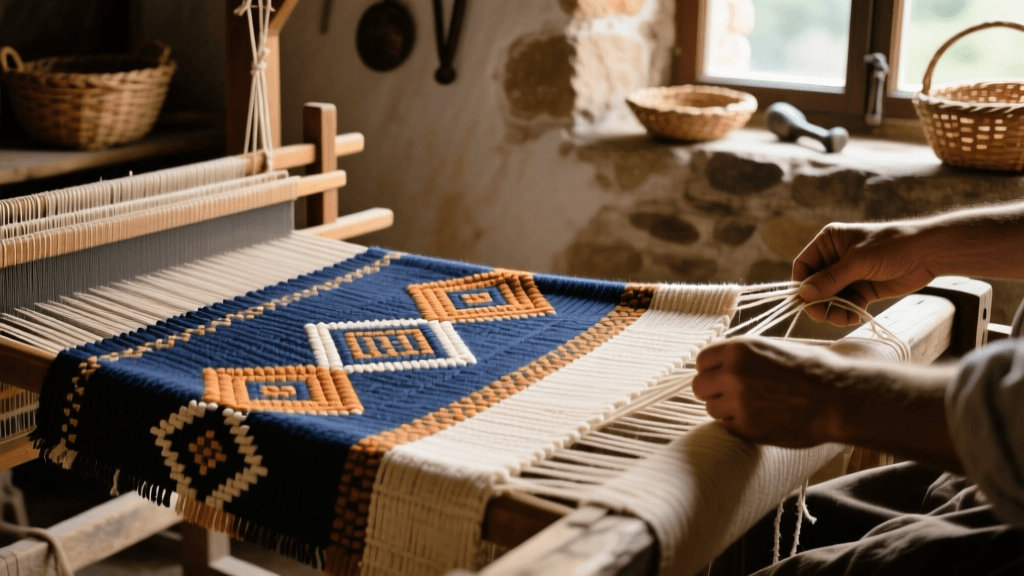
Historically, pibiones textiles were reserved for a bride’s trousseau, utilized in heavy bedspreads, ceremonial shawls (scialli), and the elaborately pleated skirts of traditional village costumes. The technique involves winding the weft thread around a smooth wooden or metal rod laid across the warp. When the rod is removed, it leaves behind a raised, three-dimensional 'grain' that forms complex geometric patterns. Today, heritage brands across the island are preserving this painstakingly slow process, ensuring that the soul of Italian regional dress survives the era of mass production.
The Mechanics of the Pibiones Technique
Creating a genuine pibiones textile is an exercise in profound patience. A master weaver at a traditional wooden loom may produce only a few centimeters of fabric per day. The raised grains are not merely decorative; they add structural integrity and insulation to the heavy wools and linens used in Sardinian folk garments. In 2026, the most prestigious heritage ateliers have returned to using naturally dyed yarns, reviving ancient recipes that utilize madder root for deep reds, walnut husks for rich browns, and wild chamomile for soft yellows.
'The pibiones is not just a pattern; it is a tactile language. Each grain represents a seed sown into the fabric of our ancestors, a promise that our culture will continue to grow.' — Master Weaver from the Barbagia Region
For buyers and collectors in 2026, understanding the mechanical difference between true hand-loomed pibiones and modern jacquard imitations is critical. True pibiones feature a distinct raised texture that you can feel and run your fingers over, with slight, organic irregularities that prove human intervention. Jacquard looms, conversely, simulate the visual pattern but leave the fabric entirely flat.
Top Heritage Brands Leading the 2026 Revival
If you are looking to invest in authentic Sardinian garments, shawls, or textile pieces, it is essential to support the cooperatives and heritage brands that maintain traditional wooden looms. Here are the premier ateliers defining the landscape in 2026:
1. Cooperativa Tessitori di Sarule
Located in the heart of the Barbagia region, this cooperative is renowned for its strict adherence to historical accuracy. The weavers of Sarule specialize in heavy, raw local wool and traditional natural dyes. Their pibiones shawls, often featuring the iconic 'eye' or 'diamond' motifs meant to ward off the evil eye, are considered some of the finest examples of living folk art in Italy. A standard ceremonial shawl from this cooperative in 2026 typically ranges from €450 to €850, reflecting the hundreds of hours of manual labor involved.
2. Tessitura di Muros
Situated near Sassari in the northwest, Tessitura di Muros bridges the gap between historical folk dress and contemporary heritage fashion. While they maintain the rigorous standards of traditional pibiones weaving, they frequently collaborate with modern Italian designers to create tailored jackets and skirts that incorporate traditional Sardinian textiles. Their workshop offers transparent pricing based on thread count and loom time, making them a favorite for serious collectors.
3. Artigianato di Seddilo
The village of Seddilo is famous for its heavy, rug-like textiles and robust folk garments designed to withstand the harsh mountain winters. The weavers here utilize a tighter, denser pibiones structure, often blending local sheep's wool with linen warp threads for added durability. Their pieces are highly sought after for interior textiles and heavy winter capes inspired by the traditional gabbanu (shepherd's coat).
Sourcing Authentic Garments: The 2026 Buyer’s Guide
The market for European folk dress has unfortunately attracted fast-fashion imitations. To ensure you are purchasing an authentic Sardinian heritage piece, you must look for specific markers of origin and quality. The most vital certification is the ISOLA mark (Istituto Sardo Organizzazione Lavoro Artigiano), which guarantees that the product was handcrafted in Sardinia using traditional methods.
According to the ISRE Museo del Costume in Nuoro, the preservation of these textiles is intrinsically linked to the survival of the island's ethnographic identity. The museum's archives serve as the benchmark for authentic patterns, and reputable brands often cite museum-verified motifs in their 2026 collections.
When sourcing online or in boutiques, always request a certificate of authenticity that details the weaver's name, the village of origin, the loom type, and the materials used. Furthermore, the Italian Ministry of Culture actively supports and catalogs these regional artisan cooperatives, providing a framework that protects consumers from counterfeit 'Italian-made' goods that are actually manufactured overseas.
Comparison Chart: Heritage vs. Mass-Produced Textiles
Use the following table to evaluate Sardinian textiles you encounter in the market this year:
| Feature | Heritage Hand-Loomed (Authentic) | Modern Mechanized (Imitation) |
|---|---|---|
| Loom Type | Traditional wooden floor loom | Computerized Jacquard power loom |
| Texture | Pronounced, raised 3D 'grains' (pibiones) | Flat surface with printed or woven visual simulation |
| Materials | 100% local Sardinian wool, natural dyes | Synthetic blends, acrylics, chemical dyes |
| Production Time | 2 to 6 weeks per garment/shawl | Minutes per yard of fabric |
| Price Range (2026) | €350 - €1,200+ | €40 - €120 |
| Certification | ISOLA mark, weaver signature | Generic 'Made in Italy' or no tag |
Caring for Your Sardinian Heritage Garments
Investing in a heritage pibiones garment requires a commitment to proper maintenance. The natural lanolin present in authentic Sardinian wool provides inherent water resistance and odor protection, but it also demands specific care protocols to preserve the fiber's integrity.
- Washing: Never machine wash or dry clean authentic pibiones wool. Dry cleaning strips the natural lanolin, leaving the wool brittle. If washing is absolutely necessary, submerge the garment in cool water with a pH-neutral, lanolin-enriched wool wash. Gently press the water through the fabric without wringing or twisting, which can distort the raised grains.
- Drying: Lay the garment flat on a clean, dry towel in a shaded, well-ventilated area. Direct sunlight will fade the natural botanical dyes rapidly. Reshape the garment while damp to maintain the structural drape of the folk silhouette.
- Storage: Store wool garments in breathable cotton bags. Avoid plastic, which traps moisture and encourages mildew. Always include natural cedar blocks or dried lavender sachets to deter moths, as chemical mothballs will permanently taint the wool with a harsh odor that is nearly impossible to remove from the dense pibiones weave.
- Resting the Fibers: If you are wearing a heavy Sardinian wool skirt or shawl, allow the garment to 'rest' for 24 hours between wears. This allows the natural elasticity of the wool to recover, preventing the heavy raised grains from flattening out over time.
The Future of Italian Folk Dress
As we navigate 2026, the appreciation for regional European folk dress has evolved from mere historical curiosity to a vital component of the sustainable fashion movement. The pibiones weavers of Sardinia are not merely preserving a museum relic; they are actively participating in a global dialogue about the value of human time, natural materials, and cultural continuity. By choosing to source from verified heritage brands and respecting the profound labor embedded in every raised grain, collectors and enthusiasts ensure that the looms of Sarule, Muros, and Seddilo will continue to clatter for generations to come.