Romanian Ie Blouse Styling Guide 2026: Modern Capsule Wardrobes
The Renaissance of the Romanian Ie in 2026
The traditional Romanian blouse, universally known as the Ie, has transcended its folkloric roots to become a cornerstone of the 2026 sustainable fashion movement. As global consumers pivot away from hyper-fast fashion and embrace the 'Quiet Heritage' trend, the demand for authentic, hand-embroidered European folk dress has reached an all-time high. In 2026, the Ie is no longer reserved solely for national holidays or museum exhibitions; it is being actively integrated into contemporary capsule wardrobes, serving as a bridge between ancestral craftsmanship and modern urban styling.
This year's styling paradigm shifts away from wearing folk garments as 'costumes.' Instead, contemporary stylists and heritage enthusiasts are treating the Ie as a luxury artisanal piece, akin to haute couture. By pairing these intricate blouses with tailored, minimalist, and sustainable basics, fashion-forward individuals are preserving intangible cultural heritage while making a profound statement about slow fashion and ethical consumption.
Understanding the Anatomy of the Authentic Ie
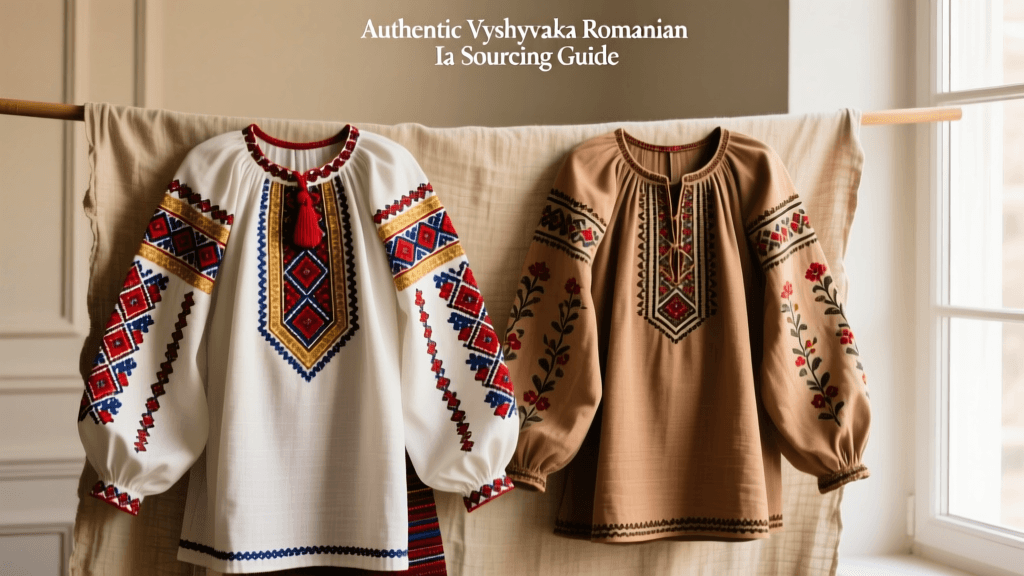
To style the Ie effectively, one must first understand its unique architectural structure. The authentic Romanian blouse is constructed from rectangular pieces of handwoven fabric—historically linen or hemp, though 2026 ethical makers frequently utilize GOTS-certified organic cotton and peace silk. The garment is defined by three primary embroidered zones:
- The Altita (Shoulder Panel): This is the most complex and heavily embroidered section of the blouse. Historically, the altita acted as a protective talisman and a geographic identifier, with specific geometric and floral motifs denoting the wearer's village and social standing.
- The Increitul (The Gather): Located just below the altita, this section features horizontal or diagonal stitching that gathers the fabric, providing structural integrity and a subtle volume to the sleeve.
- The Rauri (The Rivers): These are the vertical stripes of embroidery that flow down the sleeve and sometimes the bodice, symbolizing the flow of life, rivers, and the passage of time.
Regional Variations to Explore in 2026
When sourcing an Ie for your modern wardrobe, understanding regional variations allows you to choose a color palette that complements your personal style:
- Muscel and Arges: Famous for their opulent use of metallic gold and silver threads interwoven with deep burgundy and black silk. These make stunning evening-wear statement pieces.
- Olt and Valcea: Characterized by striking, high-contrast geometric patterns, predominantly using black, red, and deep blue on stark white linen. Ideal for sharp, graphic office styling.
- Neamt and Moldova: Known for delicate, nature-inspired floral motifs in softer, muted tones like forest green, ochre, and soft brown. Perfect for relaxed, earthy weekend capsules.
Sourcing Authentic and Ethical Ie Blouses in 2026
The 2026 market is flooded with mass-produced, machine-embroidered imitations. To truly support the revival of European folk dress, it is imperative to source directly from artisan cooperatives or verified heritage brands. Authentic, hand-stitched blouses require anywhere from 40 to 120 hours of labor. Consequently, the 2026 pricing for a genuine, artisan-crafted Ie ranges from €350 to €900, depending on the complexity of the altita and the rarity of the natural dyes used.
According to the UNESCO guidelines on intangible cultural heritage, the transmission of these crafting skills from generation to generation is vital for cultural continuity. By investing in authentic pieces, you are directly funding the livelihoods of rural artisans in Romania and ensuring these ancient stitching techniques survive into the late 21st century.
2026 Capsule Wardrobe Integration: Styling the Ie
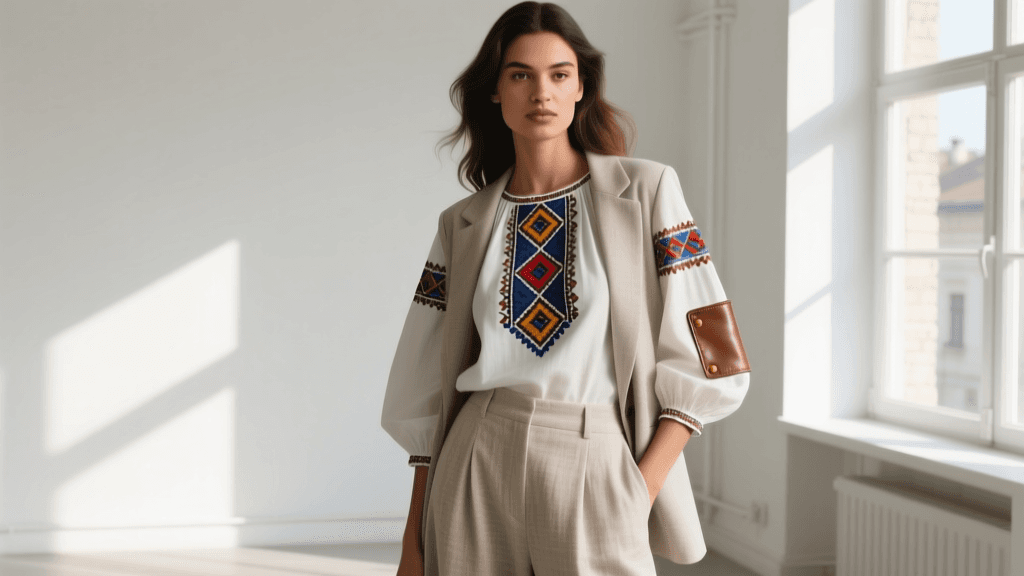
Integrating a highly decorative, voluminous garment into a modern wardrobe requires a careful balance of proportions. The golden rule for 2026 is contrast: pair the romantic volume and intricate textures of the Ie with structured, minimalist, and contemporary tailoring.
Look 1: The Urban Professional (Office-to-Evening)
For a sophisticated workwear ensemble, select an Ie from the Olt region featuring stark black-and-white geometric embroidery. Tuck the blouse into high-waisted, wide-leg wool trousers in charcoal or deep navy. The structured drape of the wool grounds the ethereal volume of the linen sleeves. Finish the look with a sleek, sustainable leather belt and pointed-toe loafers. For evening, swap the trousers for a tailored midi slip skirt and add minimalist gold hoop earrings to echo the metallic threads found in traditional altita work.
Look 2: Edgy Heritage (Contemporary Streetwear)
The juxtaposition of delicate folk embroidery with硬朗 (structured/hardware-heavy) elements is a defining trend of 2026 streetwear. Layer a cropped or semi-sheer Ie under a structured, oversized vegan-leather blazer or a modern corset top. Pair with raw, selvedge denim and chunky, handcrafted ankle boots. This look respects the historical craftsmanship of the blouse while firmly planting it in the context of modern, avant-garde urban fashion.
Look 3: The Weekend Artisan (Relaxed Elegance)
For weekend markets, gallery visits, or countryside retreats, lean into the 'cottagecore-evolved' aesthetic. Choose a softly dyed Ie from the Neamt region and wear it untucked over straight-leg, ecru-colored organic cotton jeans. Layer with a lightweight, unlined linen duster coat. Accessorize with a woven rattan bag and artisanal ceramic jewelry, echoing the earthy, natural origins of the garment's materials.
'The true revival of folk dress does not happen when we place it behind glass, but when we weave it into the fabric of our daily lives, allowing the garment to breathe, move, and evolve with the wearer.' — 2026 European Textile Heritage Symposium
Care and Maintenance for Heritage Textiles
An authentic Ie is an investment piece and a wearable artifact. Proper care is essential to preserve both the structural integrity of the handwoven base fabric and the vibrancy of the embroidery threads. When maintaining these investment pieces, we follow the strict conservation protocols outlined by the Victoria and Albert Museum's textile care guidelines, which emphasize gentle handling, pH-neutral cleaning agents, and protection from ultraviolet degradation.
For severe stains, structural tears, or the restoration of vintage antique pieces, it is highly recommended to consult specialists like those at the Metropolitan Museum of Art's Textile Conservation department or certified local textile conservators, rather than attempting DIY repairs that could cause irreversible damage to historical stitching.
Fabric & Embroidery Care Matrix
| Component | Material | Washing Protocol | Drying Method | Storage Requirements |
|---|---|---|---|---|
| Base Fabric | Handwoven Linen / Hemp | Hand wash cold (max 30°C) with pH-neutral detergent | Air dry flat, away from direct UV light | Fold with acid-free tissue paper to prevent hard creases |
| Embroidery Thread | Wool / Silk / Cotton | Avoid agitation; do not soak for extended periods | Reshape gently while damp; never wring | Store in breathable, unbleached cotton garment bags |
| Natural Dyes | Madder / Woad / Walnut | Wash separately; use color-catchers for first 3 washes | Do not use heated drying methods | Keep in a dark, climate-controlled space to prevent fading |
| Metallic Threads | Silver / Gold Alloy | Spot clean only; avoid submerging in water | Pat dry with a microfiber cloth | Wrap in anti-tarnish cloth; avoid plastic polybags |
Conclusion
The integration of the Romanian Ie into the 2026 capsule wardrobe represents a profound shift in how we consume and value clothing. By choosing to style and wear these masterpieces of European folk dress, we reject the disposable nature of modern fast fashion. Instead, we embrace a slower, more intentional way of dressing that honors the hands that wove the linen, the artisans who stitched the altita, and the rich cultural tapestry of Eastern Europe. Whether paired with tailored wool for the boardroom or raw denim for the weekend, the Ie remains a timeless testament to the enduring power of heritage craft.