Romanian IE Blouse Revival: Contemporary Styling Guide 2026
The Renaissance of the Romanian IE in 2026
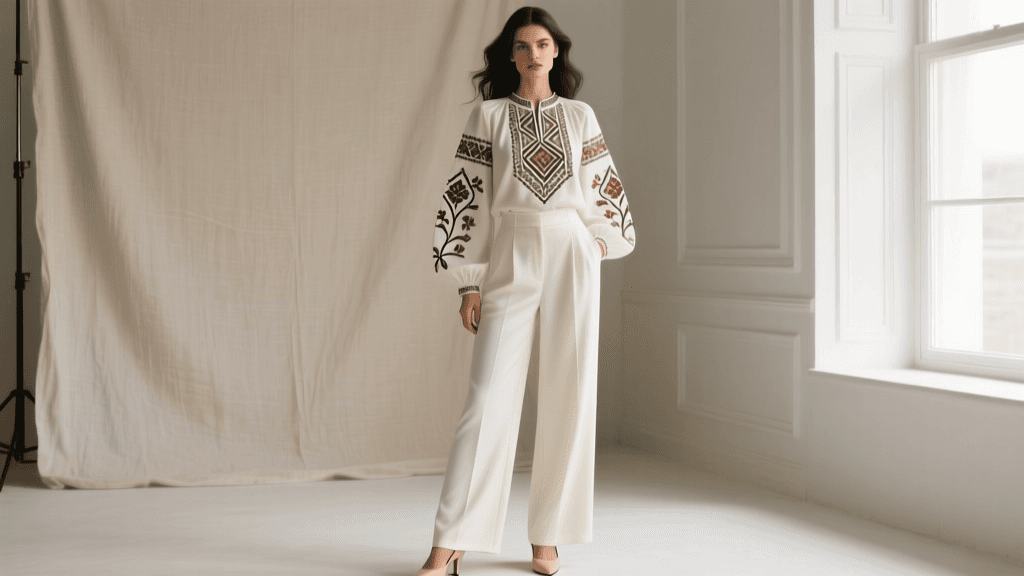
The Romanian ie (pronounced 'yeh') is far more than a historical artifact or a mere museum piece; it is a living, breathing testament to Eastern European textile mastery and cultural resilience. As we navigate the fashion landscape of 2026, the global slow fashion movement has fully embraced the ie, transforming it from a niche folk costume into a highly sought-after staple of contemporary, conscious wardrobes. The modern revival is not about wearing a costume; it is about integrating heritage craftsmanship into daily life, championing the 'heritage quiet luxury' trend that defines this year's sartorial zeitgeist.
This massive cultural reclamation was significantly bolstered by the global recognition of its intricate craftsmanship. The traditional techniques of making the blouse with embroidery on the shoulder (altiță) were inscribed on the UNESCO Representative List of the Intangible Cultural Heritage of Humanity, cementing its status as a protected and revered art form. According to the official UNESCO Intangible Cultural Heritage registry, this recognition highlights the element's role in fostering cultural identity and social cohesion. Today, contemporary stylists and fashion archivists are leveraging this prestige to pair authentic, hand-loomed textiles with modern, minimalist silhouettes.
Furthermore, grassroots movements like La Blouse Roumaine have successfully transitioned from annual cultural celebrations into year-round style directives, encouraging women and men globally to wear the garment with pride and modern flair. In 2026, wearing an authentic ie is a statement of ethical consumption, supporting rural artisan cooperatives and rejecting the homogenization of fast fashion.
Decoding the Anatomy of the Authentic IE
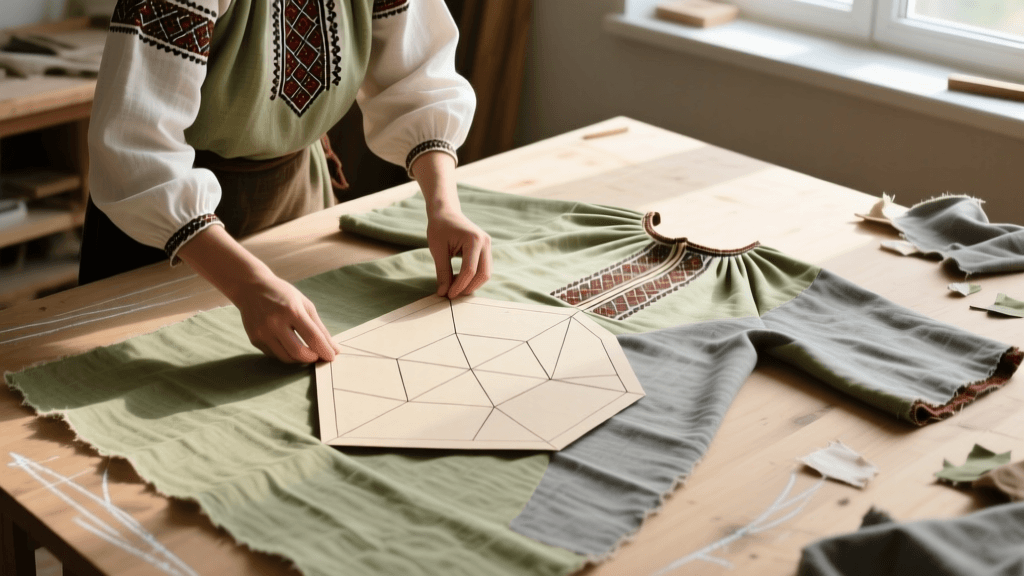
To style the ie effectively, one must first understand its intricate anatomy. A genuine traditional blouse is not simply embroidered fabric; it is a structured, symbolic garment constructed from rectangular pieces of hand-woven linen, hemp, or cotton, designed to minimize fabric waste. The magic lies in the specific embroidered zones, each carrying distinct regional and symbolic meanings.
The Altiță and Încreț
The most defining feature of the ie is the altiță, the dense, rectangular block of embroidery situated on the shoulder. In 2026, contemporary designers are drawing attention to the altiță by pairing the blouses with garments that leave the shoulder line exposed or framed. Directly beneath the altiță lies the încreț, a delicate, often monochromatic gathered band that historically signified the wearer's age and marital status. The transition from the bold altiță to the subtle încreț creates a visual rhythm that is unparalleled in global folk dress.
The Râuri and Bibiluri
Flowing down the sleeves are the râuri (rivers), vertical or diagonal bands of embroidery that guide the eye down the arm. These motifs often feature geometric representations of nature, such as coada păunului (the peacock's tail) or spicul (the wheat ear), symbolizing fertility, prosperity, and the eternal cycle of the seasons. Finally, the bibiluri refers to the intricate, hand-crocheted lacework that joins the rectangular fabric panels and adorns the neckline and cuffs. This lacework adds a delicate, textural contrast that pairs beautifully with modern, structured outerwear.
Contemporary Styling: Integrating the IE into Modern Wardrobes
The key to styling the ie in 2026 is contrast. Because the blouse is inherently voluminous, richly textured, and heavily detailed, it must be grounded with clean, modern, and structured pieces. Here are three highly actionable styling frameworks for the contemporary wardrobe.
1. The Corporate 'Heritage Quiet Luxury' Look
For the modern professional, the ie can easily replace the standard silk button-down. Select an ie from the Olt or Argeș regions, characterized by refined, monochromatic embroidery (often black, deep burgundy, or navy on crisp white linen). Tuck the blouse into high-waisted, wide-leg charcoal wool trousers. The volume of the blouse should be managed by a sleek, minimalist leather belt. Finish the look with pointed-toe leather ankle boots and a structured, oversized blazer draped over the shoulders. This look respects the corporate dress code while introducing a profound layer of cultural depth and artisanal quality.
2. The Summer Riviera Ensemble
For warm-weather events, resort wear, or summer evenings, lean into the ethereal qualities of the garment. Choose a delicate, white-on-white ie from the Vrancea or Muscel regions, where the embroidery relies on shadow and texture rather than color contrast. Pair this with a bias-cut, raw silk midi skirt in a muted earth tone, such as sage green or terracotta. The fluidity of the silk complements the structured gathers of the ie's neckline. Accessorize with woven leather sandals and handmade ceramic jewelry, allowing the bibiluri lacework to catch the evening breeze.
3. Avant-Garde Streetwear & Evening Layering
The 2026 avant-garde scene has embraced the juxtaposition of fragile folk textiles with harsh, modern materials. Take an oversized, vintage hemp ie and layer it beneath a structured, underbust leather corset or a tailored, cropped moto jacket. The corset cinches the voluminous fabric, creating a dramatic, modern silhouette while pushing the intricate altiță shoulder embroidery upward, framing the collarbone. Pair with dark, raw-denim jeans or a sleek vinyl midi skirt. This styling technique bridges the gap between ancient pastoral traditions and futuristic urban edge.
Sourcing Authentic and Ethical IE Blouses
As demand has surged in 2026, the market has unfortunately seen an influx of mass-produced, culturally appropriated imitations. To truly participate in the revival, it is vital to source ethically. Authenticity is found in the imperfections of the hand-stitch, the natural slubs of hand-woven linen, and the natural dyes used in the threads. Below is a comprehensive guide to sourcing genuine pieces this year.
| Sourcing Category | 2026 Price Range (EUR) | Lead Time | Best Use Case |
|---|---|---|---|
| Vintage / Antique (Pre-1950) | €150 - €450 | Immediate | Collectors, Upcycling, Archival Wear |
| Artisan Commission (Bespoke) | €350 - €850 | 3 - 6 Months | Heirloom Pieces, Bridal, Exact Fit |
| Ethical Rural Cooperatives | €120 - €280 | 1 - 3 Weeks | Everyday Wear, Conscious Gifting |
| Mass-Market 'Inspired' Brands | €40 - €90 | Immediate | Avoid (Lacks cultural authenticity) |
When purchasing from cooperatives or artisans, look for transparency regarding the origin of the flax and the specific village where the embroidery was executed. Genuine artisans will gladly explain the regional significance of the motifs they stitch.
Caring for Hand-Embroidered Heritage Textiles
Owning an authentic ie is an act of stewardship. These garments are designed to last generations, but they require specific, mindful care to preserve both the structural integrity of the hand-woven fabric and the vibrancy of the embroidery threads. According to the textile conservation guidelines provided by the Victoria and Albert Museum's expert textile care resources, natural fibers and historic dyes demand a gentle, chemical-free approach.
- Washing: Never machine wash an authentic ie. Hand wash in cool water (maximum 30°C for linen, strictly cold for silk-embroidered pieces) using a pH-neutral, non-enzymatic detergent. Enzymatic cleaners will destroy silk threads over time.
- Drying: Never wring or twist the fabric, as this will distort the încreț gathers and damage the bibiluri lace. Roll the blouse in a clean, dry cotton towel to press out excess water, then lay it flat on a drying rack away from direct sunlight to prevent the natural dyes from fading.
- Ironing: Iron the blouse while it is still slightly damp. Always iron on the reverse side (inside out) using a medium heat setting. Place a clean cotton pressing cloth between the iron and the embroidery to prevent crushing the three-dimensional texture of the altiță.
- Storage: For long-term storage, do not hang the ie on a wire or wooden hanger, as the weight of the wet or heavy linen can distort the shoulder seams. Fold it gently, padding the folds with acid-free tissue paper to prevent hard creases, and store it in a breathable cotton bag in a cool, dry environment. Avoid direct contact with cedarwood, which can transfer oils and cause yellowing on natural white linen.
Conclusion: Wearing History with Modern Intent
The 2026 revival of the Romanian ie is a powerful reminder that true style is rooted in meaning, craftsmanship, and cultural respect. By understanding the intricate anatomy of the garment, styling it with modern intentionality, and committing to ethical sourcing and proper care, you do more than just elevate your wardrobe. You become an active participant in a global movement that honors the hands that wove the linen, the minds that mapped the geometric motifs, and the enduring spirit of European folk dress. Whether worn to a corporate boardroom or a summer evening gala, the ie remains a timeless, fiercely contemporary masterpiece.