Styling the Romanian Ie Blouse for 2026 Streetwear
The Global Revival of the Romanian Ie in 2026
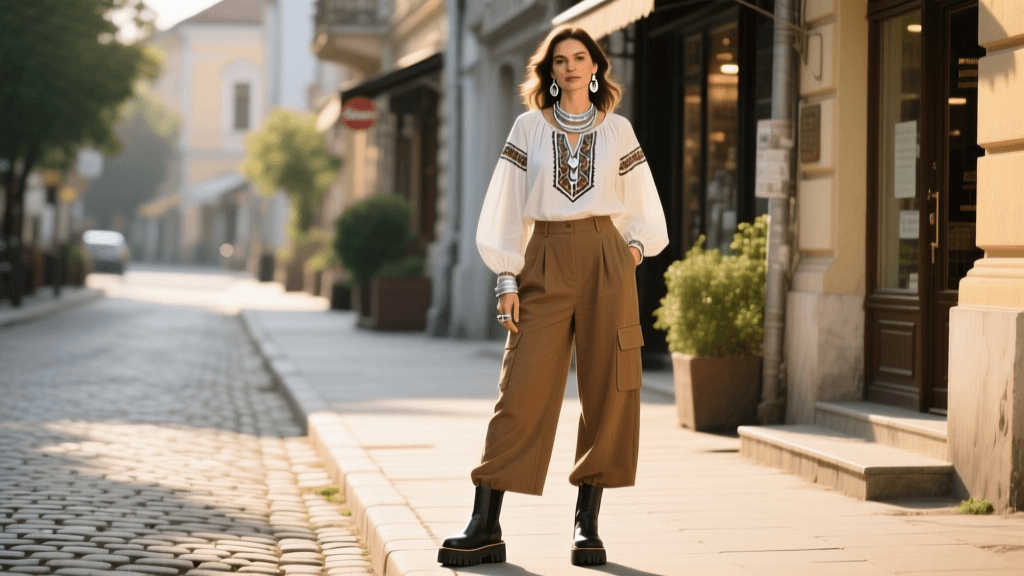
As we navigate the 2026 fashion landscape, the intersection of heritage craftsmanship and contemporary streetwear has never been more prominent. Among the most striking examples of this European folk dress revival is the Romanian Ie (pronounced 'yeh'), a traditional hand-embroidered blouse that has transcended its rural origins to become a staple in modern, sustainable wardrobes. Moving far beyond the costume-like interpretations of the past decade, today's styling embraces the Ie as a versatile, high-fashion garment that speaks to a global desire for authenticity, slow fashion, and cultural storytelling.
The cultural significance of this garment is globally recognized. In recent years, the traditional techniques of making the Romanian blouse with embroidery on the shoulder were inscribed on the UNESCO Intangible Cultural Heritage list. This prestigious recognition has sparked a massive 2026 revival, with contemporary designers and urban stylists reimagining the Ie for everyday streetwear, office attire, and festival fashion. By understanding its anatomy and learning how to integrate it into modern silhouettes, you can honor its rich history while maintaining a cutting-edge aesthetic.
Decoding the Anatomy: Altiță, Increț, and Râuri
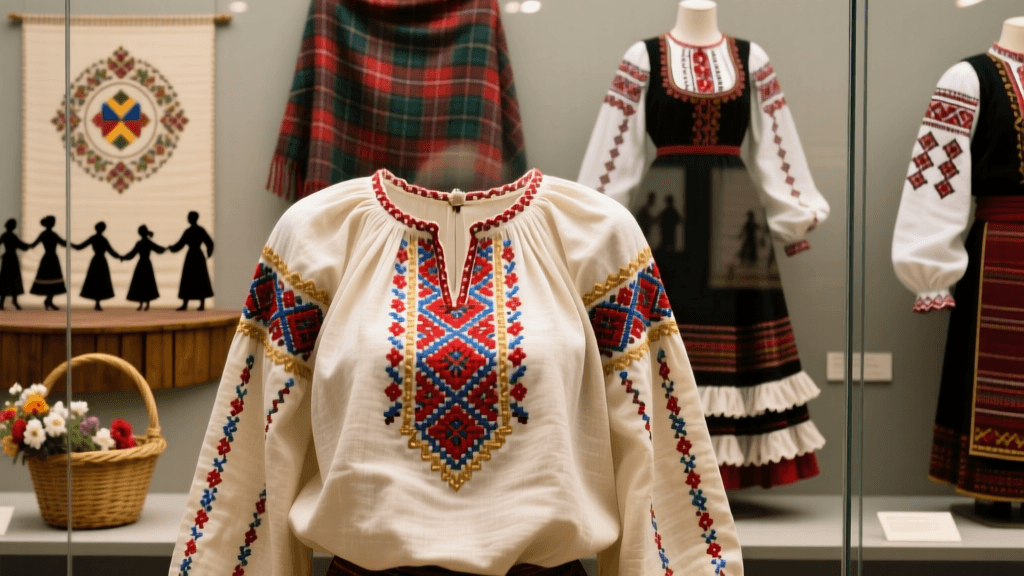
Before styling the Ie, it is crucial to understand the architectural brilliance of its construction. The traditional blouse is not merely a piece of clothing; it is a coded map of the wearer's regional identity, social status, and spiritual beliefs. According to the archives at the Romanian Peasant Museum, the garment is defined by three primary structural elements:
- The Altiță: This is the defining feature of the authentic Ie—a broad, heavily embroidered band situated on the shoulder. Historically, the altiță was the most protected part of the garment, believed to shield the wearer's shoulders from evil spirits. In 2026 streetwear, the altiță acts as a natural statement piece, providing a bold visual anchor that pairs beautifully with minimalist bottoms.
- The Increț: The gathered neckline, traditionally cinched with a woven cord. Modern adaptations often feature adjustable drawstrings or subtle elastication, allowing the wearer to alter the neckline from a modest crew to an off-the-shoulder silhouette depending on the occasion.
- The Râuri: Translating to 'rivers,' these are the vertical stripes of embroidery that flow down the sleeves from the altiță to the cuff. They create a striking linear effect that elongates the arm and adds intricate texture to the garment.
2026 Streetwear Styling: Three Contemporary Silhouettes
Integrating a highly ornate, voluminous folk garment into a modern urban wardrobe requires a careful balance of proportions. The key to styling the Ie in 2026 is contrast—pairing the romantic, voluminous top with structured, utilitarian, or hyper-modern lower halves. Here are three actionable styling frameworks for the current year.
Look 1: The Urban Minimalist (Tailored Contrast)
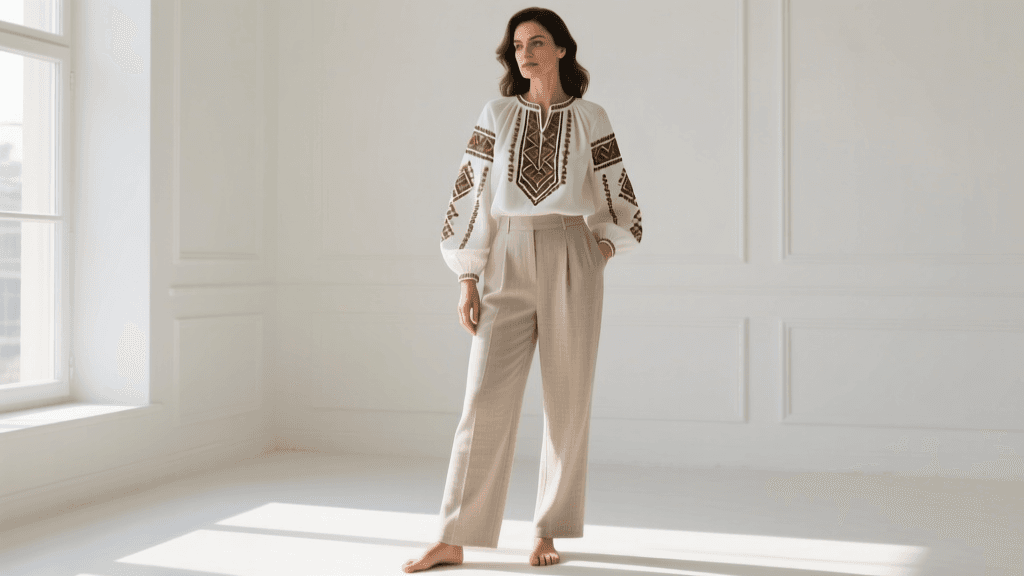
This look leverages the volume of the Ie by grounding it with sharp, architectural tailoring. It is perfect for creative office environments, gallery openings, or upscale urban dining.
- The Garment: Choose an Ie made from crisp, heavyweight organic linen in a muted palette (such as unbleached oatmeal or charcoal) with monochromatic black or navy embroidery. The blouse should have a relaxed fit but end precisely at the hip bone.
- The Pairing: Tuck the blouse into high-waisted, wide-leg wool trousers. Look for trousers with a 32-inch inseam and a structured 18-inch leg opening to create a continuous, flowing line from the waist down.
- Footwear & Accessories: Finish with chunky leather loafers or square-toe ankle boots. Keep jewelry minimal—perhaps a single, sculptural brass ear cuff—to let the altiță shoulder embroidery remain the focal point.
Look 2: Neo-Grunge Layering (Textural Rebellion)
The grunge revival of 2026 embraces distressed fabrics and dark, moody palettes. The Ie, when styled with a rebellious edge, creates a fascinating juxtaposition between delicate folk art and raw urban grit.
- The Garment: Opt for a cropped, black linen or hemp Ie with deep crimson or rust-colored geometric embroidery. The cropped cut (hitting around 18 inches from the shoulder seam) is essential to avoid looking overwhelmed by fabric when layering.
- The Pairing: Layer the Ie over a fitted, ribbed cotton turtleneck. Pair this with distressed, heavyweight selvedge denim jeans or a corduroy midi skirt with raw, frayed hems.
- Footwear & Accessories: Combat boots are mandatory here. Add a thick, studded leather belt to define the waist and a slouchy, oversized leather hobo bag to complete the anti-establishment aesthetic.
Look 3: Ethereal Summer Festival (Fluidity and Light)
For outdoor music festivals, summer travel, and warm-weather events, the Ie returns to its breezy, ethereal roots, but with a modern, sensual twist.
- The Garment: Select a sheer, white cotton voile or lightweight ramie Ie with intricate white-on-white (tonal) embroidery. Wear it unbuttoned or loosely tied at the waist, functioning as a light, protective jacket.
- The Pairing: Layer over a sleek, bias-cut silk slip dress in a bold, contrasting jewel tone like emerald green or sapphire blue. The slip dress should feature a cowl neckline and a hemline that hits just below the knee.
- Footwear & Accessories: Strappy leather sandals or minimalist espadrilles. Accessorize with woven rattan bags and delicate, layered gold necklaces that peek through the open front of the blouse.
Sourcing Ethical and Authentic Garments
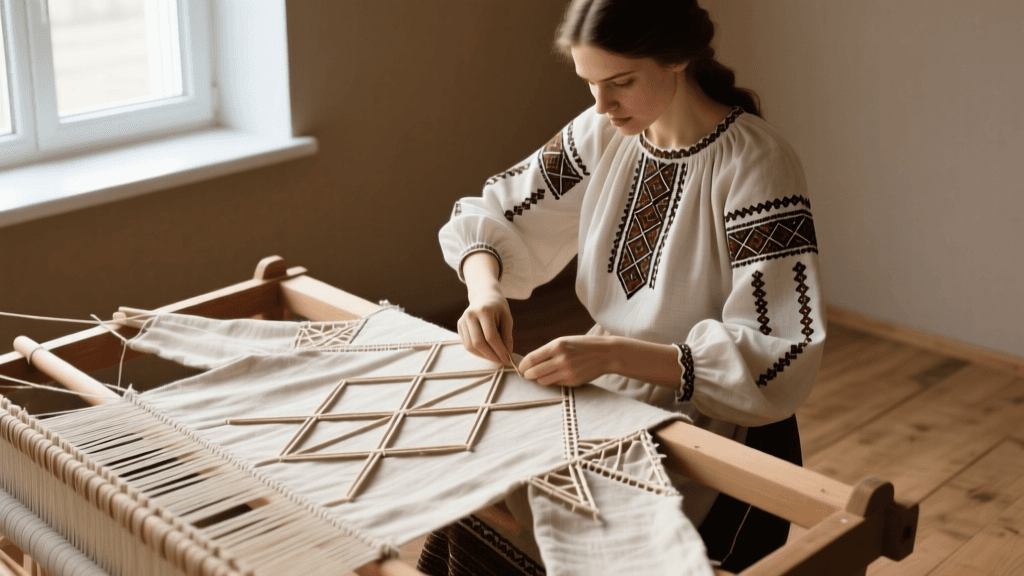
As the demand for the Ie has surged in 2026, the market has unfortunately seen an influx of mass-produced, culturally appropriated knockoffs. To truly honor the European folk dress revival, it is imperative to source garments ethically. Look for cooperatives and independent artisans based in Romania and Moldova who utilize traditional hand-loomed fabrics and natural dyes. Authentic pieces will often feature slight irregularities in the stitching—a hallmark of human craftsmanship that machines cannot replicate. When shopping online, verify that the retailer provides transparency regarding their supply chain, the specific region the motifs originate from (such as Olt, Vrancea, or Neamț), and the natural materials used in the embroidery threads.
Care and Maintenance for Hand-Embroidered Textiles
Hand-embroidered heritage garments require meticulous care to preserve their structural integrity and color vibrancy. The natural dyes used in authentic pieces, such as walnut husk, madder root, or indigo, are highly sensitive to harsh chemicals and extreme temperatures.
- Washing: Never machine wash an authentic Ie. Hand wash the garment in cold water (below 20°C or 68°F) using a pH-neutral, eco-friendly detergent designed for delicate natural fibers.
- Drying: Do not wring or twist the fabric, as this can distort the intricate gathers of the increț and warp the embroidery. Instead, gently press out excess water and lay the blouse flat on a clean, dry towel in a shaded, well-ventilated area. Direct sunlight will rapidly fade natural dyes.
- Ironing: Always iron the garment inside out on a low heat setting. Place a damp pressing cloth between the iron and the embroidery to prevent crushing the three-dimensional texture of the altiță and râuri.
Material and Silhouette Comparison Chart
To help you navigate the market and choose the right Ie for your personal 2026 wardrobe, refer to the comparison table below detailing the differences between traditional village garments and contemporary streetwear adaptations.
| Feature | Traditional Village Ie | 2026 Contemporary Streetwear Ie |
|---|---|---|
| Primary Fabric | Hand-loomed hemp or raw linen | Organic cotton, ramie, or softened linen blends |
| Embroidery Thread | Hand-spun wool or silk, naturally dyed | Cotton or silk floss, sometimes with metallic accents |
| Silhouette | Voluminous, long, gathered heavily at waist | Cropped, tailored, or relaxed with adjustable hems |
| Neckline | Strictly gathered with a woven cord | Drawstring, subtle elastic, or open placket |
| Styling Context | Festivals, rituals, church, daily village life | Urban streetwear, office, festivals, high-fashion layering |
Conclusion: Wearing History Forward
The European folk dress revival is not about treating traditional garments as museum artifacts trapped behind glass. It is about breathing life into them, allowing them to evolve while respecting their profound cultural roots. By styling the Romanian Ie with intentionality, ethical sourcing, and a keen eye for modern proportions, you participate in a global movement that values heritage, sustainability, and unparalleled craftsmanship. As you step out in 2026 wearing the altiță on your shoulders, you are not just wearing a blouse; you are wearing a living, breathing piece of European history, reimagined for the modern world.