Styling the Romanian Ia Blouse in 2026: A Modern Revival
The Renaissance of the Romanian Ia in 2026
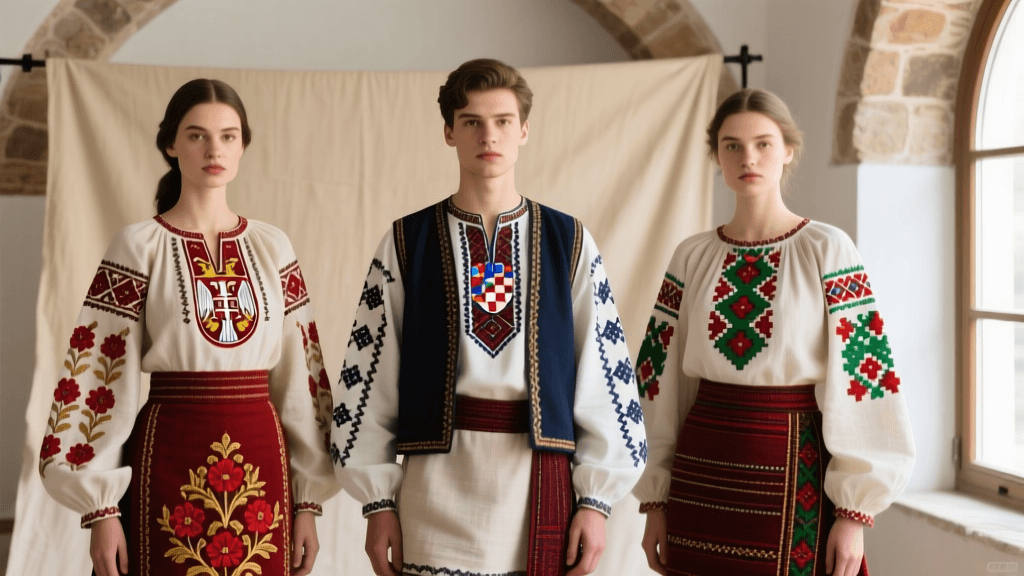
The traditional Romanian blouse, universally known as the Ia, has transcended its rural origins to become a cornerstone of the 2026 European folk dress revival. Far from being a static museum piece, the Ia is experiencing a vibrant renaissance, driven by a global demand for sustainable, artisan-crafted fashion. Following its historic inscription on the UNESCO Intangible Cultural Heritage list, the movement to protect and elevate this garment has culminated in a massive 2026 ethical fashion boom. Today, conscious consumers are moving away from fast-fashion appropriations, seeking instead the authentic, hand-embroidered pieces that honor the intellectual property of indigenous artisans.
Organizations and global networks like the La Blouse Roumaine community have been instrumental in this shift, educating the public on the cultural significance of regional motifs and advocating for fair-trade practices. In 2026, wearing an Ia is not just a fashion statement; it is an act of cultural preservation and a celebration of slow fashion. But how do you integrate a centuries-old heritage garment into a modern, contemporary wardrobe without reducing it to a costume? This guide explores the anatomy of the Ia and provides actionable, modern styling techniques for the current year.
Decoding the Anatomy of the Ia
To style the Ia respectfully and effectively, one must first understand its intricate anatomy. The blouse is constructed from handwoven linen, hemp, or cotton, with natural dyes making a major comeback in 2026 artisan circles. Madder root yields deep reds, walnut husks produce rich browns, and woad creates striking blues. According to the archives at the National Museum of the Romanian Peasant, the structural elements of the Ia are deeply symbolic:
- Altiniță: The heavily embroidered shoulder band. This is the epicenter of the garment's design, historically meant to protect the wearer from evil spirits and to signify their village of origin.
- Râuri: Translating to 'rivers,' these are the vertical stripes of embroidery flowing down the sleeves from the Altiniță, symbolizing the flow of life and water.
- Bentiță: The embroidered cuff at the end of the sleeve, which gathers the fabric and frames the hands.
- Puișori: Small, geometric or floral motifs scattered across the chest and back, representing seeds, stars, or local flora.
Understanding these elements helps in choosing the right silhouette for modern layering, ensuring that the most important decorative features are highlighted rather than hidden.
5 Contemporary Ways to Style the Ia in 2026
The key to styling folk dress in 2026 is juxtaposition. By pairing the delicate, historical craftsmanship of the Ia with modern, structured, or minimalist pieces, you create a sophisticated look that bridges the gap between heritage and contemporary haute couture.
1. The Corporate Minimalist
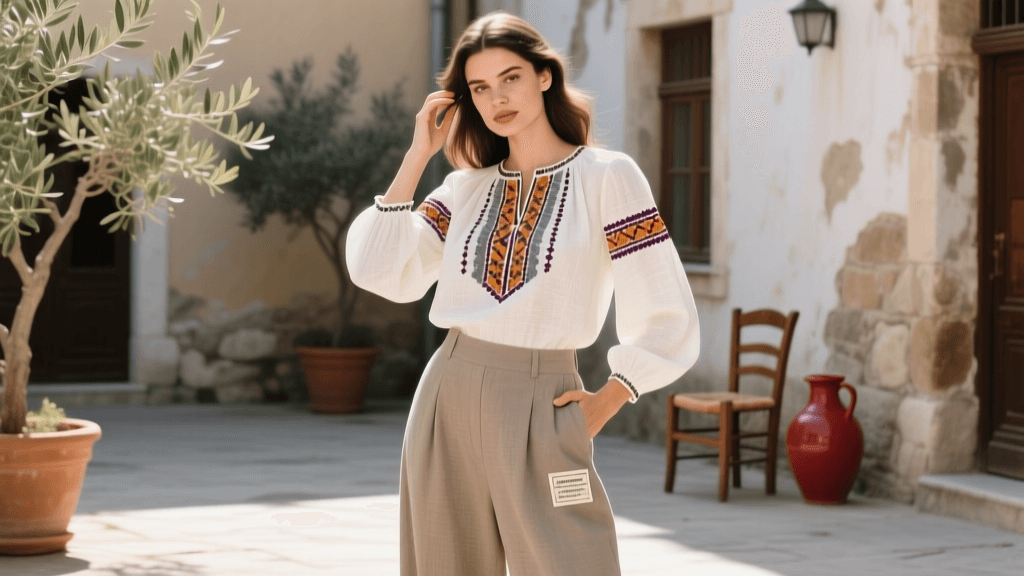
For the modern workplace, the Ia can serve as a striking alternative to the standard silk button-down. Choose a monochrome Ia—perhaps black embroidery on charcoal hemp or crisp white-on-white linen. Pair it with high-waisted, wide-leg wool trousers featuring a 32-inch inseam and a sharp front crease. Tuck the blouse in loosely to allow the chest motifs (the puișori) to peek out, while the voluminous sleeves provide a soft contrast to the severe tailoring of the trousers. Finish with pointed-toe leather ankle boots and a structured minimalist tote.
2. Elevated Streetwear
Streetwear in 2026 heavily favors sustainable textiles and vintage silhouettes. Take an oversized, heavily embroidered Ia from the Argeș or Muscel regions and contrast its delicate needlework with raw-hem, heavyweight selvedge denim. The rough texture of the indigo denim grounds the ethereal nature of the blouse. Add chunky, sustainably sourced leather combat boots and a modern crossbody bag made from recycled nylon. This look embraces the 'quiet luxury' trend while injecting a dose of bohemian rebellion.
3. Ethereal Summer Layering
During the warmer months, the Ia's breathable natural fibers make it an ideal layering piece. Select a sheer, white linen Ia with subtle geometric embroidery. Wear it unbuttoned and flowing over a sleek, bias-cut silk slip dress in a muted earth tone, such as terracotta or olive green. The slip dress provides the necessary coverage and modern silhouette, while the Ia acts as a lightweight, decorative duster. Pair with strappy leather sandals and woven rattan accessories for a sophisticated festival or summer garden party look.
4. Avant-Garde Structured Layering
One of the most striking ways to wear the Ia in 2026 is to use it as a base layer under structured outerwear. Choose a cropped, sharply tailored blazer with a slightly dropped shoulder. Wear the Ia underneath, ensuring that the Altiniță (shoulder embroidery) extends just past the blazer's sleeve line, and the Bentiță (cuff) flares out elegantly at the wrist. This technique frames the most important cultural motifs of the blouse while keeping the overall silhouette sharp, modern, and highly architectural.
5. Neo-Bohemian Evening Wear
For evening events, lean into the maximalist roots of the garment. Select an Ia featuring metallic thread embroidery (gold or silver) woven into dark indigo or black hemp. Tuck it into a flowing, metallic-threaded maxi skirt that mimics the colors of the blouse's embroidery. Cinch the waist with a wide, modern leather belt to create an hourglass silhouette. This look respects the traditional volume of the peasant blouse while adapting it for a glamorous, contemporary red-carpet or gallery-opening setting.
Sourcing Authentic Artisans: 2026 Buyer’s Guide
As the demand for authentic European folk dress has surged in 2026, so has the market for mass-produced imitations. To support the revival ethically, it is crucial to source directly from artisans or verified cooperatives. Below is a comparison of the primary sourcing avenues available this year.
| Sourcing Avenue | Price Range (2026 USD) | Lead Time | Best For |
|---|---|---|---|
| Direct Artisan Cooperatives (e.g., Maramureș, Neamț) | $250 - $600 | 3 - 6 Months | Bespoke, museum-quality pieces; supporting rural economies directly. |
| Verified Ethical Brands (e.g., Mândra, Ia Chic) | $150 - $350 | 2 - 4 Weeks | Ready-to-wear contemporary fits with guaranteed ethical supply chains. |
| Curated Vintage & Antique Dealers | $400 - $1,200+ | Immediate | Collectors seeking historical accuracy and early 20th-century natural dyes. |
When purchasing, always ask for the specific region of origin and the meaning behind the motifs. True artisans will provide a certificate of authenticity detailing the materials, the natural dyes used, and the name of the embroiderer.
Preservation and Garment Care
Hand-embroidered heritage garments require meticulous care to ensure they survive for future generations. The 2026 standard for textile preservation emphasizes eco-friendly, gentle methods:
- Washing: Never machine wash an authentic Ia. Hand wash in cold water (below 20°C) using a pH-neutral, plant-based detergent. Avoid rubbing the embroidered areas; instead, gently agitate the water and let the garment soak for no more than 15 minutes.
- Drying: Never wring out the fabric. Roll the blouse in a clean, dry cotton towel to absorb excess moisture, then lay it flat on a drying rack in a shaded, well-ventilated area. Direct UV sunlight will rapidly fade natural dyes like woad and madder root.
- Ironing: Iron the blouse while it is still slightly damp. Always iron on the reverse side using a low-to-medium heat setting. Place a clean cotton pressing cloth over the embroidery on the inside to prevent crushing the three-dimensional texture of the stitches.
- Storage: Store the Ia flat or loosely rolled. Hanging it for long periods can distort the handwoven fibers and stretch the neckline. Wrap the garment in acid-free tissue paper and place it in a breathable cotton storage bag with natural cedar blocks to deter moths without the use of harsh chemical mothballs.
Conclusion
The Romanian Ia is a masterclass in wearable art, carrying the history, spirituality, and environmental wisdom of the Carpathian regions within its very threads. By embracing contemporary styling techniques and committing to ethical sourcing in 2026, we do more than just elevate our personal wardrobes; we participate in a vital, living dialogue between the past and the future of European folk dress. Wear it with pride, style it with intention, and let the rivers of embroidery continue to flow into the modern era.