Bavarian Tracht vs Norwegian Bunad: 2026 Sourcing Guide
The Resurgence of Authentic European Folk Dress in 2026
As we navigate the 2026 European folk festival calendar—from the alpine meadows of Bavaria during Oktoberfest to the vibrant Syttende Mai celebrations in Norway—the demand for historically accurate, sustainably crafted traditional garments has reached an all-time high. Modern consumers and cultural preservationists alike are moving away from mass-produced, synthetic costumes in favor of authentic regional folk dress. This shift is not merely a fashion trend; it is a profound reconnection with European textile heritage, artisanal craftsmanship, and regional identity.
In this comprehensive 2026 guide, we explore two of the most iconic and meticulously regulated traditional garment traditions in Europe: the Bavarian and Austrian Tracht (specifically the Dirndl and Lederhosen) and the Norwegian Bunad. Whether you are a textile collector, a festival attendee seeking authentic attire, or a researcher studying European folk dress, understanding the construction, sourcing, and 2026 market dynamics of these garments is essential.
Bavarian and Austrian Tracht: Beyond the Festival Tent
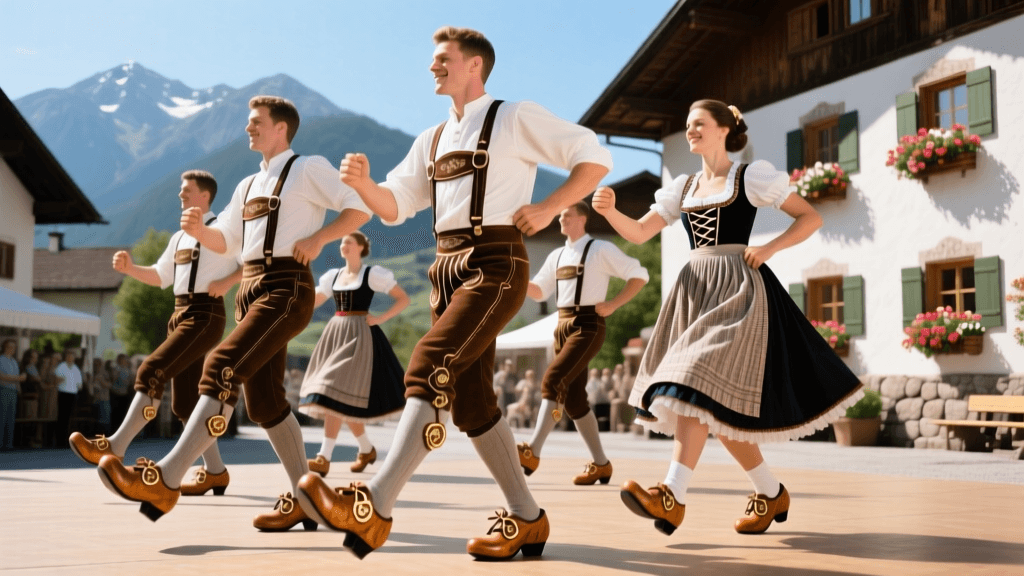
The term Tracht refers to traditional garments worn in German-speaking Alpine regions. While the world often associates the Dirndl and Lederhosen solely with Oktoberfest, true Tracht is deeply rooted in the rural, working-class history of Bavaria, Tyrol, and Salzburg. According to the Bayerischer Trachtenverband (Bavarian Tracht Association), the push for historically accurate, regionally specific Tracht has intensified in 2026, with local councils actively discouraging the wearing of cheap, imported fast-fashion imitations at cultural events.
Anatomy and Construction of the Dirndl
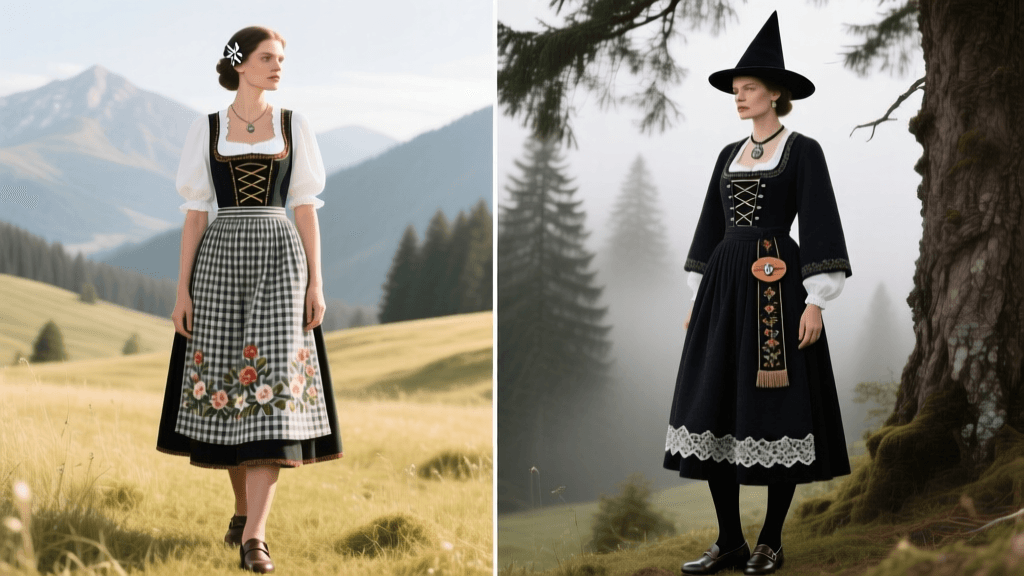
An authentic Dirndl is a complex, multi-piece ensemble consisting of the Mieder (bodice), Rock (skirt), Bluse (blouse), and Schürze (apron). In 2026, the hallmark of a high-quality Dirndl is its tailoring and textile origin. The bodice is heavily structured, often featuring hidden boning and intricate front closures using silver hooks or carved horn buttons. The skirt is heavily pleated, utilizing up to four meters of fabric to create the signature bell shape.
Textile trends for 2026 heavily favor organic, regionally sourced materials. Artisans in Salzburg are currently utilizing hand-blocked organic linens and naturally dyed wools. The apron, traditionally made of silk or fine cotton, is tied with a specific bow that historically indicated the wearer's marital status—a tradition still playfully observed today. A premium, custom-tailored Dirndl from a heritage house like Gössl or Angermaier in 2026 will typically cost between €800 and €1,500, reflecting the intense labor and premium European textiles involved.
The Craft of Lederhosen
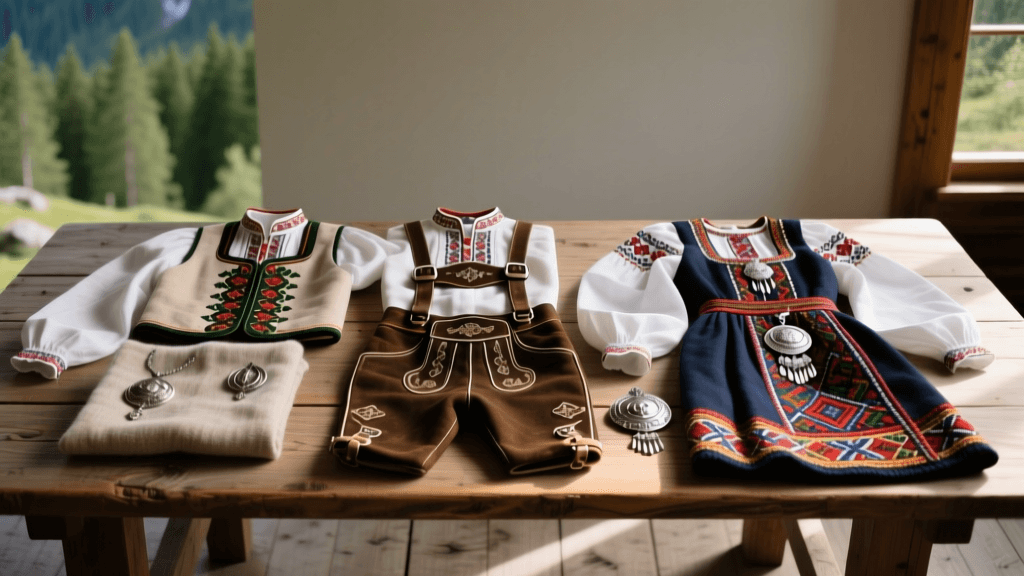
Authentic Lederhosen are crafted from Hirschleder (deer leather) or Gamsleder (chamois leather), which is traditionally tanned using vegetable oils and barks to achieve a soft, breathable, and durable finish. The hallmark of genuine Lederhosen is the Säcklernah (saddle stitch), a raised, hand-embroidered seam that provides structural integrity and decorative flair. The intricate floral and hunting motifs embroidered on the front flap (Latz) and suspenders (Hosenträger) are specific to different Alpine valleys.
In 2026, ethical and sustainable sourcing of deer leather has become a major focal point. Due to stricter European wildlife management and tanning regulations, the lead time for bespoke Lederhosen from master saddlers in Garmisch-Partenkirchen has extended to nearly eight months. Prices for authentic, hand-embroidered knee-breeches (Kniebundhosen) now average €1,200, while full-length styles (Plattlerhosen) can exceed €1,800.
The Norwegian Bunad: A Woven National Identity
While the Tracht evolved from rural workwear, the Norwegian Bunad is a 20th-century romantic nationalist reconstruction of historical peasant clothing, elevated to the status of a formal national dress. The Bunad is governed by strict regional guidelines to ensure historical accuracy in cut, color, and embroidery. The Norsk Institutt for Bunad og Folkedrakt (Norwegian Institute for Bunad and Folk Costume) maintains exhaustive archives and approves patterns to prevent cultural dilution.
Regional Variations and Strict Guidelines
There are over 450 distinct Bunad variations in Norway, each tied to a specific geographic region or valley. The most famous include the intricate Hardanger Bunad, characterized by its black wool and vibrant geometric cross-stitch embroidery, and the Telemark Bunad, featuring rich, dark blue wool with elaborate floral rosemaling motifs. In 2026, the rule of 'locality' remains paramount: Norwegians traditionally wear the Bunad from the region where they or their ancestors were born.
The construction of a Bunad relies heavily on heavy, fulled wool (vadmel) and hand-woven linen shirts (skjorte). The embroidery is almost exclusively done by hand, utilizing techniques like Hardanger-saum (drawn thread work) and ullgarnsbroderi (wool yarn embroidery). Because the Norwegian craft association, Husfliden, oversees much of the production, the waitlist for a fully assembled, custom-fitted Bunad in 2026 can easily surpass 14 to 18 months.
The Silver (Sølv) Tradition
No Bunad is complete without its accompanying silver jewelry, known as sølv. The silver pieces—including the large filigree brooch (sølje), belt buckles (beltestøler), and shirt rings (skjortering)—were historically a family's portable wealth. In 2026, the global surge in precious metal markets has significantly impacted the cost of Bunad silver. A complete set of hand-forged, oxidized silver jewelry from master smiths in Bergen or Oslo now commands prices between €2,500 and €4,500. Buyers are increasingly opting for certified recycled silver to align with modern sustainability values without compromising historical aesthetics.
2026 Sourcing and Cost Comparison Chart
To help collectors and cultural enthusiasts plan their acquisitions, we have compiled a comparative overview of the Bavarian Tracht and the Norwegian Bunad as of the 2026 market.
| Feature | Bavarian Tracht (Dirndl/Lederhosen) | Norwegian Bunad |
|---|---|---|
| Primary Origin | Bavaria (Germany), Tyrol & Salzburg (Austria) | Various rural valleys and regions of Norway |
| Core Materials | Deer/Chamois leather, linen, silk, cotton | Fulled wool (vadmel), linen, silk, worsted yarn |
| Key Accessories | Charivari (silver chain), Gamsbart (hat tuft), silk apron | Sølje (silver brooch), belt buckles, embroidered cap |
| 2026 Avg. Cost (Full Set) | €1,500 - €3,000 | €3,500 - €6,500 (including silver) |
| Customization Lead Time | 3 to 8 months | 14 to 18 months |
| Regulatory Body | Regional Trachtenverbände (Associations) | Bunad- og Folkedraktrådet (National Council) |
Practical Guide: Measuring, Ordering, and Maintenance
Investing in authentic European folk dress requires careful planning, precise measurements, and a commitment to proper textile conservation. For broader textile conservation techniques and historical context, the Victoria and Albert Museum's fashion archives recommend specialized care for heritage garments, a principle that applies directly to modern Tracht and Bunads.
Measuring for Authentic Fit
Unlike modern ready-to-wear clothing, Tracht and Bunads are tailored to historical silhouettes. For a Dirndl, the bodice must fit snugly against the ribcage to provide structural support, while the Bunad bodice is designed to sit slightly looser to accommodate the heavy wool skirt and silver belt. When ordering from heritage ateliers in 2026, you will be asked for at least 12 distinct measurements, including the 'under-bust to waist drop' and the 'nape to hollow of throat'. It is highly recommended to have these measurements taken by a professional tailor rather than attempting self-measurement.
Maintenance and Eco-Friendly Care
The care of these garments has evolved with 2026's eco-friendly mandates. Dry cleaning, once the standard for heavy wools and leathers, is now discouraged due to the harsh chemicals used. Instead, the Norwegian Institute for Bunad and Folk Costume recommends frequent airing of the wool garments in a cool, humid environment (such as a bathroom after a shower) to naturally release wrinkles and odors. Spot cleaning with pH-neutral, biodegradable wool detergents is preferred for minor stains.
For Lederhosen, the natural oils from the wearer's skin actually help condition the deer leather over time. However, they must be stored in breathable cotton garment bags with untreated cedar blocks to prevent moth damage and moisture buildup. Silver jewelry should be kept in anti-tarnish flannel pouches and polished only with specialized microfiber cloths, avoiding abrasive chemical dips that can strip the intentional oxidation from the filigree crevices.
Conclusion
The landscape of European folk dress in 2026 is defined by a deep respect for heritage, a commitment to sustainable artisanship, and a rejection of disposable fashion. Whether you are investing in the structured elegance of a Bavarian Dirndl, the rugged, embroidered beauty of authentic Lederhosen, or the profound regional pride woven into a Norwegian Bunad, you are participating in the living history of European textile culture. By sourcing from certified artisans and adhering to traditional care methods, these magnificent garments will not only serve as the centerpiece of your festival wardrobe but will become treasured heirlooms for generations to come.