Romanian Ia Blouse Revival: 2026 Modern Styling Guide
The Enduring Allure of the Romanian Ia in 2026
As the global fashion landscape of 2026 continues to pivot away from fleeting micro-trends and fast-fashion cycles, a profound appreciation for heritage textiles has taken center stage. At the forefront of this 'folk-core' evolution is the Romanian Ia (pronounced ee-ah), a traditional hand-embroidered blouse that transcends mere clothing to become a wearable archive of Eastern European history. Once relegated to museum displays or rural festivals, the Ia has been reclaimed by contemporary wardrobes, offering a masterclass in sartorial storytelling and sustainable style.
The modern revival is not just about aesthetics; it is about cultural preservation. In recent years, the traditional techniques of making the blouse with shoulder embroidery—known as the Altita—were inscribed on the UNESCO Intangible Cultural Heritage list. This global recognition has sparked a 2026 renaissance, with a new generation of designers, stylists, and consumers seeking authentic, ethically sourced pieces that honor the original mestesugari (artisans) while integrating seamlessly into urban streetwear and contemporary minimalist wardrobes.
Decoding the Embroidery: Altita, Raut, and Bata
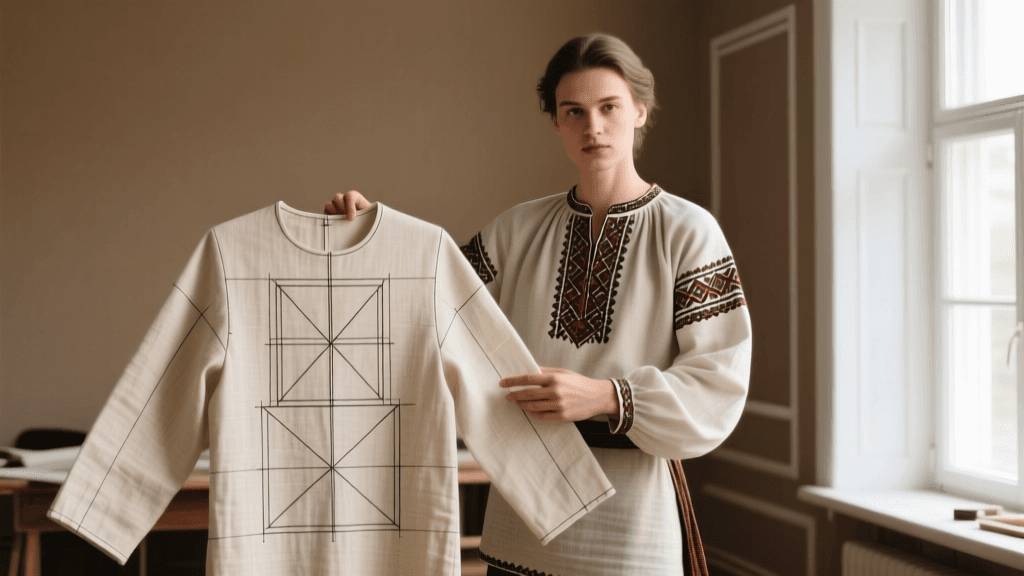
To style the Ia authentically, one must first understand its architectural anatomy. The embroidery on a traditional Romanian blouse is never random; it follows a strict, sacred geometry that historically communicated the wearer's region, marital status, and social standing. According to the textile archives at the Romanian Peasant Museum, the structure of the sleeve embroidery is divided into three distinct sections:
- The Altita: The focal point of the garment, this is the dense, rectangular block of embroidery located on the shoulder. It represents the sky and the divine, often featuring complex geometric or solar motifs stitched in vibrant reds, blacks, and golds.
- The Raut: Just below the Altita, the Raut consists of diagonal or oblique lines that symbolize the earth and the flowing rivers of life. It acts as a visual bridge between the shoulder and the rest of the sleeve.
- The Bata: These are the vertical rows of embroidery that run down the length of the sleeve to the cuff. The Bata represents the roots of trees and the connection to the ancestors, grounding the wearer to the earth.
In 2026, contemporary fashion enthusiasts are moving away from the homogenized 'boho-chic' peasant blouses of the 2010s, instead seeking out these specific structural markers to ensure their garments carry genuine cultural weight.
Authentic Artisan vs. Fast Fashion: A 2026 Market Comparison
The surge in demand for heritage garments has unfortunately led to an influx of mass-produced imitations. For the conscious consumer, distinguishing between a culturally significant artifact and a factory-made costume is paramount. Below is a comparison of the current market landscape for European folk dress.
| Feature | Mass-Market 'Boho' Blouse | Authentic Handmade Ia (2026 Artisan Market) |
|---|---|---|
| Price Range | $40 - $90 USD | $250 - $800+ USD |
| Fabric Base | Synthetic blends, thin polyester, or chemically treated cotton | Hand-woven hemp, raw linen, or organic cotton spun in rural cooperatives |
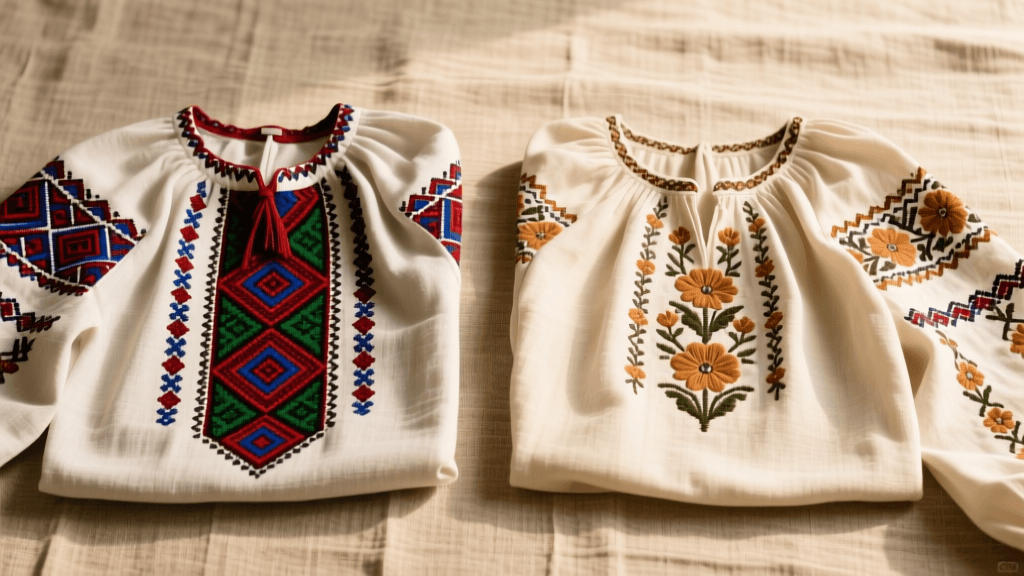
| Embroidery Technique | Machine-embroidered, flat, uniform stitching lacking reverse-side neatness | Hand-stitched using the 'counted thread' technique; reversible and highly textured |
| Motif Accuracy | Randomized floral patterns with no regional specificity | Strict adherence to regional codes (e.g., Arges, Olt, Bucovina) featuring Altita, Raut, and Bata |
| Cultural & Ethical Impact | Appropriative; supports exploitative fast-fashion supply chains | Preserves UNESCO-recognized heritage; directly funds rural female artisans |
As highlighted by advocacy groups like Fashion Revolution, investing in authentic heritage pieces is a cornerstone of the slow fashion movement, ensuring that traditional craftsmanship survives in the modern economic landscape.
Contemporary Styling: Integrating the Ia into Modern Wardrobes
The key to styling the Ia in 2026 is contrast. Because the blouse is inherently voluminous, heavily textured, and rich in pattern, it serves best as the statement piece in an otherwise structured or minimalist outfit. Here are three contemporary styling frameworks for the modern wardrobe.
Look 1: The Urban Commuter (Quiet Luxury Meets Folk-Core)
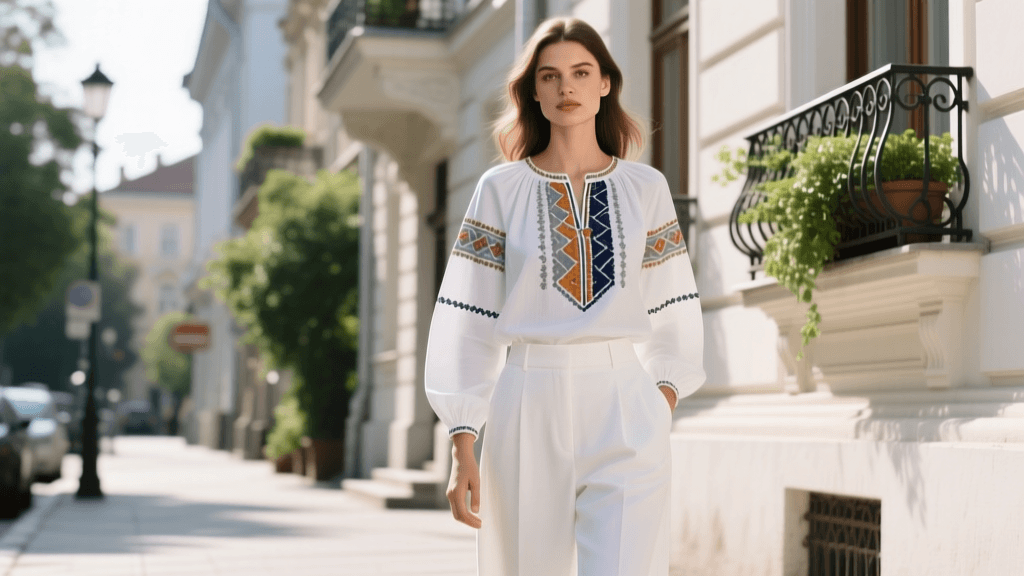
For a sophisticated daytime look that transitions from the office to a gallery opening, pair a monochromatic Ia (such as a white linen base with black and deep burgundy embroidery) with high-waisted, wide-leg wool trousers in charcoal or navy. The fluidity of the trousers balances the gathered volume of the blouse. Tuck the front of the Ia loosely into the waistband to define the silhouette without crushing the delicate Bata embroidery. Finish the look with structured leather mules and a minimalist, unstructured leather tote. This approach embraces the 'quiet luxury' trend while injecting profound historical texture.
Look 2: Evening Edge (Tailored Contrast)
To adapt the Ia for evening wear, lean into sharp, androgynous tailoring. Layer a slightly sheer, vintage hemp Ia under a sharply tailored, oversized tuxedo blazer. The juxtaposition of the rigid, masculine wool blazer against the delicate, feminine hand-stitched cotton creates a striking visual tension. Pair this with dark, raw selvedge denim or tailored cigarette trousers, and finish with pointed-toe ankle boots. Allow the Altita on the shoulder to peek out from beneath the blazer's lapel, turning the traditional embroidery into an unexpected evening accent.
Look 3: Summer Festival (Textural Harmony)
For outdoor events, summer weddings, or cultural festivals, embrace a head-to-toe natural textile palette. Pair a lightweight, short-sleeved Ia featuring vibrant floral or solar motifs with a bias-cut, mid-length slip skirt in raw silk or Tencel. The natural luster of the silk complements the matte texture of the hand-woven cotton blouse. Accessorize with modern, sculptural wooden jewelry or hammered brass cuffs that echo the ancient metalwork traditions of the Carpathian region. Avoid synthetic woven bags; instead, opt for a structured, hand-woven leather or rattan top-handle bag.
Ethical Sourcing and Supporting Mestesugari
If you are looking to acquire an authentic Ia in 2026, bypass generic vintage marketplaces where provenance is often unclear or misattributed. Instead, seek out dedicated cultural cooperatives and verified artisan networks. Organizations such as La Blouse Roumaine have built global communities that connect buyers directly with rural artisans, ensuring fair compensation and cultural accuracy. When purchasing, always ask for the specific region of origin and the meaning behind the motifs. A true artisan will be able to explain whether the geometric patterns on the Altita represent the 'sun's path' or the 'tree of life,' adding a layer of personal connection to your garment.
Modern Care for Heritage Textiles
Caring for a hand-embroidered Ia requires a departure from standard modern laundry habits. The natural fibers and artisanal dyes used in these garments are highly sensitive to contemporary chemicals and heat.
- Washing: Never machine wash an authentic Ia. Hand wash in cold water using a pH-neutral, enzyme-free detergent designed for delicate natural fibers. Avoid soaking for more than ten minutes to prevent the hand-spun threads from weakening.
- Drying: Never wring or twist the fabric, as this will distort the intricate counted-thread embroidery. Gently press the water out by rolling the blouse in a clean, dry cotton towel. Lay flat to dry away from direct sunlight, which can fade natural botanical dyes.
- Ironing and Storage: Iron the garment inside out on a low-heat setting, placing a damp pressing cloth over the embroidery to protect the raised stitches from being crushed. Store your Ia folded in acid-free tissue paper inside a breathable cotton garment bag, utilizing natural cedar blocks rather than chemical mothballs to protect the fibers.
Conclusion
The Romanian Ia is far more than a seasonal trend; it is a testament to the resilience of European folk art. By understanding its anatomy, sourcing ethically, and styling it with modern intentionality, we ensure that the hands that stitch these stories continue to thrive in 2026 and beyond. Embracing the Ia is an invitation to wear history with respect, elegance, and a profound sense of global connection.