Romanian Altita Blouse Styling 2026: Folk Revival Trends
The European Folk Dress Revival: Embracing Heritage in 2026
The landscape of contemporary European fashion in 2026 is experiencing a profound shift. As global consumers move away from the ephemeral cycles of fast fashion, there is a surging demand for garments that carry historical weight, artisanal craftsmanship, and cultural narratives. At the forefront of this European folk dress revival is the traditional Romanian Ie (pronounced 'ee-eh'), specifically the variant featuring the intricate shoulder embroidery known as the Altita. Once reserved for rural festivals and Sunday church attendance, the Altita blouse has been reclaimed by modern wardrobes, bridging the gap between ancient Eastern European textile traditions and 2026 minimalist streetwear.
This resurgence is not merely a fleeting aesthetic trend; it is a conscious effort to preserve intangible cultural heritage. Following its celebrated inscription on the UNESCO Intangible Cultural Heritage Representative List, the Altita blouse has seen a massive influx of interest from international designers, sustainable fashion advocates, and heritage enthusiasts. Today, styling this masterpiece requires an understanding of its anatomy, a respect for its origins, and a creative eye for contemporary integration.
The Anatomy of the Altita Blouse
To style the garment properly, one must first understand its highly structured architecture. The traditional Altita blouse is not simply an embroidered shirt; it is a canvas of geometric and floral symbolism, divided into three distinct, mandatory sections that dictate its visual weight and drape.
1. The Altita (The Shoulder)
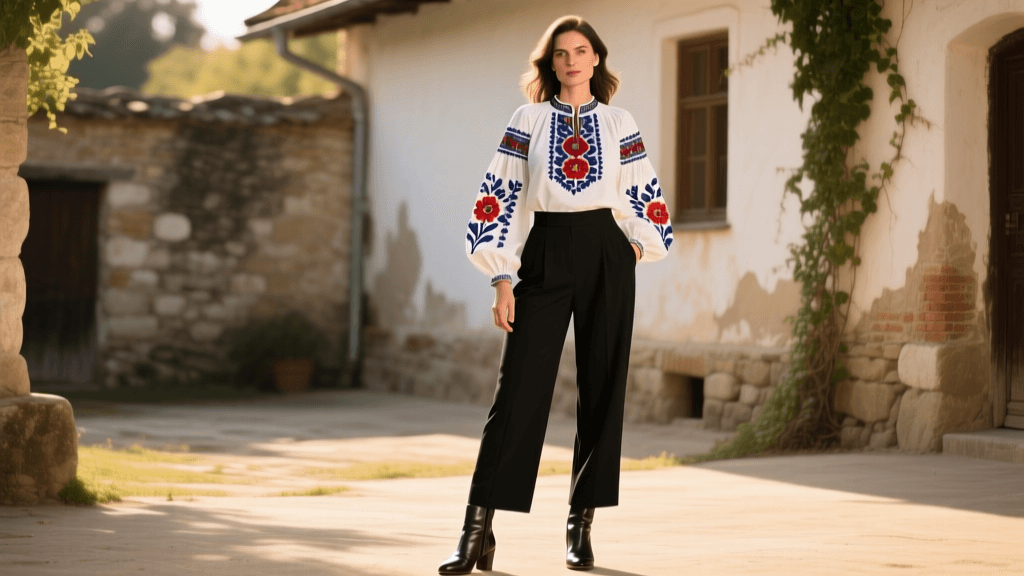
The namesake of the garment, the Altita is the dense, rectangular block of embroidery situated on the upper shoulder. Historically, this area was believed to protect the wearer's vital energy. In 2026 contemporary styling, the Altita serves as the focal point of the garment, acting much like a statement epaulette or structured shoulder pad, providing a striking visual anchor for modern silhouettes.
2. The Incret (The Smocking)
Directly beneath the Altita lies the Incret, a tightly smocked, horizontal band of gathering. This section creates a textured, ribbed effect that allows the sleeve to billow out dramatically. The Incret provides the blouse with its signature volume, making it an excellent piece for playing with proportions in modern outfits.
3. The Rauri (The Rivers)
Flowing down the length of the sleeve from the Incret are the Rauri (rivers). These are vertical, parallel bands of embroidery that guide the eye downward. The spacing and density of the Rauri can vary by region—from the dense, dark threads of the Muscel region to the airy, sparse geometric patterns of Olt. Understanding these elements helps in balancing the blouse with the rest of your ensemble.
2026 Contemporary Styling Trends
Integrating a highly ornate, voluminous folk garment into a modern 2026 wardrobe requires a strategic approach to balance. The key to the current revival is contrast: pairing the maximalist, handcrafted nature of the Altita with sleek, tailored, or ultra-minimalist contemporary pieces.
The Modern Minimalist Office
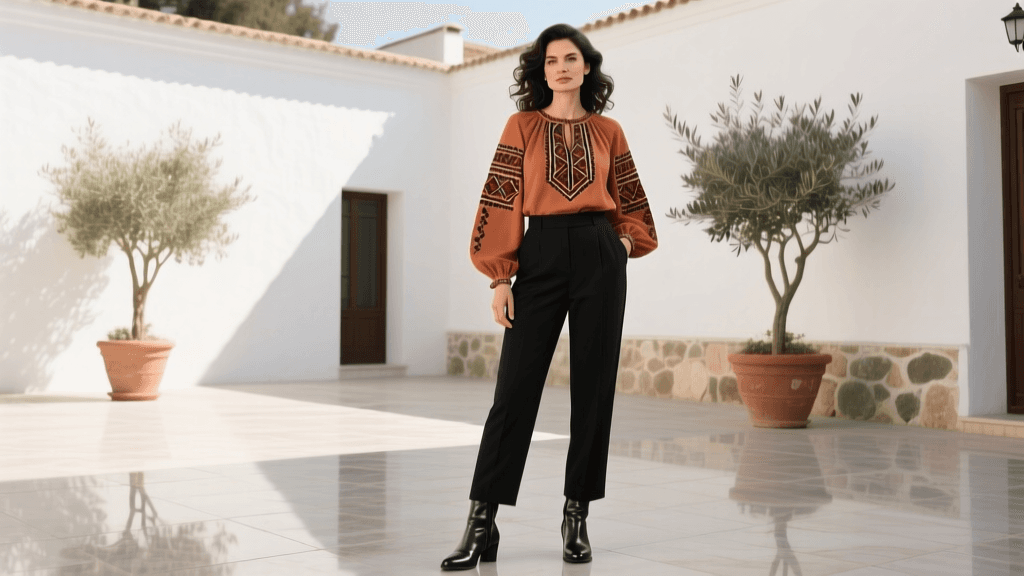
The days of relegating folk dress to weekend festivals are over. In 2026, the Altita blouse is a staple in the creative and corporate office. To achieve this, opt for a blouse with a monochromatic embroidery palette—such as black thread on ivory linen or deep navy on crisp white cotton. Pair it with high-waisted, wide-leg tailored trousers in charcoal or camel. Tuck the blouse in slightly at the front to manage the volume of the Incret, and finish with pointed-toe leather ankle boots. The structured shoulder of the Altita mimics the power-shoulder trend of modern suiting, making it a commanding yet culturally rich choice for professional environments.
Weekend Streetwear and Sustainable Denim
For a more relaxed, urban aesthetic, the Altita blouse pairs beautifully with the sustainable denim movements dominating 2026. Contrast the delicate, hand-stitched Rauri with heavy, raw selvedge denim. A cropped Altita blouse worn over a vintage-wash denim midi-skirt creates a stunning juxtaposition of textures. Alternatively, layer a sheer, hemp-cotton Altita blouse over a simple, ribbed organic cotton turtleneck during the transitional autumn months, adding chunky, recycled-rubber sole boots to ground the ethereal top half.
Evening Elegance and Slip Skirts
For evening wear, the revival leans into the romantic, ethereal qualities of Eastern European dress. Seek out vintage or newly commissioned Altita blouses that incorporate metallic gold or silver threads, or subtle silk ribbon accents. Pair these with a bias-cut silk slip skirt in a jewel tone that pulls from the minor colors in the embroidery. The delicate smocking of the Incret provides a beautiful texture contrast against the liquid drape of the silk, creating a look that is both deeply historical and undeniably chic.
Sourcing Authentic Pieces in 2026
As demand has skyrocketed, the market has been flooded with mass-produced, machine-embroidered imitations. True participants in the folk dress revival prioritize authentic, hand-stitched pieces that support rural artisan cooperatives. According to initiatives highlighted by the Romanian Cultural Institute, supporting these cooperatives ensures the survival of the complex stitching techniques that define the garment.
When sourcing an authentic Altita blouse in 2026, look for pieces crafted from hand-woven linen or hemp, rather than commercial polyester blends. The embroidery should be done with cotton, wool, or silk threads, and the reverse side of the fabric should look nearly as neat as the front—a hallmark of true artisanal skill. For verified authentic pieces, collectors and fashion enthusiasts frequently turn to the Romanian Peasant Museum shop in Bucharest, as well as certified online heritage cooperatives that connect rural craftswomen directly with the global market.
Comparison: Traditional Heritage vs. 2026 Contemporary Adaptations
While purists seek out vintage or strictly traditional pieces, modern artisans are also creating contemporary adaptations to suit today's lifestyles. Below is a breakdown of how the garment has evolved to meet 2026 demands.
| Feature | Traditional Heritage Piece | 2026 Contemporary Adaptation |
|---|---|---|
| Fabric Base | Hand-woven hemp or heavy linen | Lightweight linen-cotton blends, organic voile |
| Embroidery Thread | Hand-spun wool, raw silk, natural dyes | Mercerized cotton, colorfast synthetic blends |
| Silhouette | Boxy, oversized, gathered at the neck | Tailored bodices, adjustable cuffs, modern necklines |
| Price Range (2026) | €250 - €600+ (Vintage/Artisan) | €120 - €350 (Modern Cooperatives) |
| Primary Use | Ceremonial, Sunday wear, festivals | Daily wear, office styling, streetwear |
Fabric Care and Maintenance for Hand-Embroidered Textiles
Owning a piece of European folk dress history comes with the responsibility of proper textile care. The intricate smocking of the Incret and the dense stitching of the Altita can easily be damaged by modern, aggressive washing methods.
In 2026, the standard for caring for these garments involves eco-friendly, pH-neutral detergents designed for delicate natural fibers. Never machine wash an authentic hand-embroidered Altita blouse. Instead, submerge the garment in cold water with a gentle botanical detergent for no more than fifteen minutes. Avoid wringing or twisting the fabric, as this will distort the geometric patterns and ruin the structural integrity of the smocking. Roll the blouse in a clean, dry towel to press out excess moisture, and always dry it flat in the shade. Direct sunlight can fade the natural dyes used in traditional pieces, while heat from tumble dryers will cause the hand-woven linen to shrink unevenly, pulling the embroidery threads out of alignment.
The Cultural Impact of the Revival
The integration of the Altita blouse into contemporary 2026 fashion is about much more than aesthetics; it is a vital act of cultural preservation. By wearing these garments in daily life, consumers are actively participating in the safeguarding of Eastern European textile traditions. The revival has sparked a renewed interest in regional patterns, encouraging younger generations in rural areas to learn the complex stitching techniques from their elders, knowing there is a vibrant, appreciative global market for their skills.
As we navigate the fashion landscape of 2026, the European folk dress revival stands as a testament to the enduring power of heritage. The Altita blouse, with its protective shoulder motifs and flowing rivers of thread, proves that traditional garments are not relics of the past, but dynamic, living pieces of art that continue to evolve, inspire, and beautifully anchor our modern wardrobes.